



Lead Crystal Glass Pitcher
A lead crystal glass pitcher is a heavy, light-refracting vessel for serving water, wine, or claret that brings genuine period craftsmanship to the table.
Lead Crystal Glass Pitcher
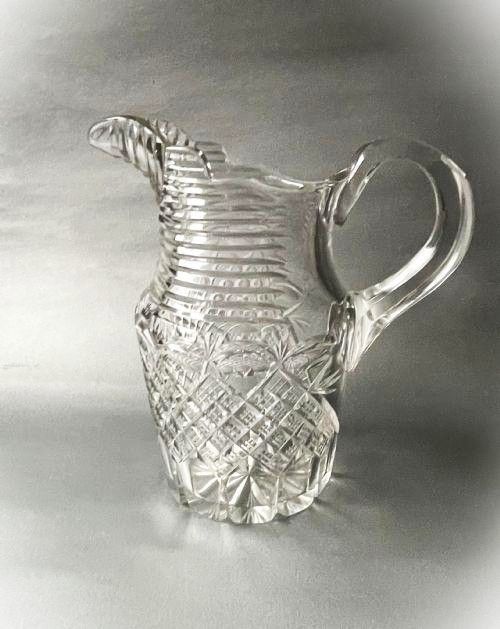
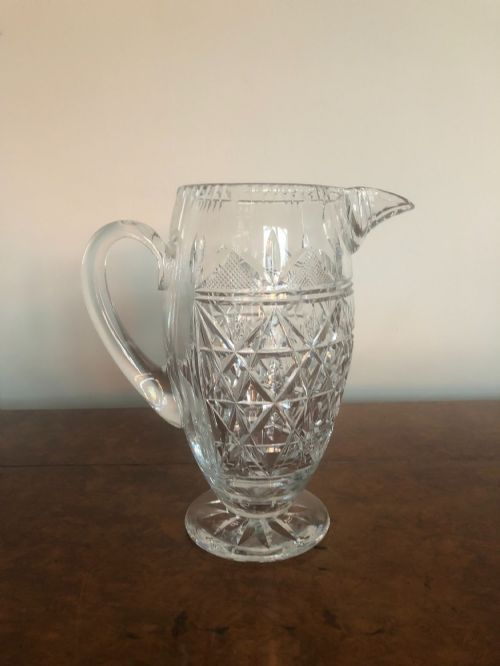
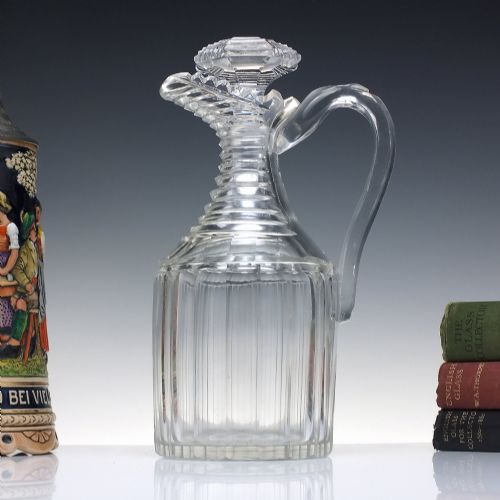
A lead crystal glass pitcher encompasses heavy serving vessels including water jugs, claret jugs, ewers, and carafes. These items appear across several distinct historical periods such as the Georgian, Regency, Victorian, and Edwardian eras, spanning from the early nineteenth century through to nineteen hundred.
The forms function primarily for pouring wine, claret, or water at the table. Surviving examples demonstrate a clear evolution from early nineteenth-century Regency styles to late Victorian and Edwardian interpretations.
How they were made
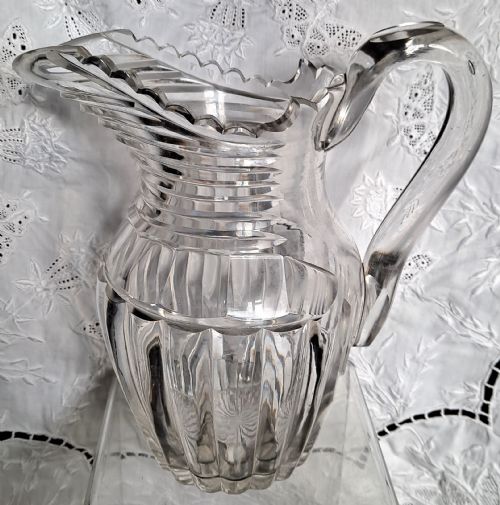
The makers utilised heavy lead crystal and glass, shaping the vessels through traditional blowing methods before applying cold-work techniques. Artisans achieved decorative enrichment by cutting deep facets directly into the heavy material.
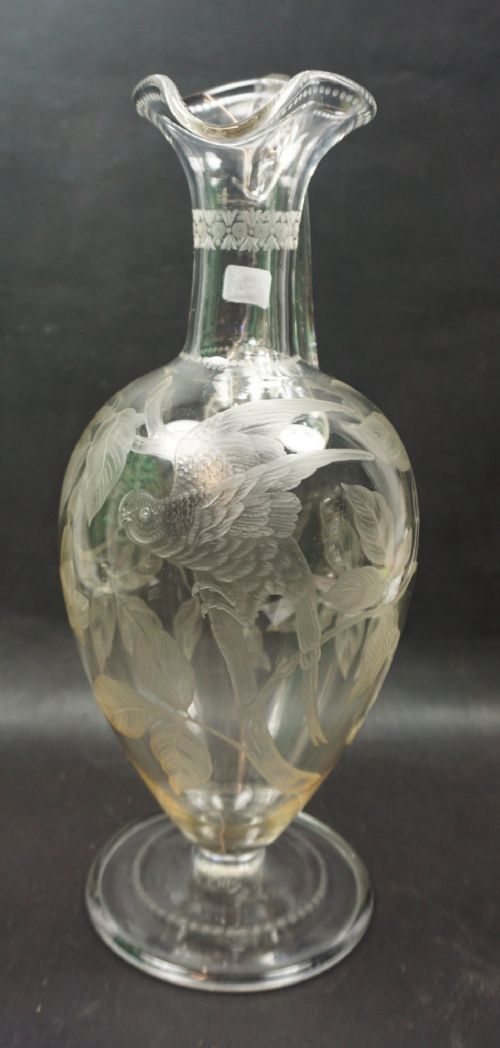
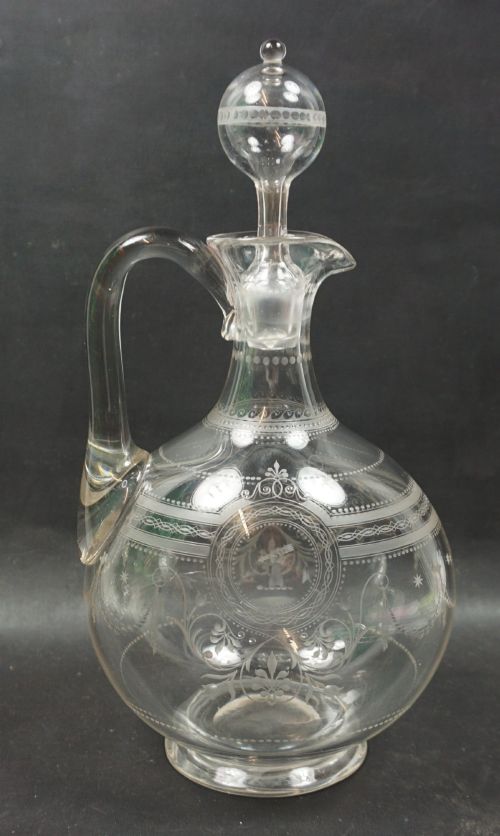
Surface ornamentation extends beyond geometric cutting to include detailed wheel engraving. Makers carved specific naturalistic subjects, such as parrots among foliage, alongside formal armorial crests directly onto the clear glass surface.
Lead Crystal Glass Pitcher Retail Price Guide 2026
Typical asking prices for lead crystal glass pitcher among the pieces listed under this phrase on Sellingantiques today, from the lower quarter to the upper quarter. They describe what is for sale here now, not the wider market.
Materials recorded across the current selection include standard glass, cut glass, lead crystal, and cut lead crystal.
What varies in quality
The standard of cutting dictates the visual brilliance of the piece, separating crisp, deep facets from softer, shallow work. Superior vessels display sharp geometric lines that catch and refract light intensely.
The complexity and execution of surface engraving determine the artistic ambition of the object. Masterful rendering of pictorial elements, such as foliage and birds, elevates a standard serving vessel into a notable decorative item.
The Lead Crystal Glass Pitcher Glossary
- Lead crystal
- Glass containing a significant proportion of lead oxide, which increases weight, clarity, and the refractive index. This material allows for deeper and sharper cutting than standard soda-lime glass.
- Ewer
- A large pitcher with a wide spout and a decorative handle, historically used for pouring water. Victorian and Edwardian examples often feature substantial cut crystal bodies.
- Claret jug
- A specialised pouring vessel designed specifically for serving red wine at the table. Georgian and Regency pieces frequently incorporate cut glass bodies paired with metal mounts.
- Carafe
- A decorative glass container with a narrow neck used for serving wine or water. These items typically omit handles in favour of a clean, symmetrical silhouette.
Lead Crystal Glass Pitcher: Frequently Asked Questions
What is a lead crystal glass pitcher?
A heavy pouring vessel formed from lead crystal, designed to serve water, wine, or claret at the table. These pieces date across the nineteenth and early twentieth centuries.
They combine practical function with decorative glass-cutting techniques, making them enduring table accessories.
How do I date a glass jug?
Dating relies on observing stylistic markers, cutting patterns, and overall vessel form specific to periods like the Georgian, Victorian, or Edwardian eras.
Changes in handle design, engraving subjects, and the weight of the crystal provide further clues to the manufacturing decade.
Were these pitchers used for wine?
Certain specialised forms, particularly claret jugs and wine jugs, served alcoholic beverages at formal meals. Other heavier vessels functioned primarily as water jugs.
Engraved motifs on the glass surface often hint at the intended beverage or the family lineage of the original owner.
How should I clean an antique jug?
Wash the heavy glass gently by hand using warm water and mild detergent, avoiding sudden temperature changes that might stress the material. Soft cloths prevent scratching the polished lead crystal facets and delicate wheel engravings.
Avoid abrasive scourers and dishwashers entirely to preserve the original surface finish of the antique glass.