

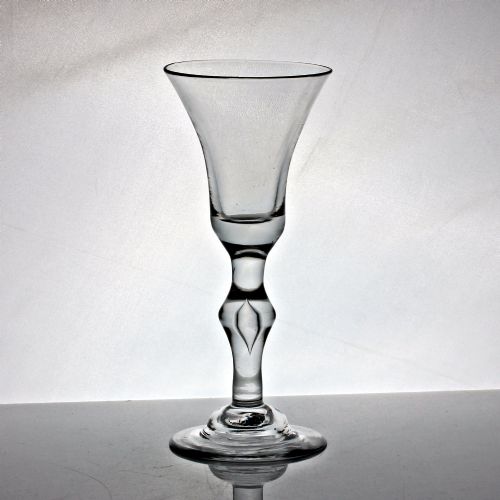
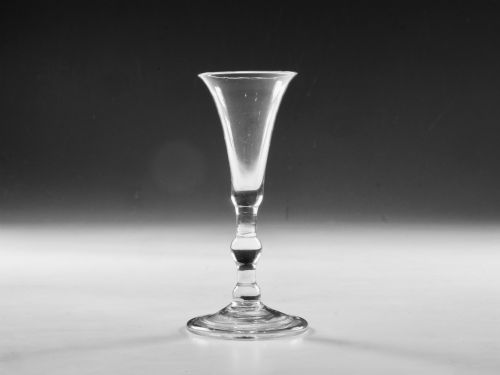
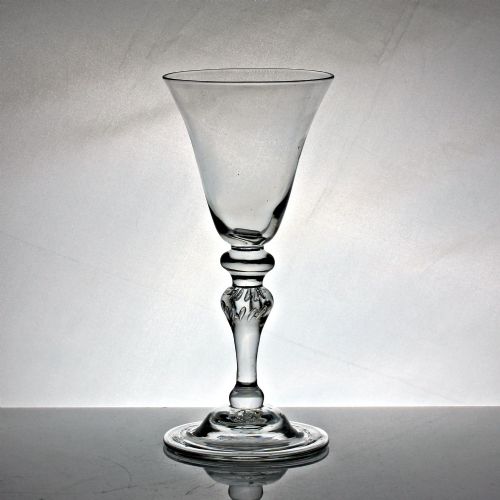
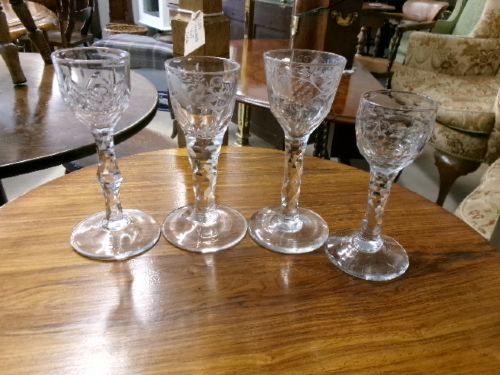
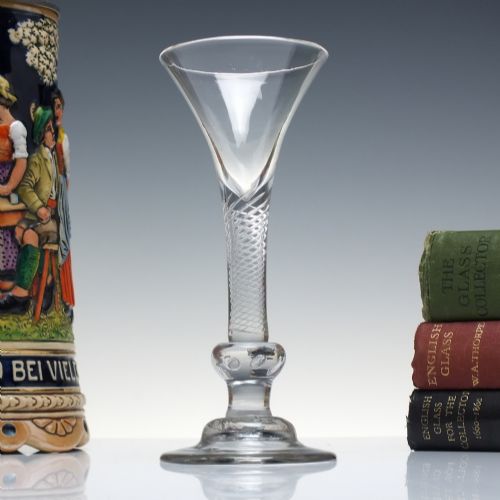


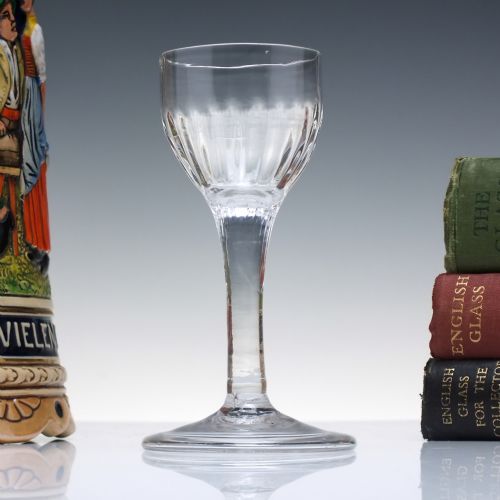


Lead Crystal Footed Bowl
These lead crystal footed bowl pieces are heavy, brilliant glass vessels raised on pedestals or bases, prized for their clarity and ringing tone.
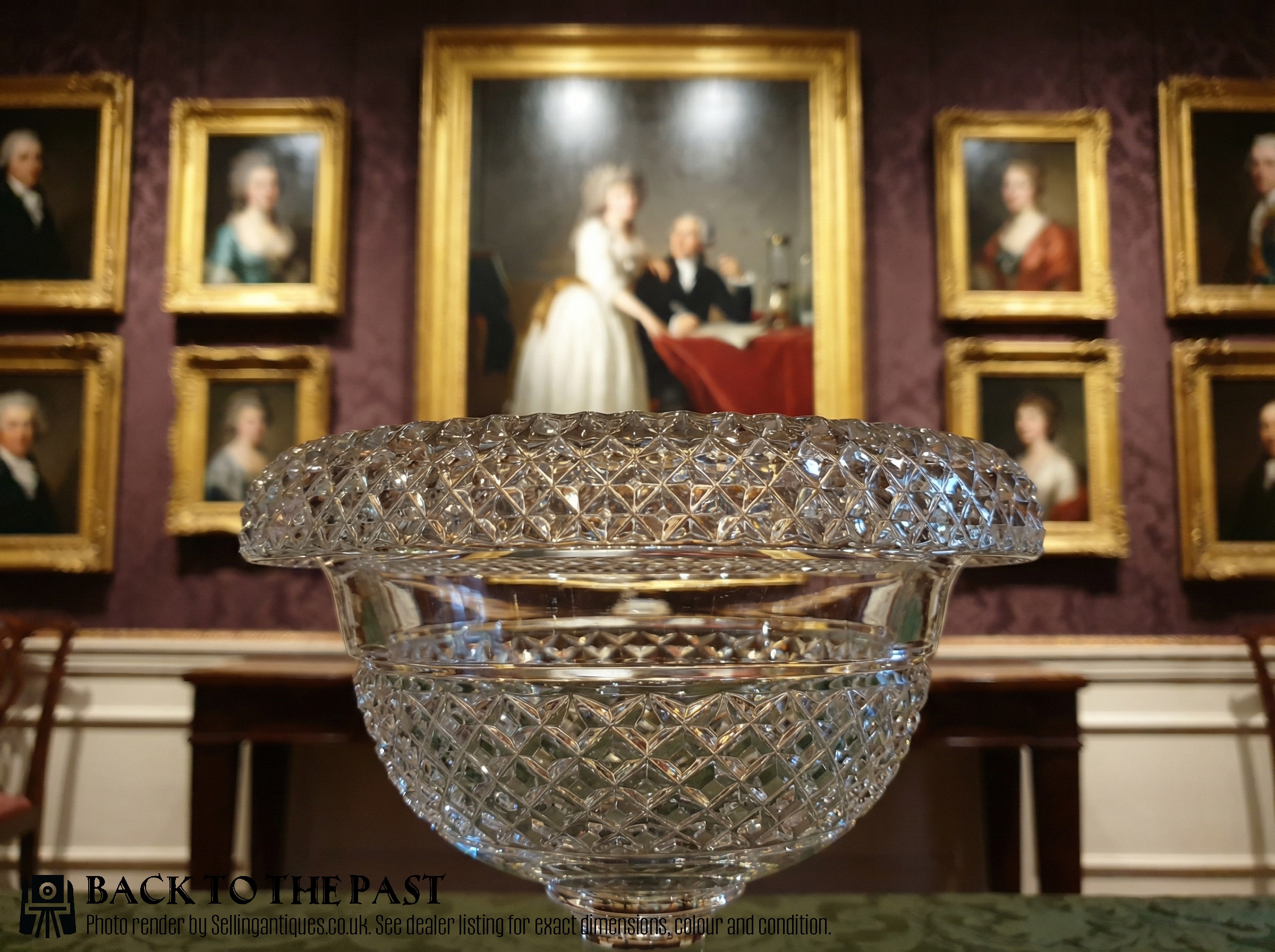
Lead Crystal Footed Bowl
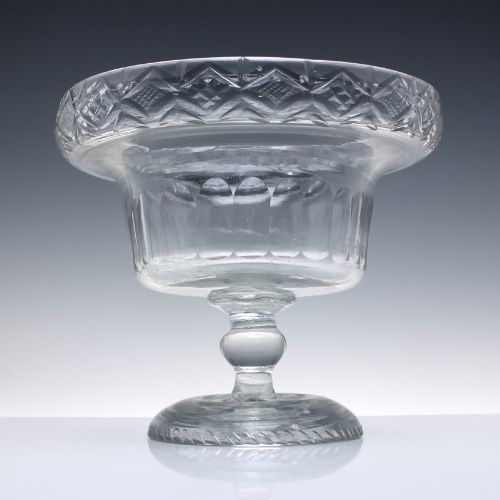
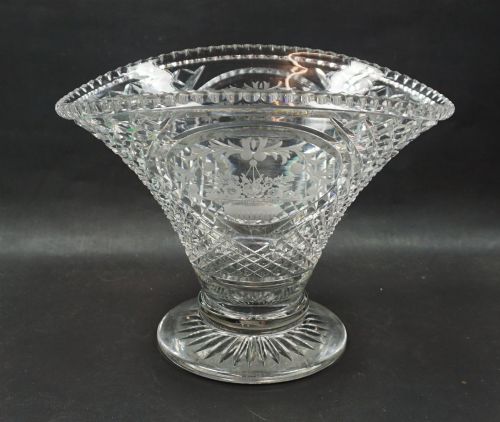
When you search for a lead crystal footed bowl, you encounter a range of heavy glass vessels designed for service or display on a table or sideboard. These items include fruit bowls, centrepiece bowls, and tazza stands raised on distinct bases or feet.
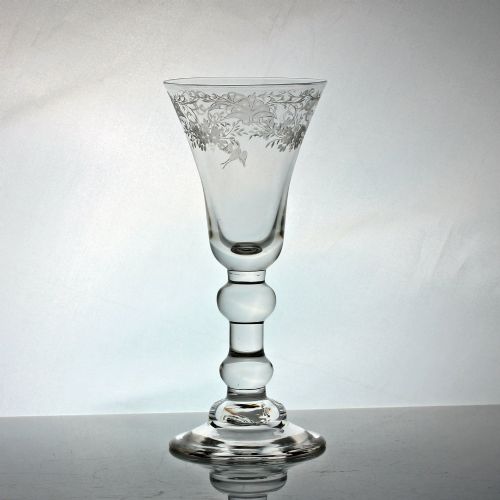
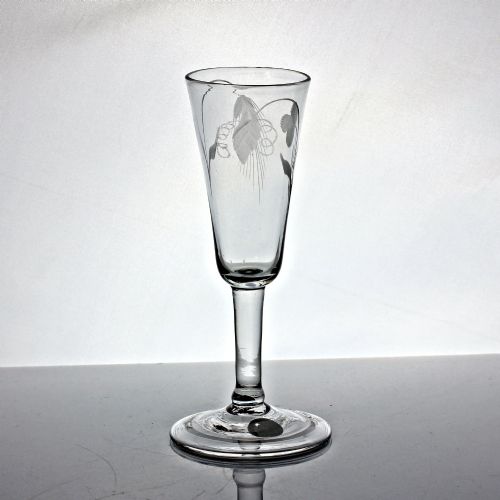
The selections span several centuries, reaching from the Georgian period through the Victorian and Edwardian eras up to the nineteen thirties. You will regularly find distinct serving vessels alongside stemware grouped under related categories on this page.
Origins vary across British and Irish traditions, encompassing traditional Irish crystal alongside English glass production. The forms range from plain, thick-walled vessels to deeply faceted and etched display pieces intended to catch the light.
How they were made
The primary material across these listings is lead crystal or flint glass, which incorporates lead oxide to increase the weight, refractive index, and softness of the glass. This composition allows artisans to cut deep, sharp facets and patterns into the surface without fracturing the material.
Makers shaped these bowls using traditional glassblowing techniques, often gathering molten metal onto a pontil iron before forming the body and applying a separate foot or stem. Surface decoration relies on wheel-cutting, wheel-engraving, and etching to create panels, flutes, and hobnail patterns.
Lead Crystal Footed Bowl Retail Price Guide 2026
Typical asking prices for lead crystal footed bowl among the pieces listed under this phrase on Sellingantiques today, from the lower quarter to the upper quarter. They describe what is for sale here now, not the wider market.
The listings on this page span the Georgian, Victorian, and Edwardian periods, utilising lead crystal, flint glass, and clear glass in various decorative forms.
What varies in quality
Quality in a lead crystal footed bowl depends heavily on the clarity of the metal and the precision of the surface cutting. Superior examples exhibit high brilliance free from heavy cloudiness or excessive internal bubbles, paired with crisp, clean lines along the cut facets.
The weight and balance of the vessel also indicate its standard of manufacture. Thicker, heavier lead glass provides a deeper ring when struck and a more substantial feel in the hand, whereas simpler pressed pieces lack the sharp definition of hand-cut work.
The Lead Crystal Footed Bowl Glossary
- Lead crystal
- Glass containing a significant proportion of lead oxide, which increases brilliance, weight, and workability. This material is standard for fine decorative tableware.
- Footed bowl
- A vessel raised upon a distinct base, pedestal, or folded foot rather than resting flat on its bottom. This form lifts the contents for display.
- Hobnail pattern
- A decorative surface texture consisting of rows of raised, pointed square knobs resembling the hobnails used on heavy boots. It appears frequently on nineteenth-century pieces.
- Tazza stand
- A wide, shallow bowl or plate raised on a central pillar and foot. It was traditionally used for serving fruit or sweetmeats.
- Flint glass
- An early term for clear lead glass developed in England during the seventeenth century. It refers to the high clarity and brilliance of the material.
Lead Crystal Footed Bowl: Frequently Asked Questions
How do I clean an old crystal bowl?
Wash the vessel by hand in warm water using a mild liquid detergent. Avoid harsh abrasive sponges that might scratch the surface.
Dry the glass immediately with a lint-free cloth to prevent water spots and preserve the brilliance of the lead crystal.
What is the difference between lead crystal and regular glass?
Lead crystal contains lead oxide, which adds substantial weight to the object and increases its refractive index. This chemical composition allows the glass to scatter light more effectively and produce a resonant ringing tone when tapped.
Standard glass is lighter and lacks the same level of brilliance and softness, which makes deep wheel-cutting more difficult to execute.
Can I use these bowls for serving food?
Most of these historic bowls are suitable for serving dry foods, fruit, or cold items. They function well as centrepieces for dining tables or sideboards.
Avoid exposing antique lead crystal to sudden temperature shifts, such as placing hot liquids inside a cold vessel, to prevent thermal shock and cracking.
How can I tell a Georgian bowl from a Victorian one?
Georgian pieces often display simpler, heavier profiles with hand-blown characteristics like pontil marks and folded feet. The cutting tends to be broader and less dense than later work.
Victorian and Edwardian bowls frequently feature heavier press-moulding, deeper hobnail patterns, or elaborate etched floral designs reflecting industrial advancements in manufacturing.