


Lead Crystal Bottle
These heavy lead crystal bottle pieces span Georgian decanters and Victorian scent flasks, offering brilliance and weight.
Lead Crystal Bottle
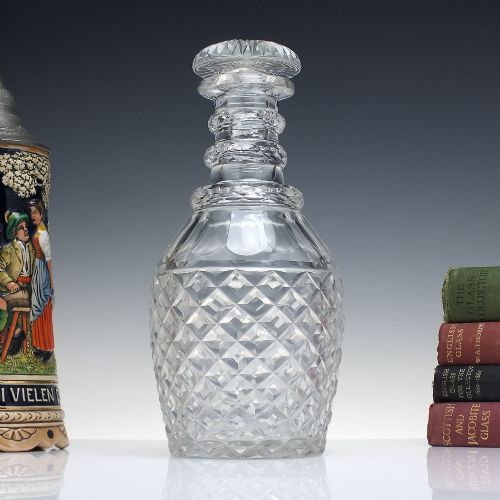
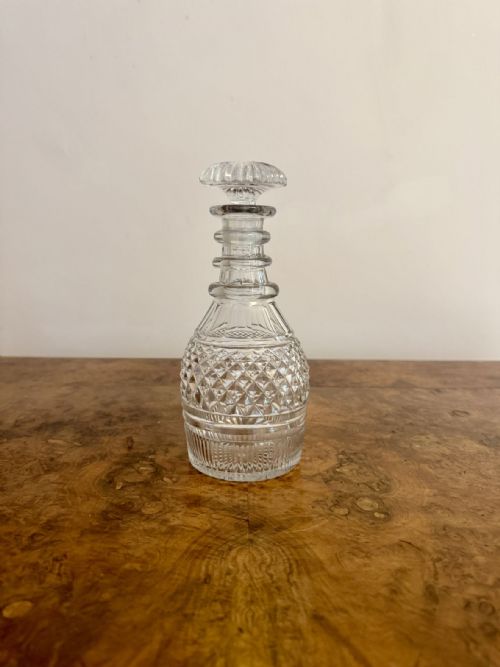
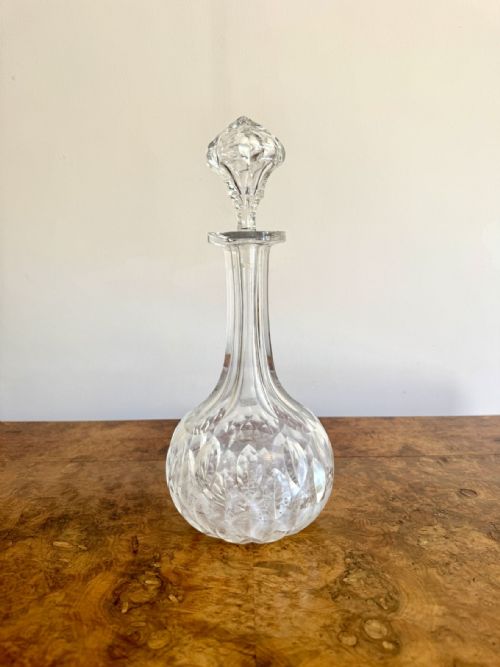
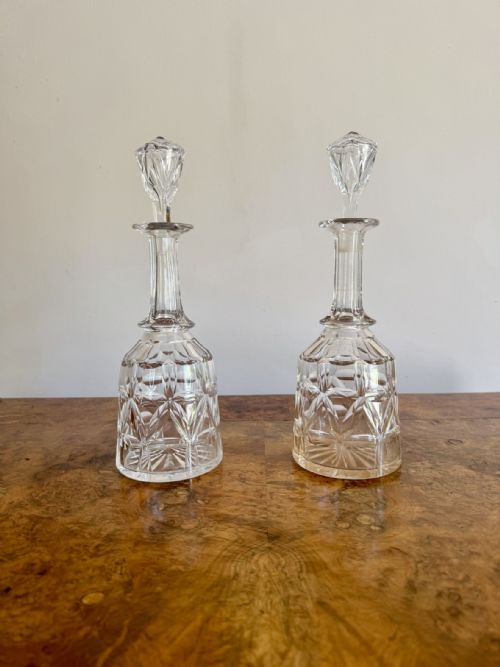
When you search for lead crystal bottle, you encounter a selection spanning decanters, scent bottles, carafes and cruet sets from the eighteenth century to the twentieth century. The forms range from shoulder decanters and three ring carafes to perfume flasks and spirit decanters.
The Edwardian era provides many of the pieces seen here, alongside substantial Victorian examples and earlier Georgian finds. These items serve functional roles on sideboards and dining tables while displaying considerable presence through their material weight.
Glass, lead and cutting techniques
The pieces utilise lead crystal, lead glass and crystal glass, providing the high refractive index and heft characteristic of these objects. Artisans shaped the vessels using optical blowing and heavy hand cutting.
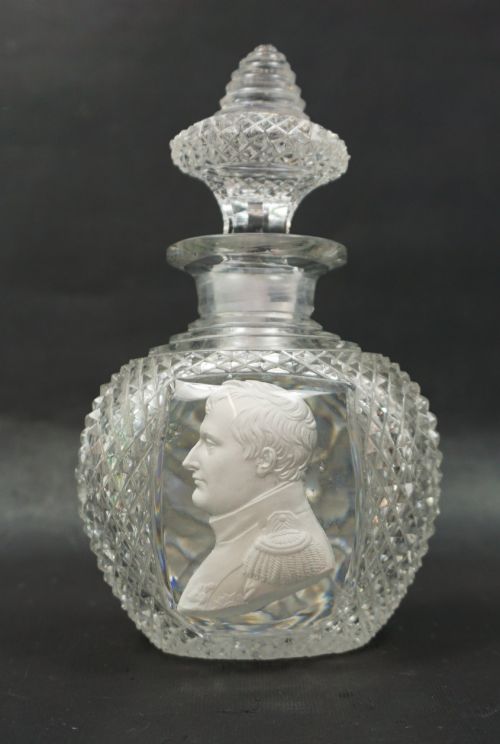
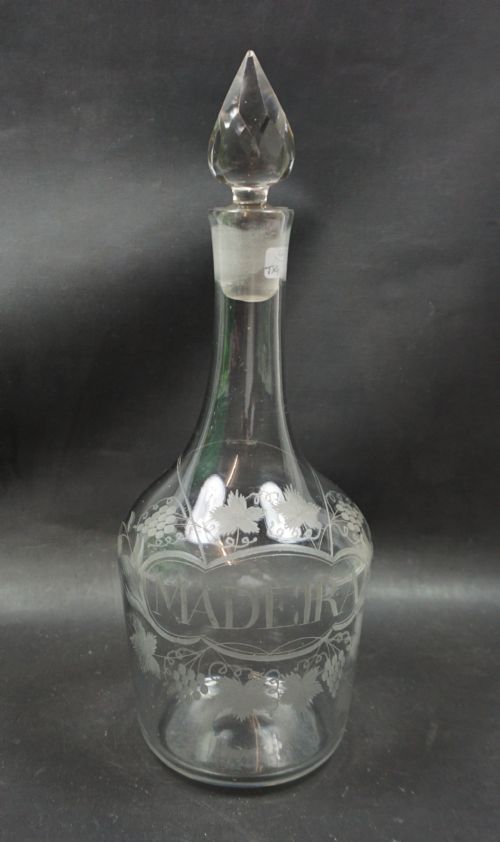
Surface decoration relies on deep wheel cutting, geometric patterns and delicate engraving, sometimes paired with sulphide portraits or applied labels.
Clarity, depth of cut and proportion
Quality rests upon the purity of the metal and the precision of the hand cutting, where deeper and crisper facets catch the light more effectively. The balance of the vessel, the thickness of the walls and the harmony of the stoppers separate standard utility items from finer examples.
The crispness of engraved lettering, such as spirit labels, and the inclusion of detailed elements like sulphide portraits elevate particular pieces within the wider selection.
James Powell
The Lead Crystal Bottle Glossary
- Lead crystal
- A type of glass containing lead oxide, which increases weight, clarity and the dispersion of light. This material forms the basis of the heavier decanters and bottles.
- Shoulder decanter
- A form of decanter characterised by a broad shoulder tapering down to a flat base. This shape appears in eighteenth-century English examples.
- Sulphide
- A small ceramic cameo embedded within the glass, often depicting a portrait. These appear in nineteenth-century scent bottles.
- Cruet set
- A matched group of bottles or containers used for condiments, held together in a frame. An Art Deco five piece set demonstrates this form.
- Three ring carafe
- A decanter or bottle featuring three distinct rings or collars applied around the neck. This stylistic feature assists with grip.
Lead Crystal Bottle: Frequently Asked Questions
What is a lead crystal bottle?
A lead crystal bottle is a glass vessel containing lead oxide for enhanced weight and brilliance, encompassing decanters, carafes and scent bottles.
These pieces date from the eighteenth century through to the early twentieth century, functioning historically for serving wine and spirits or holding perfumes.
How do I identify a Georgian decanter?
Georgian decanters typically exhibit earlier forms such as shoulder decanters or three ring carafes, often with hand-engraved labels like Madeira.
They reflect eighteenth-century manufacturing traits through their glass composition and hand-cut facets.
Were these bottles used for spirits?
Many Edwardian and Victorian examples function specifically as spirit decanters for whisky, brandy and wine. They often feature matching stoppers and heavy cut glass bodies.
Pairs and trios were commonly produced for domestic entertaining on sideboards.
How should I clean antique glass?
Careful hand washing in warm water with mild detergent preserves the surface of cut crystal glass and prevents damage to delicate engravings.
Harsh abrasives and sudden temperature changes must be avoided to protect the historic metal.