
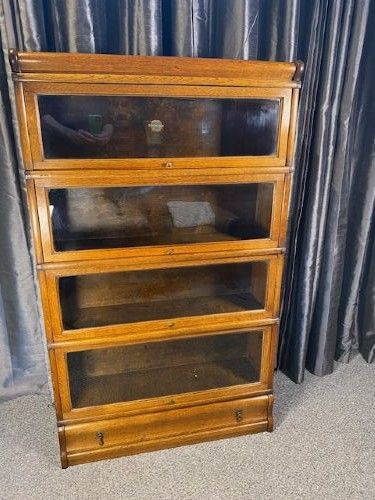

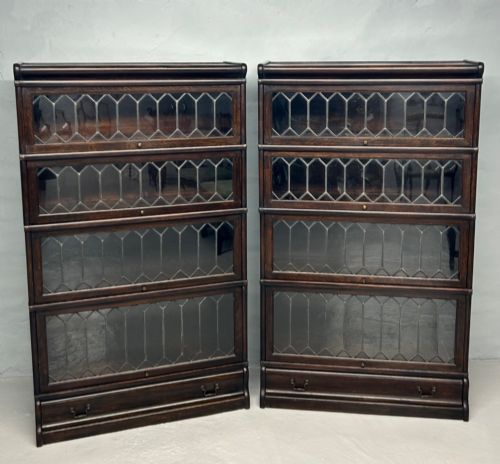
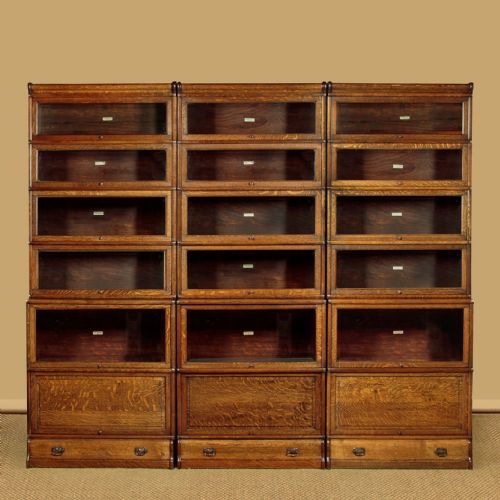
Lawyers Glazed Bookcase
These lawyers glazed bookcase pieces offer modular storage with glazed lifting doors, appealing to collectors seeking practical period organisation.
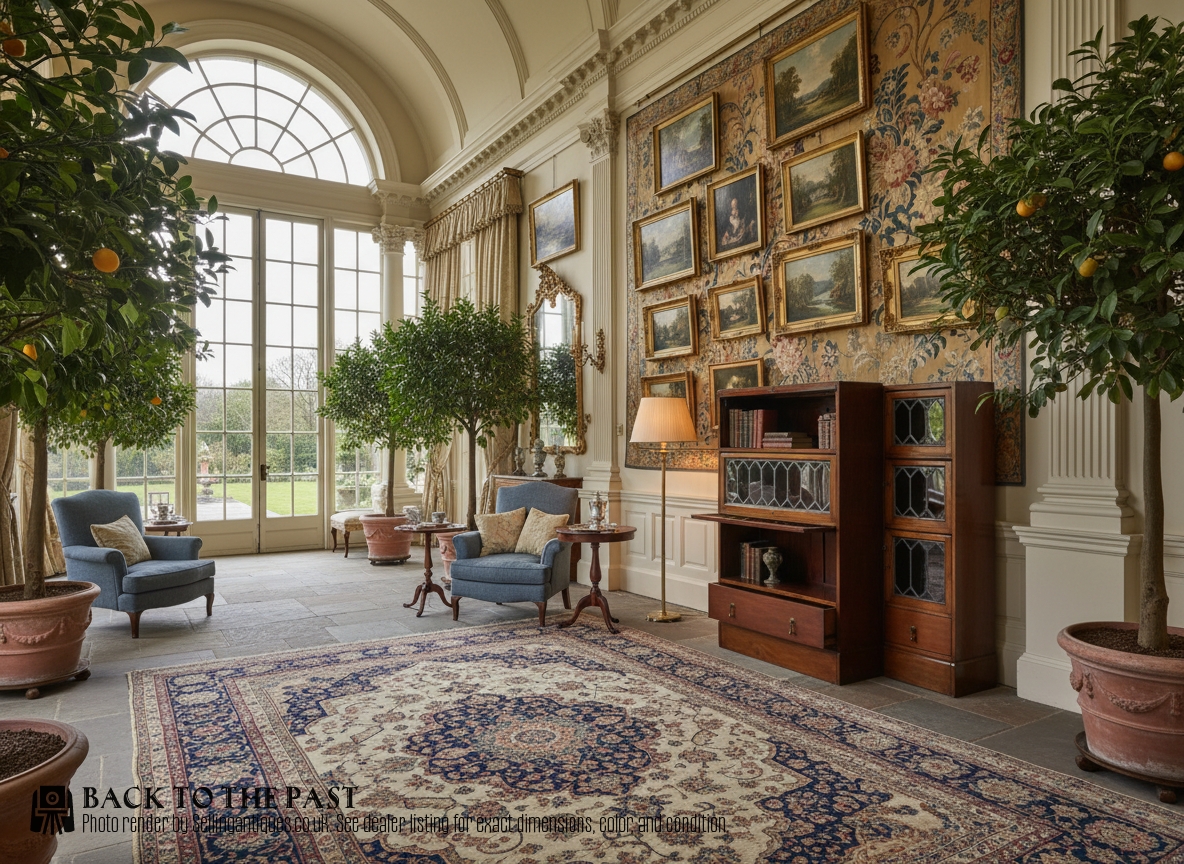
Lawyers Glazed Bookcase
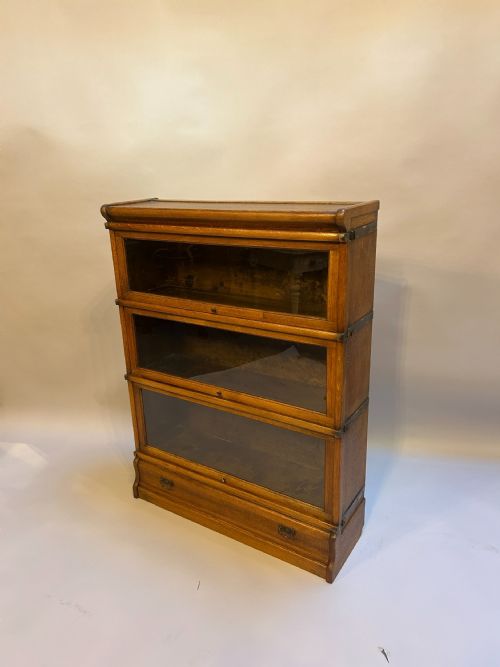
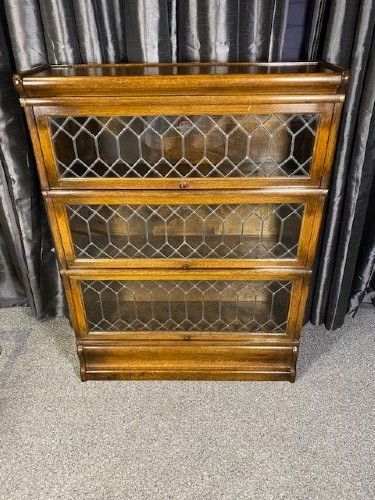
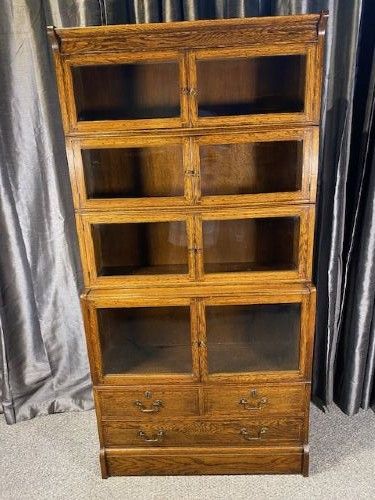
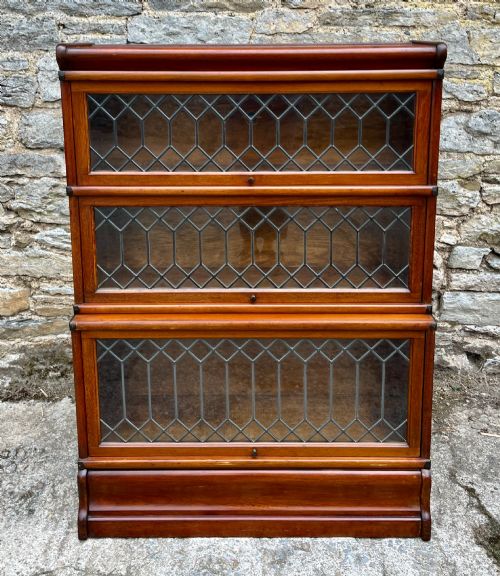
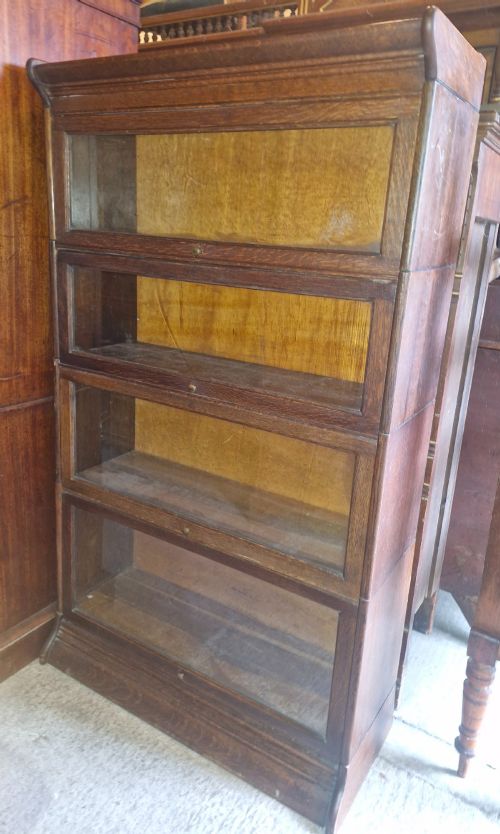
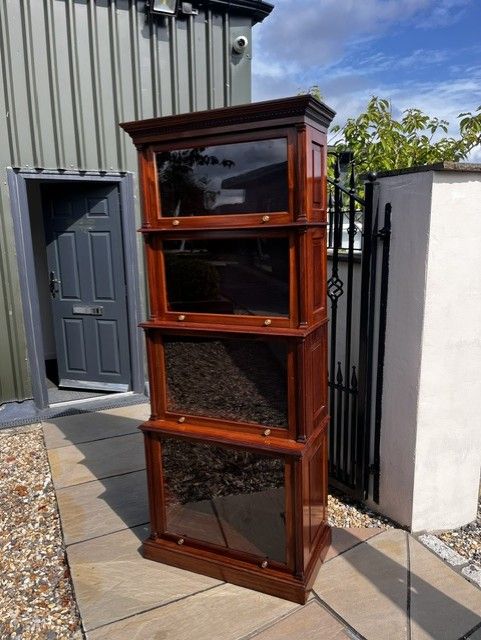
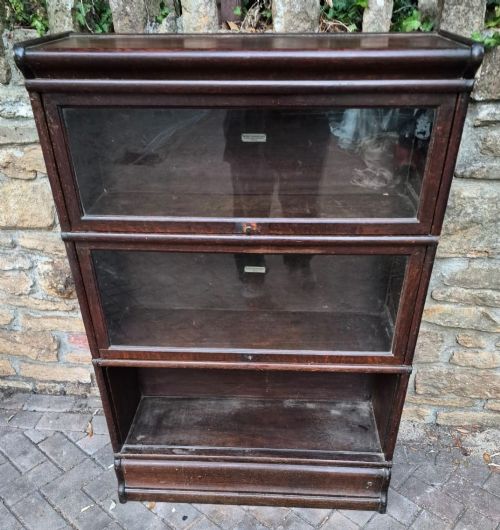
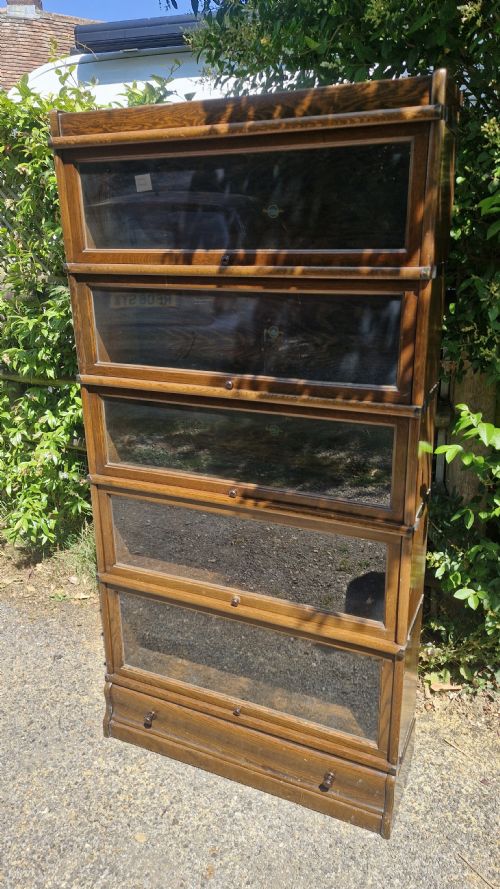
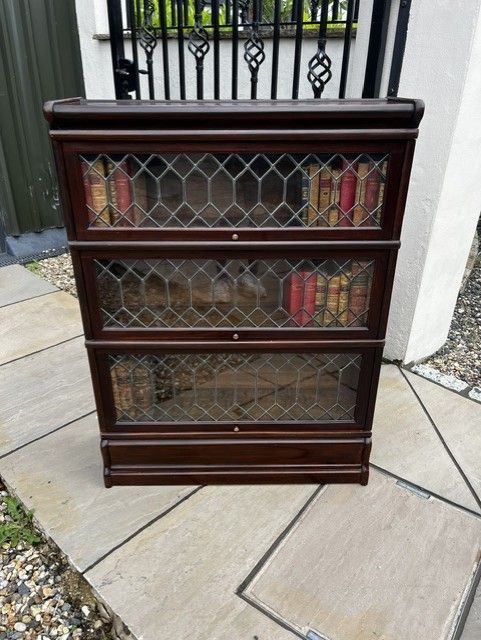
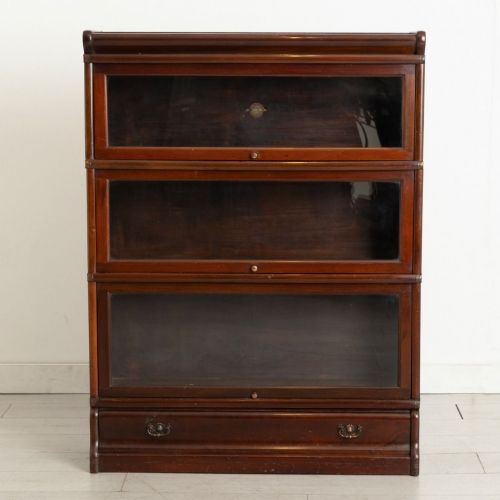
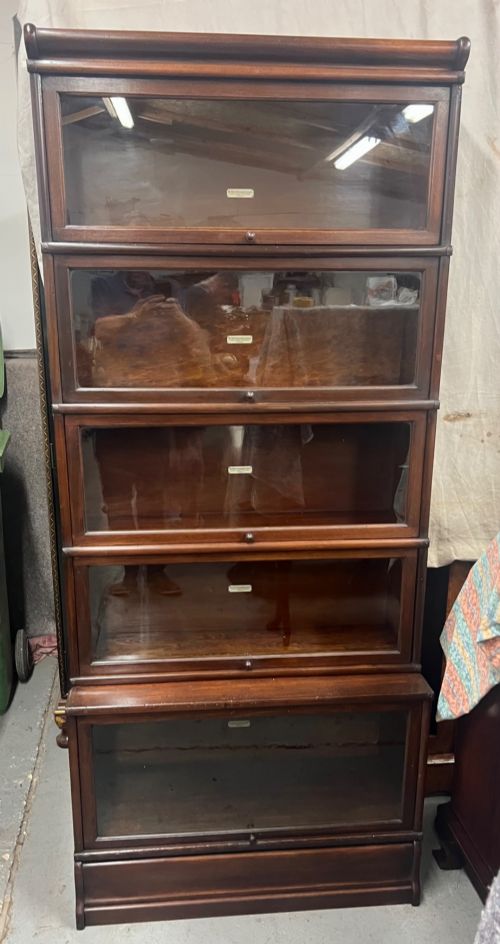
A lawyers glazed bookcase typically takes the form of a sectional stacking cabinet designed for office or home library use. These pieces appear in configurations of multiple tiers, often styled as barristers or Globe Wernicke designs.
The material palette centres on oak and mahogany, frequently incorporating glass and brass hardware. Most examples date from the Edwardian era through to the nineteen thirties, reflecting early twentieth-century cabinet-making traditions.
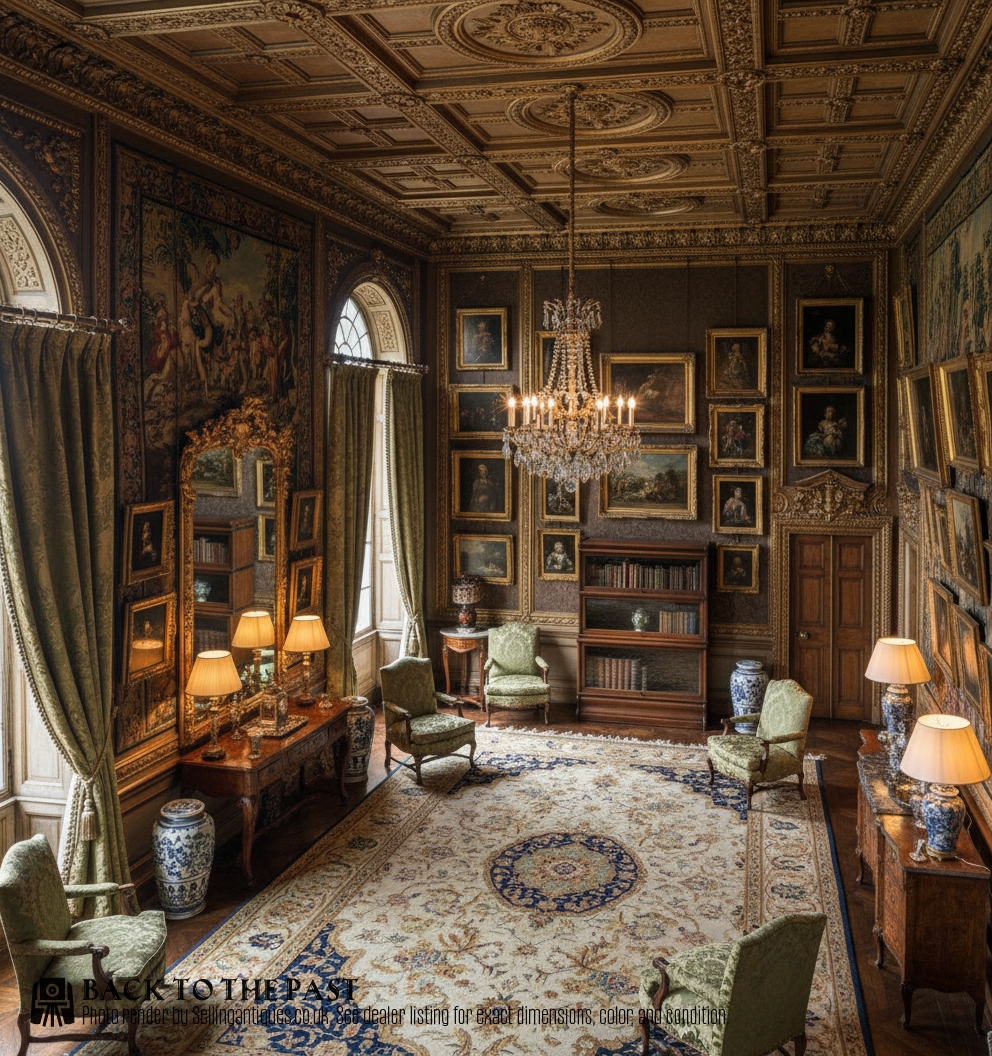
Materials and construction methods
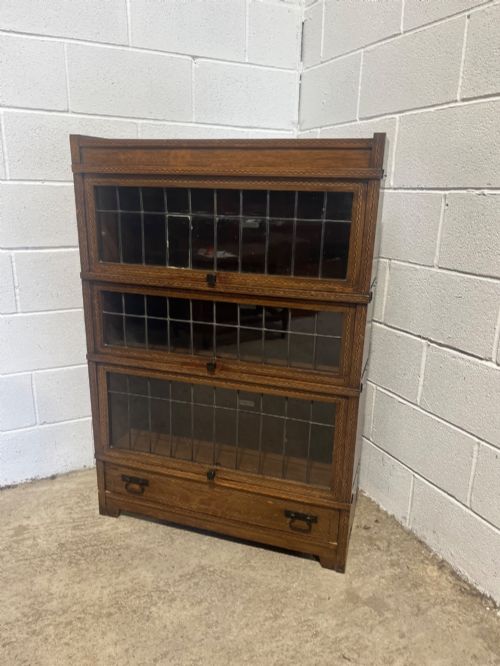
Construction relies on solid oak and mahogany timbers assembled into modular tiers that stack vertically. Lead and glass feature in the hinged lifting doors, while brass components provide internal mechanisms and exterior pulls.
Makers utilised sectional engineering to allow individual shelf units to lock together without permanent fixings. This modular approach enabled easy transport and customisable height configurations for growing libraries.
Legal professionals chose these clever stacking cabinets so they could dust their heavy law books without actually opening the doors.
Assessing quality in sectional bookcases
Quality rests upon the selection of timber, such as solid mahogany or figured oak, alongside the precision of the stacking joints. Superior examples display refined brass hardware and intact leaded glass panes within the lifting doors.
Maker attribution elevates desirability, particularly pieces bearing specific stamps or labels. The integrity of the mechanical action on the glazed doors further distinguishes standard office utility from finer domestic furniture.
Globe Wernicke·Warwick
The Lawyers Glazed Bookcase Glossary
- Sectional bookcase
- A piece of furniture built from separate, stackable tiers that fit together vertically. This design allows the cabinet to be dismantled or expanded into multiple sections.
- Barrister bookcase
- An alternative name for a stacking office bookcase with glazed lifting doors. Lawyers and legal professionals historically utilised these cabinets to protect valuable law books.
- Leaded glass
- Glass panes held together within lead cames to form decorative windows. This technique appears on specific cabinet doors across the period.
Lawyers Glazed Bookcase: Frequently Asked Questions
How do sectional bookcases work?
Each tier operates as an independent wooden box with a glazed door that slides upward and inward on metal or brass pivots. The individual sections simply stack on top of a base plinth and finish beneath a top cornice.
This modular construction means the entire cabinet separates into manageable single boxes for moving. Users can add or remove tiers depending on their book collection size.
What periods do these bookcases span?
The available pieces originate primarily from the early twentieth century, spanning the Edwardian period through the nineteen thirties. Dates in the evidence cluster around nineteen ten and nineteen twenty.
Stylistic markers shift slightly between Edwardian Arts and Crafts influences and later standardised office production. Oak and mahogany remain the dominant timbers throughout these decades.
How do I care for a stacking bookcase?
Maintain the timber using traditional paste wax to preserve the finish on oak or mahogany surfaces. Avoid placing the modular cabinet in direct sunlight or near heat sources that might dry out the wood.
Check the brass hardware and door mechanisms periodically to ensure the lifting action remains smooth. Keep the stacking sections aligned properly on a level floor to prevent door binding.
What is the difference between oak and mahogany versions?
Oak versions frequently display distinct grain patterns, sometimes incorporating golden tones or Edwardian inlay work. Mahogany examples often present a smoother, darker reddish-brown surface finish.
Both timbers appear across stacking office designs and refined domestic barrister cabinets. Choice between the two depends entirely on interior styling preferences.