



Lattice Pattern Wool Rug
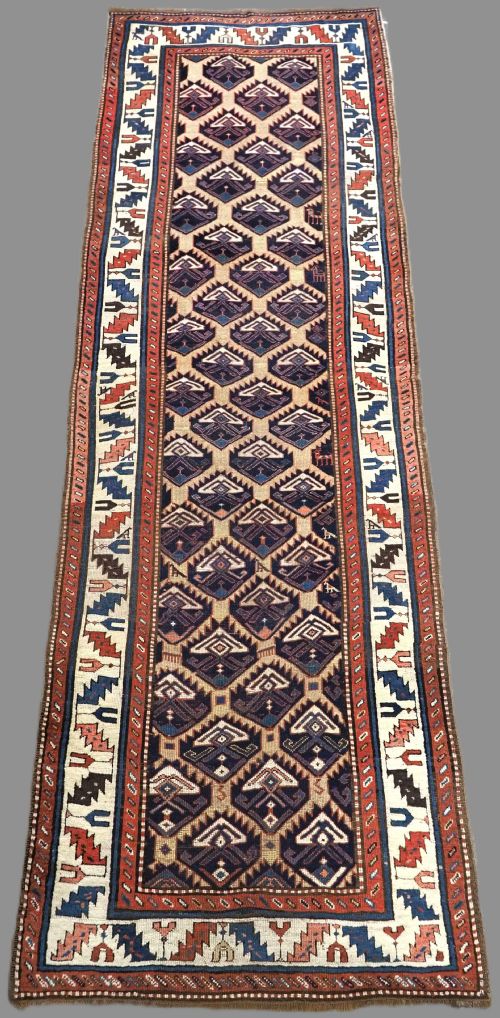
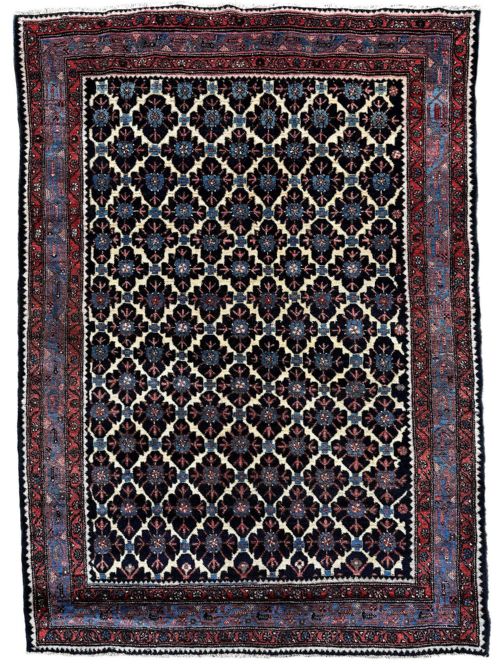
A lattice pattern wool rug brings geometric structure and traditional regional artistry to a floor through repeated intersecting grid motifs.
Lattice Pattern Wool Rug
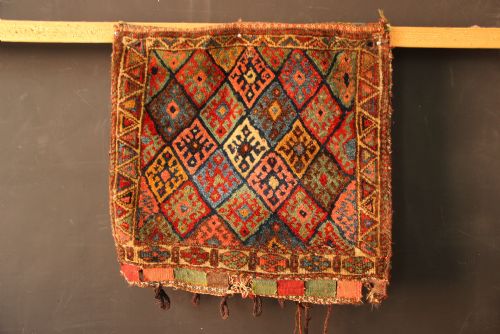
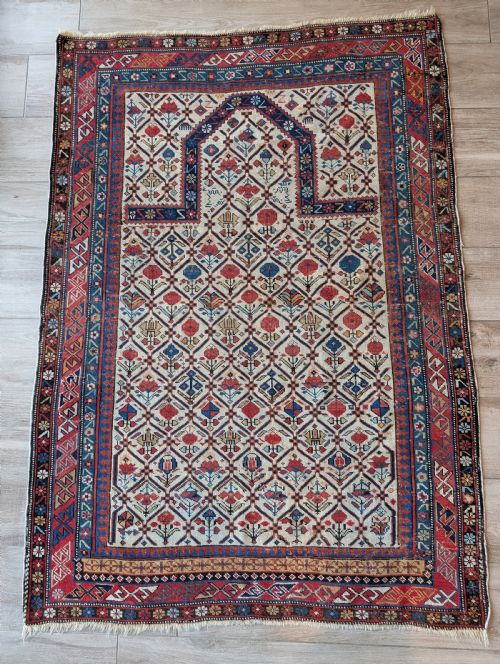
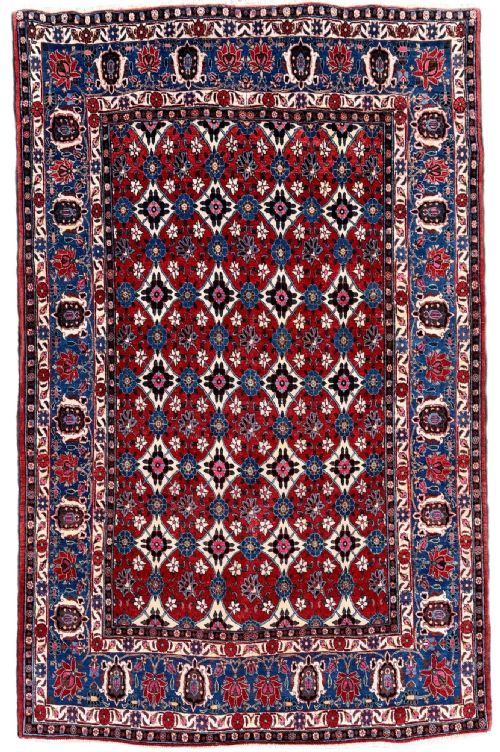
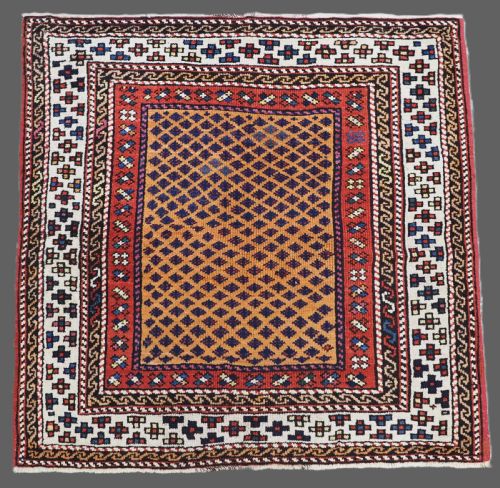
A lattice pattern wool rug presents a structured geometric network across the field, often enclosing floral heads, rosettes, or tribal motifs within its grid. These floor coverings emerge from diverse weaving traditions across Persia, the Caucasus, Anatolia, Central Asia, and India, spanning production dates from the mid-nineteenth century through the mid-twentieth century.
The format varies between square sizes, standard area dimensions, long hallway runners, and large carpets. The most frequent iteration encountered in this selection is the Persian or Caucasian village or tribal rug utilising a repeat lattice layout in wool.
Makers ranged from village weavers working on upright vertical looms in tribal settlements to larger regional workshops in centres such as Joshagan, Mahal, Veramin, and Hamadan. Each region adapted the grid framework according to local tribal iconography or classical workshop cartoons.
Materials and Construction
The primary material is wool, frequently hand-spun and paired with cotton foundations in specific regional workshops, alongside the use of natural dyes derived from plants and minerals. Weavers tied symmetrical or asymmetrical knots onto warp and weft threads before securing the ends with flatweave fringes and selvedges.
Natural dyestuffs impart the varied palette seen across these pieces, producing rich depths of colour that mellow gracefully over decades of light exposure and use. The interplay between hand-spun wool fibres and botanical or mineral colour creates subtle tonal shifts within the geometric lattice compartments.
Lattice Pattern Wool Rug Retail Price Guide 2026
Typical asking prices for lattice pattern wool rug among the pieces listed under this phrase on Sellingantiques today, from the lower quarter to the upper quarter. They describe what is for sale here now, not the wider market.
Some nineteenth-century weavers squeezed tiny star symbols into unexpected corners of the lattice grid just to test their own speed.
Assessing Quality and Execution
Quality rests in the precision of the grid geometry, the saturation and harmony of the natural dyes, and the density of the knotting across the pile. Stronger examples display crisp articulation in the intersecting lattice lines and retain firm, even wool pile without excessive wear to the foundation.
The handling of the secondary motifs enclosed within the lattice differentiates standard production from finer weaving. Master weavers maintain strict proportional control over floral fills and star symbols, whereas simpler pieces show charming irregularities and spontaneous variations in drawing.
The Lattice Pattern Wool Rug Glossary
- Lattice
- A geometric framework of intersecting diagonal or vertical bands forming a repeating grid across the rug field. This layout serves to organise floral sprays, medallions, or tribal motifs into orderly compartments.
- Mina Khani
- A traditional all-over pattern composed of daisy-like rosettes linked by curved vines within a lattice network. Originating in Persian classical design, it appears frequently in village and tribal weaving.
- Kilim
- A flatwoven textile produced without a pile by tightly interweaving warp and weft strands. These pieces function as lightweight rugs or decorative floor coverings.
- Prayer Rug
- A specialised format featuring a central mihrab or arch design indicating the direction of prayer. These rugs are typically smaller in scale and display devotional floral lattice motifs.
- Runner
- A long, narrow carpet format designed specifically for hallways, corridors, or narrow spaces. They often incorporate repeating lattice or medallion sequences to draw the eye along the length.
Lattice Pattern Wool Rug: Frequently Asked Questions
Where should I place a lattice pattern wool rug?
These rugs suit high-traffic areas such as hallways, living rooms, and studies where the geometric grid can anchor furniture arrangements. Runners fit narrow corridors, while larger square or rectangular formats ground seating groups.
Ensure you place a breathable rug underlay beneath the piece to prevent slipping and reduce friction between the wool pile and hard flooring.
How do I clean an antique wool rug?
Routine maintenance requires gentle vacuuming without a rotating power brush to protect the hand-spun wool pile and delicate fringing. Professional specialist cleaning remains necessary for deep washing to preserve natural dyes.
Avoid spot cleaning with harsh chemical detergents or saturating the wool foundation with water, as moisture can damage the structural integrity of older weaves.
How do I tell Caucasian and Persian rugs apart?
Caucasian rugs typically feature saturated primary colours, stiff geometric drawing, and bold, hooked lattice motifs reflecting tribal traditions. Persian examples often display more curvilinear floral elements, sophisticated Mina Khani layouts, and softer botanical dye palettes.
Examining the weave structure, knot type, and border design usually reveals the specific regional workshop or tribal origin of the piece.
Why do natural dyes matter in antique rugs?
Natural dyes derived from plants, roots, and insects age gracefully, developing a rich patina known asabrash that synthetic aniline dyes cannot replicate. These organic colourways interact with light to add depth and visual complexity to the lattice framework.
Over decades, natural pigments mellow harmoniously, whereas chemical dyes from later periods tend to fade unevenly or retain harsh contrasts.