
Late Victorian Writing Table
When you search for a late victorian writing table, you are looking at practical nineteenth-century furniture built for correspondence and study.

Late Victorian Writing Table
A late victorian writing table is a dedicated surface designed for correspondence, reading, and administrative tasks in the home or library.
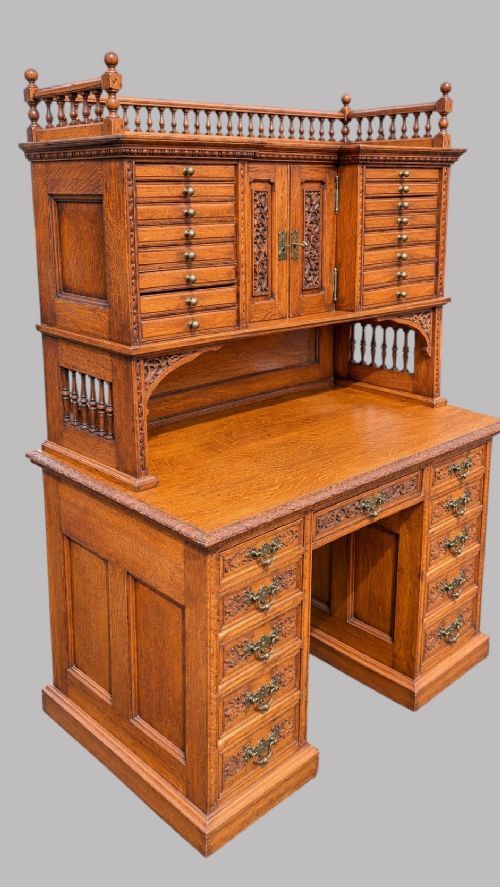
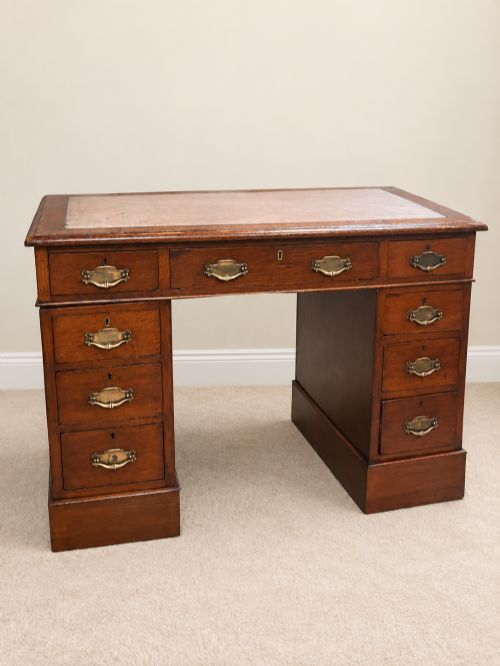
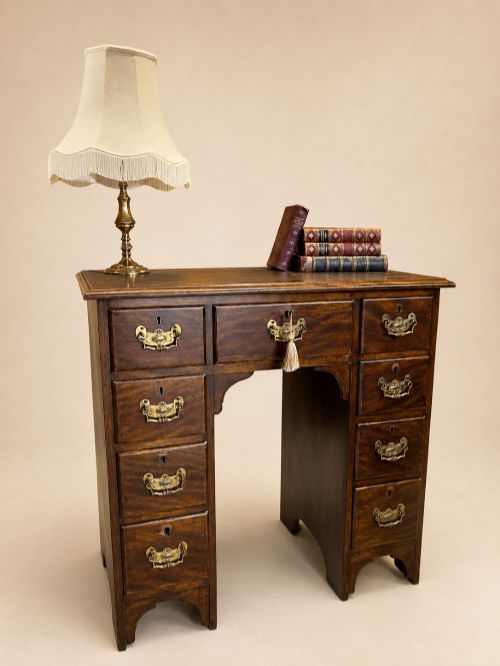
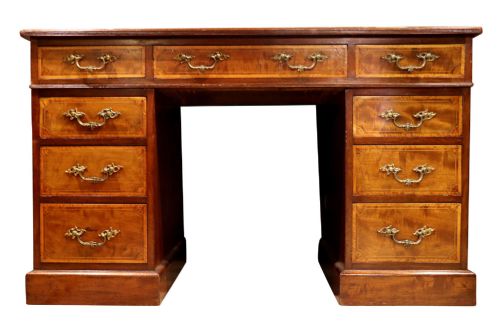
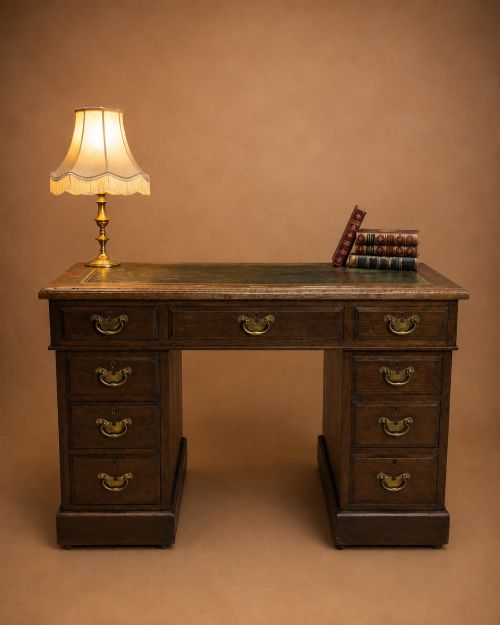
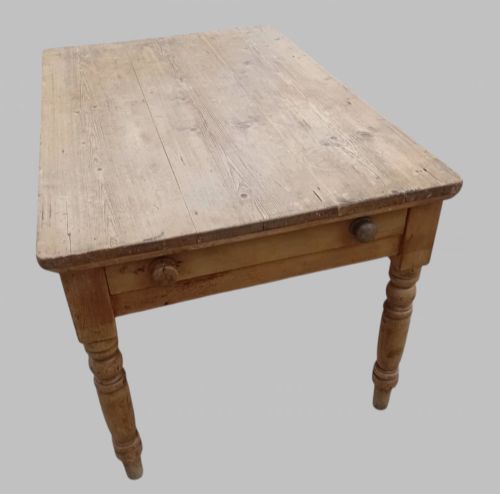
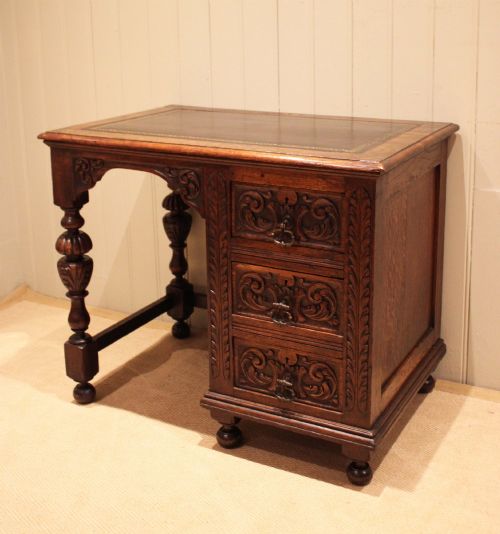
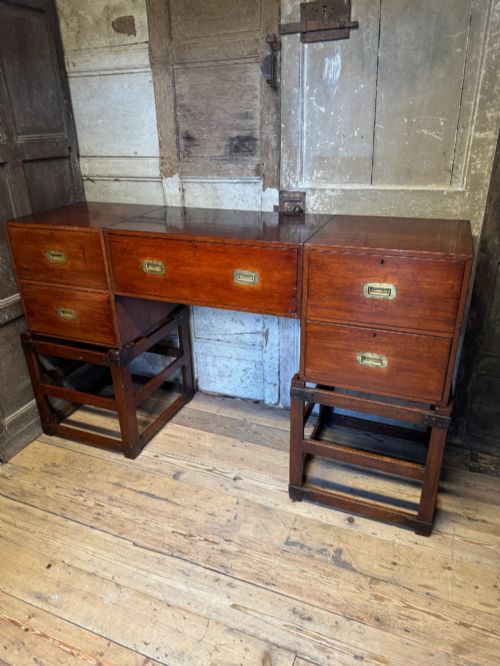
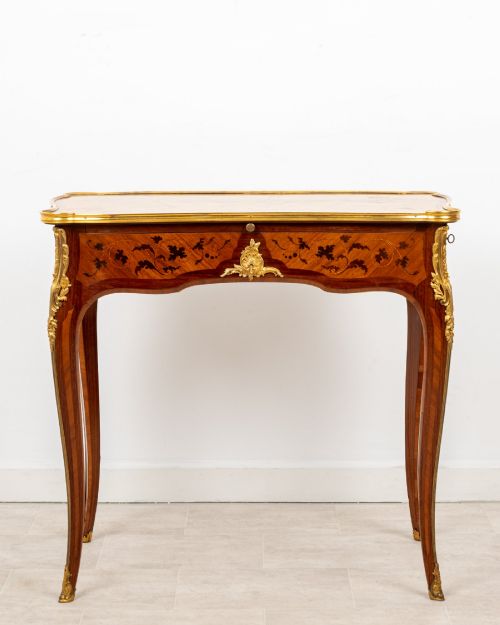
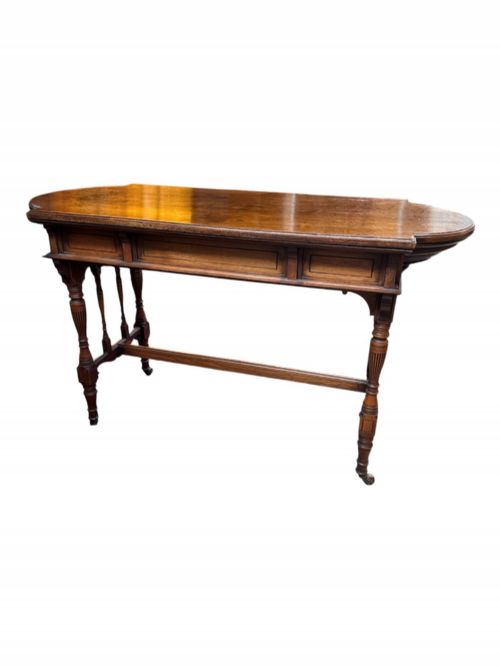
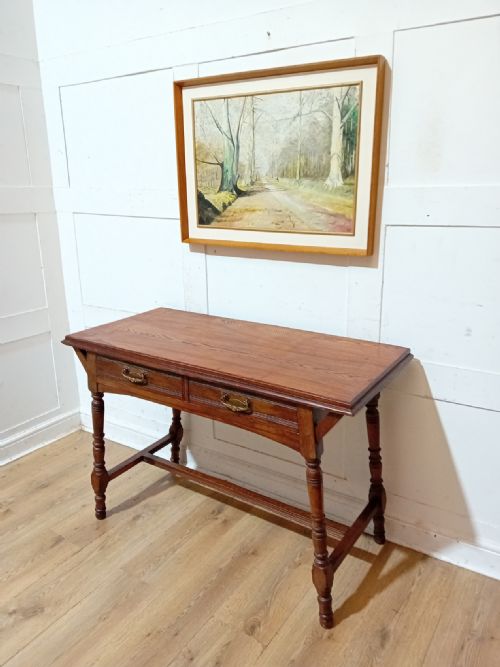
The pieces appearing for this search phrase span pedestal desks, kneehole desks, and lighter side tables with fitted drawers, predominantly originating from the late nineteenth century.
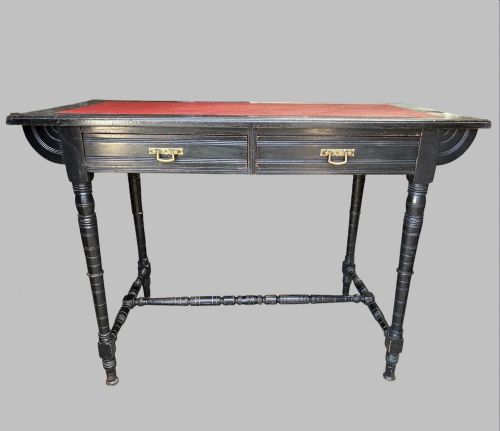
Makers often utilised mahogany, oak, walnut, and rosewood, incorporating styles ranging from Sheraton Revival and Aesthetic Movement to Arts & Crafts.
How They Were Made
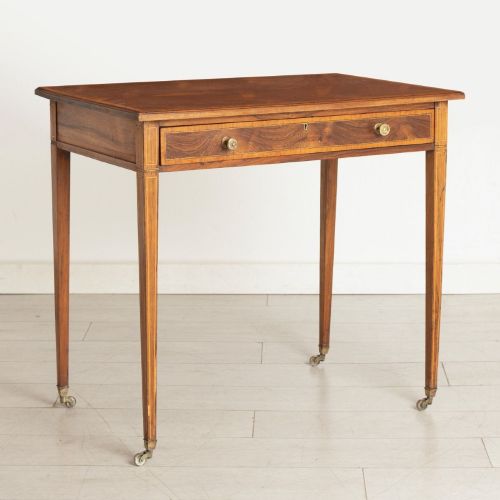
Cabinet makers constructed these tables using dense timbers such as mahogany, oak, and walnut, frequently applying satinwood, rosewood, and marquetry inlays for decorative effect.
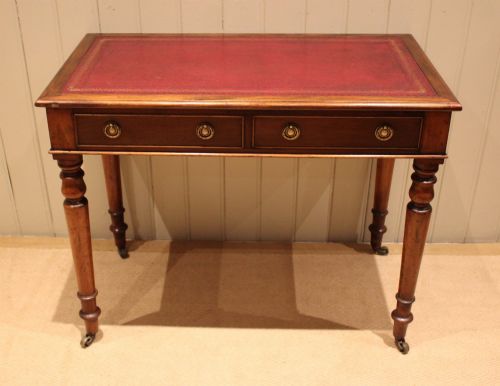
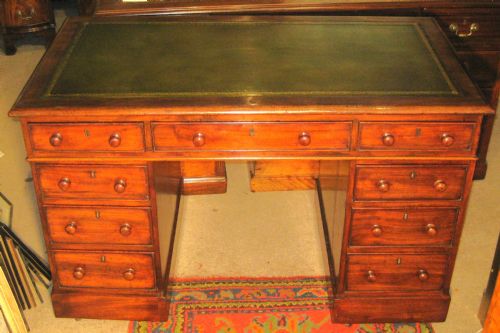
Writing surfaces were routinely inset with panels of leather, often edged with gilt tooling, while drawers utilised hand-cut dovetail joints and retained original brass hardware.
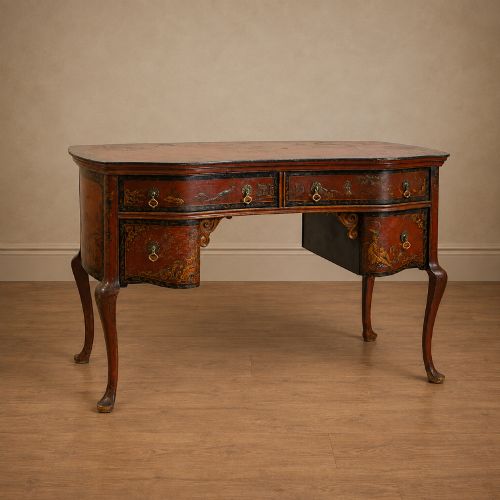
Specialised forms like cylinder desks and kidney-shaped tables required complex curved woodworking and fitted interior compartments for stationery.
Late Victorian Writing Table Retail Price Guide 2026
Typical asking prices for late victorian writing table among the pieces listed under this phrase on Sellingantiques today, from the lower quarter to the upper quarter. They describe what is for sale here now, not the wider market.
Listings feature woods such as mahogany, oak, walnut, rosewood, birch, ash, satinwood, and kingwood.
What Varies in Quality
The standard of a late victorian writing table rests on the selection of timber grains, the precision of marquetry inlay, and whether secondary woods match the primary facade.
Superior examples bear attribution to notable cabinet makers and retain intact original elements, including leather writing surfaces, brass handles, and functional locks with keys.
Construction details such as solid drawer linings and crisp carved mouldings distinguish standard utilitarian pieces from high-status furniture produced by major retail workshops.
Edwards & Roberts·Maple & Co·Gillows Lancaster·Durand·Druce and Co London
The Late Victorian Writing Table Glossary
- Pedestal desk
- A large freestanding desk comprising two supporting banks of drawers beneath a main writing surface. These heavy pieces usually feature inset leather tops and central drawers.
- Marquetry
- The art of forming decorative patterns using fitted veneers of different coloured woods, ivory, or shell. This technique frequently decorates rosewood and satinwood tables.
- Kneehole desk
- A compact desk featuring a central recess for the user's legs, flanked by smaller pedestals of drawers. They are commonly executed in mahogany or oak.
- Bonheur du jour
- A small, light ladies writing desk featuring a raised super-structure of small drawers and pigeonholes above the main writing surface. They often employ rosewood or inlaid satinwood.
- Partners desk
- A large double-sided desk designed for two people to work opposite one another, featuring drawers and cupboards on both faces. Oak and mahogany versions are typical.
Late Victorian Writing Table: Frequently Asked Questions
How do I use a writing table?
These tables function well as compact freestanding desks in a study, or as occasional side tables in a sitting room.
Their shallow drawers suit modern stationery storage without overwhelming smaller contemporary rooms.
What is a partners writing table?
A partners table provides matching drawer configurations on both sides so two people can sit opposite each other.
Cabinet makers designed these large oak or mahogany pieces for libraries and estate offices.
Are leather tops original?
Many late nineteenth-century desks retain their original gilt-tooled leather writing surfaces, showing patination from decades of use.
When replacement leather occurs, craftsmen follow traditional colouring and tooling methods to match the period.
How do I identify a ladies writing table?
Ladies writing tables are typically smaller, lighter pieces executed in rosewood, satinwood, or inlaid mahogany.
They frequently incorporate drop-side flaps, small stationary compartments, or integrated screen panels.