


Late Victorian Table Centrepiece
These late victorian table centrepiece items combine silver, porcelain, and mahogany to anchor a dining table with period presence.
Late Victorian Table Centrepiece
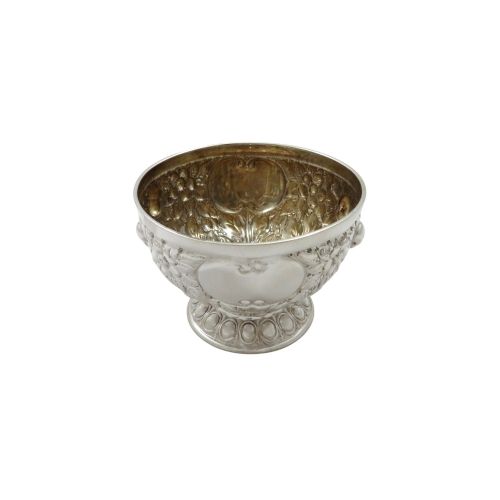
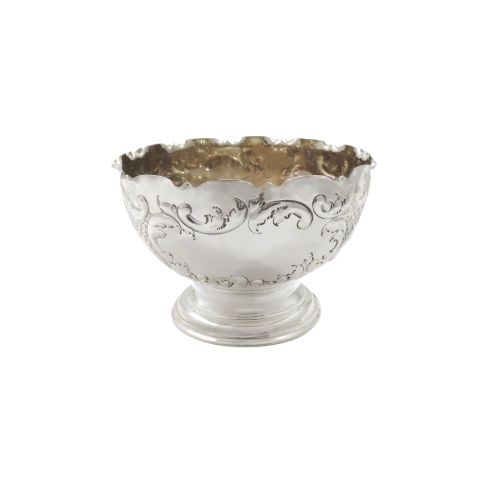
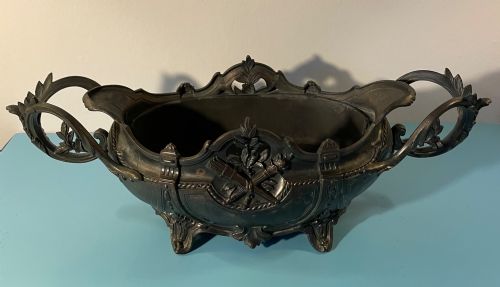
A late victorian table centrepiece brings decorative presence to a dining table through forms such as bowls, baskets, candelabra, and jardinieres. These pieces originate from the Victorian era and the broader late nineteenth century, reflecting the ornate tastes of the period.
Buyers will most frequently encounter sterling silver and silver plated bowls, alongside porcelain vessels and candelabra. Styles span from strict Victorian design to French revival and rococo revival influences.
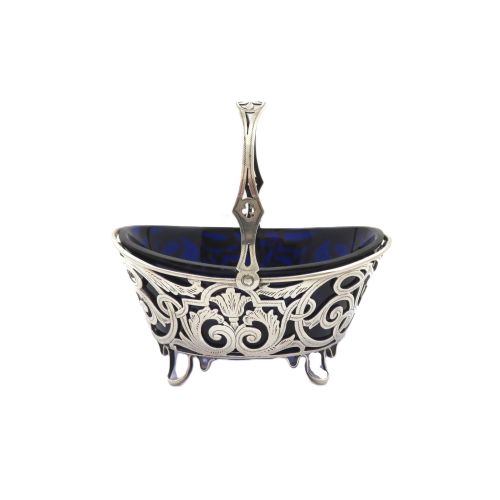
Objects range from footed sterling silver baskets with liners to revolving lazy susans and figural candelabra. Each item serves to ornament a surface, whether holding fruit, flowers, or illuminating a room.
How they were made
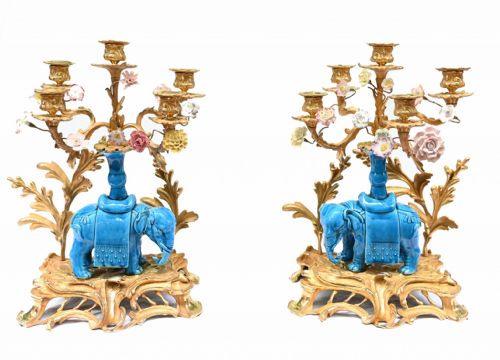
Silversmiths utilised sterling silver and silver plate, often piercing or casting the metal to create intricate baskets and bowls. Manufacturers also combined gilt bronze with crystal and porcelain to construct elaborate vases and stands.
Woodworkers carved mahogany and other treen ware into rotating items like lazy susans and egg cup stands. Ceramic producers shaped porcelain into figures and bowls, finishing them with hand-painted details and gilt accents.
One revolving egg cup stand originates from the private collection of the late Mrs Henry T Ford the second.
What varies in quality
The distinction between tiers rests on the weight of the metal, the crispness of the chased or pierced silver work, and the finesse of the porcelain painting. Heavier gauge sterling silver and detailed casting demonstrate superior production standards.
Makers such as William Comyns or Doulton Burslem produced marked silver and pottery that carry distinct artisan provenance. Simpler silver plated items or unmarked pieces represent more utilitarian workshop output.
William Comyns·Doulton Burslem·Sitzendorf·Sevres
The Late Victorian Table Centrepiece Glossary
- Sterling silver
- A silver alloy containing 92.5 percent pure silver by mass, frequently hallmarked on Victorian tableware. This material forms the body of many bowls and baskets.
- Silver plate
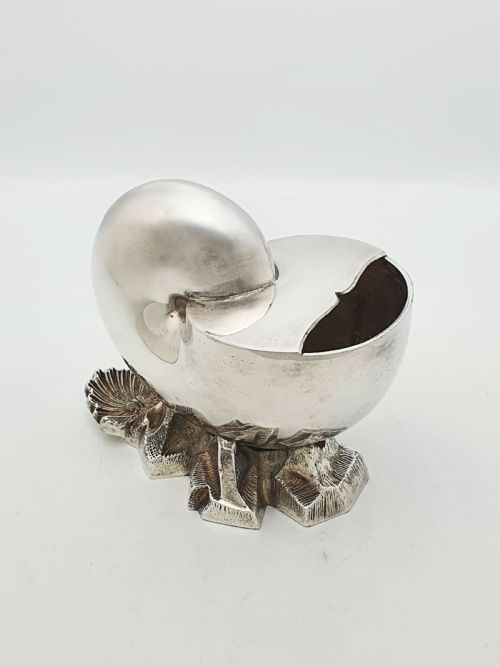
- A base metal coated with a thin layer of silver through electroplating or older techniques. Items like table stands and spoon warmers often utilise this method.
- Jardiniere
- An ornamental pot or stand designed to hold plants or flowers. These decorative vessels sit as centrepieces on large dining tables.
- Comport
- A raised dish or bowl used for serving fruit or sweets at the table. They frequently feature porcelain or glass mounted on metal pedestals.
- Treen
- Small domestic wooden objects made by turning or carving. This category includes revolving stands and egg cup holders.
Late Victorian Table Centrepiece: Frequently Asked Questions
What was a table centrepiece used for?
These objects served as ornamental focal points on dining tables during formal meals. They held fruit, flowers, or supported candles to light the room.
Larger pieces like jardinieres and candelabra occupied the middle of the table, while smaller baskets and bowls passed items among diners.
How do I care for silver centrepieces?
Sterling silver and silver plated items require gentle cleaning with appropriate silver polish to remove tarnish without damaging the surface. Avoid abrasive cloths that scratch soft metals.
Store pieces in dry environments away from direct sunlight to maintain the finish on both the metal and any integrated glass or fabric liners.
Are these pieces made of solid silver?
Many items consist of sterling silver, which carries hallmarks indicating the maker, town, and date of assay. Other pieces use silver plate over a base metal foundation.
Checking the hallmarks or examining the wear points helps distinguish solid silver constructions from plated alternatives.
How do I identify a French revival style?
French revival and rococo revival pieces display flowing asymmetrical curves, scrollwork, and naturalistic motifs like foliage and shells. These designs emulate earlier continental European decorative arts.
Such items often combine gilt bronze with crystal or porcelain, differing from more austere British Victorian designs.