






Late Victorian Silver Spoons
Late victorian silver spoons bring practical utility and nineteenth-century craftsmanship together, offering collectors refined table service implements from the period.
Late Victorian Silver Spoons
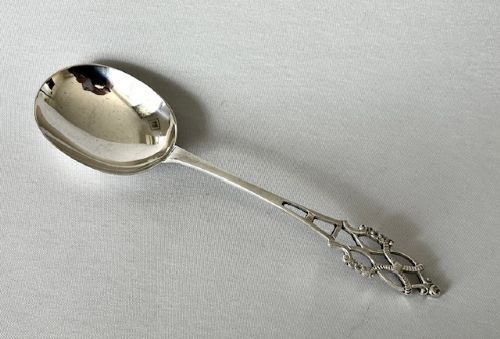
Late victorian silver spoons encompass a variety of table implements from the late nineteenth century, including serving spoons, teaspoons, coffee spoons, and mustard spoons. Many appear alongside related table wares like salt cellars, sugar bowls, and fitted presentation boxes.
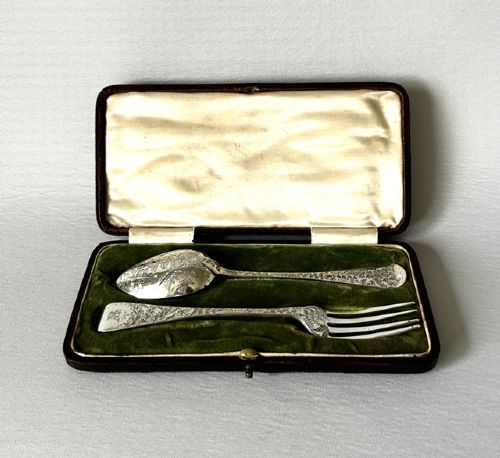
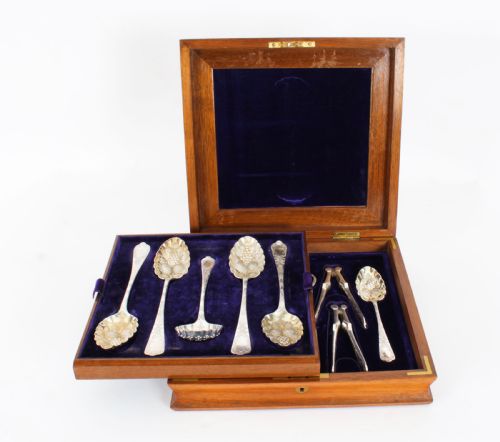
The objects span sterling silver, silver gilt, and silver plate, frequently appearing in matched or unmatched boxed sets intended for gifting or formal dining. Individual serving pieces and smaller condiment spoons also emerge across the selection.
Originating largely from British workshops and assay offices, the pieces reflect Victorian dining habits where specific spoons served precise functions at the table, from jam preserves to fruit and berries.
Materials and Technique
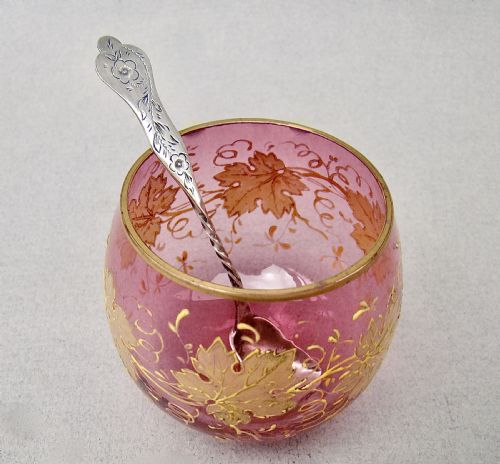
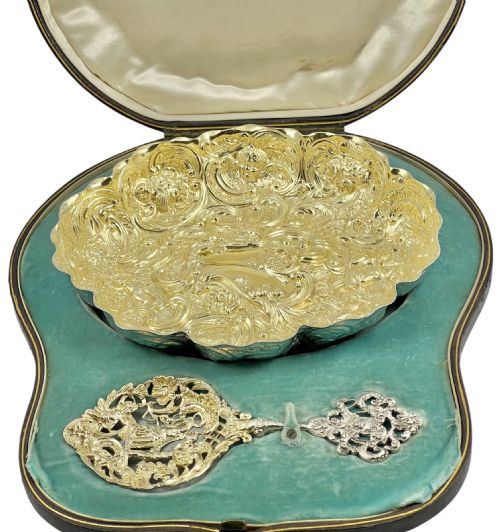
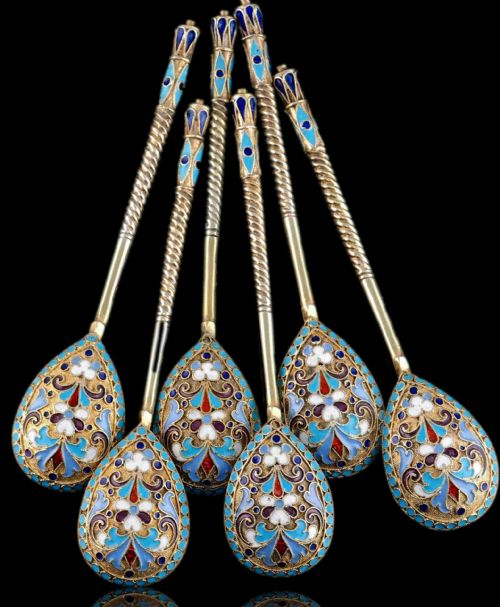
Silversmiths utilised sterling silver and silver plate as the primary base materials, often applying silver gilt to bowl interiors or entire surfaces for decorative contrast. Handle construction incorporated secondary materials such as ivory, horn, velvet, and silk within fitted presentation cases.
Manufacturing techniques combined traditional hand-chasing, engraving, and piercing with industrial plating methods to create ornate patterns like fruit and vine motifs or cherub designs. Workshop methods enabled both solid silver casting and durable electroplating on base metals.
Assessment of Quality
Quality rests upon the crispness of the chasing and engraving on the bowl and handle, where deep, deliberate hand-worked details distinguish finer examples from mass-produced wares. The weight of the metal and the structural integrity of applied gilding also separate superior pieces.
The condition and completeness of original fitted presentation cases, alongside the preservation of interior silk and velvet linings, heavily influence the overall standard of cased sets and boxed serving pieces.
Dmitrii Nikolaevich Nikolaev·Hukin & Heath·John Round
The Late Victorian Silver Spoons Glossary
- Sterling silver
- A silver alloy containing 92.5 percent pure silver and 7.5 percent other metals, typically copper, ensuring durability for tableware. This standard forms the basis for solid silver pieces bearing official assay office hallmarks.
- Silver gilt
- Sterling silver or base metal coated with a thin layer of gold through fire gilding or electroplating. This technique provides a rich gold appearance inside spoon bowls or across entire decorative surfaces.
- Silver plate
- A manufacturing method applying a thin layer of silver over a base metal core such as nickel silver or copper. This process offered consumers an affordable alternative to solid sterling silver during the Victorian era.
- Assay office
- An official body responsible for testing the purity of precious metal items and stamping them with hallmark symbols. British offices record specific town marks, date letters, and maker marks.
- Chasing
- A metalworking technique where a silversmith depresses the surface with punches and hammers to create raised ornamental designs without removing metal. It frequently decorates the handles and bowls of serving spoons.
Late Victorian Silver Spoons: Frequently Asked Questions
What are berry spoons used for?
Berry spoons were designed specifically for serving soft fruits, featuring large bowls decorated with chased fruit and foliage motifs. They gained popularity during the Victorian period for formal dessert courses.
Collectors find them paired in fitted boxes or as individual serving implements within larger flatware collections.
How do I clean antique silver spoons?
Cleaning requires a soft microfiber cloth and a mild, non-abrasive silver polish formulated for antiques. Avoid harsh dips that can strip away desirable patinas or damage delicate gilt surfaces.
Store the pieces in dry environments, ideally within anti-tarnish rolls or original fitted cases lined with velvet or silk.
What is a spoon warmer?
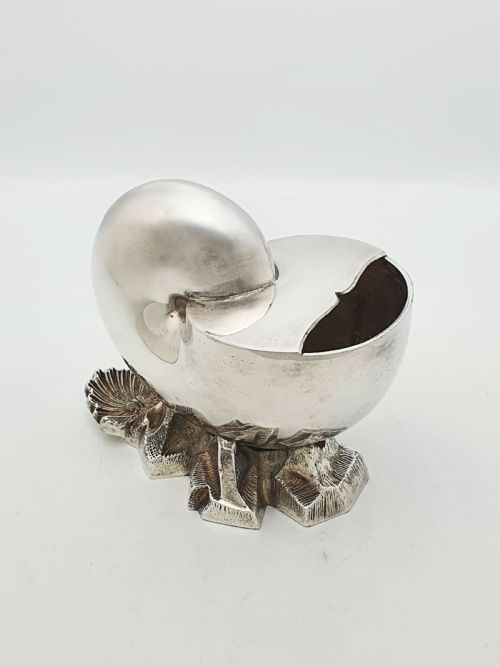
A spoon warmer is a decorative ceramic, glass, or plated metal vessel used in the nineteenth century to hold hot water, warming spoons before serving cold foods like ice cream or butter. They often take imaginative forms such as nautilus shells or sauce boats.
These table accessories match the metal spoon sets and silver plate items of the same period.
How do I date late Victorian silver?
Dating relies primarily on the stamped hallmarks on solid silver pieces, which include assay office marks, standard marks, and specific date letters corresponding to the year of testing. Stylistic cues such as Art Nouveau influence or engraved decorative motifs also help narrow the production period.
Records from silversmiths and registry marks provide further verification for pieces from the late nineteenth century.