





Late Victorian Silver Gilt
Late victorian silver gilt brings a warm, lustrous gold layer over sterling, casting an opulent glow on dressing tables and dining rooms.
Late Victorian Silver Gilt
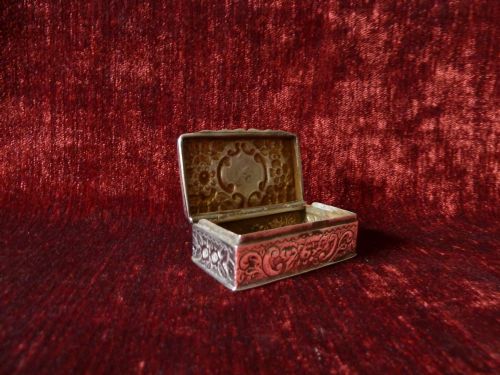
Late victorian silver gilt items encompass a diverse array of functional and decorative objects created during the final decades of the nineteenth century. Buyers searching for late victorian silver gilt frequently encounter small desktop accessories, scent bottles, and table boxes designed for daily use or display. The surviving pieces originate primarily from British workshops, though continental European variants appear alongside domestic output.
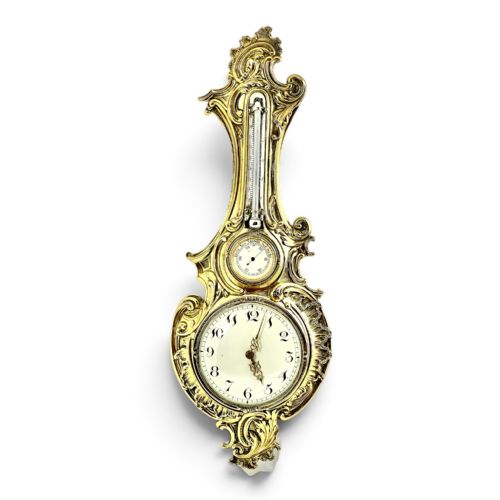
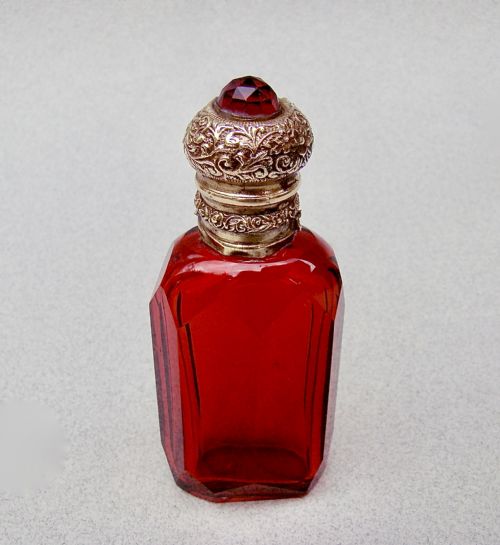
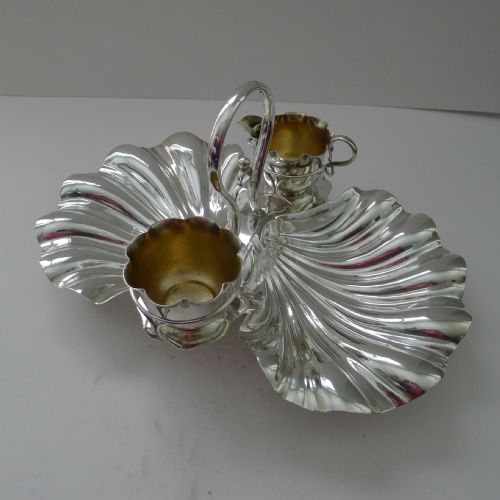
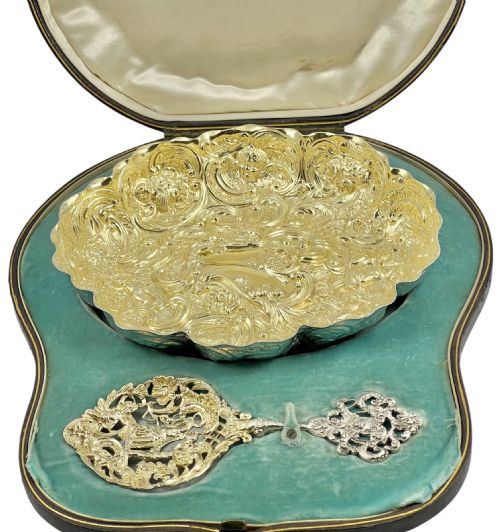
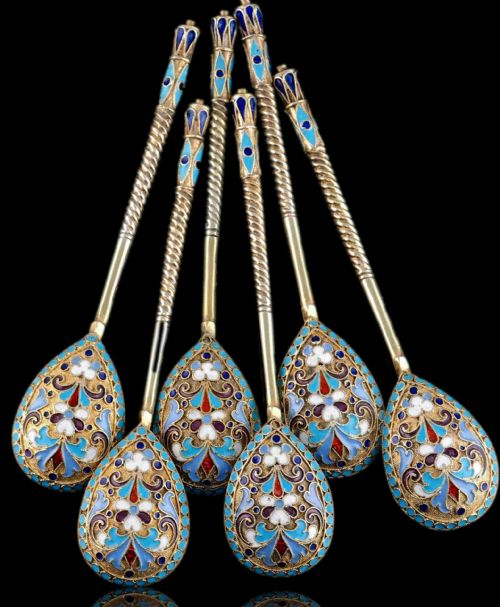
The physical forms span trinket boxes, pill boxes, scent bottles, snuff boxes, and serving spoons, alongside larger domestic items such as bowls and barometers. Many of these pieces integrate sterling silver or silver plate with a rich gold wash applied to the interior or exterior surfaces. Makers employed various decorative idioms, ranging from restrained classical lines to ornate rococo revival flourishes characteristic of the period.
Assay office marks and maker stamps frequently anchor these objects to specific years between eighteen ninety and nineteen hundred. The visual weight of the gold layer combined with solid sterling or plated foundations defines the standard appearance of these nineteenth-century survivals. Collectors evaluate the preservation of the surface gilding against the underlying silver substrate when assessing individual examples.
Materials and Craftsmanship
Silversmiths constructed the primary body of these objects using sterling silver, electroplated nickel silver, or standard silver plate, shaping them through hammering, casting, and spinning. Artisans then applied a layer of gold to the surface, typically using mercury gilding or electroplating techniques to bond the precious metal securely. This application created the distinctive dual-tone contrast between bright silver elements and warm gilt interiors or highlights.
Surface ornamentation involved hand engraving, chasing, and repoussé work, frequently accompanied by applied enamel or inset glass panels. Master craftsmen utilised specialised tools to texture backgrounds, accentuate floral motifs, or define architectural borders on boxes and spoons. The integration of glass inserts, ruby glass, or enamel sections required precise fitting within the metal frameworks.
Listings for late victorian silver gilt frequently incorporate sterling silver, silver plate, and enamel across forms ranging from desk barometers to table snuff boxes.
Distinguishing Quality
The thickness and retention of the original gold wash over the silver base determine a significant portion of the visual appeal. Superior items display an even, rich distribution of the gilt layer, whereas lesser examples show thinning from decades of polishing. The crispness of chased and engraved details further separates standard commercial output from masterwork production.
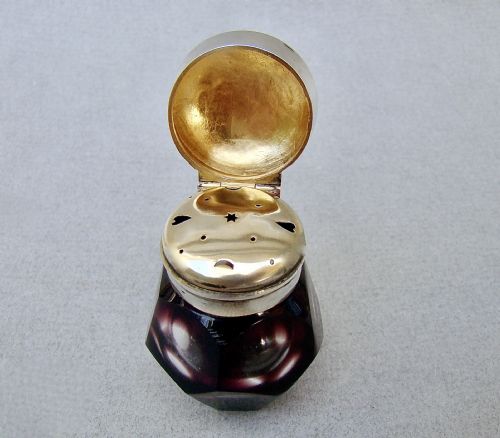
Structural integrity and the precise alignment of hinged lids on boxes, snuff containers, and scent bottles indicate the skill of the original workshop. High-grade pieces maintain smooth mechanical movement in catches and hinges without employing visible repairs or replacement components. Maker marks and clear assay office hallmarks add considerable weight to the evaluation of a piece's origin and standard.
Daniel Arter·Dmitrii Nikolaevich Nikolaev·William Comyns·George Brace
The Late Victorian Silver Gilt Glossary
- Silver gilt
- Sterling silver or another silver base that has been coated with a thin layer of gold, often referred to as vermeil when applied to sterling. This technique protects the underlying silver from tarnishing while providing a rich golden appearance.
- Hallmark
- A series of official marks stamped onto precious metal items to indicate the standard of purity, the assay office, and the year of production. British pieces generally feature a lion passant, a date letter, and town marks.
- Repoussé
- A metalworking technique where the artisan hammers the metal from the reverse side to form a raised design in relief. Details are subsequently refined from the front using chasing tools.
- Cloisonné
- An enamelwork decoration method where thin metal strips are soldered to a metal base to create compartments, which are then filled with coloured glass paste and fired. Surviving items often showcase intricate floral or geometric patterns in vibrant hues.
- Vinaigrette
- A small ornamental box featuring an internal pierced grille, designed to hold a sponge soaked in aromatic vinegar or smelling salts. These portable containers were popular personal accessories during the nineteenth century.
Late Victorian Silver Gilt: Frequently Asked Questions
What is silver gilt?
Silver gilt is solid sterling silver or another silver base that has been coated with a thin layer of gold. This process combines the structural strength of silver with the warm aesthetic of gold.
In many nineteenth-century items, the gilding was applied specifically to interiors, such as bowls and boxes, to protect the metal from corrosive substances like food acids or salts.
How do I clean silver gilt?
Cleaning silver gilt requires extreme caution because aggressive polishing will wear away the thin gold layer. Use only a soft microfiber cloth and avoid abrasive commercial dips or heavy chemical cleaners.
Gentle maintenance preserves the integrity of the surface finish and protects any underlying base metal from showing through prematurely.
Were these items used daily?
Many of these objects served functional roles in wealthy households, from serving food and snuff to holding cosmetics or visiting cards. Tableware and small boxes were regular parts of upper-class domestic routines.
Over time, changing social customs shifted these items from active daily use into display cabinets and collections.
How can I date these pieces?
Dating relies heavily on the presence of official hallmarks, maker stamps, and stylistic indicators. British items feature specific date letters stamped by assay offices that pinpoint the exact year of manufacture.
Stylistic elements, such as the heavy ornamentation of the rococo revival or the integration of enamelwork, provide additional chronological context when hallmarks are absent or worn.