



Late Victorian Scuttle
A late victorian scuttle brings warmth and character to a fireside, combining practical fuel storage with fine metalwork or timber craftsmanship.
Late Victorian Scuttle
When you search for a late victorian scuttle, you are looking at fireside storage designed to hold coal, logs, or kindling neatly beside the hearth. These pieces date predominantly from the late nineteenth century, spanning the Victorian era through to the rise of Arts and Crafts and Art Nouveau aesthetics.
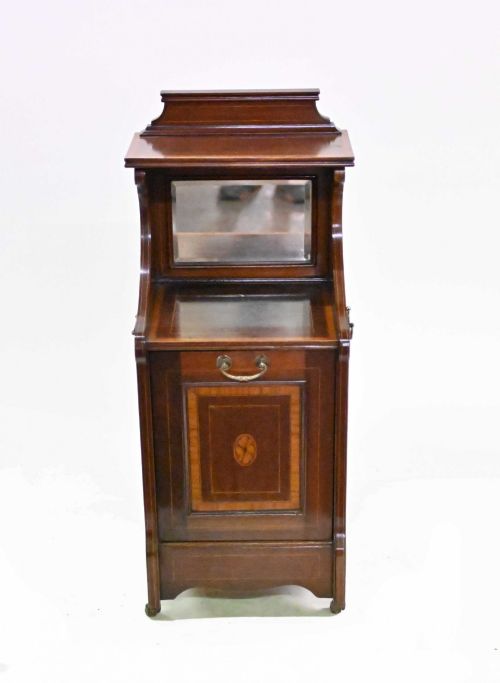
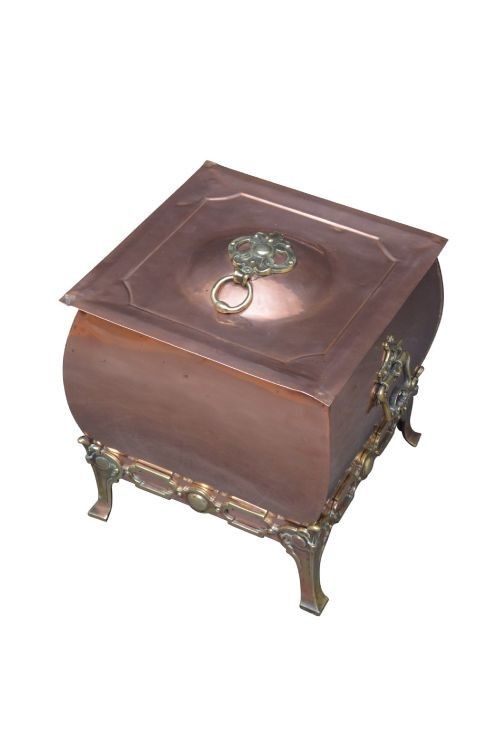
The versions you are most likely to meet on this page include copper and brass coal buckets, oak drop-front cabinets known as purdoniums, and traditional brass coal helmets. They range from simple utilitarian metal bins to decorative items reflecting specific stylistic movements like Liberty or Victorian Gothic.
Originating mostly from British workshops, these hearth accessories served a vital domestic purpose in coal-heated rooms. Today they function equally well as practical fuel containers or as characterful planters and decorative containers in period and modern interiors.
How they were made
Makers utilised durable metals such as brass and copper for bucket and helmet forms, often shaping them through hand-beaming, spinning, or joining with visible rivets. These metallic finishes catch the light of the hearth and provide a robust container for heavy coal.
Timber examples rely on solid oak, pollard oak, satinwood, or mahogany, frequently featuring carved panels or drop-front mechanisms to conceal an internal metal liner. The combination of sturdy wood and fitted metal linings kept fuel contained while complementing parlour furniture.
Late Victorian Scuttle Retail Price Guide 2026
Typical asking prices for late victorian scuttle among the pieces listed under this phrase on Sellingantiques today, from the lower quarter to the upper quarter. They describe what is for sale here now, not the wider market.
The inventory bridges traditional Victorian utility with the later design influences of the Arts and Crafts movement and Art Nouveau.
What varies in quality
Quality rests in the substance of the materials and the crispness of the hand-finishing, distinguishing everyday utility items from pieces designed for a refined Victorian parlour. Heavier gauge copper and brass maintain their structural integrity better over time.
The refinement of the joinery and decorative detailing sets apart the standard production from more ambitious workshop pieces. Hand-beaten detailing, substantial brass swing handles, and well-fitted internal liners indicate a higher standard of original manufacture.
The Late Victorian Scuttle Glossary
- Purdonium
- A dedicated coal cabinet, typically featuring a drop-front door that reveals a metal-lined interior for holding fuel. These enclosed boxes kept coal dust away from the hearth rug.
- Coal Helmet
- A distinctively shaped metal scuttle with a flared rim and a raised back, resembling an upturned classical helmet. They usually have a fixed overhead handle and a smaller handle at the rear for tipping.
- Arts and Crafts
- A design movement valuing handcraftsmanship, simple forms, and natural materials over mass production. Copper buckets from this period often display honest construction with visible rivets and hand-beaten surfaces.
- Pollard Oak
- Timber taken from trees that have been pollarded, resulting in a dense wood with highly decorative, clustered growth rings. It was often selected for high-status fireside furniture.
Late Victorian Scuttle: Frequently Asked Questions
What is a purdonium?
A purdonium is an enclosed wooden cabinet designed to store coal neatly beside the fireplace. It usually includes a drop-front mechanism and a removable metal liner.
These pieces allowed households to keep fuel close at hand without exposing messy coal to the room.
How do I clean copper and brass?
Copper and brass fireside items can be dusted regularly with a soft cloth to prevent the accumulation of soot and grime. Many collectors prefer to leave an aged patina rather than polishing the metal to a bright shine.
Avoid abrasive cleaners that can strip the historic surface character from the metal.
Can I use these for logs?
Many of the larger copper buckets, bins, and open scuttles suit log and kindling storage perfectly. Enclosed purdoniums are generally better suited to smaller coal or briquettes due to their internal dimensions.
Check the inner liner to ensure it is clean and dry before loading logs.
How do I spot Arts and Crafts style?
Arts and Crafts pieces emphasise honest materials and handmade qualities rather than ornate factory decoration. Look for hand-beaten copper textures, visible rivets, and simple, sturdy forms.
These items often reflect a focus on utility combined with thoughtful design.