





Late Victorian Porcelain Figure
A late victorian porcelain figure brings cabinet-scale sculpture into the home, shaped by the revival styles and international tastes of the late nineteenth century.
Late Victorian Porcelain Figure
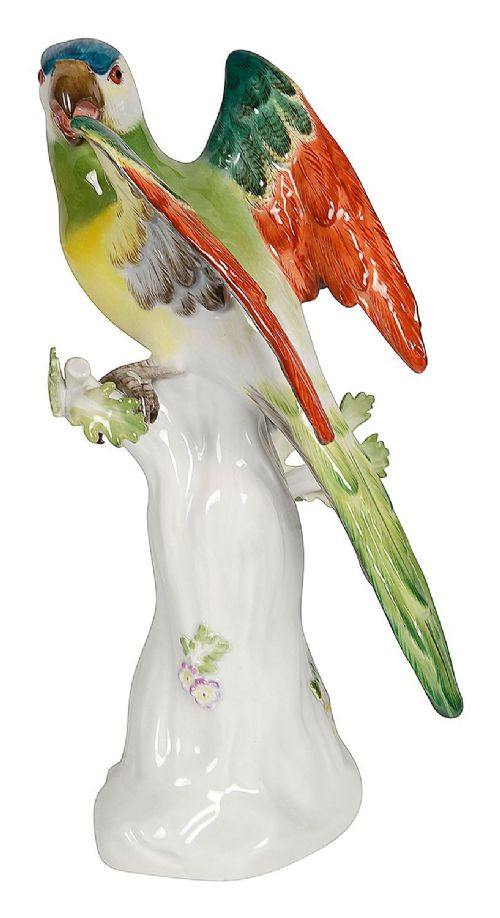
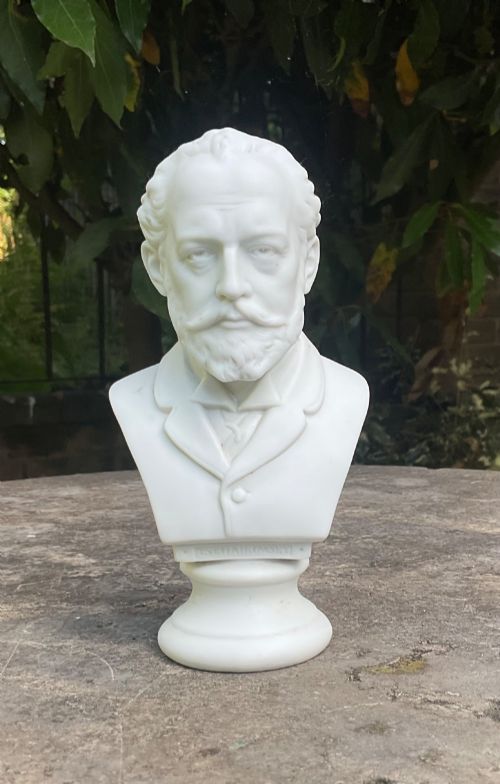
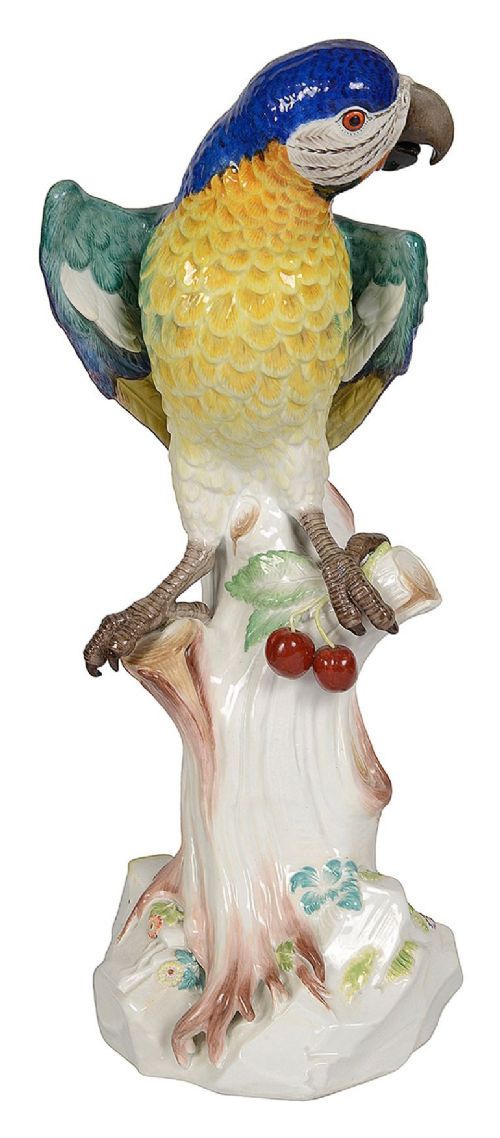
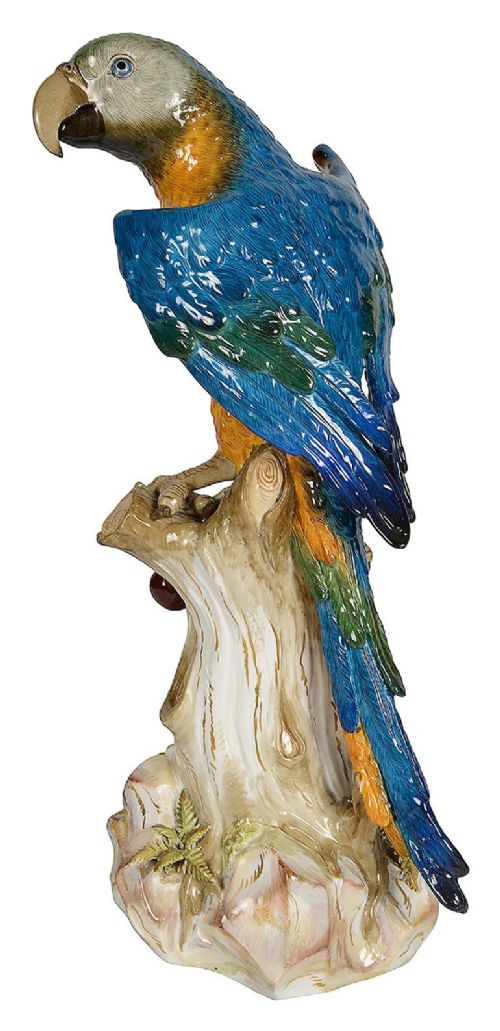
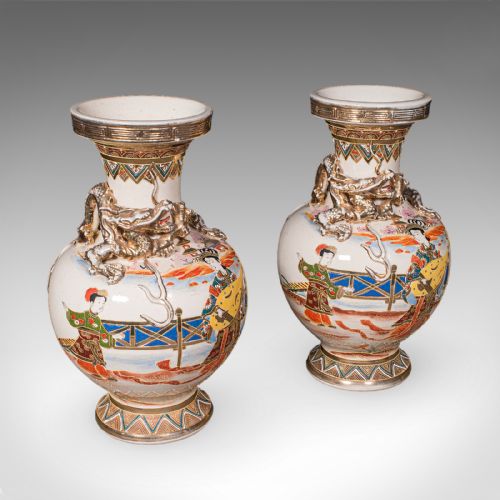
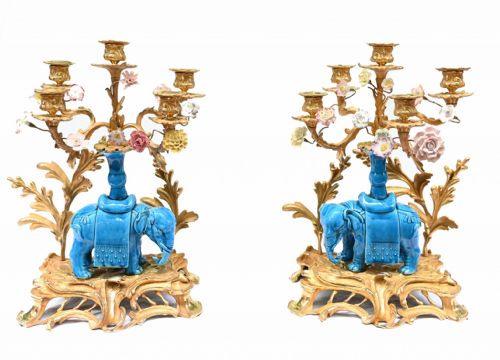
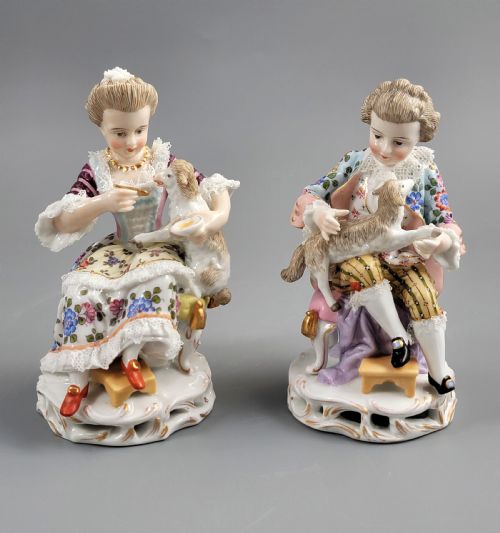
A late victorian porcelain figure encompasses decorative figurines, portrait busts, allegorical studies, and figural candelabras produced during the final decades of the nineteenth century. These objects draw on historical styles ranging from neoclassical and rococo revival to Victorian orientalism and Japanese Meiji aesthetics. Buyers encounter works depicting classical subjects, animals such as parrots, children, and ethnographic figures.
The materials span standard glazed porcelain, bisque porcelain, and parian ware, frequently enhanced with enamel, gold leaf, and gilding. Major European manufactories and studios dominate the selection, alongside Japanese ceramic imports documented within the period. Forms include single figures, symmetrical pairs, and functional vessels incorporating sculptural figures.
How they were made
Makers utilised slip casting and mould pressing to shape fine porcelain and parian bodies, capturing intricate details in drapery, hair, and facial expressions. Bisque porcelain remained unglazed to emulate the matte texture of carved marble, whereas other pieces received glossy transparent glazes before secondary firing.
Decoration relied on hand-painting with enamel colours and the application of gold leaf or gilding to highlight garments, bases, and architectural elements. Specialised bodies such as blush ivory and biscuit porcelain required precise kiln temperatures to achieve their distinct surface finishes.
Parrots in Victorian porcelain often gaze sideways, perhaps judging the cleanliness of the drawing room.
What varies in quality
The reputation of the manufactory and the fidelity of the model to academic sculpture or established ceramic traditions govern desirability. Finer parian studies and large-scale animal figures demonstrate greater technical control during the high-temperature firing process.
Meissen·Volkstedt·Sitzendorf·Hadley Worcester·Royal Worcester·Triebner Ens And Co·Vion Et Baury
The Late Victorian Porcelain Figure Glossary
- Bisque porcelain
- Unvarnished, matte white porcelain fired once to create a fine-grained biscuit texture resembling marble. It became widely used for classical figures and portrait busts during the nineteenth century.
- Parian ware
- A fine-grained unglazed porcelain developed to imitate marble, named after Parian marble from the Greek island of Paros. It allows for high detail in sculptural figures and portrait busts.
- Gilding
- The application of gold leaf or powdered gold to ceramic surfaces, used to accent robes, bases, and decorative trim. It undergoes a final kiln firing to bond with the glaze.
- Rococo revival
- A nineteenth-century design movement inspired by French eighteenth-century art, characterised by asymmetrical scrollwork, naturalistic curves, and ornate floral motifs. It frequently appears on decorative candlesticks and figurine bases.
Late Victorian Porcelain Figure: Frequently Asked Questions
What periods do these figures date from?
The listings span the late nineteenth century, predominantly covering the 1880s and 1890s within the broader Victorian era. Certain pieces connect directly to historical revival movements of the nineteenth century.
Production dates rely on factory ciphers, impressed registry marks, and stylistic indicators recorded by European and international potteries active during this period.
How do I clean antique porcelain?
Dust figures gently with a soft, dry brush to prevent accumulation in crevices and intricate modelled details. Avoid abrasive cleaners or soaking, which can damage delicate enamel decoration and gold leaf.
Unglazed bisque and parian surfaces require particular care, as moisture can penetrate the porous ceramic body and cause staining.
How are parian and porcelain different?
Porcelain is fired at high temperatures with a vitreous body and typically finished with a glossy transparent glaze. Parian ware uses a higher proportion of feldspar to create an unglazed, matte surface that mimics carved marble.
Both materials were utilised by Victorian factories, though parian was favoured for classical studies and portrait busts.