



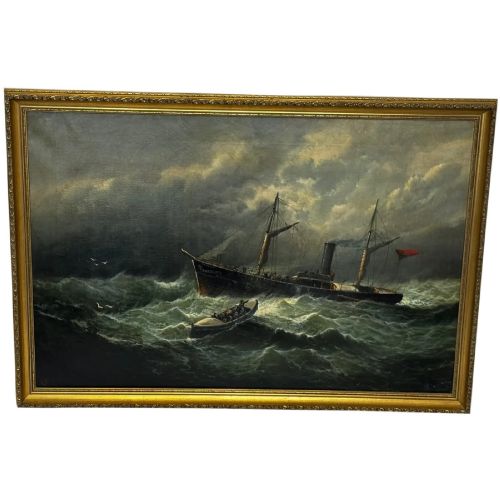
Late Victorian Painting
Late victorian painting captures the visual culture of the closing decades of the nineteenth century through landscapes, portraits and coastal scenes.
Late Victorian Painting
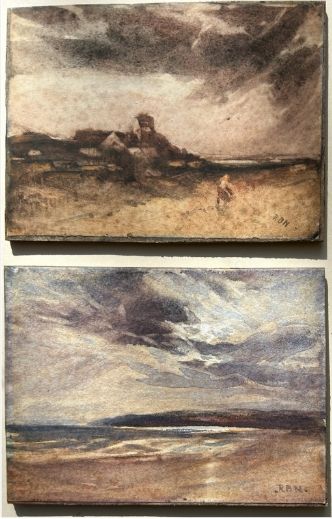
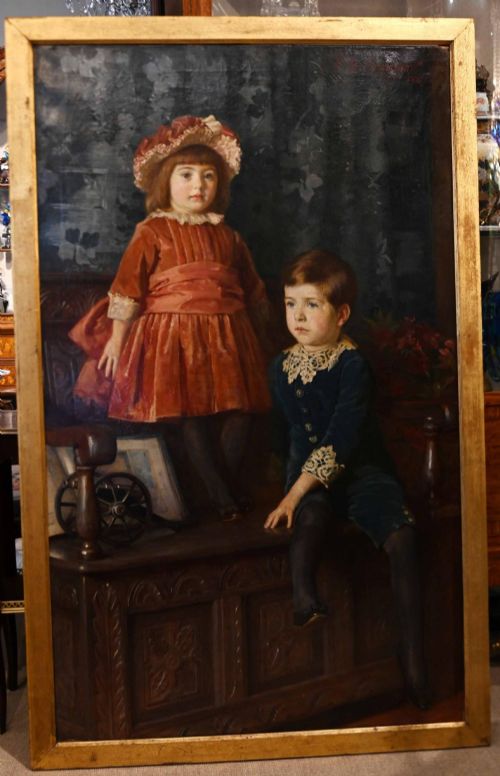
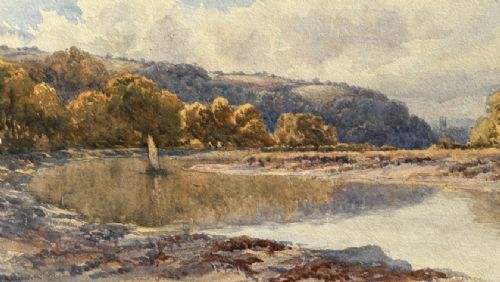
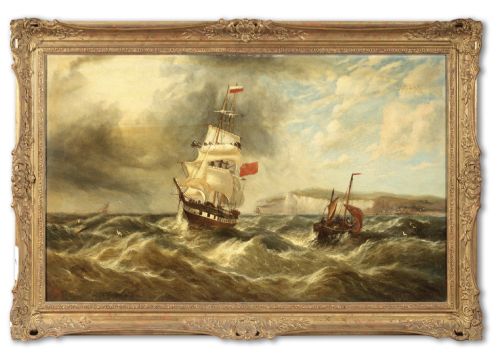
A late victorian painting reflects the artistic output of Britain and Europe during the final decades of the nineteenth century. Buyers searching this phrase encounter framed oils on canvas, delicate watercolours on paper and pastel works depicting everyday life, topography and maritime subjects.
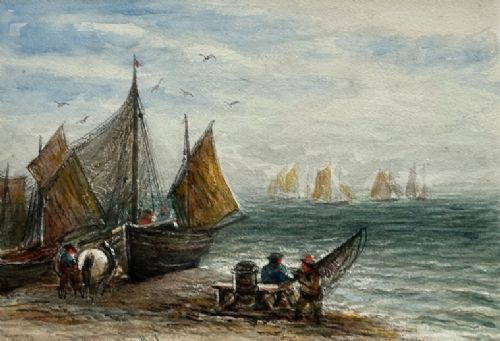
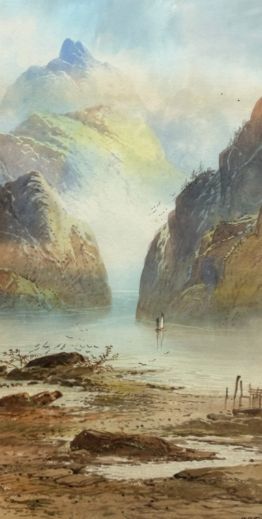
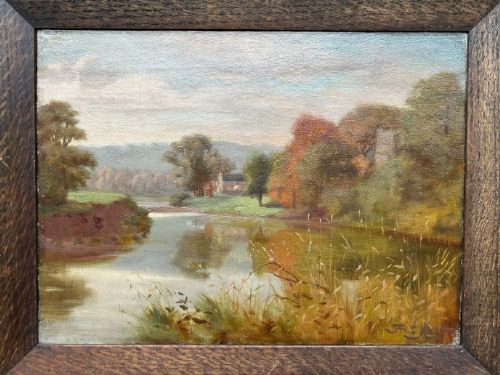
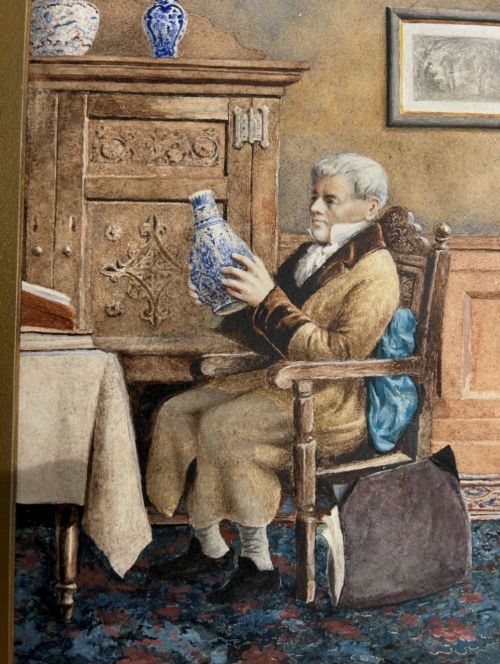
The selection on this page leans heavily towards original landscapes, coastal views of harbours and rivers, and character portraits produced in the closing years of the Victorian era. These works frequently arrive signed by period artists, framed in giltwood and dated to the late nineteenth century.
Materials and methods
Artists of the period painted primarily with oil on canvas or applied watercolour pigments to paper, occasionally utilising wood panels or salvaged canvas. Canvases received priming layers before the application of pigments, while watercolours relied on absorbent paper surfaces to hold washes of colour.
Framing typically involved carved or moulded giltwood surrounds that protected the edges of the canvas and complemented the tonal palette of the artwork. Signatures often appeared in paint or graphite in the lower corners of the composition, applied by the hand of the artist upon completion.
Surviving works utilise canvas, paper and wood panel supports housed within traditional giltwood frames.
Judging quality in the medium
Quality rests in the handling of light, brushwork confidence and the structural integrity of the support material. A superior canvas exhibits assured application of oil pigment with deliberate tonal shifts, whereas lesser examples display flat areas of colour and hesitant lines.
The fidelity of the framing and the preservation of the paper or canvas surface also dictate the standing of a piece. Works retaining their original giltwood frames and legible artist signatures command stronger interest than uncredited paintings mounted in modern replacements.
James Orrock·William Henry Earp·Alfred Young Nutt·Frederick Marriott·Henry Stacy Marks·William Banks Fortescue·John Rose Miles·Thomas W Lascelles·William Broome·Sir John Gilbert·Henrietta Rae·Herbert Gustave Schmaltz·Alice Euphemia Thatcher·John A Monteith·John Sowden·Clarence Roe·G E Boyes·Walter Emsley·S Colman·Robert Watson
The Late Victorian Painting Glossary
- Watercolour painting
- A work created using water-soluble pigments suspended in a solution on paper. These pieces require mounting behind glass to protect the delicate surface from moisture.
- Giltwood
- Wood carved and coated with a thin layer of gold leaf or metallic paint. It serves as the primary material for traditional picture frames of the period.
- Canvas
- A heavy woven fabric stretched across a wooden frame to act as a stable support for oil paints. It remains the dominant medium for nineteenth-century easel painting.
- Aesthetic movement
- An artistic style of the late nineteenth century emphasising visual beauty over narrative or moral themes. Works from this movement often incorporate decorative motifs and stylised natural forms.
Late Victorian Painting: Frequently Asked Questions
How do I hang a heavy oil painting?
Heavy framed works require secure wall anchors or placement directly into timber studs to support the weight of the canvas and giltwood frame safely.
Position the wire or brackets evenly to distribute the load and keep the piece level against the wall surface.
Where should I display watercolours?
Watercolour paintings need placement away from direct sunlight to prevent the paper support and pigments from fading over time.
Keep them in rooms with stable humidity levels to protect both the paper and the surrounding protective glass mount.
How do I clean an antique frame?
Dust giltwood frames gently with a soft, dry brush to remove accumulated particles without disturbing the delicate gold leaf finish.
Avoid using liquid cleaners or abrasive cloths that can strip the metallic surface or damage the carved wooden details.
How do I identify the date of a painting?
Examine the corners of the composition for artist signatures, dates or inscriptions left in paint or graphite by the creator.
Check the reverse of the canvas, wooden stretcher bars or paper backing for period gallery labels, stamps or handwritten notes.