





Colonial Indian Art
Colonial Indian art brings together intricate craftsmanship and historic narrative, offering striking painted horses, detailed watercolours and carved figures that collectors prize.
Colonial Indian Art
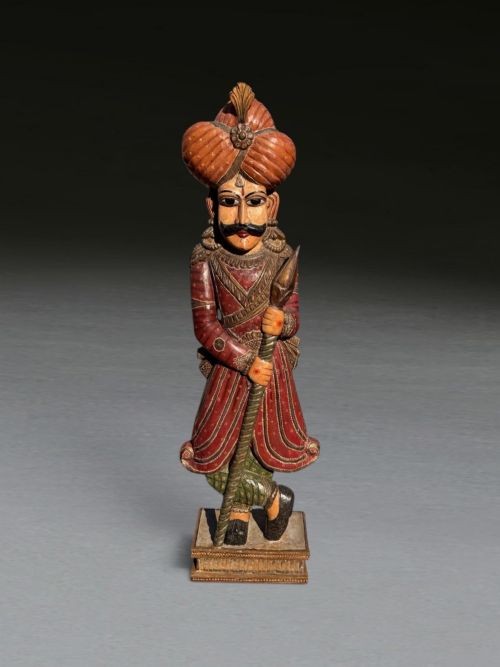
Colonial Indian art encompasses a diverse array of objects created during the nineteenth and early twentieth centuries, reflecting both traditional Indian motifs and British colonial influence. Collectors encounter everything from watercolour paintings of temples and gardens to carved hardwood wall panels and figural sculptures.
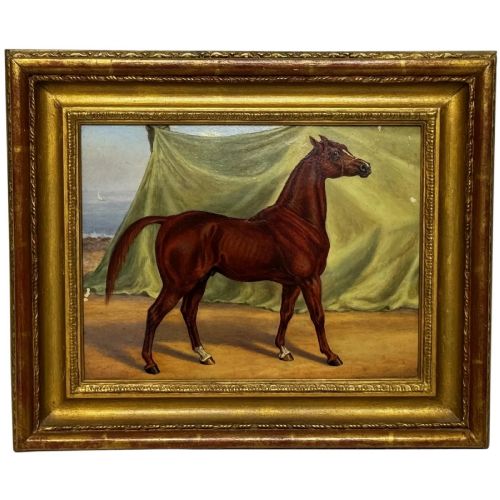
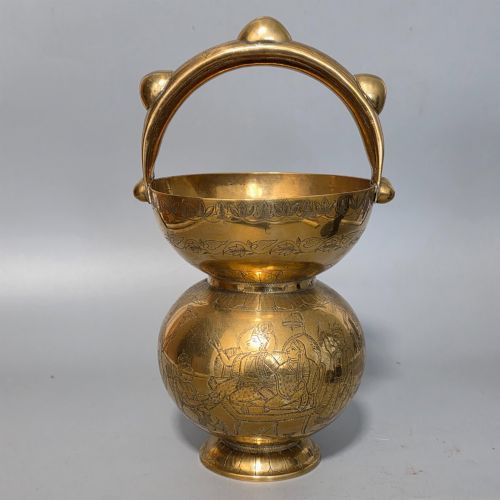
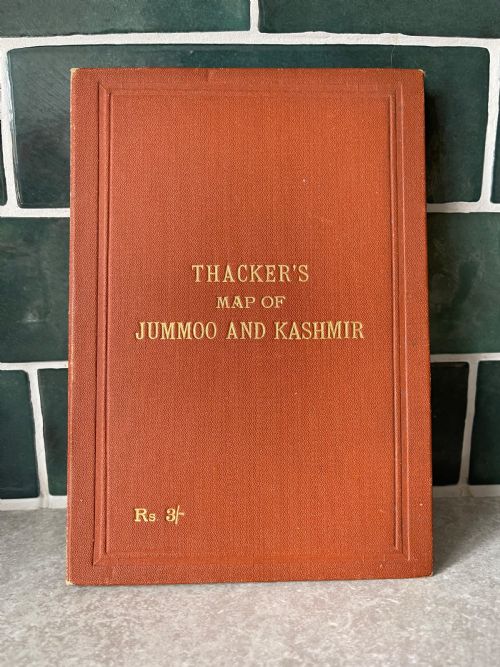
The selection frequently includes Anglo-Indian furniture such as teak cane seat armchairs, alongside decorative vessels and specialised items like brass water carriers. Paintings range from oil depictions of Arabian horses to detailed maps and quill work pictures.
Originating from various periods including the Victorian, Edwardian, and Art Deco eras, these works showcase the cross-cultural artistic exchange of the time. Buyers often find pieces originating from specific regions like Kashmir and Rajasthan, highlighting local artistic traditions.
How they were made
Makers utilised native materials such as teak, hardwood, and rosewood, often employing deep relief carving techniques to create dimensional wall panels and figurative sculptures. Coconut shell and specialist specimen woods also feature in the construction of decorative items and small objects.
Works on paper rely on watercolour and pigment, executed in wash techniques to capture architectural elements, landscapes, and religious subjects. Brass and other metals are shaped into vessels and ritual items, demonstrating accomplished casting and finishing methods.
Current listings feature watercolours, carved wood sculptures, brass vessels, and furniture from the Victorian and Edwardian periods.
What varies in quality
The standard of carving determines much of the distinction in three-dimensional pieces, where depth, sharpness of detail, and anatomical accuracy set finer figures and panels apart. Smoother execution and well-balanced proportions elevate works like carved deities and soldiers.
In painted works and watercolours, the competency of the brushwork and the preservation of pigment dictate the visual strength of the piece. Detail in architectural renderings and natural foliage separates casually produced items from accomplished artistic creations.
The Colonial Indian Art Glossary
- Anglo-Indian
- A style describing objects and furniture made in India during the British colonial period, often combining British forms with traditional Indian decorative motifs.
- Quill work
- A technique utilising stripped bird quills applied to surfaces to create textured, decorative pictures or patterns.
- Wash technique
- A method in watercolour painting where diluted pigment is applied smoothly to create translucent fields of colour and light.
- Kamandal
- A traditional water vessel typically carried by Hindu ascetics or holy figures, often formed in brass with a spherical body and handle.
Colonial Indian Art: Frequently Asked Questions
What periods do these pieces span?
The items generally date from the nineteenth century through to the early twentieth century, encompassing Victorian, Edwardian, and Art Deco periods.
Such dating reflects the height of the British colonial era in India and the distinct artistic styles that emerged during those decades.
How do I identify Anglo-Indian furniture?
Anglo-Indian furniture often combines European furniture forms with intricate Indian carving styles and native timbers such as teak and rosewood.
Pieces like cane seat armchairs demonstrate this synthesis of functional British design and local craftsmanship.
Are the carved figures religious?
Some carved figures represent deities and religious iconography, such as the goddess Parvati holding her son Ganesha.
Other sculptures depict soldiers, animals, and secular subjects created for both local use and the colonial market.
What materials are most common?
Wood is predominant, including hardwoods, teak, rosewood, and specimen woods utilised for furniture and relief panels.
Papers with watercolour and pigment, brass vessels, and carved coconut shells also appear regularly.