

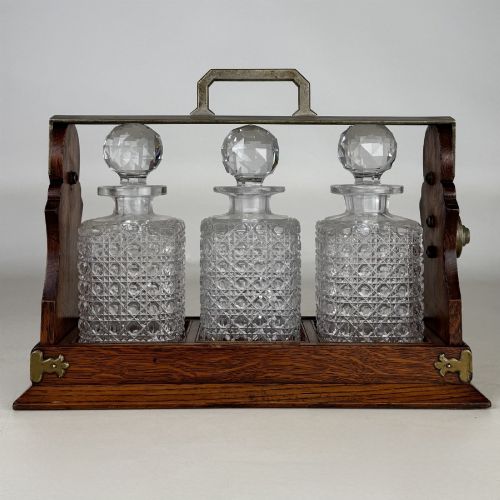
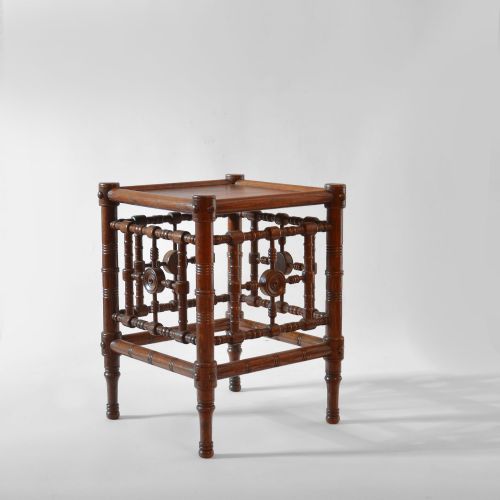
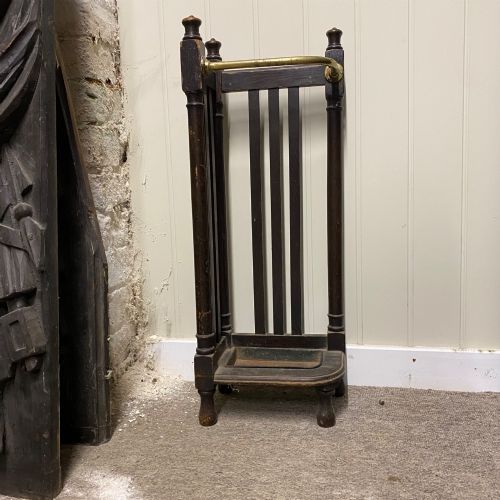
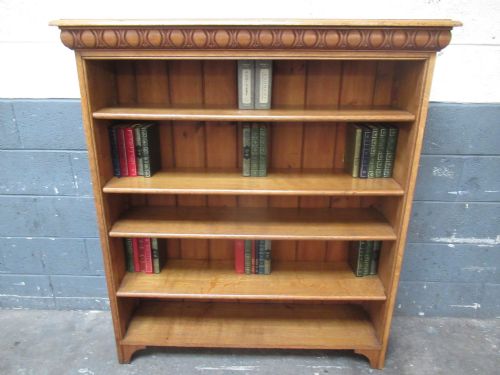
Late Victorian Oak Stand
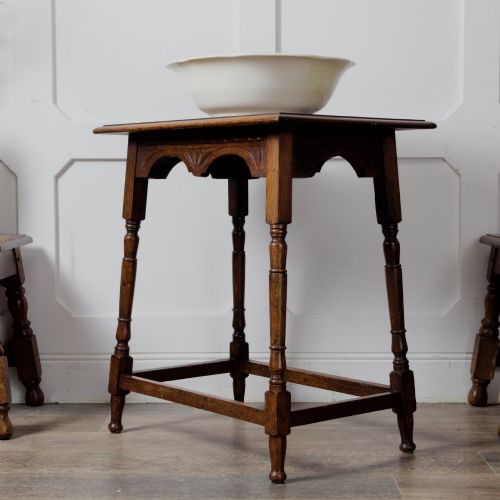
A late victorian oak stand brings sturdy utility and rich regional character into an interior.
Late Victorian Oak Stand
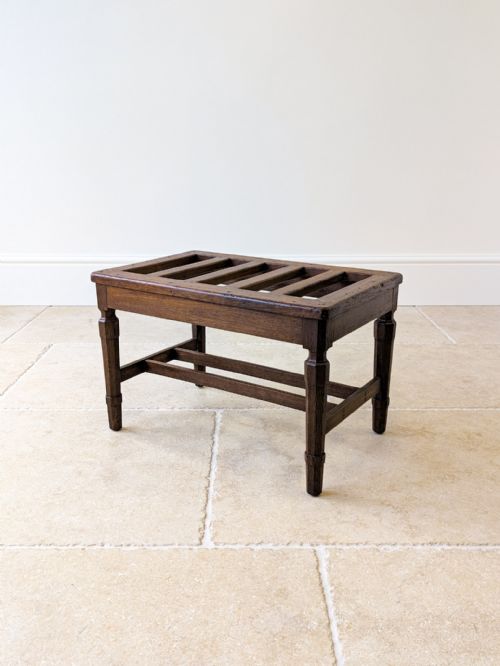
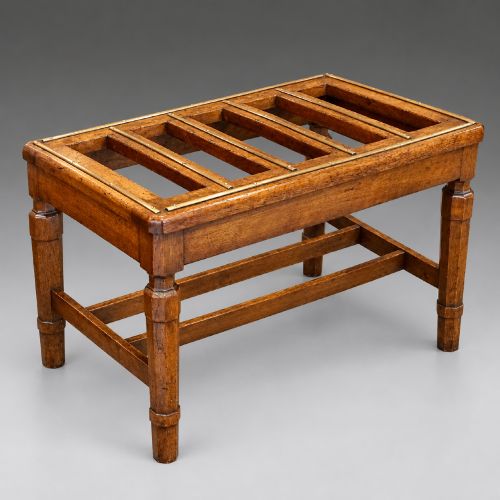
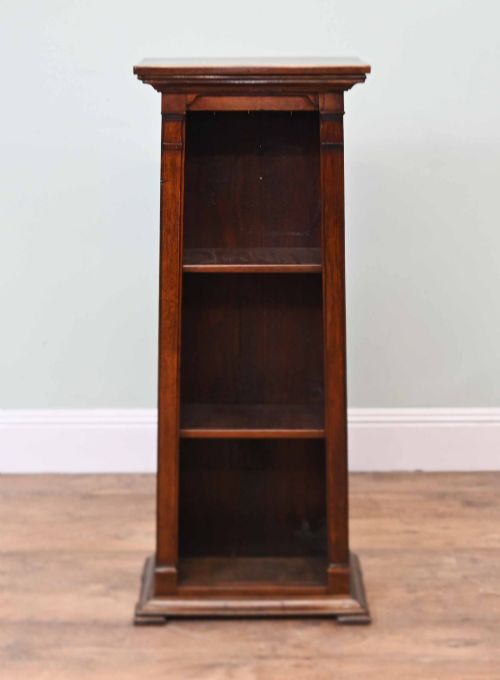
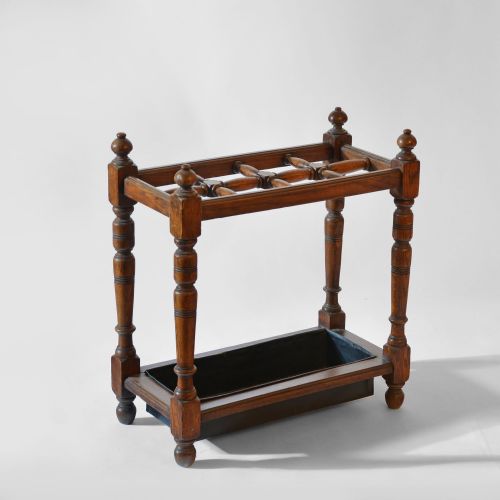
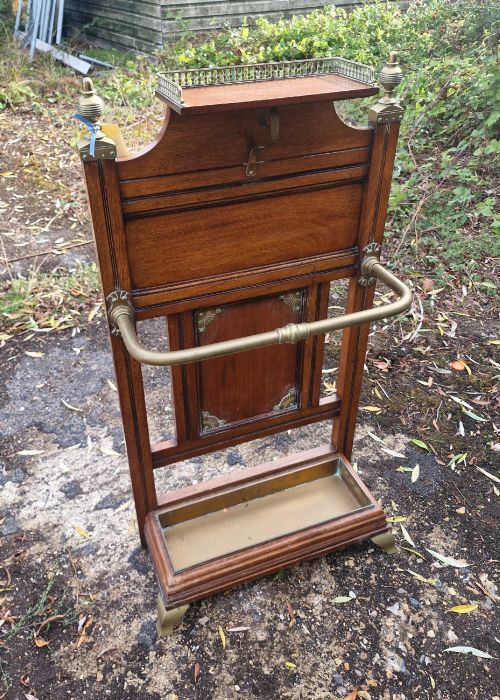
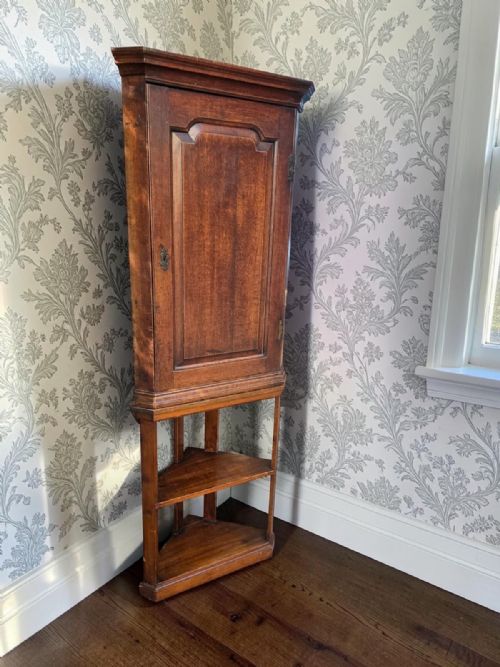
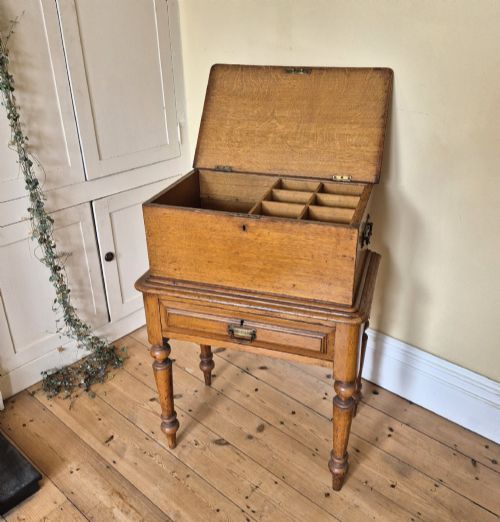
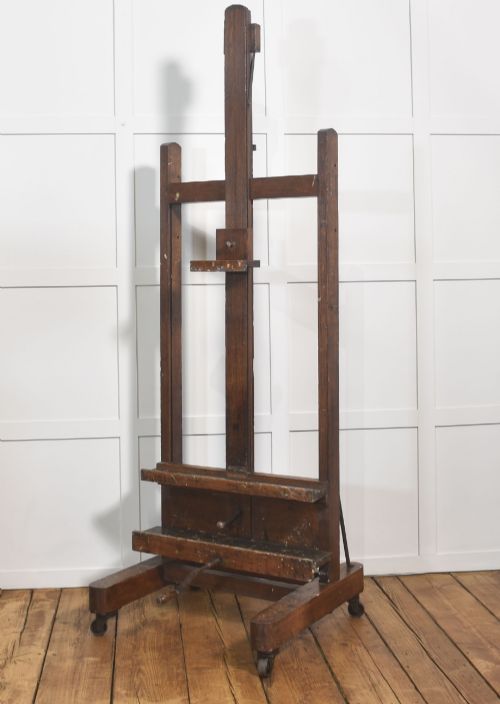
A late victorian oak stand covers a diverse group of practical furnishings intended for hallways, studies, and reception rooms during the closing decades of the nineteenth century. These pieces range from narrow umbrella and stick holders to occasional tables, bookcases on stands, and substantial hall furniture.
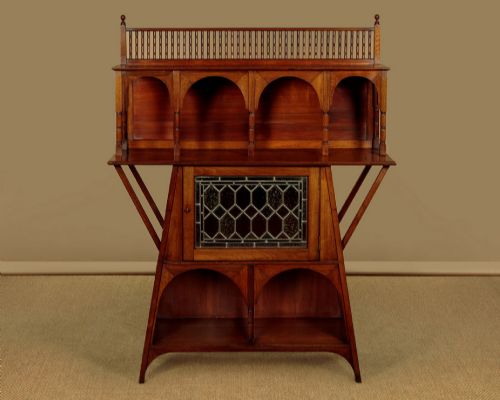
The objects frequently display stylistic influences from the Arts and Crafts movement, the Aesthetic style, and various revivals including Jacobean and Gothic traditions. Buyers meet items fashioned for specific domestic and institutional functions, reflecting the period's taste for heavy timber and utilitarian design.
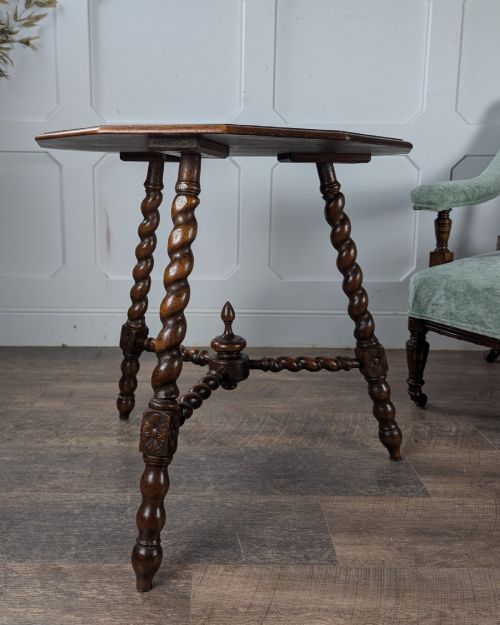
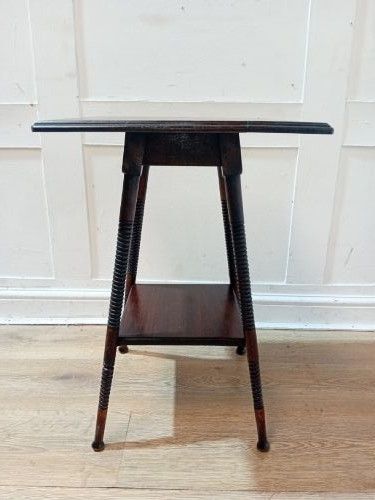
Solid oak and dark oak dominate the construction, often enhanced with brass mounts, glass inserts, or bronze details. The physical forms vary from simple rustic pedestals to elaborately carved pieces featuring Greenman motifs or barley twist supports.
Materials and construction methods
Makers utilised solid oak and stained hardwood as the primary structural timbers, taking advantage of the wood's durability and pronounced grain. Surfaces frequently received deep carving, showcasing regional cabinet-making techniques from the late nineteenth century.
Metal components such as brass, bronze, and silver plate appear as functional and decorative elements, including umbrella drip pans, hinges, handles, and mounts. These metallic additions contrast against the dark timber surfaces typical of the period.
Joinery techniques relied on traditional framing and panel construction to support heavy loads, particularly in items designed for holding walking sticks, books, or luggage. Structural stability remained paramount for pieces subjected to daily domestic use.
Late Victorian Oak Stand Retail Price Guide 2026
Typical asking prices for late victorian oak stand among the pieces listed under this phrase on Sellingantiques today, from the lower quarter to the upper quarter. They describe what is for sale here now, not the wider market.
A railway ticket dispensing box on a stand shares space with stern hall furniture and cheerful German beer emblems.
Factors separating standards of craftsmanship
The depth and execution of hand-carving distinguish standard production items from superior workshop pieces. Crisp detailing in motifs such as the Greenman or floral panels reveals the skill level of the original artisan.
The selection of timber grain and the integration of secondary materials like quality brass hardware indicate the original cost and ambition of the piece. Well-chosen solid oak with careful finishing maintains its structural integrity and visual depth over time.
Coherence of design within specific movements, such as Arts and Crafts simplicity or deliberate revival detailing, separates mass-produced utility items from considered artistic commissions.
William Birch·Liberty and Co·Leonard Wyburd·Simpsons of Kendall·Gillows
The Late Victorian Oak Stand Glossary
- Barley twist
- A turned wooden furniture leg or support resembling a spiralling rope. This decorative carving style appears frequently on late nineteenth-century tables and stands.
- Greenman
- A sculptural architectural ornament depicting a human face entwined with foliage and vines. It symbolises rebirth and is often found carved into oak hall stands.
- Arts and Crafts
- A design movement promoting hand craftsmanship, simple forms, and traditional building methods. This aesthetic rejected mass production in favour of visible structural honesty.
- Tantalus
- A locking wooden frame holding decanters to prevent unauthorized access to the contents. They are commonly fitted with brass hardware and housed on stands or trays.
- Aesthetic Movement
- A late nineteenth-century design philosophy prioritising visual beauty over narrative or moral function. Pieces from this movement often emphasise clean lines and Japanese-inspired simplicity.
Late Victorian Oak Stand: Frequently Asked Questions
What rooms suit a late victorian oak stand?
These furnishings fit naturally into hallways, entrance lobbies, and studies where practical surface space or umbrella storage is required. Their robust timber construction anchors a room.
Smaller occasional tables and pedestals also serve living spaces as display surfaces for lamps or decorative objects. Their dark wood tones complement traditional interiors.
How do I care for solid oak furniture?
Keep wooden surfaces away from direct heat sources and strong sunlight to prevent the timber from drying out or splitting. Dust regularly with a dry cloth.
Apply a traditional beeswax polish occasionally to nourish the grain and maintain the deep sheen of the dark oak. Avoid using silicone-based sprays.
Are these stands suitable for daily use?
Most pieces were built for rigorous domestic or institutional environments using solid oak and sturdy joinery. Umbrella stands and hall furniture handle everyday outerwear easily.
Lighter occasional tables and decorative stands require normal household care but provide reliable function. Their original purpose dictates their current capacity.