




Oak Trunk on Stand
These oak trunk on stand pieces combine practical timber storage with elevated height, offering sturdy construction and period character.
Oak Trunk on Stand
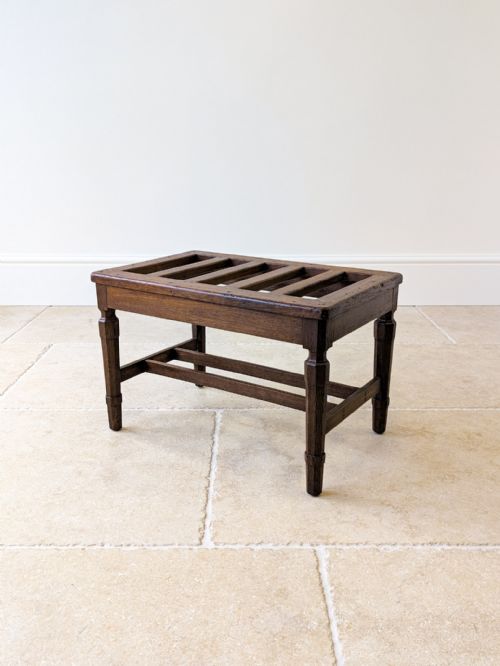
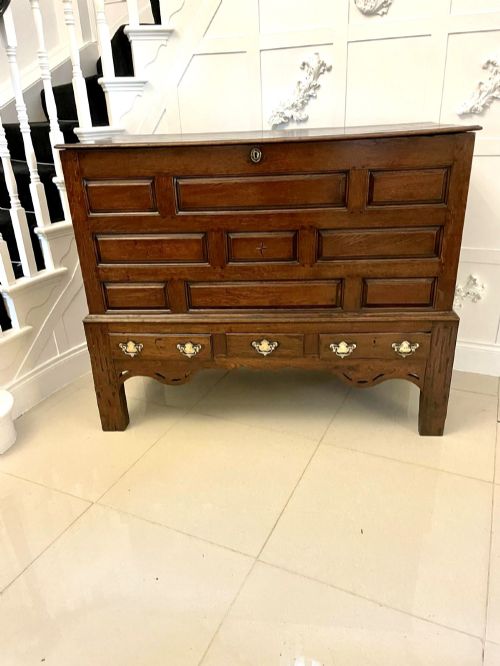
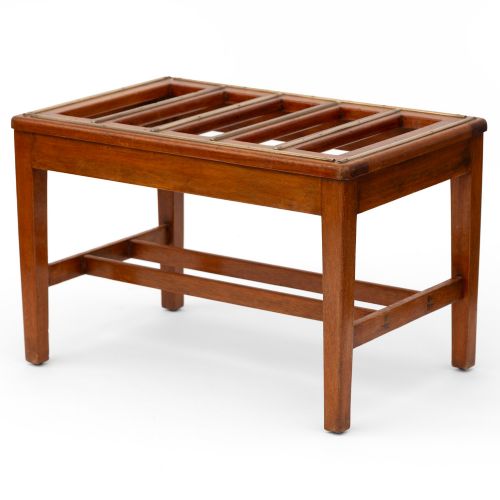
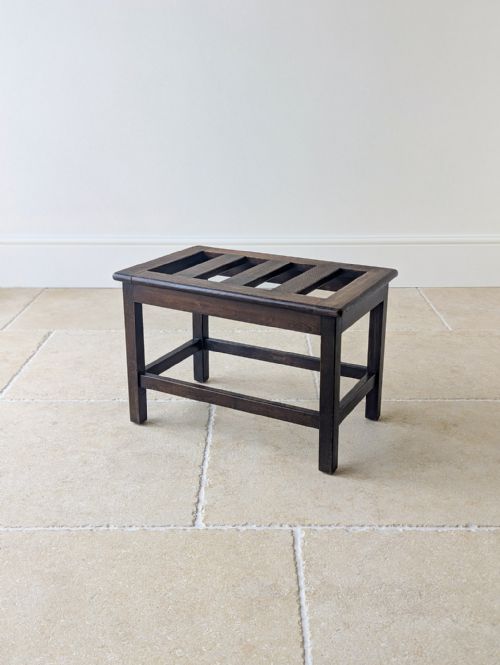
When you search for an oak trunk on stand, you are looking at substantial lidded chests and luggage pieces raised on dedicated legs or low tables. The evidence shows these forms spanning from the mid-eighteenth century through the Edwardian era and into the early twentieth century. They merge the deep capacity of a coffer or silver chest with the accessible elevation of a stand.
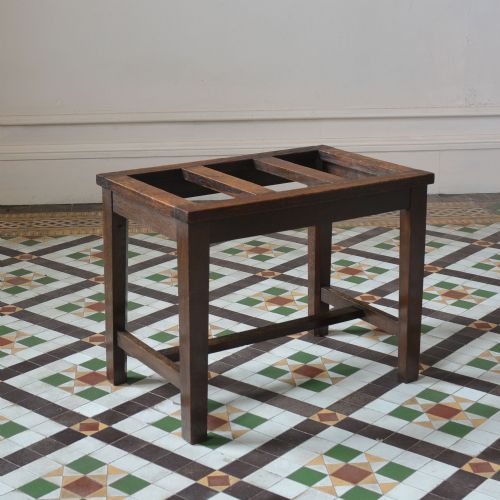
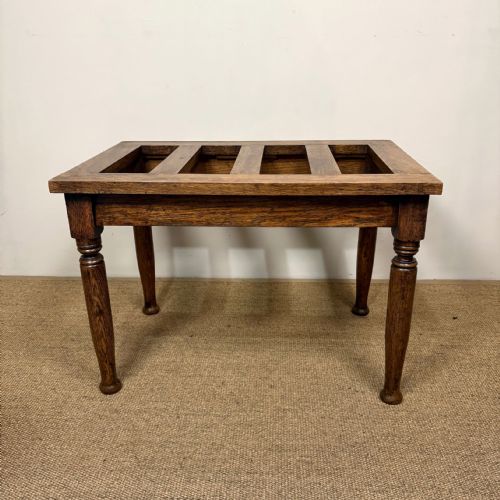
The versions most commonly met on this page range from nineteenth-century oak luggage stands and racks to eighteenth-century coffers on stands and blanket chests. You will also encounter specialised items such as French game blocks and hotel luggage pieces sharing this dual-level construction. Each piece maintains the utility of a trunk while lifting its contents off the floor.
The physical design relies on strong timber frames, sometimes incorporating walnut, brass, iron, or steel details depending on the period. Edwardian hotel examples sit alongside rustic vernacular pieces and Georgian silver chests. This variety reflects domestic and commercial demands for elevated storage across different centuries.
How They Were Made
Makers built these pieces primarily from solid oak and mixed timbers, often pairing the main body with brass, iron, or steel hardware for reinforcement. Joints relied on traditional carpentry methods suited to heavy daily use in homes and hotels. Polished surfaces highlight the natural grain of the wood while protecting the structure from wear.
Metal components such as brackets, hinges, and dials were integrated to support the lifting lids and heavy frames of coffers and luggage stands. The stands themselves use sturdy legs or trestle supports joined to the trunk above. This combined construction ensured stability whether the piece held heavy silver, luggage, or linens.
Listings feature oak alongside walnut, brass, and iron across periods from the eighteenth century to the 1930s.
What Varies in Quality
Quality in these pieces depends upon the integrity of the timber selection and the precision of the joinery between the trunk and its stand. Finer examples display carefully figured oak grain and robust structural framing that bears weight without sagging. Lesser versions rely on simpler utility construction intended strictly for functional service in hotels or domestic entryways.
The retention of original hardware, such as brass fittings or iron bracing, significantly elevates a piece. Modifications or replacements in the legs and stands alter the historical coherence of the object. Masterful execution shows in the balanced proportions between the upper chest and its supporting base.
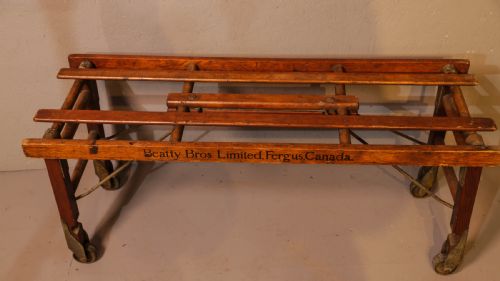
Richard Corless of Stockport·Beatty Bros Fergus Canada·Thomas Utting of Yarmouth·Waring & Gillow
The Oak Trunk on Stand Glossary
- Coffer
- A large wooden chest used for storing valuables, linens, or documents. They often feature hinged lids and heavy timber construction.
- Luggage stand
- A raised rack designed to hold suitcases or trunks at a convenient height. Many surviving examples date from the Edwardian period.
- Silver chest
- A specialised storage box lined to protect domestic silverware. These robust containers frequently sit upon dedicated wooden stands.
- Vernacular
- Everyday furniture built by regional craftsmen without high-style academic pretension. These pieces prioritize direct utility and local materials.
Oak Trunk on Stand: Frequently Asked Questions
What is an oak trunk on stand used for?
These pieces function as elevated storage units for household textiles, blankets, or personal belongings. The raised height allows easy access to the contents without bending to the floor.
In modern rooms, they serve as decorative anchor points in bedrooms or hallways while offering practical enclosed space.
How do I date an antique oak trunk?
Dating relies on examining the construction methods, timber preparation, and hardware styles. Eighteenth-century pieces often display hand-planed surfaces and pegged joinery.
Later Edwardian versions frequently incorporate machine-sawn elements and commercial hardware suited to hotel or railway travel.
Are these pieces suitable for daily use?
The sturdy oak construction makes them well-suited for everyday storage demands in modern homes. Their robust frames easily support regular opening and closing of the lid.
Care should be taken to place them away from direct heat sources to protect the historic timber.
What is the difference between a coffer and a trunk?
A coffer typically denotes a heavier, panelled wooden chest built with formal architectural joinery. Trunks often incorporate metal reinforcements and handles intended for transport.
When mounted on stands, both forms elevate the storage area for domestic convenience.