

Late Victorian Mahogany Table
When you search for a late victorian mahogany table, you step into an era where rich timber met confident revivalism for everyday domestic life.
Late Victorian Mahogany Table
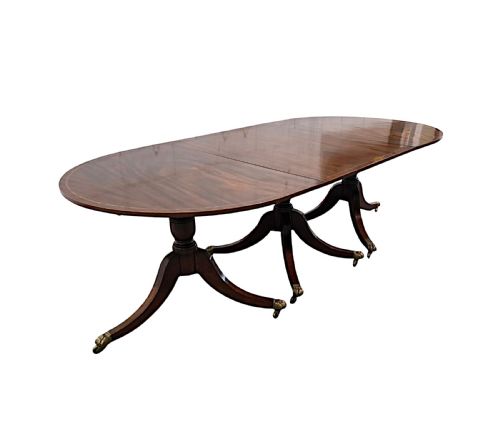
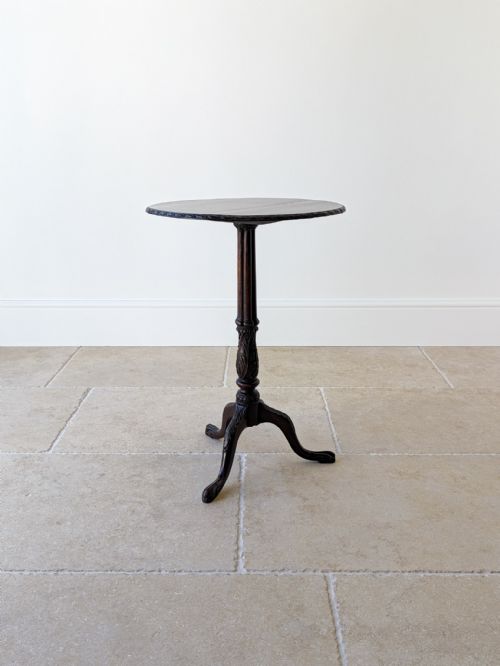
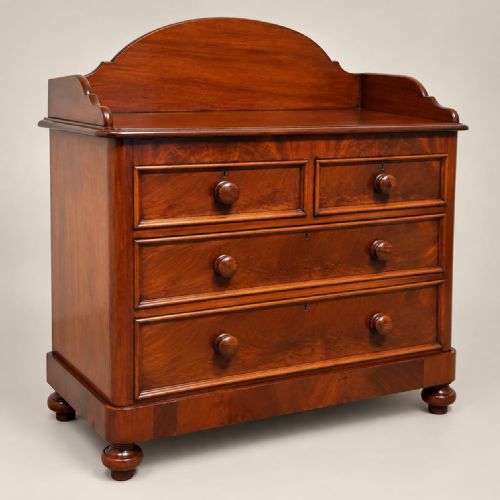
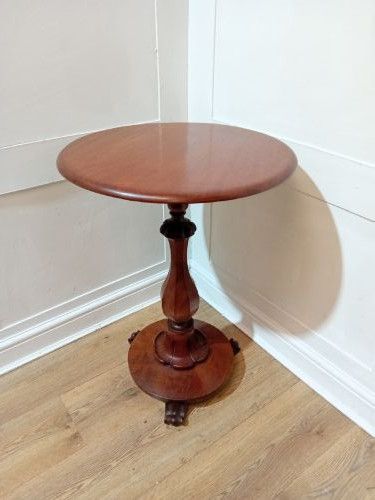
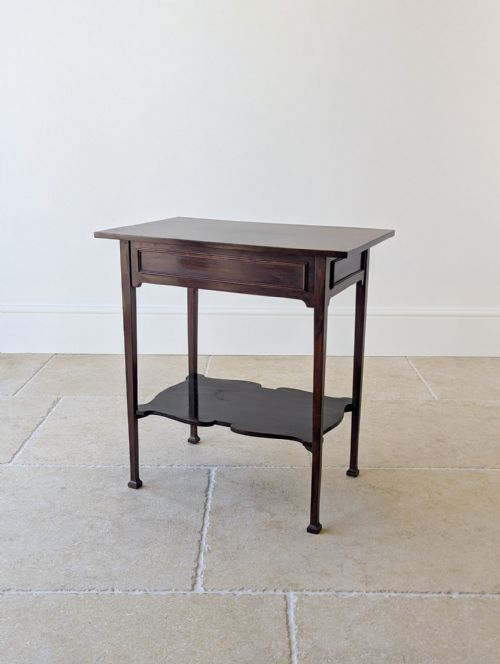
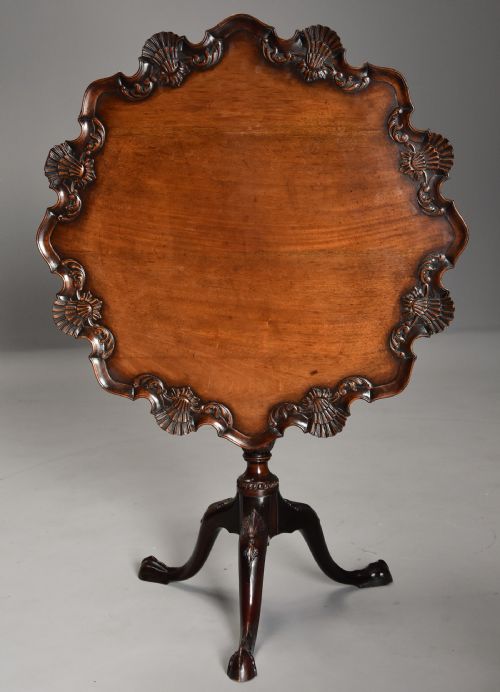
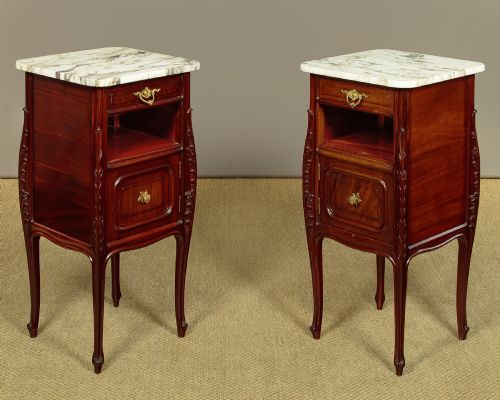
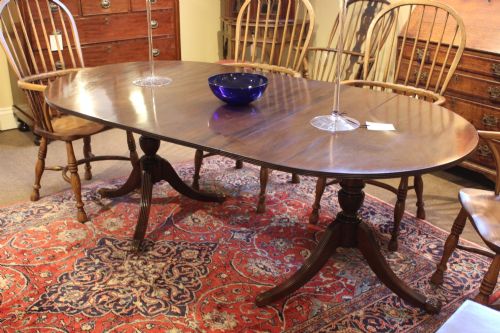
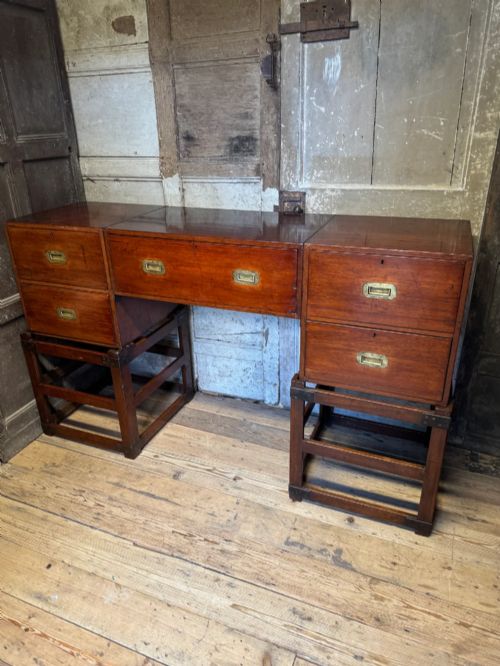
A late victorian mahogany table encompasses everything from expansive wind-out dining pieces that once seated twelve to intimate wine tables and demilune card surfaces. The surviving examples emerge primarily from the closing decades of the nineteenth century into the dawn of the Edwardian period, capturing a bustling domestic interior.
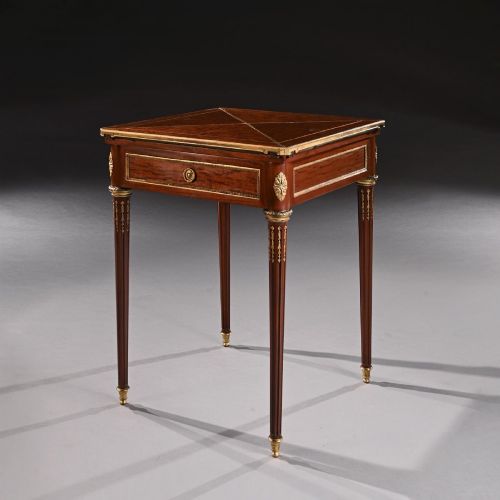
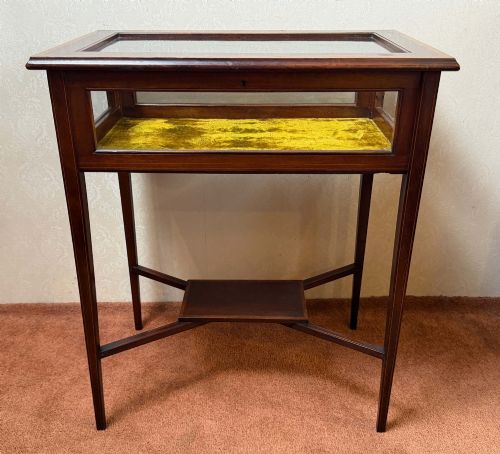
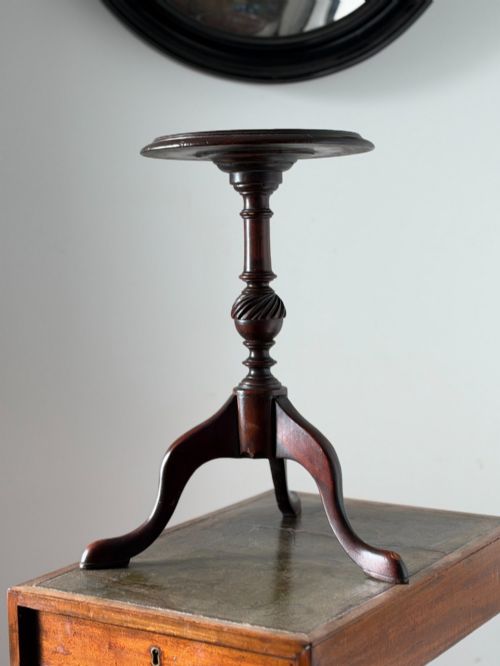
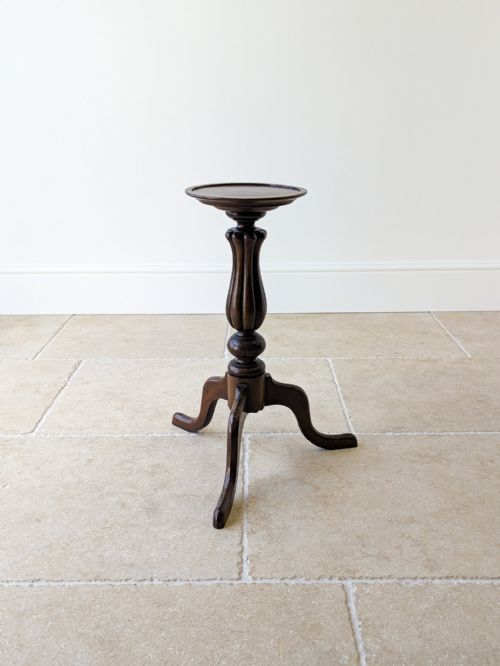
The buyer meets a wide assortment of occasional forms on this page, including two-tier tables, cloverleaf designs, nests of quarteto tables, and envelope card tables. Dining and console pieces also feature strongly, reflecting how workshops adapted traditional forms to suit late nineteenth-century homes.
Materials and Technique
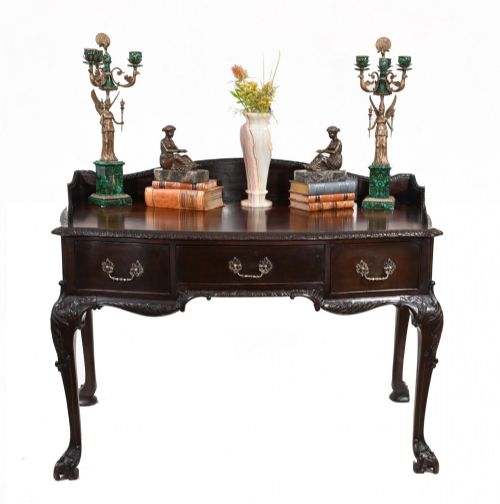
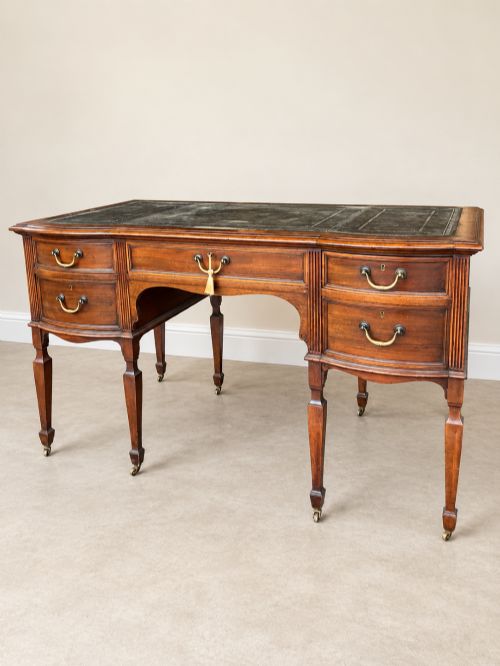
Solid and veneered mahogany forms the foundational structure of these pieces, often paired with contrasting satinwood inlay to create delicate borders and decorative motifs. Workshops utilised brass for casters and handles, alongside inset leather panels for writing and games surfaces.
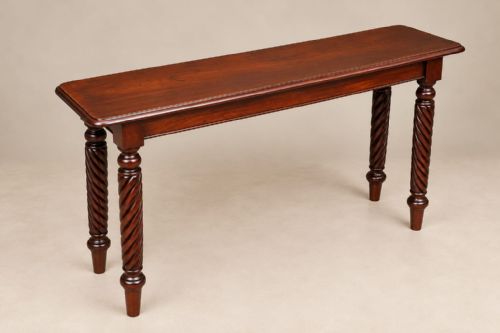
Cabinet makers employed traditional joining techniques alongside mechanical innovations like wind-out extension screws for dining furniture and pivoting mechanisms for envelope tables. Hand-turned supports, carved cabriole legs, and precise edge moulding demonstrate the high standard of joinery typical of the period.
Late Victorian Mahogany Table Retail Price Guide 2026
Typical asking prices for late victorian mahogany table among the pieces listed under this phrase on Sellingantiques today, from the lower quarter to the upper quarter. They describe what is for sale here now, not the wider market.
Listings feature diverse materials including marble, glass, brass, cast iron, and exotic hardwoods alongside traditional mahogany.
Evaluating Craftsmanship
The distinction between ordinary utility items and exhibition pieces lies in the crispness of the carving, the selection of figured mahogany timber, and the precision of the satinwood stringing. Superior examples display thoughtful proportions and harmonious grain alignment across extending leaves or folding tops.
Maker attribution elevates certain pieces, particularly those bearing the stamps or paper labels of renowned cabinet makers whose workshops maintained rigorous standards of construction. Original fittings, such as brass castors and leather inserts, preserve the integrity of the piece far better than later replacements.
James Shoolbred·Edwards & Roberts·Gillows·Maple & Co
The Late Victorian Mahogany Table Glossary
- Demilune
- Half-moon shape, typically describing a console or card table designed to sit flat against a wall. These pieces often feature folding tops and delicate inlay.
- Wind-out table
- An extending dining table operated by a mechanical handle and internal metal screw mechanism. This system allowed owners to insert additional leaves smoothly.
- Quarteto tables
- A nest of four graduating tables designed to slide neatly beneath one another. They gained popularity for serving tea in late nineteenth-century drawing rooms.
- Envelope table
- A card table with a square folding top that rotates and opens into four triangular flaps. The clever geometry reveals a baize-lined playing surface.
- Satinwood
- A pale, lustrous exotic timber utilised extensively for contrasting stringing and marquetry panels. It provided a bright visual accent against dark mahogany.
Late Victorian Mahogany Table: Frequently Asked Questions
How do I care for a mahogany surface?
Maintain the timber by dusting regularly with a soft, dry cloth and avoiding placement near direct heat sources or strong sunlight. Apply a quality beeswax periodically to nourish the grain and protect the polish.
Keep leather writing inserts clean and dry, using specialised balms sparingly if the hide begins to dry out. Lift dining tables rather than dragging them to protect the joints and wooden legs.
Were these tables used for dining?
Many larger examples served primarily for hosting meals, utilising extending mechanisms and removable leaves to accommodate family gatherings. Smaller formats were designed for specific domestic pastimes.
Occasional, console, and card tables catered to games, writing, and the display of decorative ornaments in the drawing room. Each form corresponds directly to the specialised routines of the Victorian household.
How do I spot an extending dining table?
Look for a divided top with alignment pins along the parting edges and a visible gap beneath the frieze where internal runners pull apart. Winding cranks or screw holes beneath the frame indicate the mechanical system used to expand the surface.
Matching apron rails and consistent timber ageing across the separate leaves confirm that the components belong together. Extra leaves often lack the heavy wear seen on the main sections.
What defines the Aesthetic Movement style?
Aesthetic design shifted away from heavy Victorian ornamentation toward simpler geometric lines and lighter proportions. These pieces often embraced artistic simplicity with subtle incised carving or minimal inlay.
Octagonal occasional tables and bamboo-turned supports frequently appear within this design philosophy. The focus centered on visual harmony rather than ostentatious displays of status.