



Late Victorian Mahogany Drawers
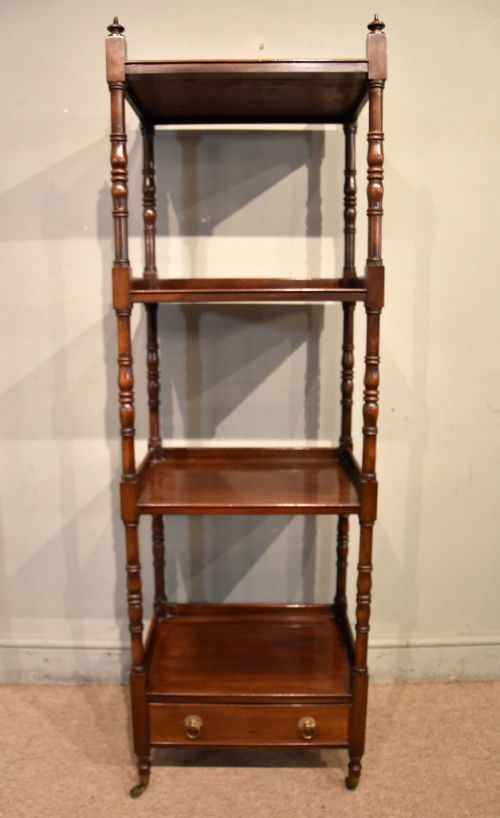
Late victorian mahogany drawers encompass sturdy chests, pedestals, and specialised cabinets built during the late nineteenth century to organise domestic and professional spaces with enduring utility.
Late Victorian Mahogany Drawers
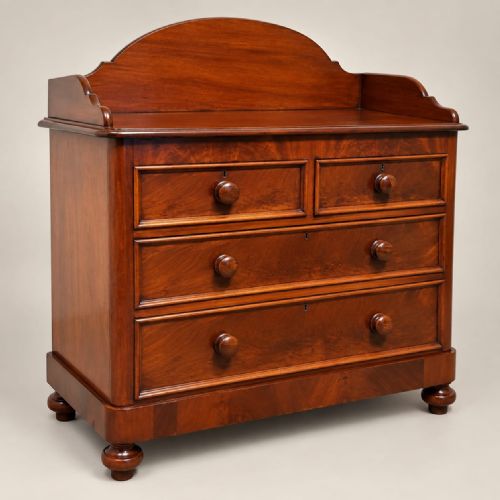
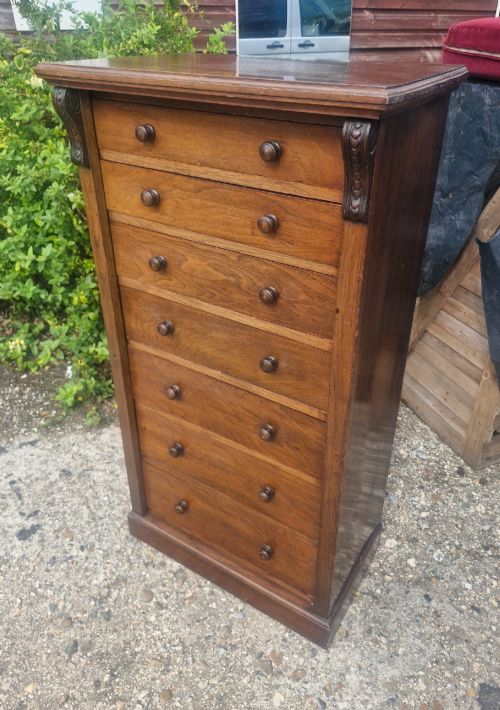
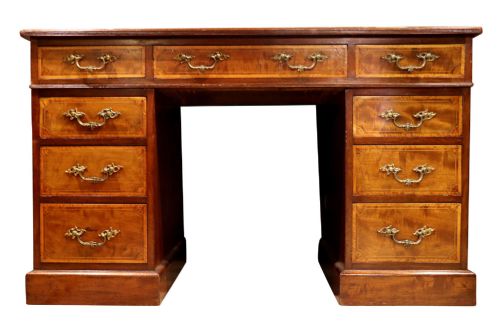
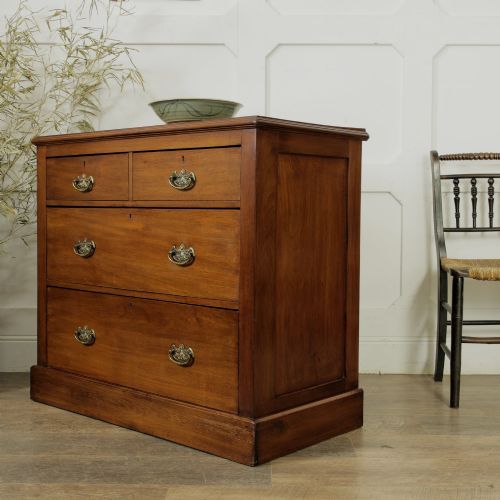
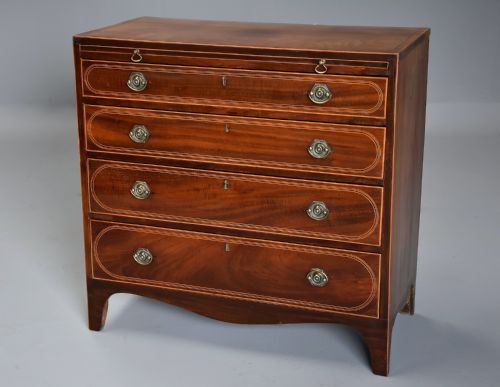
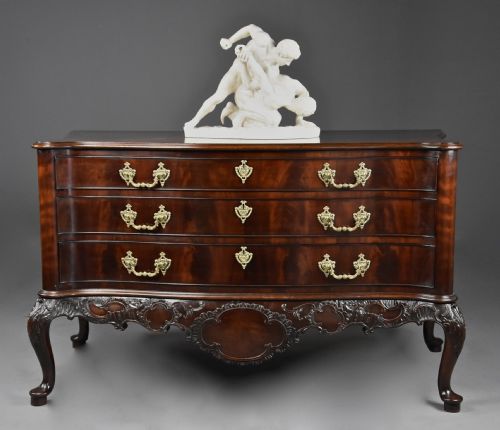
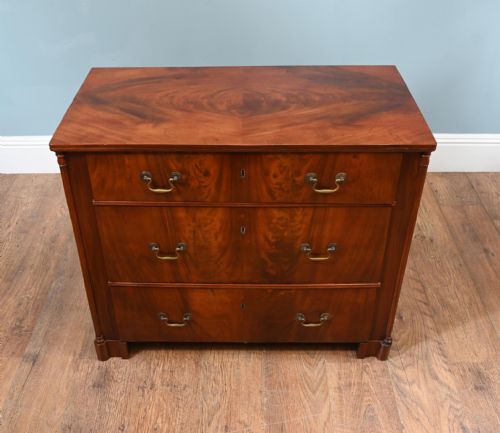
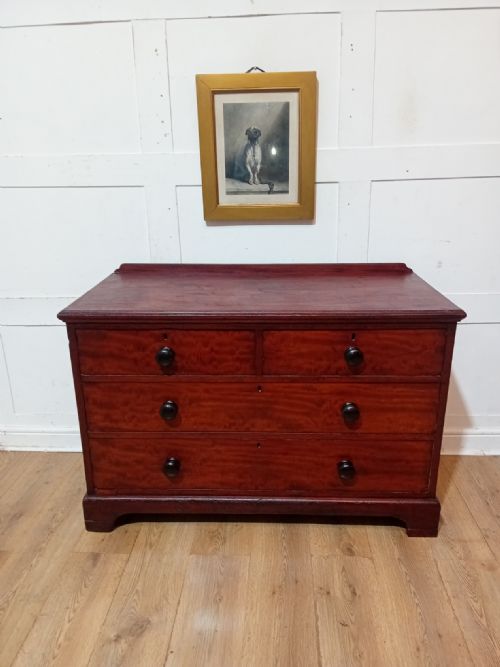
Late victorian mahogany drawers typically appear as classic chests, dressing pieces, and pedestals produced during the late nineteenth century, reflecting the robust cabinet-making traditions of the period. Buyers frequently encounter standard rectangular chests alongside bow-fronted variants, tall Wellington chests, and partner desks.
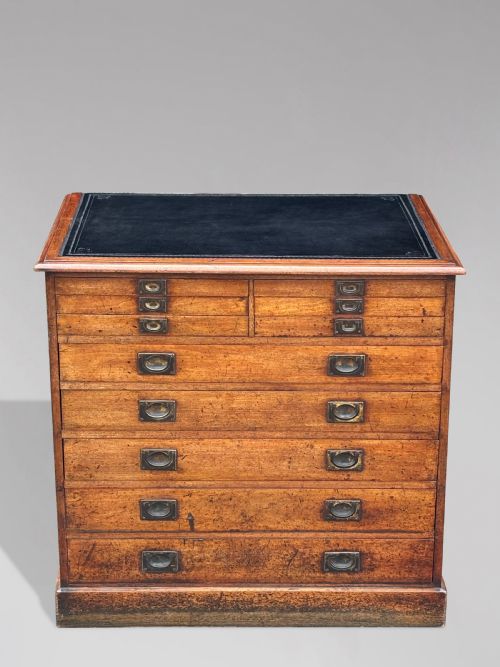
The inventory extends to specialised forms such as music cabinets, washstands, and multi-drawer collectors' cabinets housing numerous internal compartments. These pieces stem from an era when workshop production combined mechanical ingenuity with traditional domestic furniture layouts.
Materials and Construction
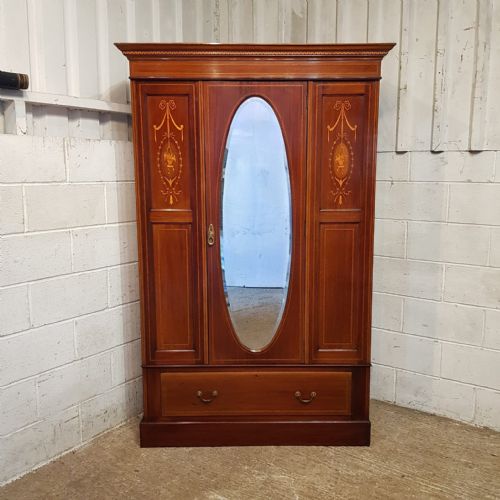
Makers utilised solid mahogany and flame mahogany veneers over secondary timbers, frequently enhanced by contrasting satinwood inlay and detailed ormolu or brass handles. Structural integrity relied on precise dovetail joints for drawer construction and durable secondary woods like ash lining the interiors.
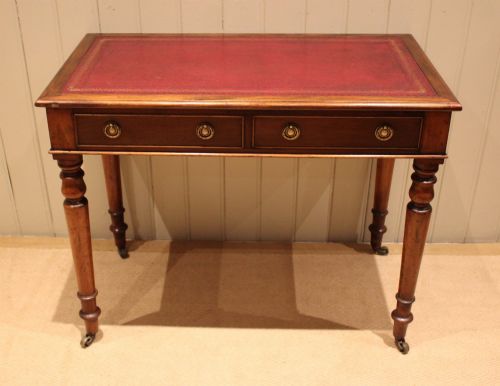
Surface finishes involved careful polishing to accentuate the deep grain and natural figure of the mahogany, sometimes complemented by inset leather writing surfaces or rouge marble tops. Hardware such as specialised Hobbs locks accompanied secure drawer configurations.
Certain chests feature unexpected decoupage featuring masked lady portraits hidden on the inner surfaces.
Assessing the Standard
Quality rests upon the selection of timber figure, the crispness of inlaid details, and the preservation of original hardware such as stamped brass handles and functional locks. Superior examples display meticulous dovetailing and uncompromised structural stability across all drawers.
Proportion and decorative ambition dictate the upper tier, where serpentine fronts, cross-banding, and bespoke cabinet configurations distinguish workshop output from standard utilitarian production.
Edwards & Roberts·Druce & Co·Maples & Co·Gillows of Lancaster
The Late Victorian Mahogany Drawers Glossary
- Wellington chest
- A tall, narrow chest of drawers secured by a hinged locking side pilaster that fastens all drawers simultaneously. This form emerged in the nineteenth century to store documents and linens securely.
- Campaign filing cabinet
- Portable modular furniture built in sections with brass corners and recessed carrying handles designed for travel. These pieces divided into manageable parts for military or colonial transport.
- Satinwood inlay
- Decorative wood ornamentation utilising contrasting light-toned timber set flush into the mahogany surface. Artisans arranged these botanical or geometric motifs to frame drawer fronts and tabletops.
- Dovetail joint
- An interlocking wood joint formed by wedge-shaped fingers that resist pull-apart tension. Fine spacing and tight hand-cut geometry indicate high-grade period cabinet-making.
- Pedestal desk
- A twin-pedestal writing table featuring banks of small drawers supporting a central writing surface. These heavy library and office tables frequently incorporate original tooled leather tops.
Late Victorian Mahogany Drawers: Frequently Asked Questions
Were these drawers used primarily in bedrooms?
While standard chests and dressing pieces furnished bedrooms, many multi-drawer configurations served offices, libraries, and studies. Pedestal desks, partner tables, and tall collectors' cabinets were engineered for professional and scientific storage.
Specialised pieces like music cabinets and washstands fulfilled specific household functions in drawing rooms and dressing areas.
How should I care for mahogany surfaces?
Maintain the finish by avoiding direct sunlight and excessive temperature fluctuations that cause timber to split or veneer to lift. Apply microcrystalline wax periodically to nourish the wood and protect the polished surface from moisture.
Clean surfaces with a dry or barely damp lint-free cloth, avoiding silicone-based sprays that degrade historic polish over time.
What is the difference between a Wellington and a standard chest?
A Wellington chest stands taller and narrower than a standard chest of drawers, housing a distinct vertical locking flap on one side. This hinged stile fastens over the drawer edges, locking the entire stack with a single key.
Standard chests feature horizontal drawers accessed independently without any external locking pilaster.