
Late Victorian Lamp
A late victorian lamp brings domestic illumination from the end of the nineteenth century into modern rooms through heavy brass columns and glass fonts.
Late Victorian Lamp
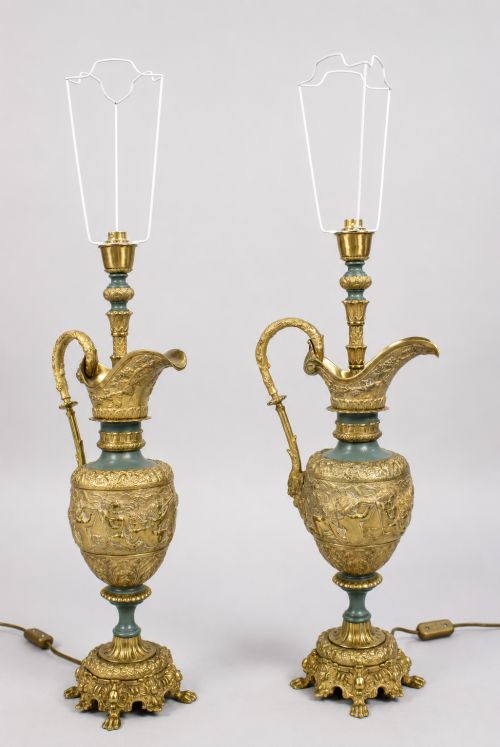
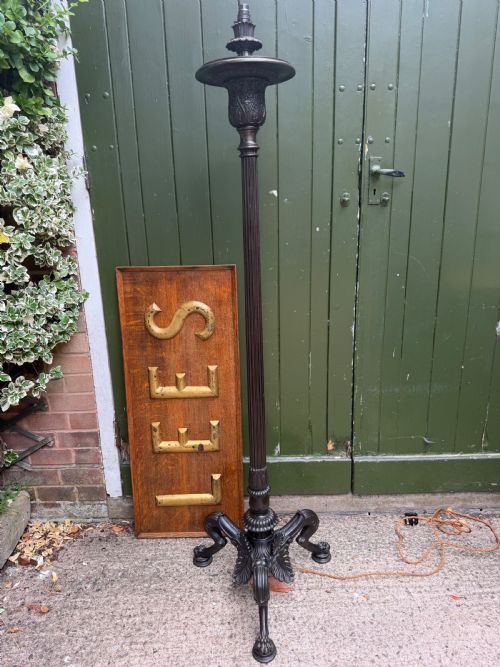
When searching for a late victorian lamp, buyers encounter lighting apparatus produced during the final decades of the nineteenth century, including tall standard lamps for floor placement and smaller table lamps designed for oil or electricity. The evidence shows these pieces frequently take the form of Corinthian columns, urn shapes, or adjustable reading lights constructed during the eighteen-eighties and eighteen-nineties.
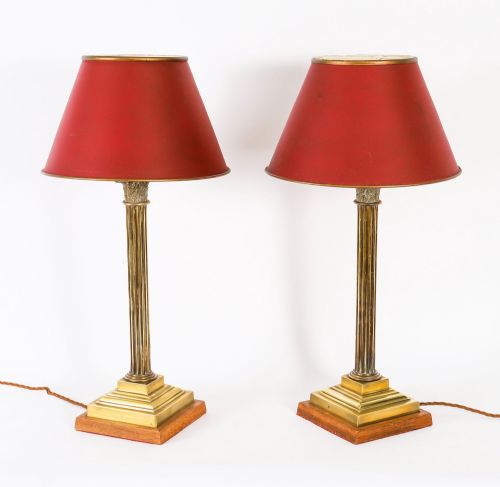
The most common examples met on this page are brass or silver-plated Corinthian column table lamps, often mounted on slate, ceramic, or black glass bases. Alongside these tall columnar designs, one finds cast-iron standard lamps and oil lamps that combine metal reservoirs with vaseline glass or painted shades.
These items reflect the domestic technological transition of their era, as paraffin oil illumination shared homes with newly introduced electric wiring. Makers utilised sturdy metals and classical proportions to ensure the lamps served as both functional household objects and decorative furnishings.
How they were made
The construction of a late victorian lamp relies heavily on cast and turned brass, often complemented by silver plating, bronze patination, or gilded highlights. Heavy metal bases, occasionally weighted with slate or paired with cast-iron components, provide stability for tall columns and standard lamp shafts.
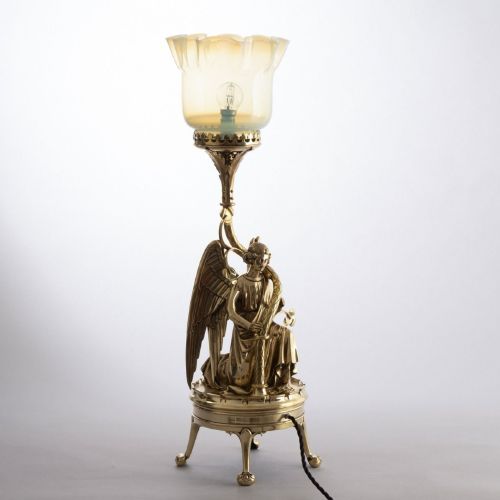
Glass forms an integral part of many examples, appearing as decorative oil fonts, vaseline glass shades, or structural black glass bases beneath metal burners. Makers also incorporated ceramic elements and marble mountings to introduce colour and varied textures into the lamp bodies.
Several lamps combine heavy Corinthian columns with vaseline glass, ensuring they glow under the right light.
What varies in quality
The distinction between standard production and the top of the range lies in the crispness of the metal casting and the weight of the materials employed. Corinthian column capitals with deeply undercut acanthus leaves and heavy gauge silver plating or solid brass show superior craftsmanship compared to lighter, pressed metal alternatives.
Proportion and decorative detail also divide the selection, with larger standard lamps and pieces featuring adjustable mechanisms or signed mounts by notable makers commanding greater attention. The integration of high-grade coloured or vaseline glass components elevates the overall standard of a piece.
James Shoolbred·EW Godwin·William Birch·Liberty of London·Hinks·Walker & Hall
The Late Victorian Lamp Glossary
- Corinthian column
- A classical architectural column style featuring an ornate capital decorated with carved acanthus leaves, frequently utilised for the shafts of nineteenth-century table and standard lamps.
- Vaseline glass
- A type of glass containing uranium dioxide that produces a distinctive yellow-green hue and glows under ultraviolet light, often used for nineteenth-century lamp shades and fonts.
- Standard lamp
- A tall floor-standing lamp designed to illuminate a room from a vertical shaft, commonly heavy in brass, cast iron, or wood during the late nineteenth century.
- Oil lamp
- A lighting device utilising a liquid fuel reservoir and a wick burner, many of which were later converted to electrical fittings.
- Patination
- The surface appearance acquired by metals and wood through age and use, valued by collectors for its depth and authenticity.
Late Victorian Lamp: Frequently Asked Questions
What is a late victorian lamp?
A late victorian lamp is a lighting fixture produced in the closing decades of the nineteenth century, typically constructed from brass, silver plate, or bronze.
These pieces range from table-standing Corinthian columns to tall floor-standing standard lamps and oil burners.
Were these lamps used for oil or electricity?
Most pieces originating from this period were designed to burn paraffin oil or utilise gas before domestic electricity became widespread.
Many surviving examples have subsequently been rewired for modern electrical use while retaining their original metalwork.
How do I identify a Corinthian column lamp?
Corinthian column lamps are characterised by a fluted vertical shaft topped with an elaborate capital carved with acanthus leaves.
They usually stand upon a stepped square base made of brass, silver plate, or slate.
What materials are common in these lamps?
Brass and silver-plated metal form the predominant materials, often combined with cast-iron supports, slate bases, and ceramic reservoirs.
Glass elements such as vaseline glass shades and black glass bases also appear frequently.