

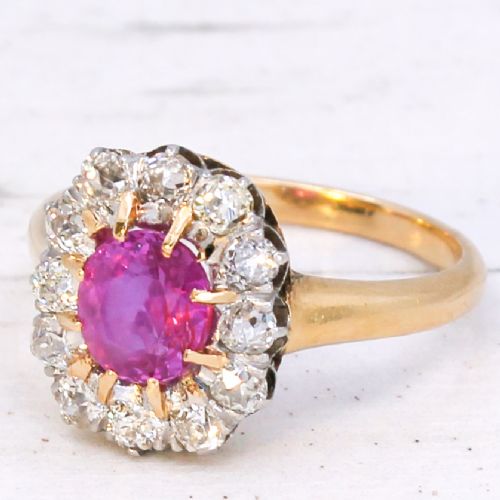

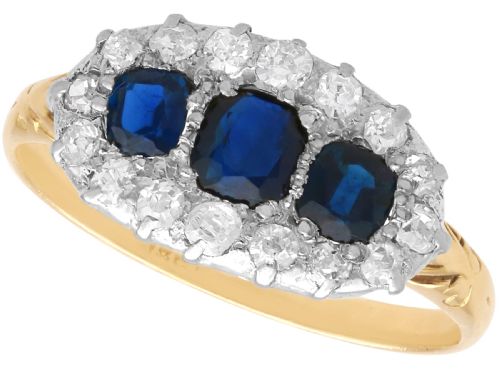


Late Victorian Diamond Ring
A late victorian diamond ring combines nineteenth-century craftsmanship with hand-cut stones, offering distinct character for everyday wear.
Late Victorian Diamond Ring
A late victorian diamond ring captures the distinctive jewellery styling of the final decades of the nineteenth century. These pieces combine traditional gold settings with hand-faceted stones that reflect candlelight differently than modern brilliant cuts.
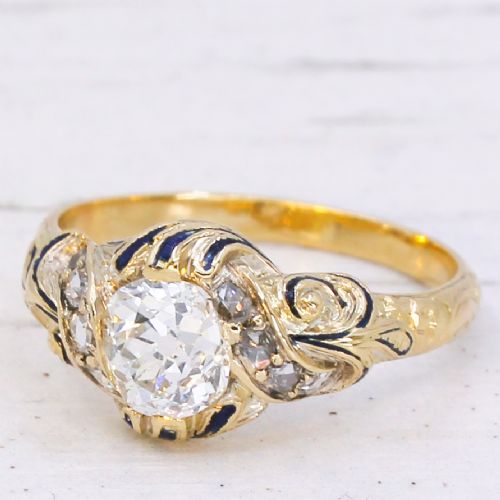
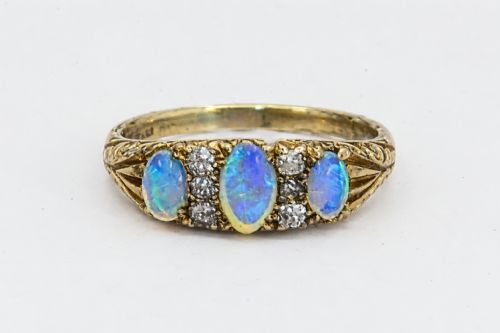
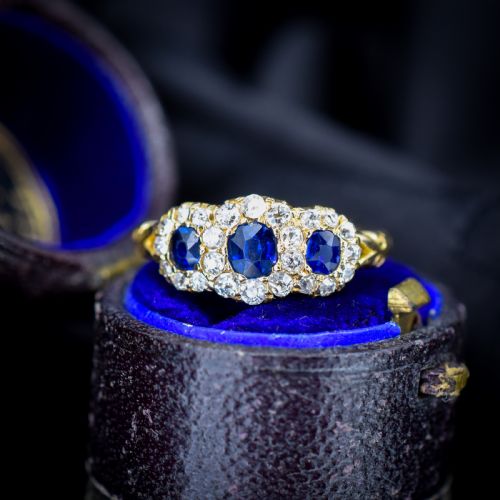
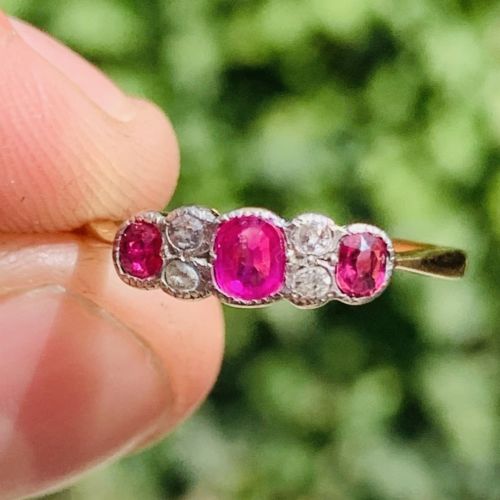
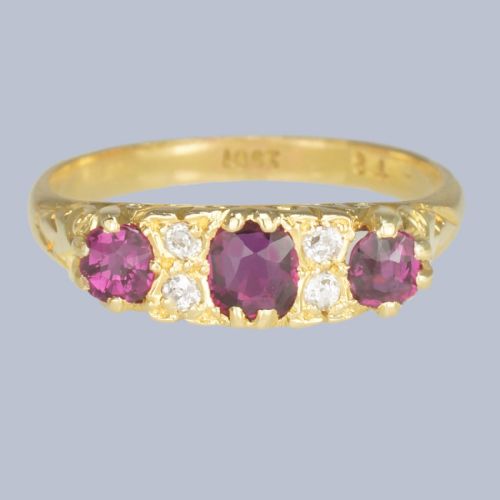
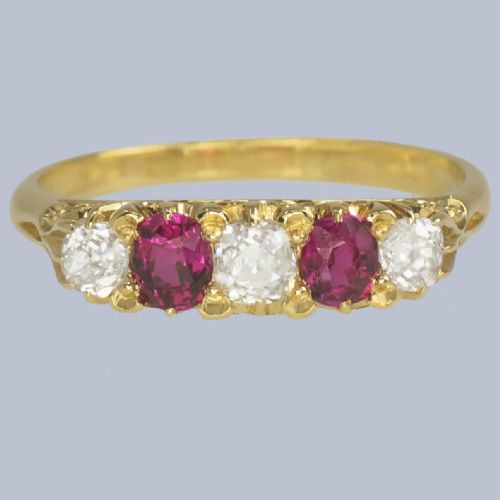
The version most commonly seen on this page is the cluster or multi-stone ring, frequently pairing old cut diamonds with coloured gems such as sapphires, rubies, or opals. These arrangements showcase the period's preference for rich colour contrasts alongside sparkling diamond work.
How they were made
Goldsmiths of the period predominantly utilised eighteen-carat yellow gold to construct the shanks and settings, occasionally incorporating platinum for specific details. This metal provided a warm, rich foundation that complemented the soft brilliance of old cut and rose cut diamonds.
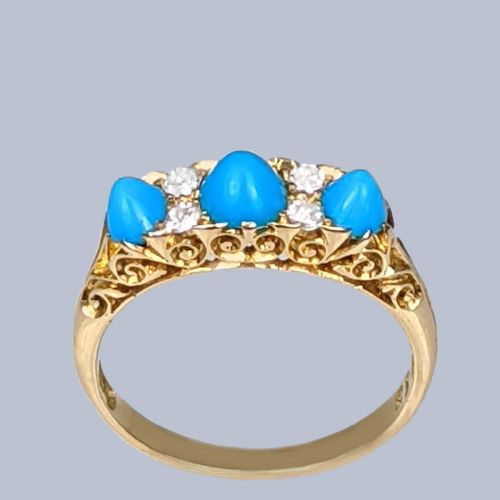
Stones were cut by hand rather than by machine, resulting in characteristic open culets and distinctive facet patterns unique to each gemstone. Gems including rubies, sapphires, turquoises, and opals were then meticulously secured alongside the diamonds using durable claw or flush settings.
Some rings carry secret enamel work and mourning sentiments hidden safely beneath the gemstones.
What varies in quality
The refinement of the hand-cut diamonds and the overall structural integrity of the gold setting determine the upper tier of quality. Superior examples display balanced gemstone proportions, secure claw work, and minimal wear to the metal bands.
Weight and presence also distinguish pieces, with denser multi-stone clusters and substantial gold weights offering a more commanding feel on the hand. Finer specimens maintain crisp hallmarks and retain the original integrity of their intricate navette or boat-shaped designs.
The Late Victorian Diamond Ring Glossary
- Old cut diamond
- A hand-faceted diamond cut popular before the invention of modern brilliant cutting techniques, characterised by a smaller table, higher crown, and open culet. These stones catch candlelight exceptionally well.
- Navette
- A boat-shaped ring design featuring a pointed, elongated silhouette that sits along the finger. This style maximises visual impact and often incorporates a cluster of diamonds and coloured gems.
- Trilogy ring
- A ring set with three principal gemstones, often symbolising the past, present, and future. In late nineteenth-century pieces, these frequently combine diamonds with sapphires or rubies.
- Hallmark
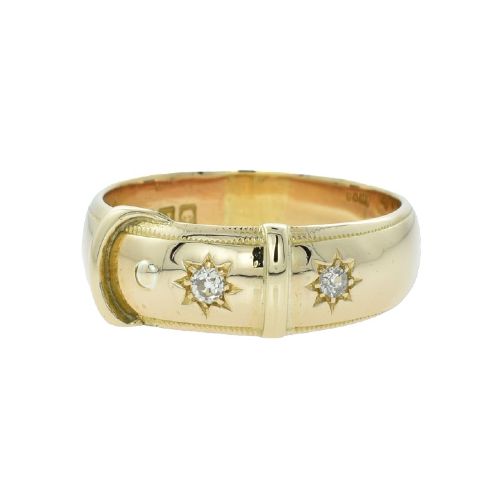
- An official stamp applied to precious metals indicating purity and origin. British items often feature assay office marks that help date the piece accurately.
- Culet
- The small flat facet at the bottom of a vintage diamond where the pavilion facets meet. Old cut stones typically feature a visible culet when viewed from the top.
Late Victorian Diamond Ring: Frequently Asked Questions
Can I wear my ring every day?
These historical pieces were built for daily use, yet softer gems like opals or turquoise require mindful care.
Removing the ring during heavy manual tasks ensures the gold settings and old cut stones remain secure for years to come.
How do I identify the period?
Examining the mounting style, the shape of the diamond facets, and any accompanying hallmarks provides reliable clues.
Late nineteenth-century jewellery often displays hand-wrought yellow gold details and characteristic boat or navette silhouettes.
Are the diamonds certified?
Most antique rings of this age feature stones cut and mounted long before modern grading laboratories existed.
Instead of paperwork, quality is assessed through the physical characteristics of the hand-faceted stones and the craftsmanship of the setting.
What metals were used?
Eighteen-carat yellow gold forms the primary structural material for the vast majority of these pieces.
Platinum and lower carat golds appear occasionally, reflecting the specific manufacturing standards of the period.