


Late Victorian Desk Light
A late victorian desk light brings practical warmth and character to a workspace, offering period illumination forged in brass, glass, and bronze.
Late Victorian Desk Light
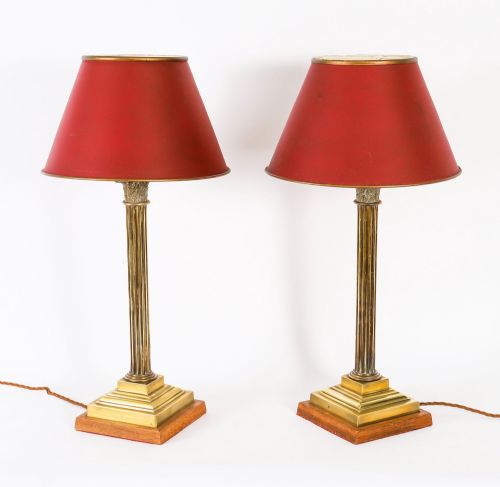
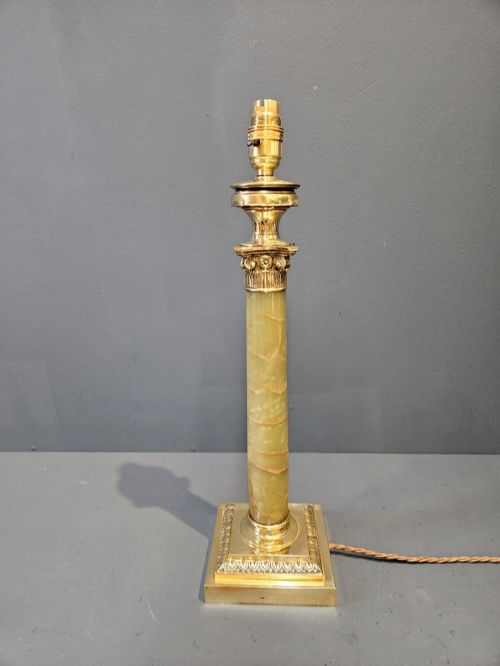
A late victorian desk light typically encompasses period table lamps, oil lamps, and candle holders designed for illumination in nineteenth-century interiors. These items frequently emerge in brass, gilt bronze, and copper, often paired with glass or fabric elements.
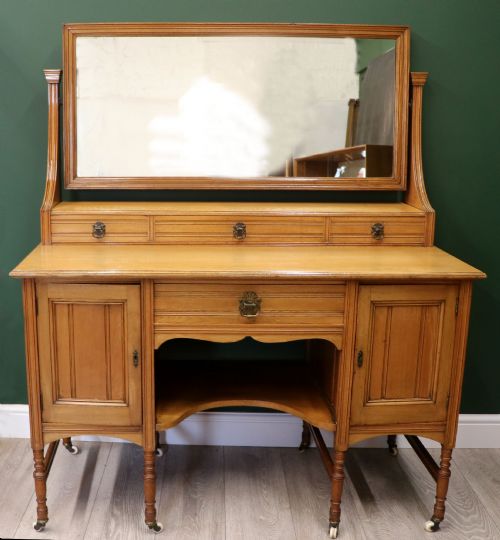
Buyers browsing this selection will frequently encounter brass column table lamps and oil lamps dating from the 1880s to 1900. Alongside these lighting forms, the evidence also records related furniture such as writing desks and desk chairs from the same era.
The objects span domestic British designs as well as continental and imported styles, including French rococo and Chinese export pieces adapted for light. This mix reflects the eclectic tastes of late nineteenth-century households.
How they were made
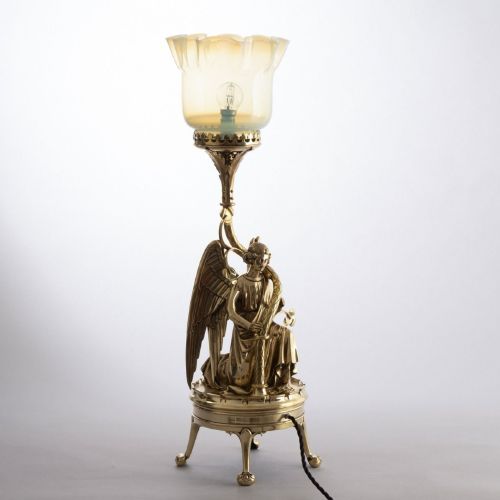
Maker workshops utilised durable metals such as brass, copper, and gilt bronze, often casting columns, figures, and mounts with intricate detail. These metallic structures provide the sturdy framework essential for sustaining heavy glass shades and oil reservoirs.
Some nineteenth-century candlelamps are cleverly modelled as basket-guard cavalry dress swords.
What varies in quality
Quality rests upon the crispness of the metal casting and the weight of the materials used in the base, separating solid construction from lighter output. Heavier brass columns and finely chased gilt bronze display superior craftsmanship compared to simpler utilitarian items.
The integrity of the original components, such as specialised glass shades, ceramic reservoirs, and marble plinths, dictates the overall character of the piece. Surviving mounts and uncompromised structural harmony elevate certain examples above standard workshop production.
The Late Victorian Desk Light Glossary
- Vaseline glass
- A type of glass coloured with uranium oxide that exhibits a distinct yellow-green fluorescence under ultraviolet light. It appears frequently in late nineteenth-century decorative lighting shades.
- Corinthian column
- An architectural order featuring ornate capitals decorated with acanthus leaves, often emulated in the brass and silver-plated shafts of period table lamps.
- Gilt bronze
- Copper alloy treated with a layer of gold, providing a rich, lustrous surface finish seen on decorative mounts and fine French lighting bases.
- Pedestal desk
- A substantial workspace furniture form comprising a central top supported by two banks of drawers, recorded in light oak, walnut, and satin birch.
- Spelter
- A zinc alloy frequently utilised as a cost-effective alternative to bronze for casting decorative figures and sculptural lamp bases during the late nineteenth century.
Late Victorian Desk Light: Frequently Asked Questions
What is a late victorian desk light?
It is a period lighting fixture from the late nineteenth century, encompassing brass table lamps, oil lamps, and candle holders designed for functional use.
These pieces utilise materials such as brass, gilt bronze, and glass to provide illumination while serving as decorative accents on workspace surfaces.
How do I identify a late victorian lamp?
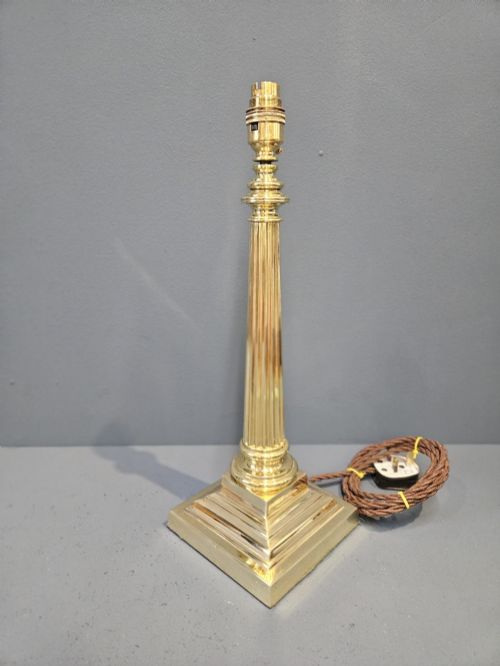
Look for characteristic nineteenth-century construction methods, including heavy cast brass columns, reeded stems, and period glass components like vaseline shades.
Dates typically centre around the 1880s to 1900, often incorporating aesthetic movement or revival design motifs popular during the reign of Queen Victoria.
Were these lights originally wired for electricity?
Most lighting devices from this period were originally manufactured for oil or candles before many were later adapted for modern electrical wiring.
Retaining original oil reservoirs or burner mechanisms alongside compatible desk forms illustrates the transitional nature of lighting technology at the turn of the century.
How do I style a desk light at home?
Place a brass or bronze column lamp upon a period writing desk or pedestal table to establish a traditional focal point in a study.
Pairing the metallic warmth of the lamp with complementary wood tones creates an authentic period workspace atmosphere.