

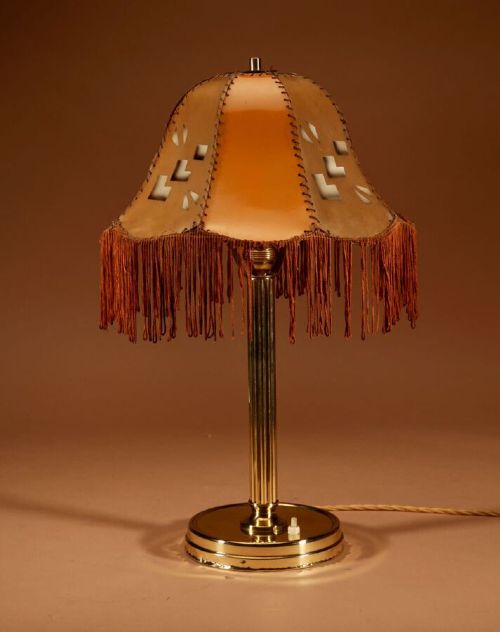
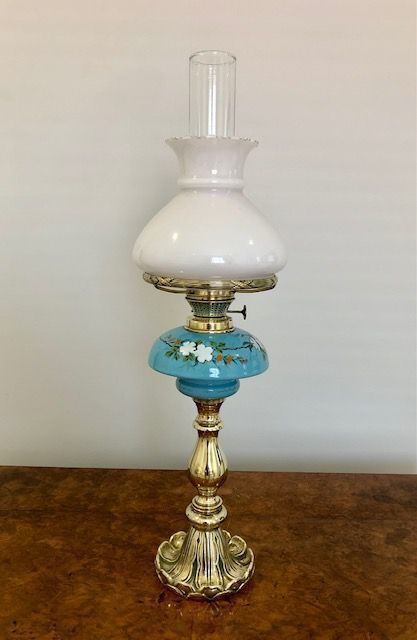


Brass Decorative Desk Light
A brass decorative desk light brings sculptural warmth and illumination to a workspace, drawing on centuries of metalwork and period styling.
Brass Decorative Desk Light
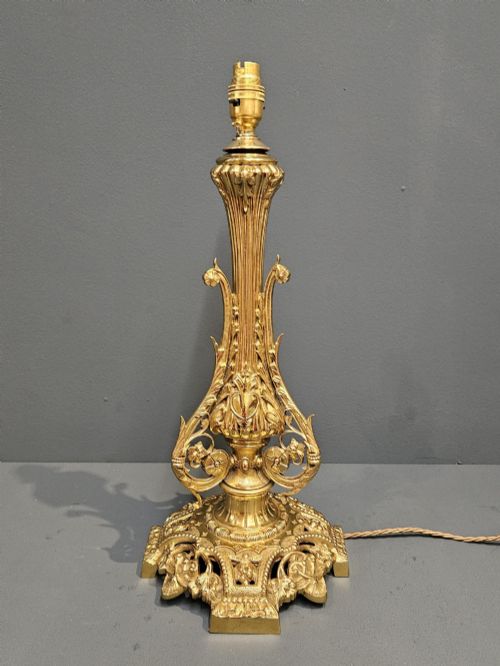
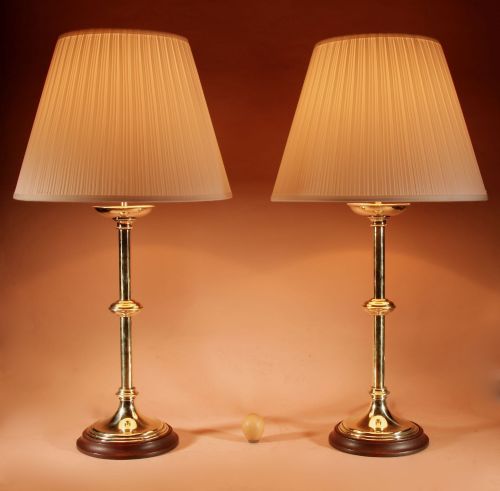
A brass decorative desk light encompasses table lamps, oil lamps, lamp bases, and candlesticks fashioned primarily from brass alongside gilt bronze and ormolu. These pieces span the nineteenth century up to the nineteen-thirties, reflecting diverse historical revivals and modern movements.
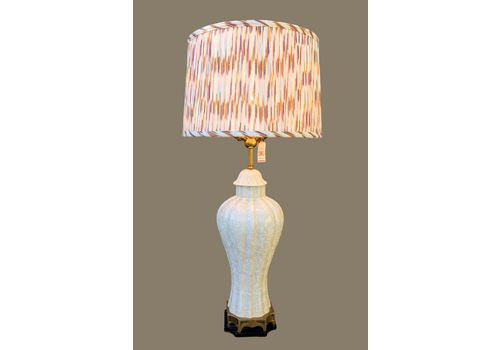
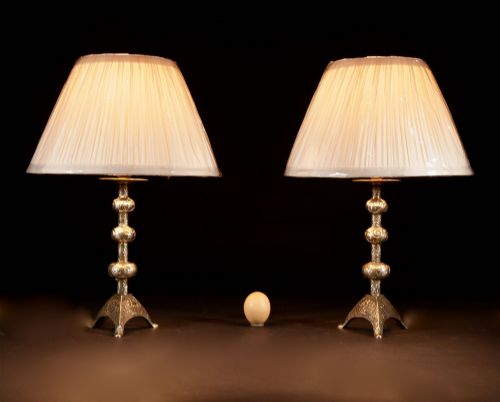
The selection frequently includes column lamps and oil lamps, alongside pairs cast in Gothic, Neoclassical, and Art Deco styles. Makers utilised porcelain, enamel, and fabric to complement the metallic structures.
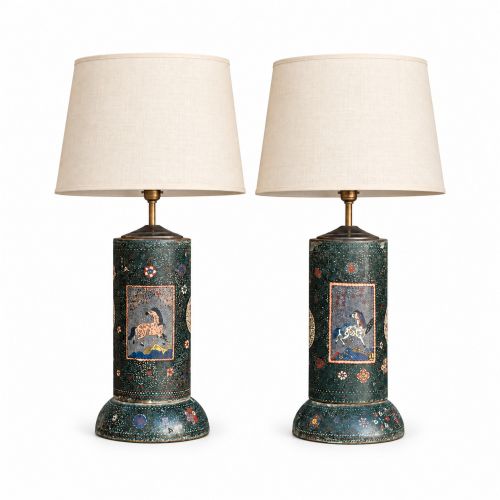
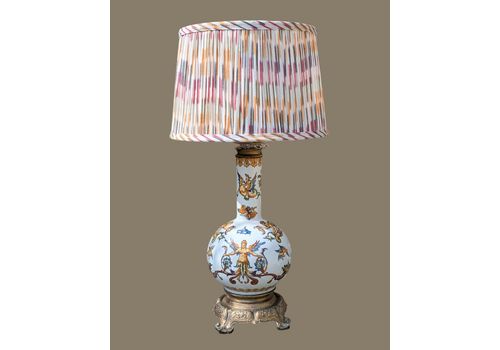
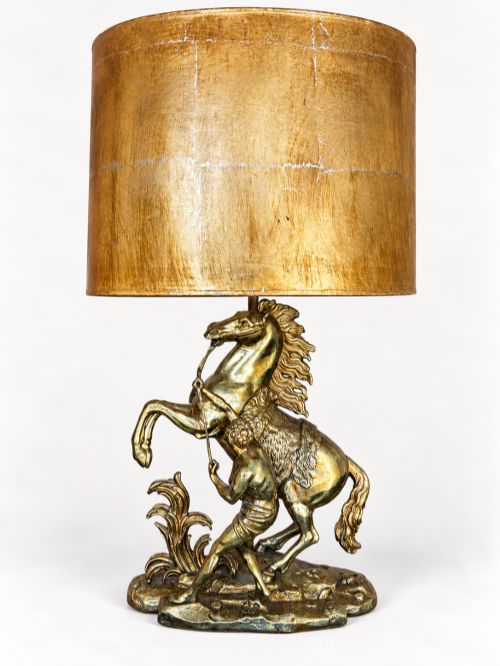
Victorian examples sit alongside nineteen-twenties designs, showing influences from French Paris ware to Japanese cloisonne. Buyers encounter everything from simple classical urn shapes to sculptural horse tamer figures and cavalry dress sword candlelamps.
Materials and Construction
Construction relies heavily on cast and turned brass, often combined with gilt bronze, ormolu, and spelter to create substantial weight and intricate surface detail. Artisans integrated porcelain, majolica, faience, and glass components into the metallic frames.
Finishes range from polished brass to painted surfaces and enamel work, frequently paired with ruby etched glass shades or fabric elements. Detail work draws on historicist styles including Rococo Revival, Art Nouveau, and Chinoiserie.
Brass Decorative Desk Light Retail Price Guide 2026
Typical asking prices for brass decorative desk light among the pieces listed under this phrase on Sellingantiques today, from the lower quarter to the upper quarter. They describe what is for sale here now, not the wider market.
Lighting includes decorative cavalry dress swords turned into candlelamps, proving that even military sidearms appreciate a second career in illumination.
Design and Execution
Quality rests in the crispness of the casting and the integration of secondary materials such as porcelain de Paris, cloisonne, or opaline glass. Finer examples demonstrate meticulous chasing on ormolu and gilt bronze surfaces.
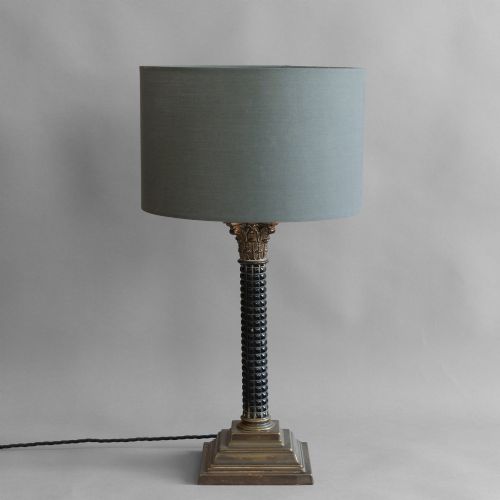
The distinction between standard production and superior work lies in the sculptural ambition of the piece, whether executing a complex Corinthian column or a figurative horse tamer base.
WAS Benson·Guillaume Coustou
The Brass Decorative Desk Light Glossary
- Ormolu
- Gilt bronze mounted on decorative objects, providing a bright golden finish through mercury amalgamation or electroplating. This technique is prominent in French nineteenth-century lighting.
- Cloisonne
- Enamelling technique where metal wire forms compartments on a bronze or metal base to hold coloured paste. Japanese examples appear within nineteenth-century decorative pieces.
- Corinthian Column
- Classical architectural order featuring ornate acanthus leaves on the capital, frequently adapted for nineteenth-century lamp bases. It remains a popular symmetrical form.
- Spelter
- Zinc alloy cast to imitate bronze, common in American and European decorative metalwork during the early twentieth century. It offers lighter weight and intricate detail.
- Majolica
- Opaque tin-glazed earthenware known for rich coloured lead glazes, utilised in nineteenth-century lamp bodies for vibrant texture.
Brass Decorative Desk Light: Frequently Asked Questions
What periods do these desk lights represent?
The pieces span the nineteenth century through the nineteen-thirties, encompassing Victorian production, Art Deco design, and various revival movements.
Specific dates and stylistic markers help distinguish between mid-nineteenth-century oil lamps and early twentieth-century electric conversions.
How do I identify different revival styles?
Revival styles draw on distinct historical architectures, such as Gothic pointed details, Romanesque proportions, or Neoclassical columns.
Examining the cast ornamentation reveals whether a piece looks to classical antiquity or late nineteenth-century aesthetic ideals.
What materials are combined with brass?
Maker materials include Paris porcelain, majolica, faience, glass, enamel, and gilt bronze, often creating contrast against the metallic body.
These additions reflect the taste of specific decades, from Victorian ceramic inserts to Art Deco mottled opaline glass.
Were these originally configured for electricity?
Many older pieces began as oil lamps or candlesticks before later conversion to electrical lighting during the twentieth century.
Original lamp bases and candelabra retain structural elements from their earlier functional iterations.