





Late Victorian Coastal Art
Late victorian coastal art captures maritime life and shores through watercolour and oil, offering collectors a direct view into nineteenth-century coastal communities.
Late Victorian Coastal Art
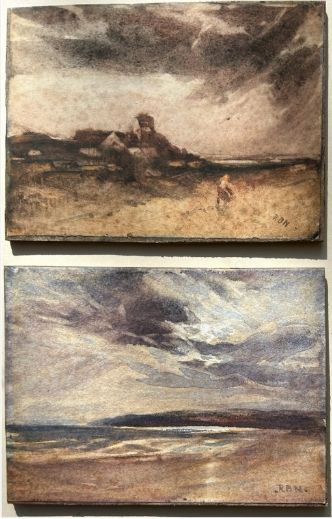
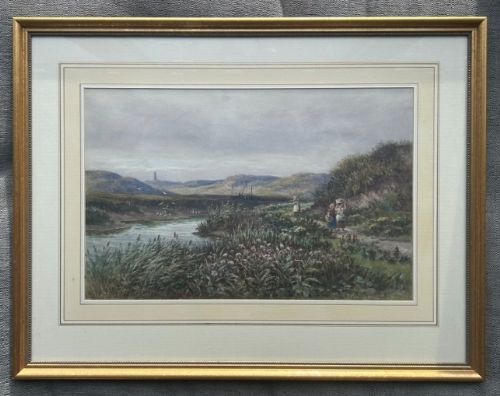
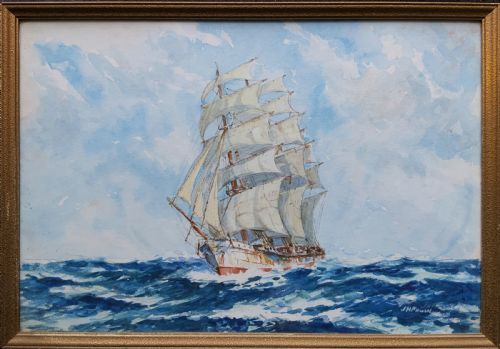
Late victorian coastal art brings together watercolours and oil paintings depicting harbours, fishing boats, and stormy seas from the nineteenth century. These works frequently document specific British locations such as Brighton Beach, St Ives Harbour, Dunbar Castle, and the Yorkshire coast.
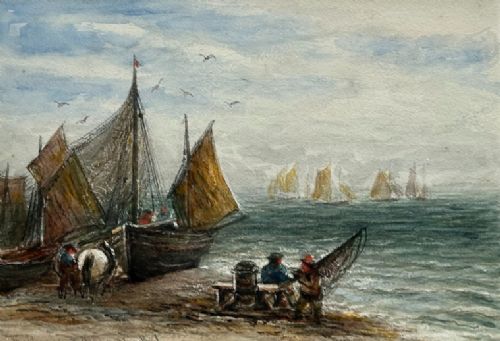
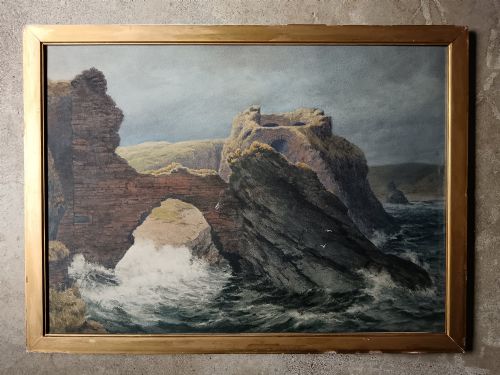
Buyers meet both signed pieces by named artists and works attributed to the British school. The compositions range from tranquil harbour scenes with traditional boats to dramatic representations of stormy seas and masted ships.
The dominant period represented is the late nineteenth century, specifically spanning the decades around eighteen eighty and eighteen ninety. The physical supports vary between paper, cardboard, and canvas, often presented behind glass within period gilt wood frames.
How they were made
Artists working on these coastal subjects utilised watercolour pigments on paper or cardboard, alongside oil paint applied to canvas. Watercolours allowed for delicate washes of sea and sky, while oils provided heavier textures for choppy waves and stormy weather.
Finished paintings were commonly housed in wooden frames finished in gilt, which protected the edges and enhanced the visual depth of the maritime scenes. Glazing was frequently added to protect works executed on paper from atmospheric moisture.
Late Victorian Coastal Art Retail Price Guide 2026
Typical asking prices for late victorian coastal art among the pieces listed under this phrase on Sellingantiques today, from the lower quarter to the upper quarter. They describe what is for sale here now, not the wider market.
Listings feature watercolours and oil paintings from the nineteenth century, utilising paper, cardboard, canvas, and gilt wood.
What varies in quality
Quality rests in the handling of light, water, and atmospheric conditions across the painted surface. A successful composition manages the interaction between sea and sky with confident brushwork rather than hesitant mark-making.
The degree of detail in maritime elements, such as rigging on masted ships and the construction of fishing boats, distinguishes accomplished works from simpler student pieces. The preservation of the original paper or canvas and the retention of the period gilt frame also influence the overall standing of an artwork.
The Late Victorian Coastal Art Glossary
- Watercolour
- A paint consisting of colour suspended in a water-soluble vehicle. It is typically applied to paper supports to create luminous washes.
- Oil paint
- A slow-drying paint made by combining pigment particles with a drying oil. This medium allows for rich impasto and deep tonal gradations.
- Gilt wood
- Wood carved and coated with gold leaf or a gold-coloured metallic finish. It forms the decorative border around many nineteenth-century paintings.
- Seascape
- A work of art depicting the sea, coastal views, or maritime activities. These subjects were particularly popular during the victorian era.
Late Victorian Coastal Art: Frequently Asked Questions
What subjects appear in late victorian coastal art?
These works display harbours, fishing boats, coastal castles, and masted ships navigating choppy waters. Scenes are often set at specific locations around the British coastline.
Artists also recorded the daily labour of coastal communities, including figures spreading nets on the shore and traditional boats working off the coast.
How should these paintings be framed?
Works on paper require conservation mounting behind glass to protect the pigment from moisture and light damage. Oil paintings on canvas or cardboard are traditionally displayed unglazed in wooden frames.
Period gilt frames complement the nineteenth-century aesthetic and help preserve the historical context of the artwork.
Which materials were used by artists?
Paintings utilise watercolour pigments on paper or cardboard, alongside oil paint applied to canvas. These materials reflect the standard artistic practices of the nineteenth century.
Supports are frequently paired with wooden frames finished in gilt to complete the presentation.
How do you identify the date of a piece?
Dates are often established through artist signatures, inscriptions on the reverse, or stylistic conventions characteristic of the late nineteenth century. Period framing can also offer clues regarding the age of the object.
Reference to specific Victorian art styles helps place undated works within the appropriate historical bracket.