





Coastal Marine Artwork
Coastal marine artwork captures the movement of tides and the grit of harbours through oil and watercolour.
Coastal Marine Artwork
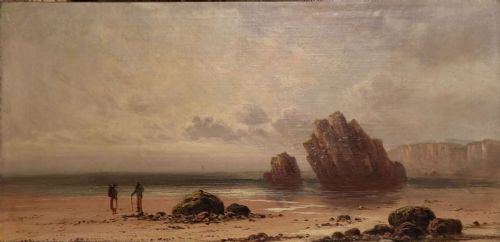
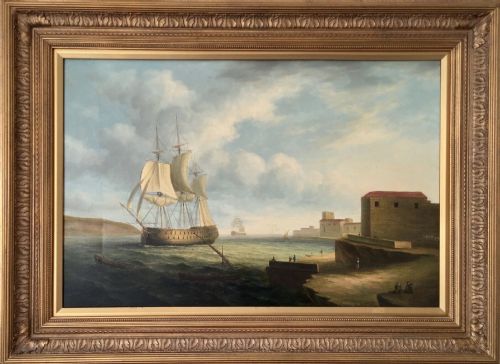
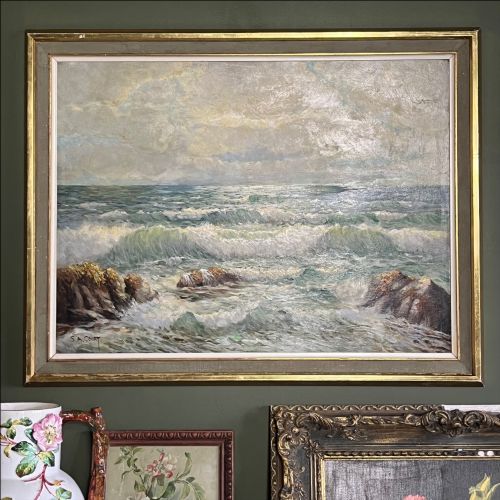
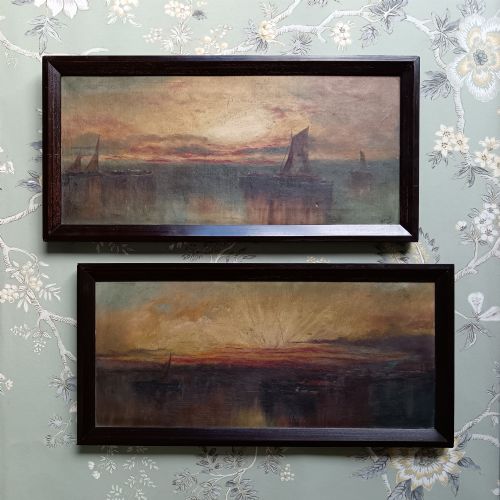
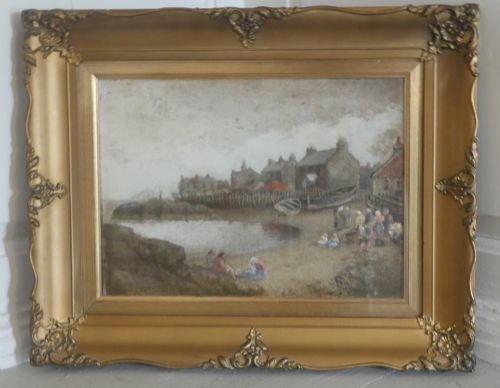
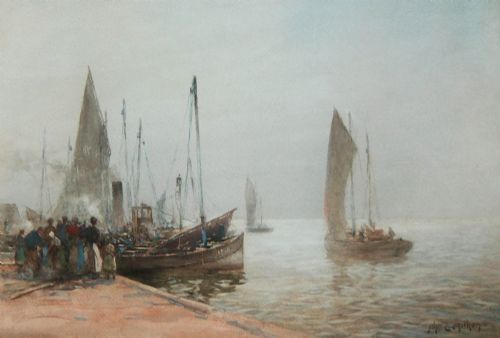
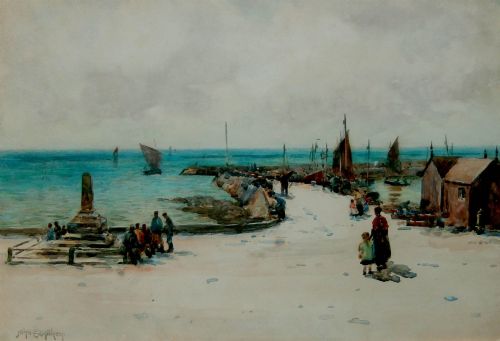
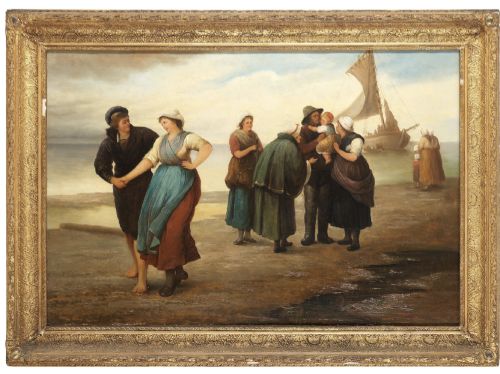
When you search for coastal marine artwork, you encounter paintings that record harbours, fishing vessels, and open seas from the nineteenth century onward. The selection spans Victorian maritime scenes, British impressionism, and mid-century modern interpretations of coastal life.
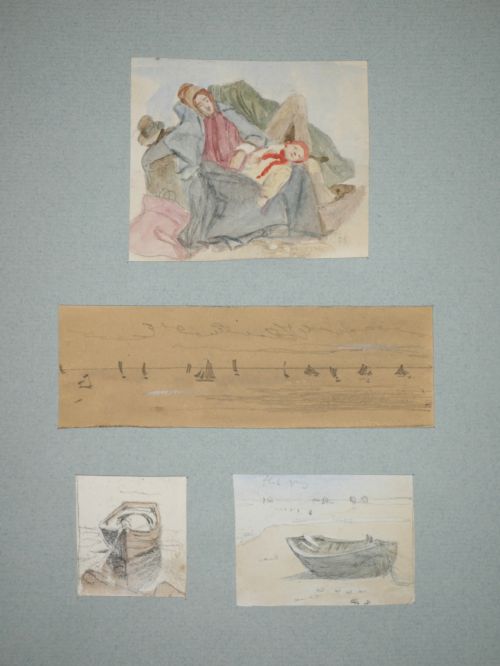
Most pieces on this page are oil paintings on canvas or board, alongside watercolours on paper. Forms range from intimate sketches of Cornish fishing ports to large framed canvases depicting warships and rough seas.
Materials and methods
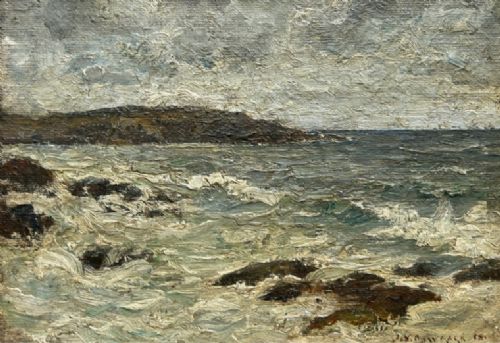
Artists painted these scenes using oil and watercolour applied to canvas, paper, wood panels, and board. Many works utilise impasto technique to build texture on waves, while others employ en plein air methods to capture shifting light along the shore.
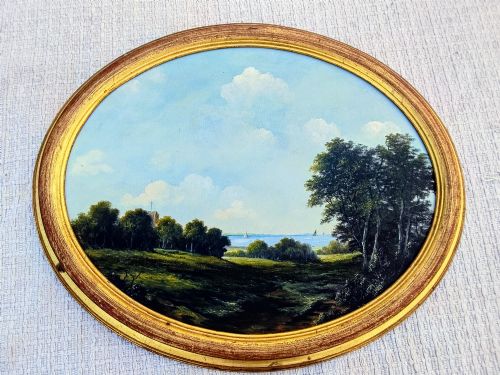
Framing forms an integral part of the presentation, with period gilt wood and glass frequently protecting the paper works and oil paintings. The support structures vary from traditional stretched canvas to oval boards and wooden panels.
Listings feature works across the nineteenth and twentieth centuries, using oil on canvas, watercolour, and paper supports.
Distinctions in quality
Quality rests on the artist's command of light, atmosphere, and maritime architecture rather than the scale of the canvas alone. Stronger works convey the weight of water and the specific rigging of vessels with direct observation.
The integration of the frame with the painting alters the overall impact, particularly where original gilt wood surrounds the canvas. Condition of the pigment and paper surface also separates standard student works from finished exhibition pieces.
James Hardy·Kenneth Cozens·James Orrock·Clifford Hanney·Sidney A. Court·B. Nash·Edward Mills·James E. Aitken·John E. Aitken·William Banks Fortescue·Bonaventura Peeters·Clive Browne·Peter Brannan·Paul Bret·Hector Caffieri·Bernard Benedict Hemy·Thomas Creswick·TB Hardy·Charles Euphraisie Kuasseg·John Wilson Carmichael·John Moore of Ipswich·William Henry Williamson·John Holland
The Coastal Marine Artwork Glossary
- Impasto
- Paint applied thickly to a canvas or board, leaving visible brush or palette knife marks that create a textured surface. This technique allows artists to render the heavy spray of waves or the texture of cliffs.
- En plein air
- The practice of painting outdoors to capture direct observations of natural light and weather. Painters utilised this approach to record the changing conditions of harbours and coastlines.
- Seascape
- A work of art depicting the sea, coastlines, or maritime activities. These compositions focus on the expanse of water or shore rather than land topography.
- Gilt wood
- Wood coated with gold leaf or a gold-coloured finish, commonly used for traditional frames. Such frames complement the tones of nineteenth-century oil paintings.
Coastal Marine Artwork: Frequently Asked Questions
What periods do these paintings cover?
The listings span from the seventeenth century through the Victorian era into the mid-twentieth century. Most examples cluster in the nineteenth and early twentieth centuries.
Key artistic movements represented include Victorian marine art and British impressionism. Later pieces extend into mid-century modern coastal interpretations.
How were watercolours protected?
Watercolour paintings on paper are typically mounted behind glass within wooden frames. This barrier shields the delicate pigments from moisture and environmental dust.
Works on paper often require careful placement away from direct sunlight to preserve the original paper tone.
Where were these scenes painted?
Locations range widely across British fishing ports such as St Ives, Morecambe Bay, and North Shields. International harbours in Malta, Sicily, and Dutch waters also appear.
Artists frequently travelled to specific coastal communities to paint local vessels and working ports.
How do oil paintings differ from watercolours here?
Oil paintings utilise heavy pigments on canvas, wood panels, or board, often featuring thick impasto brushwork. They offer rich surface texture and deep tonal contrast.
Watercolours on paper rely on transparent washes that yield lighter, more luminous atmospheric effects.