



Late Victorian Cane
Late victorian cane pieces combine practical nineteenth-century utility with refined craftsmanship, offering collectors durable everyday items and distinctive furniture.
Late Victorian Cane
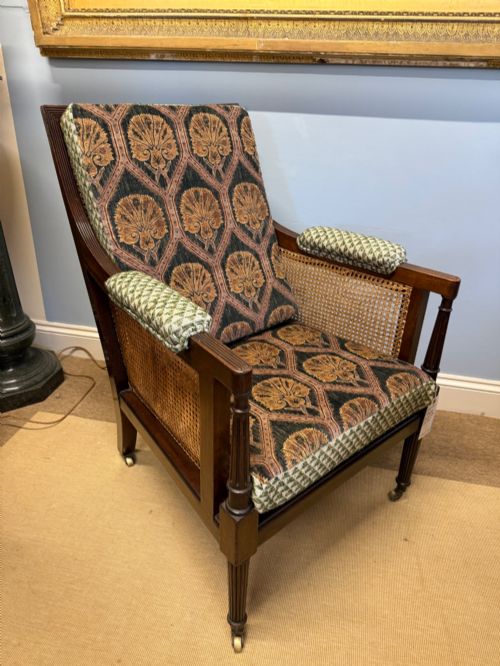
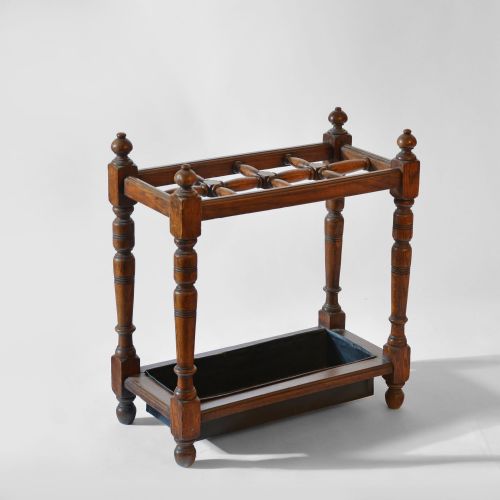
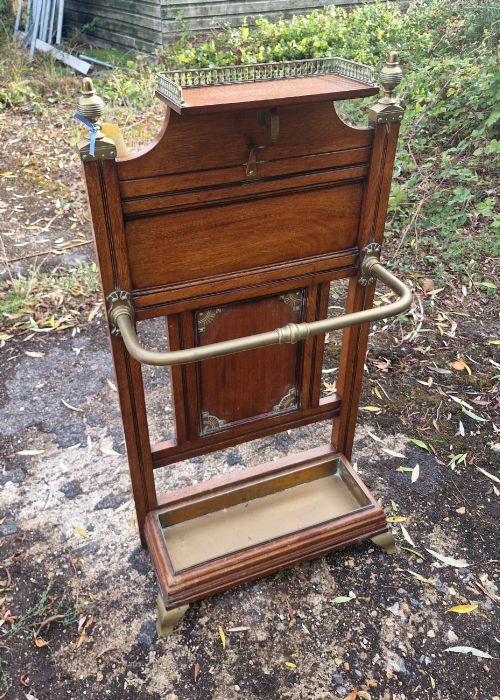
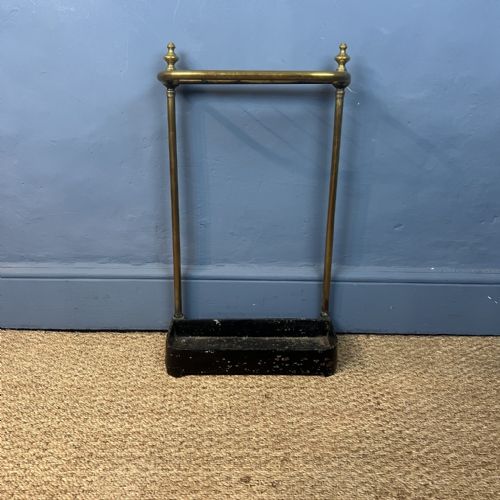
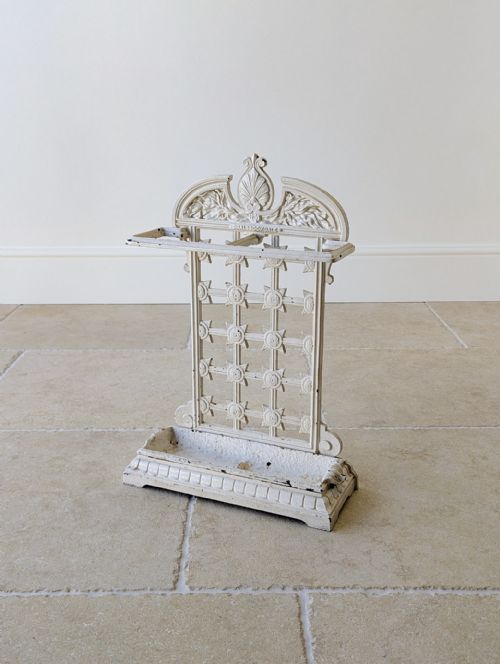
Late victorian cane items encompass a diverse selection of practical hall furniture, walking aids, and seating options. When exploring this group, buyers frequently encounter umbrella and stick stands alongside armchairs featuring woven cane panels.
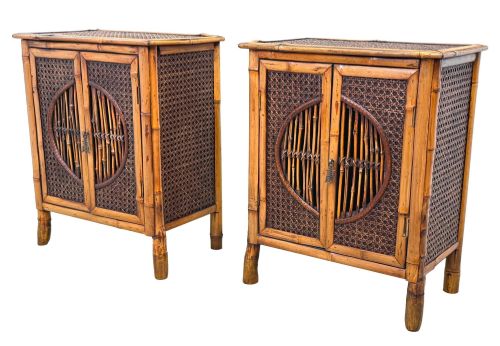
The objects span the closing decades of the nineteenth century, drawing on Victorian, Aesthetic Movement, and Sheraton Revival styles. Furniture forms range from solid satinwood and mahogany armchairs to miniature bamboo cupboards and hallway stands.
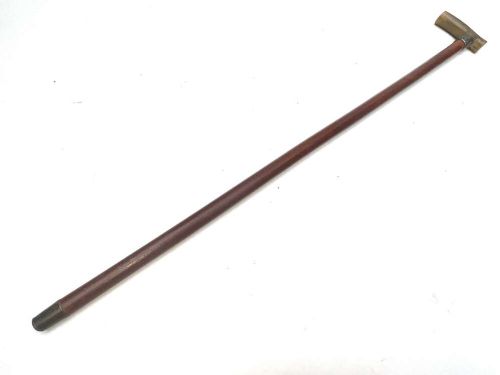
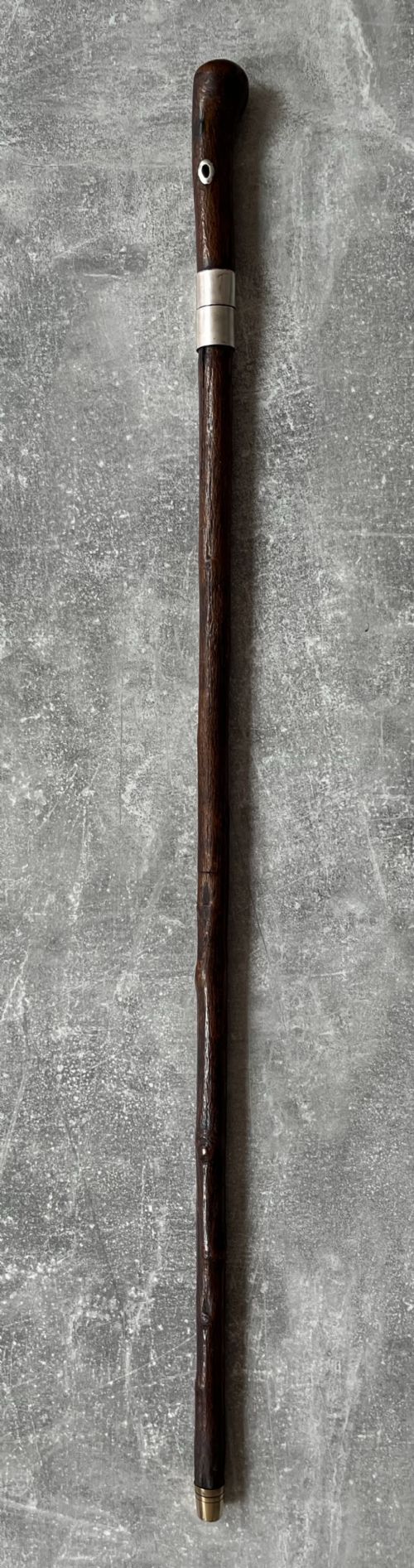
Walking sticks and swords form a distinct category within these listings, alongside seating with traditional cane weaving. These pieces reflect the varied domestic and personal accessories produced during the late nineteenth century.
Materials and construction methods
Constructed primarily from traditional timbers such as mahogany, oak, and satinwood, these pieces frequently incorporate structural metals. Cast iron and brass appear extensively in hall stands and umbrella holders, providing the necessary weight and durability.
Natural materials like bamboo, hazel wood, and plant cane are utilised for both walking sticks and woven furniture panels. Carpenters and metalworkers combined turned wood, carved details, and woven cane strands to achieve functional domestic items.
Listings feature oak, mahogany, satinwood, cast iron, and brass across various Victorian furniture and umbrella stand forms.
Assessing craftsmanship and condition
Quality in these items is determined by the precision of the joinery and the integrity of the materials used. Solid timber frames and securely woven cane panels distinguish finer items from simpler utilitarian productions.
The refinement of decorative elements, such as brass divisions on umbrella stands or carved details on chair frames, marks the distinction between standard workshop output and superior pieces.
Coalbrookdale·Maple and Co·Shoolbred·Thonet
The Late Victorian Cane Glossary
- Bergere
- An upholstered French-style armchair with enclosed cane work sides and back. This classic seating form appears frequently in nineteenth-century satinwood and mahogany.
- Cane
- Plant material derived from rattan palms, split and woven to create flexible panels for seats and backs. It provides both structural support and decorative texture.
- Aesthetic Movement
- A late nineteenth-century design style emphasising visual beauty over narrative function. Pieces often feature Japanese-inspired bamboo and satinwood details.
- Hall stand
- A functional piece of hallway furniture designed to hold umbrellas, walking sticks, and coats. These items frequently combine mirrors, brass hooks, and cast iron drip trays.
Late Victorian Cane: Frequently Asked Questions
What defines a late victorian cane piece?
These items comprise furniture, walking sticks, and umbrella stands produced during the final decades of the nineteenth century. They utilise materials like solid timber, cast iron, and woven plant cane.
Collectors prize them for their blend of domestic utility and period design aesthetics, ranging from utilitarian hall stands to refined library armchairs.
How were umbrella and stick stands used?
Placed in entrance halls, these stands held wet umbrellas and walking aids used by residents and guests. The metal divisions and drip trays managed moisture from the street.
They served as both practical hallway furniture and decorative statements for nineteenth-century homes.
How do I care for cane furniture?
Keep woven cane panels away from direct heat sources and extreme dryness to prevent the natural fibres from becoming brittle. Occasional gentle dusting helps maintain the material.
Avoid overloading woven seats beyond their intended capacity to protect the structural integrity of the weave.
Are walking sticks and sword sticks period originals?
The walking sticks and canes from this era reflect nineteenth-century manufacturing techniques, incorporating horn, metal handles, and specialised wood shafts. Many served as fashion accessories or practical walking aids.
Examining the handle attachment and shaft material helps verify the authenticity of these personal items.