




Late Victorian Bed Frames
Late victorian bed frames are sturdy iron and timber furniture pieces that bring genuine period character and reliable sleeping accommodation to a traditional bedroom.
Late Victorian Bed Frames
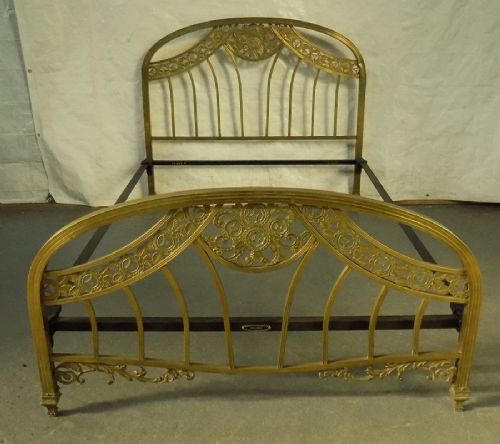
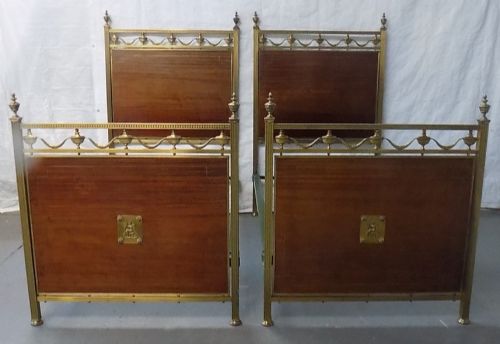
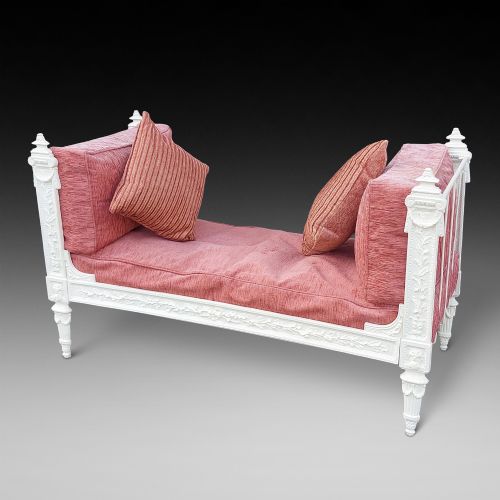
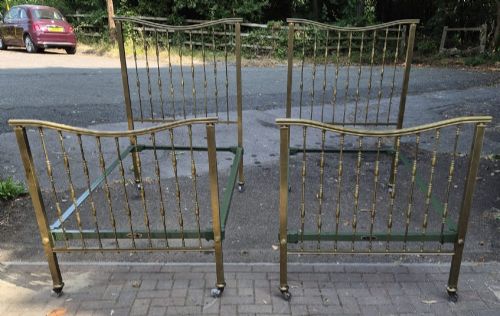
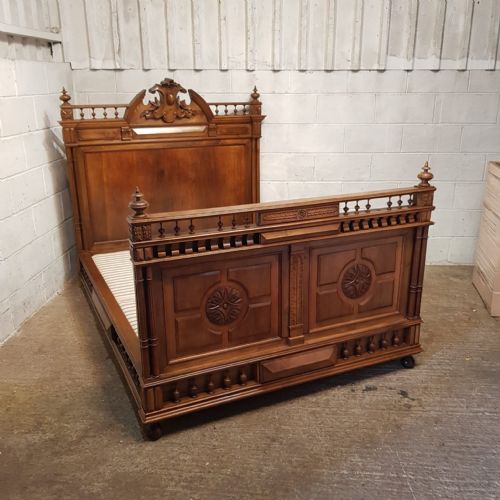
When you search for late victorian bed frames, you encounter a robust selection of double, single, and king-sized furniture pieces dating from around 1890 to 1900. These items encompass substantial cast iron daybeds, campaign designs with detachable legs, and grand wooden bedsteads built to last.
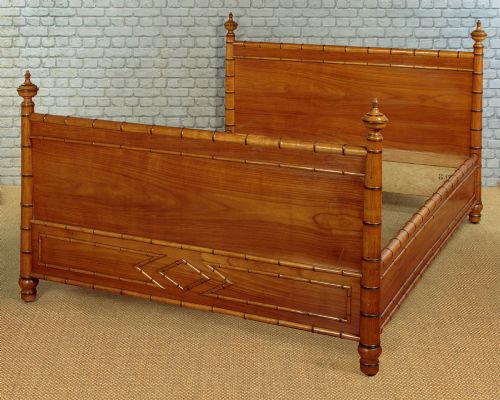
The materials and styles span from gleaming brass and painted faux bamboo to French walnut and satinwood structures. You meet pieces reflecting diverse design movements such as the Aesthetic Movement, Arts and Crafts, and French Renaissance Revival.
How they were made
These frameworks combine durable cast iron and heavy brass with solid timbers like walnut, pine, and satinwood. Metal components often feature tubular brass fittings and detailed cast iron scrollwork or daybed frames.
Wooden examples utilise turned hardwood, painted finishes, and faux bamboo detailing to achieve their distinct late nineteenth-century aesthetic. Joinery methods of the period ensure the structural integrity of these large sleeping units.
Late Victorian Bed Frames Retail Price Guide 2026
Typical asking prices for late victorian bed frames among the pieces listed under this phrase on Sellingantiques today, from the lower quarter to the upper quarter. They describe what is for sale here now, not the wider market.
Some beds feature clever detachable legs specifically designed for nineteenth-century officers on the move.
What varies in quality
The distinction between standard examples and the finest works lies in the sophistication of the materials and the intricacy of the cabinetmaking or metal casting. Elaborate painted decoration on satinwood by notable makers elevates a piece far above utilitarian designs.
The complexity of the form also shapes the standard, particularly in adjustable campaign mechanics or sophisticated turned woodwork. Metal frames demonstrate quality through the weight of the casting and the preservation of the original brass polish.
Hoskins & Sewell·Shapland and Petter·Maple and Co
The Late Victorian Bed Frames Glossary
- Bedstead
- The framework of a bed, consisting of headboard, footboard, and rails designed to support a mattress. This term frequently appears in nineteenth-century furniture descriptions.
- Campaign bed
- A portable bed designed for easy disassembly and transport, often featuring detachable legs and folding iron mechanisms. These pieces originated for military use while travelling.
- Faux bamboo
- Wood turned and painted to imitate natural bamboo stalks, a decorative technique popular during the nineteenth century. This style surfaces frequently on lighter bedroom furniture.
- Aesthetic Movement
- A late nineteenth-century design style that emphasised visual beauty over narrative or moral themes. Furniture in this manner often displays clean lines and artistic painted details.
Late Victorian Bed Frames: Frequently Asked Questions
How do I fit a modern mattress?
Many antique frames feature non-standard interior dimensions that differ from current sizing conventions. You may need a custom-made mattress to ensure a proper fit within the side rails.
Supporting slats or modern base platforms can often be adapted to sit securely within the original iron or timber ledges without altering the historic structure.
Are these beds easy to assemble?
Most of these frames utilise traditional iron wedge-locks or heavy screw bolts that dismantle simply for transport. Having two people simplifies the process of aligning the heavy headboards, footboards, and side rails.
Campaign versions offer even simpler disassembly through detachable legs and folding components designed for swift movement.
Can brass and iron be cleaned?
Metal components benefit from gentle dusting and occasional specialist cleaning to preserve the finish without stripping patination. Avoid abrasive compounds that can permanently scratch delicate brass surfaces or painted iron details.
Wooden sections require only standard furniture wax applied sparingly to maintain the natural moisture and sheen of walnut or satinwood.
How do I identify a true period piece?
Examine the construction methods, such as hand-turned hardwood details, heavy cast iron joints, and period-specific timber selections like satinwood and walnut. Maker stamps and brass tags also help confirm the origins of high-end workshop pieces.
Stylistic cues like faux bamboo turnings and Aesthetic Movement painted decoration place the construction firmly in the late nineteenth century.