



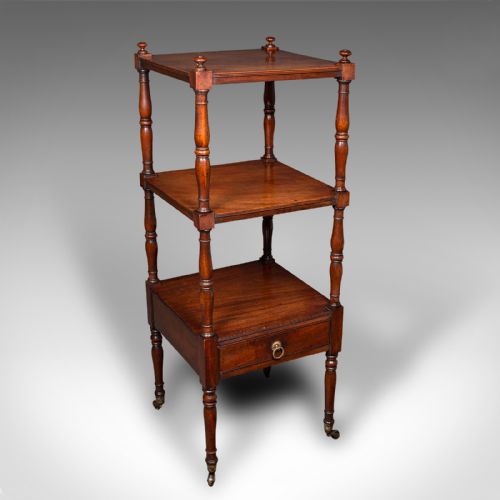


Late Regency Furniture
Late regency furniture bridges the austere neoclassical restraint of the early nineteenth century and the heavier ornamentation of the early Victorian era.
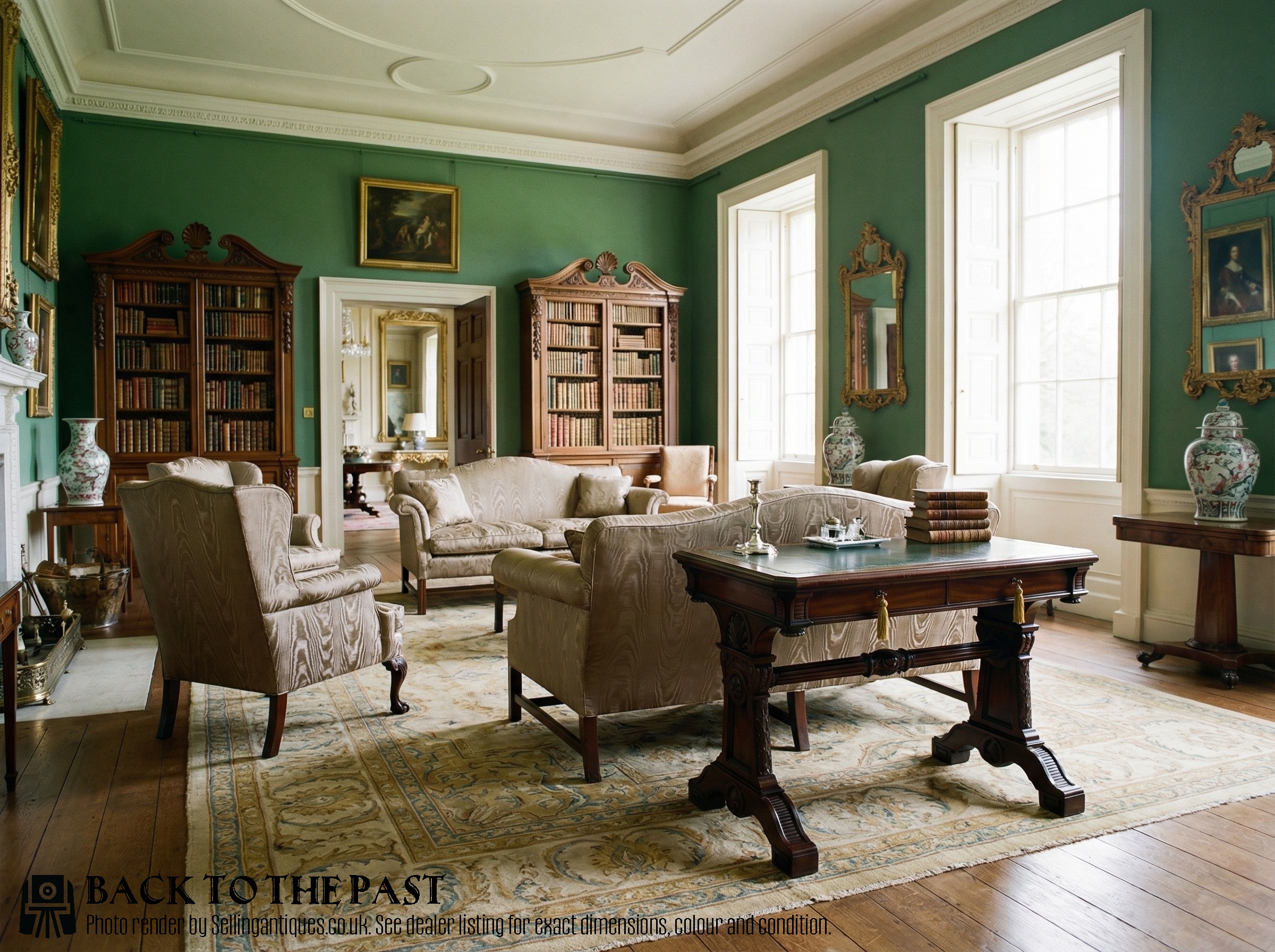
Late Regency Furniture
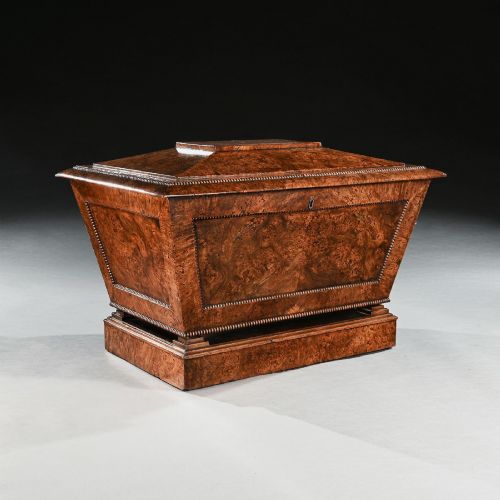
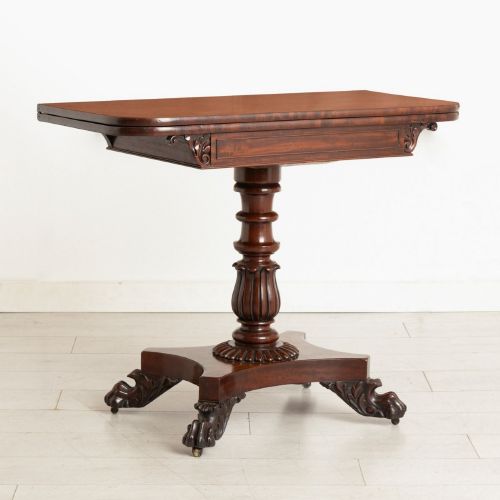
Late regency furniture comprises utilitarian forms and refined writing pieces created during the transitional decades around the early nineteenth century. Buyers searching for late regency furniture encounter items designed for specific domestic duties, including desks, dining chairs, card tables, and cellarettes.
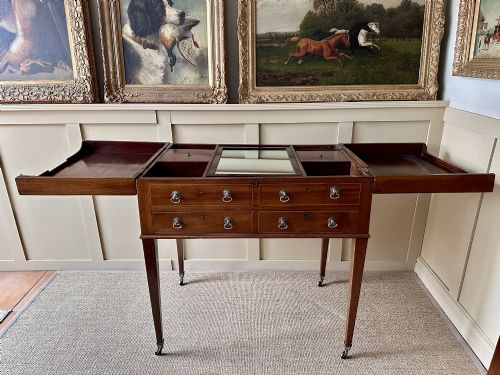
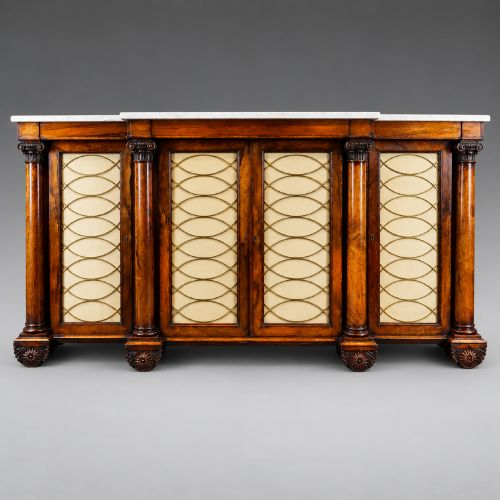
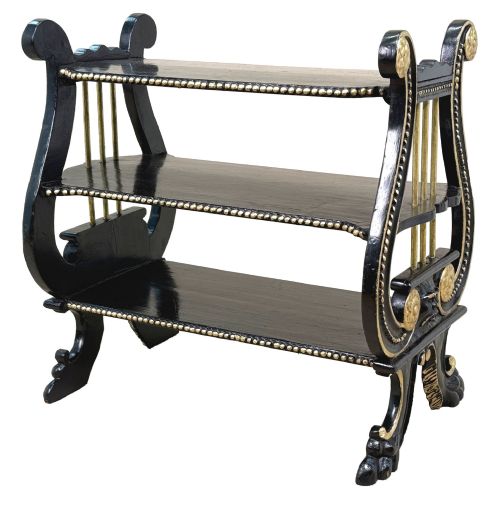
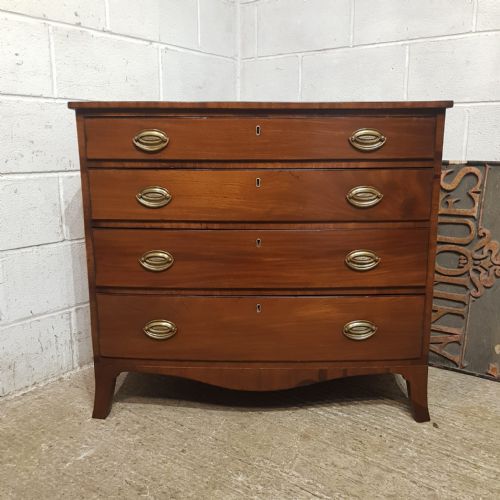
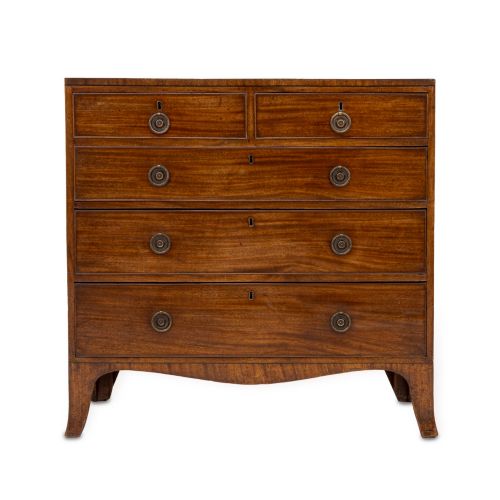
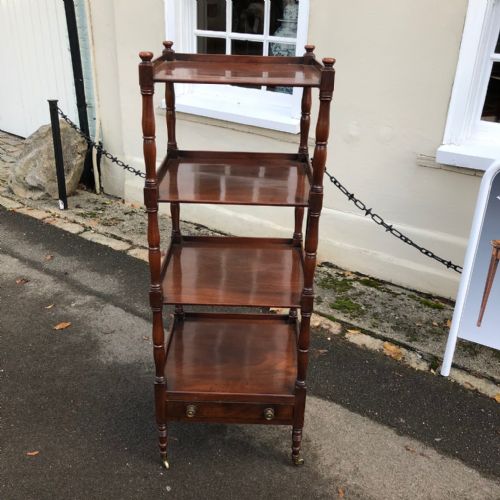
The pieces appearing on this page demonstrate the period's preference for dark hardwoods and architectural proportion. Common forms range from bow-front chests of drawers and library tables to étagères and metamorphic seating.
Originating in an era spanning the Georgian, Regency, and early Victorian periods, these items reflect both neoclassical design principles and emerging comfort demands. Makers of the time utilised domestic and imported timbers to construct functional items for the principal rooms of the house.
How they were made
Cabinet makers constructed late regency furniture primarily using solid and veneered mahogany, rosewood, satinwood, and pollard oak over resilient carcase timbers. Surfaces often incorporated brass mounts, leather inserts for writing desks, and ebonised or parcel gilded details.
Construction relied on traditional joinery methods suited to dense timbers, allowing for curved drawer fronts, reeded legs, and turning. Timber selection determined the visual impact, with figured veneers matched across primary surfaces while secondary woods lined drawer interiors.
Late Regency Furniture Retail Price Guide 2026
Typical asking prices for late regency furniture among the pieces listed under this phrase on Sellingantiques today, from the lower quarter to the upper quarter. They describe what is for sale here now, not the wider market.
Object forms recorded here include desks, chests of drawers, étagères, cellarettes, wine coolers, card tables, dining chairs, and Davenport desks.
What varies in quality
Quality in late regency furniture rests upon the selection of timber and the precision of its figure, such as pollard oak or burr elm. Superior examples exhibit deliberate choice in veneer matching and grain alignment across prominent surfaces.
The integration of secondary materials like brass hardware and leather writing surfaces also separates standard production from exceptional workshops. Construction integrity is visible in the stability of structural joints and the refined execution of carved or gilded details.
Gillows·Thomas Myers of Gillows·Morgan and Sanders·Holland and Sons·Richard Bridgens
The Late Regency Furniture Glossary
- Cellarette
- A lockable container designed for holding bottles of wine near the dining table. These storage pieces often featured lead-lined interiors for cooling.
- Étagère
- An open tiered shelving unit used for displaying decorative objects and books. The form provides multiple open surfaces supported by slender uprights.
- Metamorphic
- A descriptive term for furniture that transforms from one functional form into another, such as a chair converting into library steps. This ingenuity reflects the period's interest in space-saving domestic design.
- Canterbury
- A low stand featuring slatted partitions, originally designed for storing sheet music or loose periodicals. These small rack units frequently rested on castors for mobility.
- Pollard oak
- Timber taken from a tree that has been pollarded, yielding wood with a dense, clustered grain pattern. Cabinet makers valued this figured timber for prominent panels on high-status items.
Late Regency Furniture: Frequently Asked Questions
What is a late regency cellarette used for?
A cellarette functioned as a specialised wine container placed in the dining room to keep bottles secure and cool during meals.
Interior metal linings allowed servants to pack the compartment with ice or water, protecting the wine before service.
How do I identify late regency chairs?
Late regency chairs typically display dark woods like rosewood or mahogany with curved structural elements and reeded legs.
Upholstered seats and neoclassical motifs distinguish these dining and library chairs from earlier Georgian seating designs.
Where were library tables placed?
Library tables stood centrally within private studies or libraries rather than pushed flush against room walls.
Finished on all sides, these freestanding desks allowed users to work from multiple angles while displaying figured mahogany or rosewood surfaces.
How do I distinguish late regency from Victorian pieces?
Late regency pieces retain restrained neoclassical proportions and crisp lines inherited from earlier Georgian design traditions.
Victorian items often introduce heavier proportions and denser ornamentation compared to the transitional furniture of the 1820s and 1830s.