




Late 19th Century Pottery
Late 19th century pottery brings together diverse global traditions, offering expressive ceramic forms ranging from European faience to Japanese Satsuma ware.
Late 19th Century Pottery
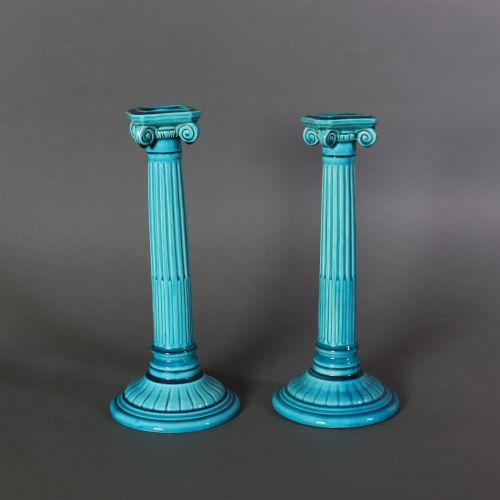
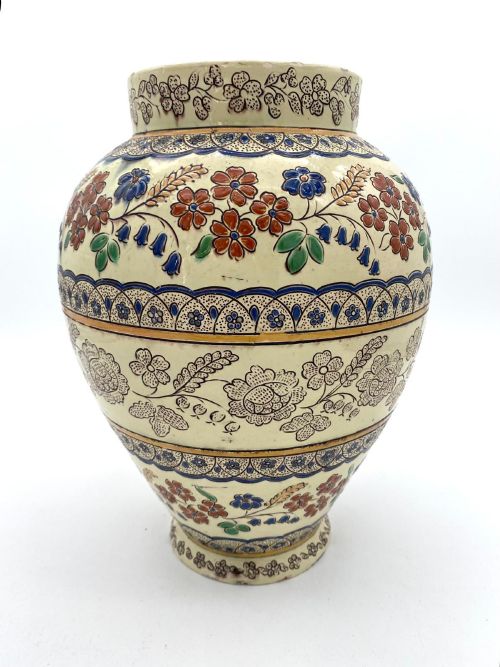
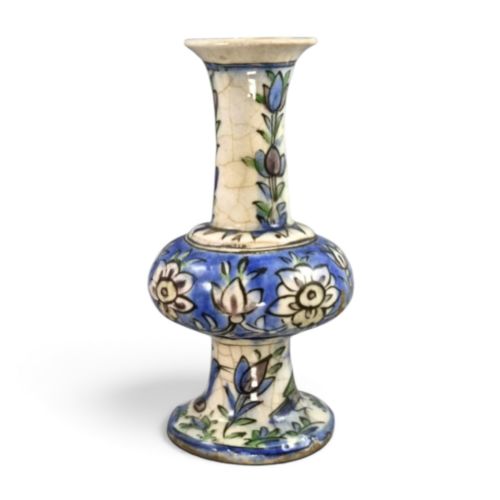
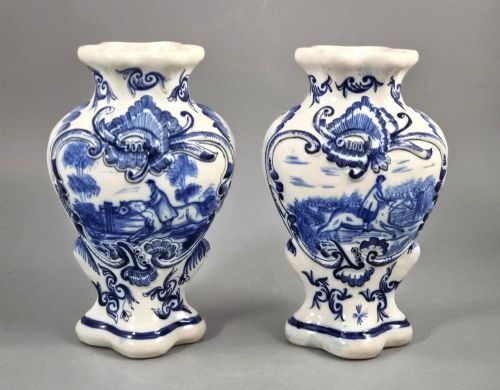
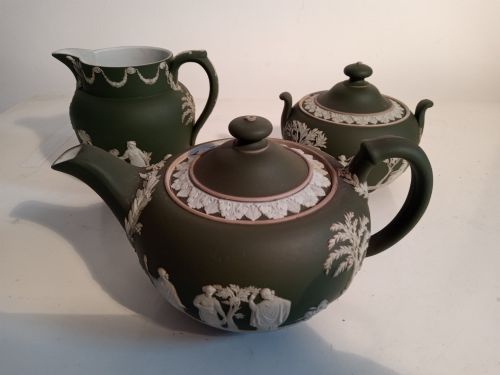
Late 19th century pottery encompasses a broad international array of ceramic objects produced during the Victorian era and the broader fin-de-siècle period. When exploring late 19th century pottery, buyers encounter functional and decorative vessels such as vases, candlesticks, ewers, and tea sets alongside animal figures and desktop accessories.
The selection reflects varied stylistic influences, merging European aesthetic movements and traditional folk arts with Asian ceramic traditions including Japanese Satsuma and Chinese Shiwan wares. This global cross-pollination means pieces vary greatly in form, from domestic Dutch Delft cows to grand Persian-influenced ewers and delicate miniature vases.
Materials and production techniques
Potters of this era utilised diverse ceramic bodies including earthenware, stoneware, porcelain, and specialised faience. Earthenware and faience often provided porous bases for rich opaque glazes, tin-enamel finishes, and colourful hand-painted polychrome decoration.
Many items incorporate specialised surface treatments such as gold leaf accents, slipware decoration, and intricate transfer printing or hand-applied enamel. Firing techniques varied widely by region, allowing for deep crackle glazes, celadon washes, and high-gloss finishes characteristic of late Victorian and Meiji period kilns.
Late 19th Century Pottery Retail Price Guide 2026
Typical asking prices for late 19th century pottery among the pieces listed under this phrase on Sellingantiques today, from the lower quarter to the upper quarter. They describe what is for sale here now, not the wider market.
A porcelain spoon warmer shaped like a duck adds a touch of practical Victorian humour to the dining table.
Factors of quality in ceramic pieces
Quality in these ceramics rests primarily on the precision of the modelling and the execution of the surface decoration. Superior examples display crisp details in moulded figures, clean glaze application without pooling or unwanted bubbling, and meticulous hand-painting.
The reputation of the maker and the artistic ambition of the design elevate certain pieces above standard commercial output. Works showing distinct stylistic innovation, such as pieces designed by Christopher Dresser or produced by leading potteries, demonstrate superior craftsmanship.
Burmantofts Faience·Wedgwood·Minton·Doulton Burslem·Sarreguemines·Moorcroft Macintyre
The Late 19th Century Pottery Glossary
- Faience
- Tin-glazed earthenware produced in Europe, often featuring colourful painted decoration over a white opaque glaze. This technique was widely utilised by French and English potteries during the period.
- Satsuma
- Japanese earthenware pottery featuring a crackle-glazed ivory body decorated with intricate polychrome enamel and gold leaf. These pieces frequently depict figural processions or landscapes.
- Majolica
- A type of earthenware coated with an opaque tin glaze and painted with bright metal oxide colours. Victorian potteries produced various utilitarian and decorative items using this technique.
- Shiwan
- Chinese pottery originating from Guangdong province, known for heavy, expressive modelling and striking coloured glazes. Figures and vessels often display rich monochromatic or flowing crystalline surfaces.
- Slipware
- Pottery decorated with a liquid clay mixture applied to the wet ceramic body before firing. This traditional method creates contrasting surface patterns and textures.
Late 19th Century Pottery: Frequently Asked Questions
How do I identify late 19th century pottery?
Examination of the base often reveals impressed factory marks, painted artist ciphers, or registration numbers characteristic of the period. Stylistic clues such as Aesthetic Movement motifs or Meiji period ornamentation also help date the ceramic object.
Material composition provides additional context, as specific paste types and glaze formulations align closely with late Victorian and continental European manufacturing standards.
Were these items used daily or displayed?
Many pieces served decorative roles in Victorian and Edwardian interiors, placed on mantelpieces, desks, or cabinets. Items like vases and decorative figures were primarily intended to showcase refined taste and artistic interest.
Other objects, such as tea sets, ewers, inkwells, and spoon warmers, fulfilled practical domestic functions while maintaining high aesthetic standards in their design and execution.
How do I care for antique ceramic pieces?
Ceramics from this era require gentle handling and should be kept away from direct sunlight and sudden temperature fluctuations. Dusting with a soft, dry cloth is usually sufficient for routine maintenance.
Avoid submerging pieces with delicate enamel, gold leaf, or porous earthenware bodies in water, as moisture can damage fragile surface decorations and old repairs.
What regions produced this pottery?
Production spans several continents, with significant contributions from British potteries, French ceramic artists, and Austrian studios. Continental European works sit alongside traditional Dutch Delftware and Swiss folk art pieces.
Asian imports, particularly Japanese Satsuma wares and Chinese Shiwan pottery, reflect the era's strong European fascination with Eastern aesthetic traditions.