
Late 19th Century Cupboard
A late 19th century cupboard offers practical storage through diverse regional forms, bringing period character into modern rooms.
Late 19th Century Cupboard
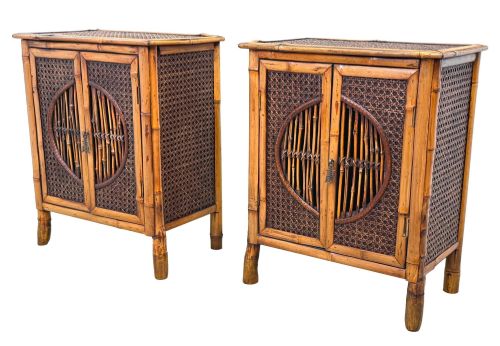
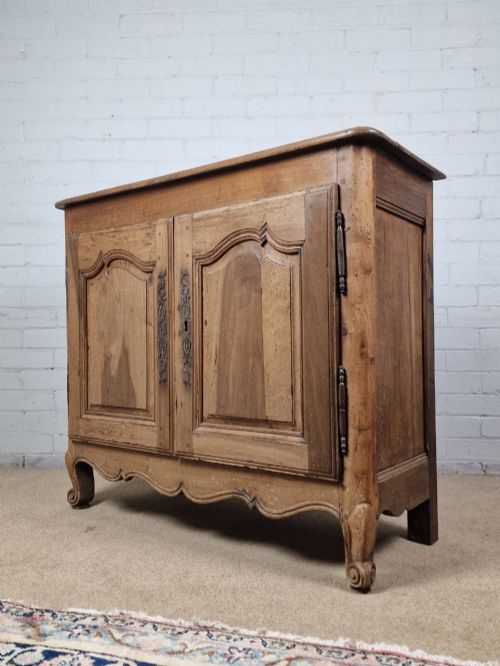
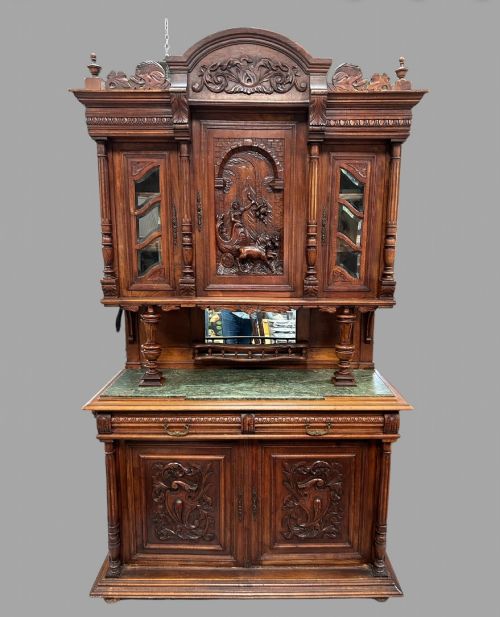
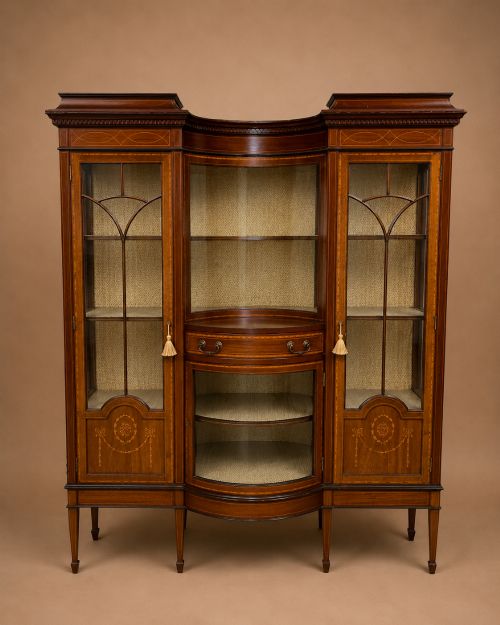
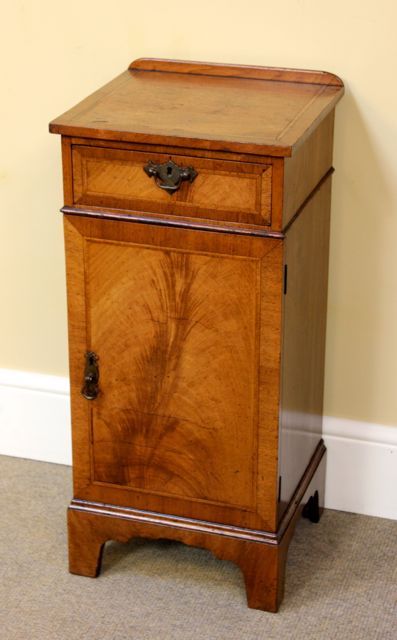
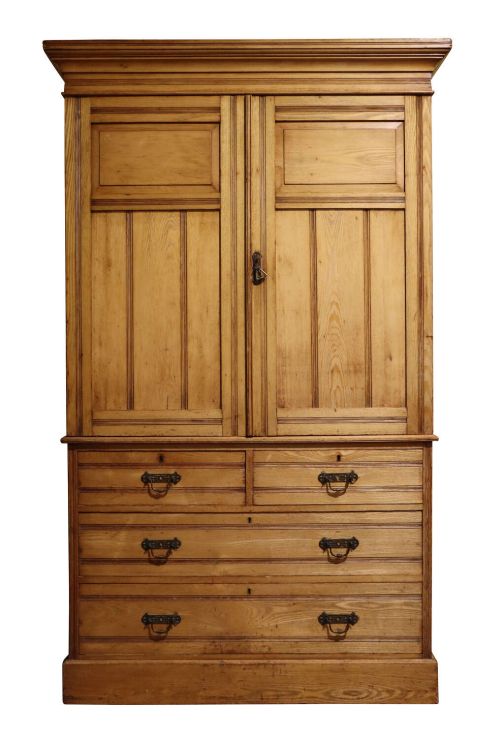
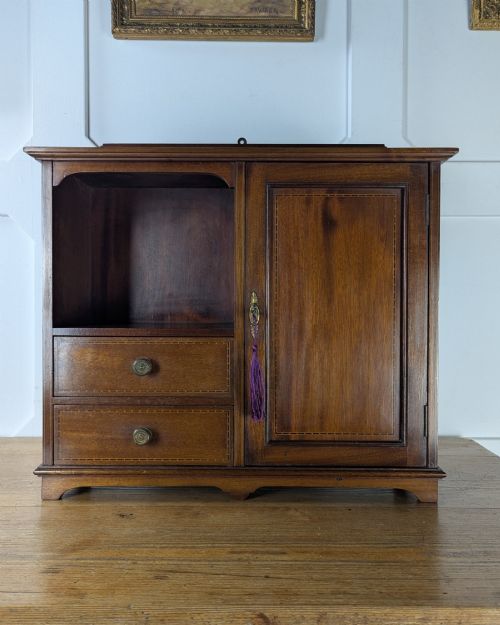
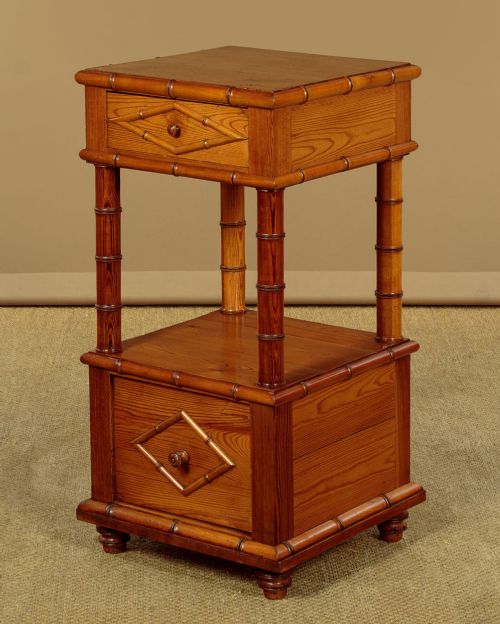
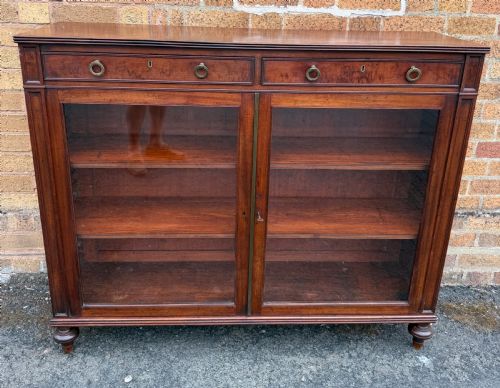
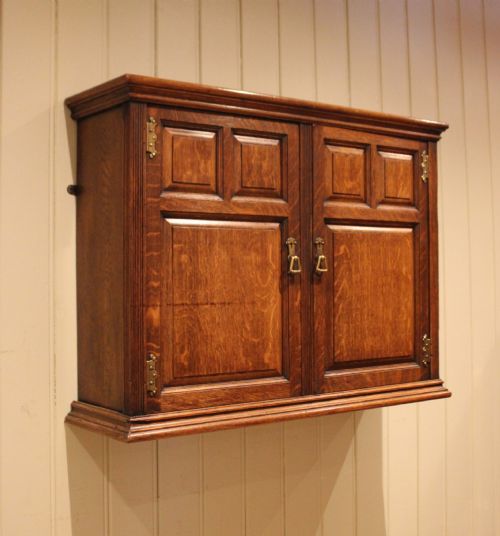
A late 19th century cupboard spans a wide variety of domestic furniture types, ranging from compact bedside cabinets and pot cupboards to larger kitchen larders, library bookcases, and glazed display cabinets.
Buyers frequently encounter Victorian mahogany, walnut, and pine examples alongside continental walnut and French provincial designs.
These pieces reflect the utilitarian and decorative storage needs of the period, utilising timber carcasses configured with doors, drawers, and shelving.
How they were made
Cabinet makers constructed these pieces primarily from solid hardwoods like mahogany, walnut, oak, and ash, alongside softer utility timbers such as pine.
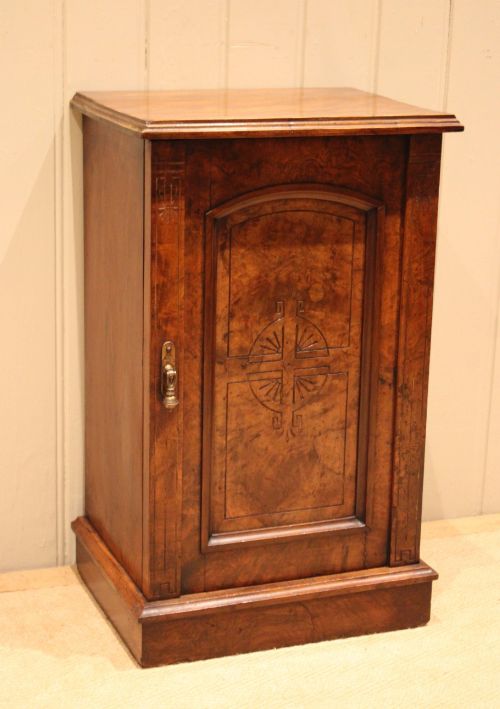
Surface decoration frequently involved wood veneers, intricate inlays utilising satinwood or brass, hand carving, and applied lacquer or paint finishes.
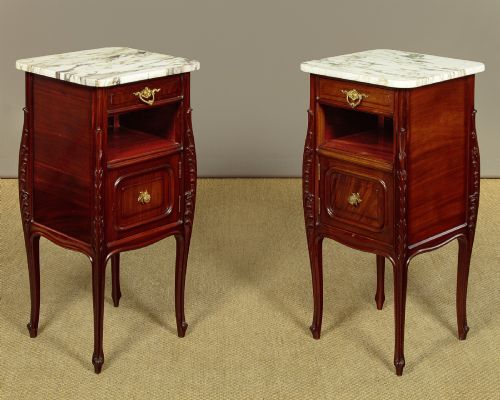
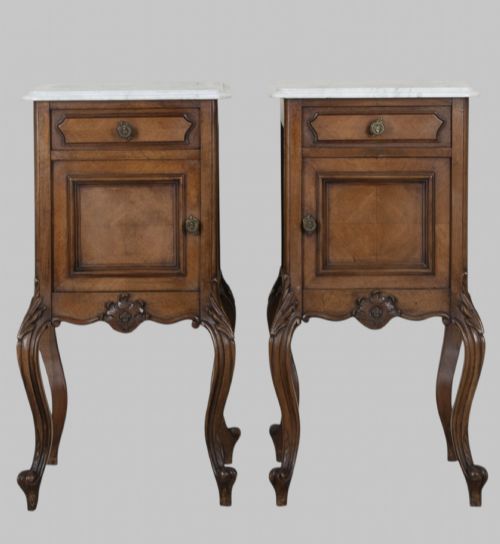
Many variants incorporated functional details including marble tops, glazed panel doors, and ceramic or brass hardware.
Listings feature woods such as mahogany, walnut, oak, satinwood, and pine alongside decorative applications of lacquer and marble.
What varies in quality
The standard of timber selection and joinery execution largely separates standard utility cupboards from finer workshop productions.
Consideration is given to the sophistication of surface ornament, such as precise marquetry inlay, carved relief work, and the original integrity of glass panels and hardware.
Maple & Co.·E. Kahn·Edwards & Roberts·Gabriel-Frederic Viardot·Henry Ogden & Son
The Late 19th Century Cupboard Glossary
- Bedside Cabinet
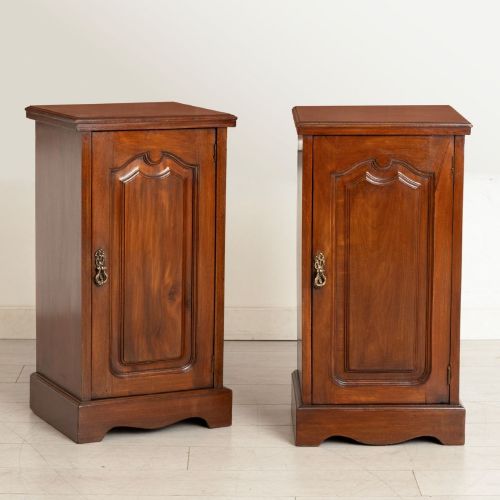
- A small enclosed storage piece designed to stand beside a bed, often featuring a single door and drawer. These frequently appear in matching pairs from the Victorian period.
- Linen Press
- A tall two-stage storage piece traditionally used for storing folded linens, typically featuring upper doors enclosing sliding trays above a base of drawers.
- Bombe
- A swelling, convex curved shape characteristic of certain continental furniture forms. This profile requires advanced woodworking skill to construct.
- Aesthetic Movement
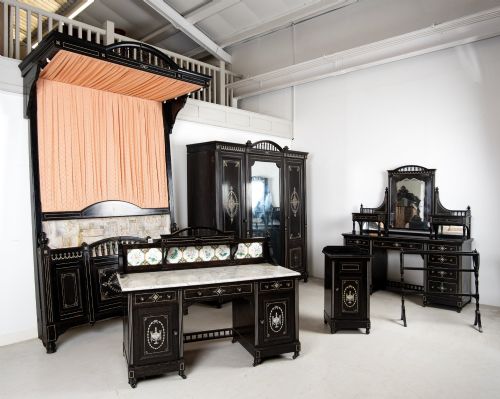
- A late 19th-century design style that emphasised visual beauty over narrative meaning, often drawing inspiration from Japanese art and employing ebonised wood.
- Pot Cupboard
- A compact bedside cabinet originally designed to house a chamber pot. They frequently incorporate a marble top for hygiene.
Late 19th Century Cupboard: Frequently Asked Questions
What is a pot cupboard?
A pot cupboard is a small bedside cabinet historically designed to house a chamber pot behind a single door.
These pieces often feature durable marble tops that provided a hygienic surface for washing equipment.
How do I identify a Victorian cupboard?
Victorian cupboards are generally identified by their use of dense timbers like mahogany and walnut, alongside characteristic revival styles.
Makers of this era frequently employed dark finishes, heavy brass hardware, and panelled door constructions.
Where were these cupboards used?
These cupboards served functional roles across multiple domestic spaces, including bedrooms, kitchens, and libraries.
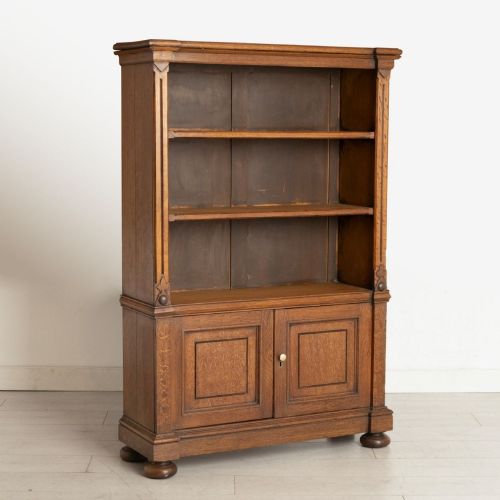
Smaller variants acted as bedside storage, while larger pine and oak versions functioned as larder cupboards or bookcases.
Are marble tops original?
Many late 19th-century bedside and washstand cupboards were originally constructed with fitted marble tops to withstand moisture.
These stone surfaces provide a distinct weight and colour contrast to the underlying mahogany, walnut, or pine carcasses.
What is an aesthetic movement cupboard?
An aesthetic movement cupboard reflects late 19th-century design philosophies that prioritized visual harmony and Japanese-inspired motifs.
These pieces often utilise ebonised wood surfaces, gilt highlights, and intricate bamboo or faux bamboo turnings.