


Late 18th Century Giltwood Mirror
A late 18th century giltwood mirror brings an unmistakable warmth and architectural presence to a room through centuries-old carving and gold leaf.
Late 18th Century Giltwood Mirror
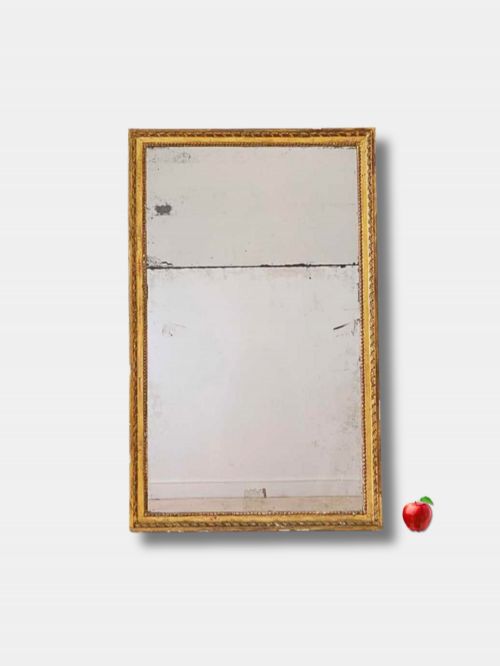
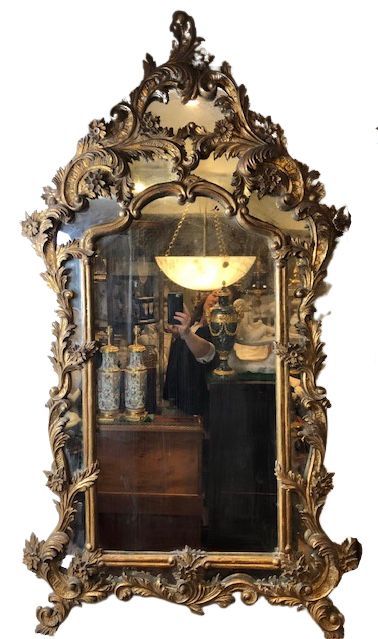
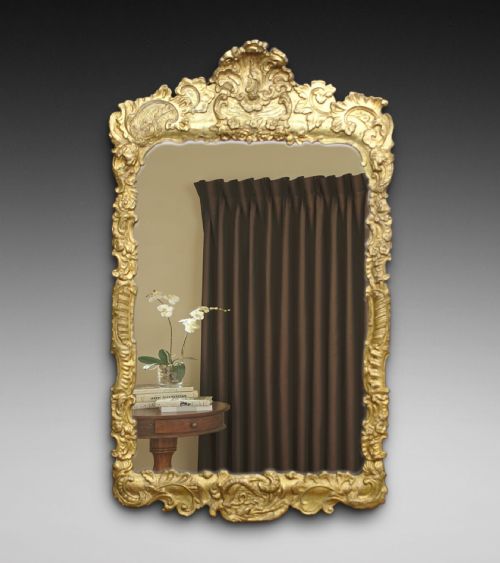
A late 18th century giltwood mirror represents a period of refined craftsmanship across European workshops, spanning styles from Neoclassical restraint to Italian Rococo exuberance. Buyers seeking a late 18th century giltwood mirror will encounter wall-hanging forms, pier glasses, and girandoles designed to reflect candlelight and brighten period interiors.
The pieces appearing on this page originate predominantly from French, Italian, and English traditions, manifesting as large vertical pier mirrors, oval Florentine frames, and smaller provincial wall mirrors. Neoclassical symmetry and Rococo asymmetry both define the physical presence of these surviving objects.
Many examples retain their original mercury glass plates, showing characteristic foxing and depth that modern glass cannot replicate. Whether configured as a pair of girandole mirrors or a single grand wall hanging, each piece carries the distinct regional carving habits of the late 1700s.
Materials and construction
Makers built these frames using timber bases coated in layers of gesso, a mixture of chalk and binder that accepted intricate carved details and crisp moulding lines. Artisans then applied thin sheets of gold leaf over the prepared gesso ground, burnishing parts of the surface to create a contrasting matte and glossy finish.
The reflective components consist of mercury glass mirror plates, secured within the wooden rebates by primitive backing boards and holding pins. Iron and brass fixings support the structural weight of the larger pier glasses, while hand-carved wooden frames distribute the load of the heavy glass plates.
Papal coats of arms and twin keys occasionally carved into the cresting remind us that some mirrors answered to higher authorities than mere interior decorators.
Quality differences in period mirrors
Depth and sharpness of the hand-carving separate standard provincial frames from pieces commissioned for grand salons, where crisp acanthus leaves and urn motifs show superior chisel work. The survival rate of the original gold leaf and the subtlety of the gesso preparation dictate the visual richness of the surface.
The integrity of the mercury glass plate contributes heavily to the character of the object, with undisturbed original plates holding more historical weight than later replacements. Structural rigidity in the timber joints and minimal historic repair to the delicate gesso ornament indicate how carefully a piece has been kept over the centuries.
The Late 18th Century Giltwood Mirror Glossary
- Giltwood
- Wood carved and covered with gold leaf applied over a fine gesso ground. This finish provides the characteristic metallic gleam seen on period frames.
- Gesso
- A plaster mixture applied to the wooden frame base to create a smooth surface for carving and gilding. It allows for sharp, crisp decorative details.
- Mercury glass
- A type of mirror plate made by coating the rear glass surface with a mercury-tin amalgam before sealing. It produces a deep, mottled reflection with characteristic dark spots known as foxing.
- Pier glass
- A tall, narrow mirror designed specifically to hang on the wall space between two windows. These pieces often feature elaborate crestings and lower aprons.
- Girandole
- A wall mirror featuring attached candle sconces designed to multiply the light in a room. The reflective surface bounces the candlelight across the interior.
Late 18th Century Giltwood Mirror: Frequently Asked Questions
How do I clean a giltwood mirror?
Dust the carved surface gently with a soft, dry brush to prevent disturbing the delicate gold leaf layers. Avoid all liquid cleaners and commercial polishes, which can strip the historic gilding.
Clean the glass plate using a damp cloth applied sparingly, ensuring no moisture drips onto the gesso or wooden frame. Professional conservation advice is recommended for deep restoration work.
How do I hang a heavy wall mirror?
Heavy period mirrors require robust wall fixings secured directly into structural studs or solid masonry walls rather than plaster alone. Professional installation using appropriate steel brackets ensures the weight distributes safely.
Check the stability of the wooden frame joints and hanging loops before mounting any large piece. Ensuring the wall plate bears the primary load protects the historic frame from undue stress.
What is the difference between Neoclassical and Rococo styles?
Neoclassical mirrors emphasise symmetry, straight lines, classical urns, and architectural restraint popular in the late 18th century. They offer a formal and structured appearance suited to orderly interiors.
Rococo mirrors feature asymmetric scrolls, C-curves, and naturalistic plant motifs that prioritize movement and theatrical flourish. Italian and French workshops interpreted these styles with distinct regional carving techniques.