

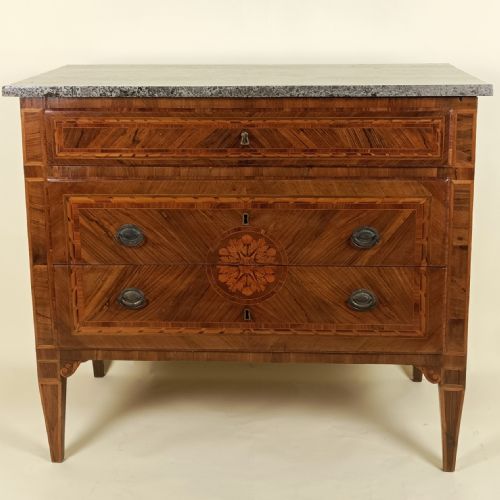


Late 18th Century Dresser
A late 18th century dresser provides robust storage and practical display, uniting regional craftsmanship with enduring utility.
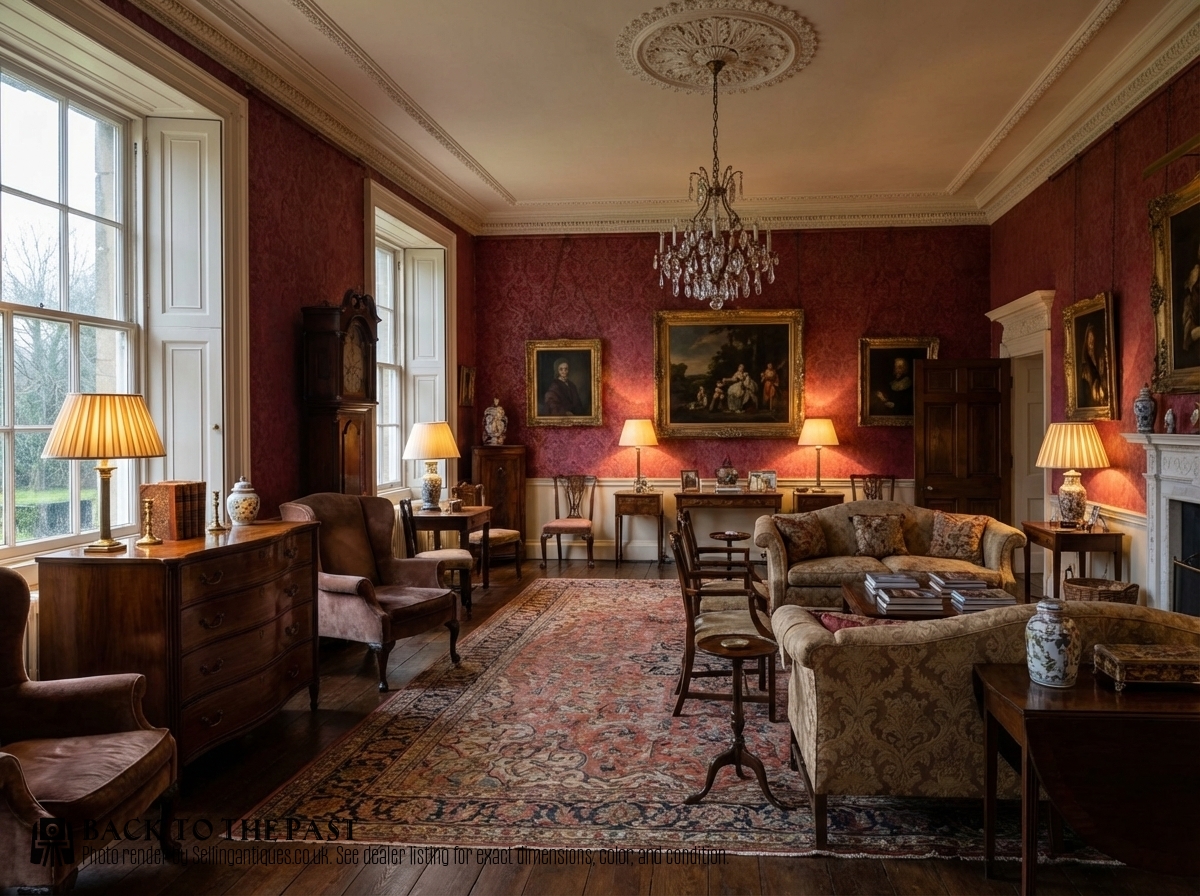
Late 18th Century Dresser
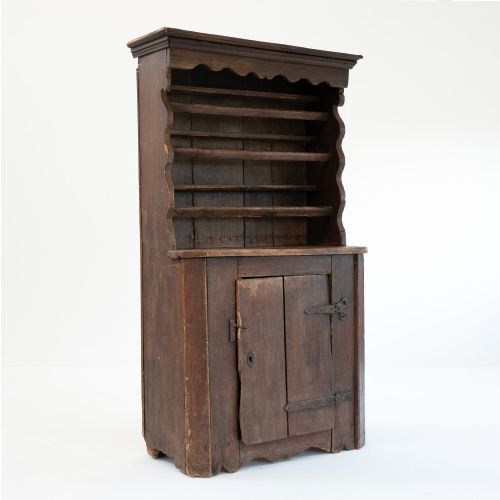
When you search for a late 18th century dresser, you enter a domain dominated by regional timber utility and George III proportion. The most common form on this page is the oak dresser base, frequently accompanied by its original or associated plate rack, hailing from Welsh regions like Glamorganshire or North Wales.
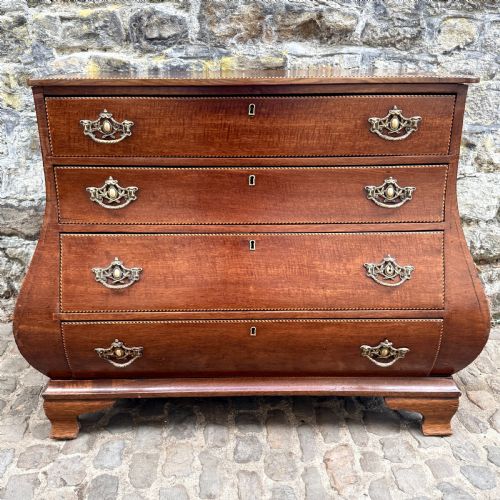
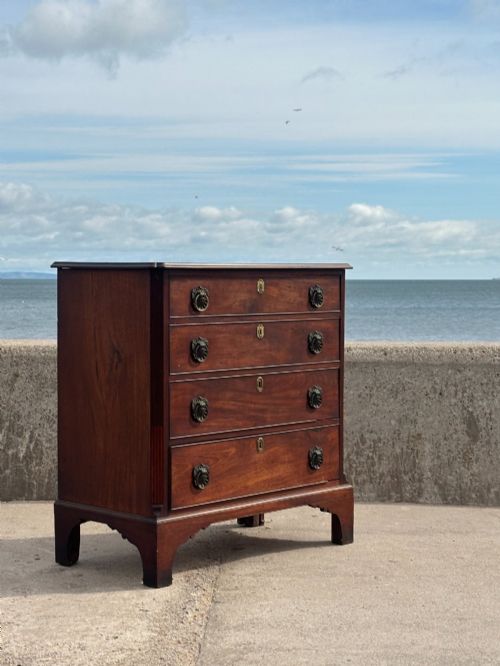
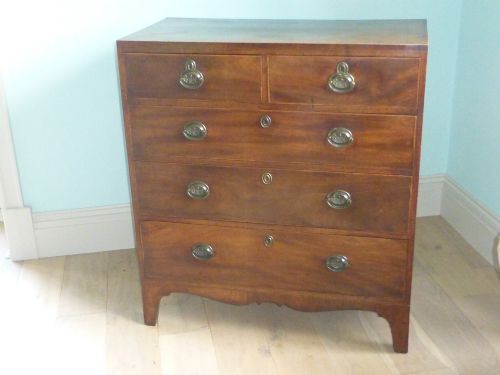
Beyond the regional oak pieces, the search encounters related domestic storage formats spanning the period. These range from Irish painted examples and pine food cupboards to sophisticated mahogany gentleman's chests, serpentine commodes, and Dutch or Italian neoclassical specimens.
The domestic function of these pieces centres on organisation, offering deep drawers, potboards for kitchen storage, and open shelving for plates. They represent the transition from utilitarian farmhouse furniture to refined domestic joinery across Georgian Britain and continental workshops.
Assessing Quality and Execution
The upper tier of these pieces distinguishes itself through timber selection, display proportion, and the survival of original integrated plate racks. Superior examples maintain uncompromised structural integrity, crisp joinery angles, and rich natural surface patination.
Lower quality or heavily restored examples often exhibit replaced timber sections, mismatched plate racks, or stripped surfaces that lack the depth of historic wax build-up. The refinement of the moulding work, the precision of the bracket feet, and the balance of the proportions dictate the standing of each individual piece.
Listings demonstrate a strong prevalence of regional oak among country dressers, contrasted with mahogany and walnut in formal Georgian pieces.
The Late 18th Century Dresser Glossary
- Dresser base
- The lower cabinet portion of a dresser, featuring drawers and cupboards, often used independently as a sideboard or serving table.
- Plate rack
- The upper shelving unit designed to sit atop a dresser base for displaying ceramic plates and platters.
- Potboard
- An open lower shelf built near the floor on traditional country dressers, originally intended for storing heavy pots and pans.
- Serpentine
- A curved line forming a front shape with a convex centre flanked by concave ends, common on formal Georgian chests and commodes.
- Patina
- The deep, lustrous surface sheen developed on timber over decades of handling, polishing, and natural ageing.
Late 18th Century Dresser: Frequently Asked Questions
What is a potboard dresser?
A potboard dresser is a traditional country form featuring an open lower shelf positioned close to the floor between the legs. This sturdy lower tier provided practical storage for heavy culinary pots and utilitarian kitchen wares.
Over time, these open shelves developed a characteristic warm patina from daily use and cleaning. They remain a defining feature of regional oak furniture from Welsh and northern English workshops.
Were plate racks always made with dressers?
Many provincial dressers were constructed as integrated units comprising both the lower base and the upper plate rack. However, plate racks were also built separately and occasionally became paired with base units at later dates.
Examining the timber grain, fixing methods, and surface wear helps determine whether a base and its rack share a unified history. Both matched pairs and married pieces appear frequently in historical records.
How do I care for an oak dresser?
Preserving historic oak requires maintaining stable room humidity and avoiding direct placement near heat sources or strong sunlight. Regular application of a traditional beeswax feed helps nourish the timber and maintain its protective barrier.
Cleaning should be performed with a soft, dry cloth rather than modern chemical polishes. This preserves the historical surface patination accumulated over centuries.
What distinguishes Welsh dressers from English ones?
Welsh dressers typically display robust construction in local oak, prioritising functional capacity with deep potboards and generous drawer arrangements. They often reflect the specific regional character of counties like Glamorganshire or North Wales.
English variants from the same era sometimes incorporate more formal Georgian stylistic elements, finer mouldings, or alternative secondary timbers like pine. Both regional traditions shared the primary goal of domestic utility and display.