


Late 18th Century Box
When you search for a late 18th century box, you enter a diverse world of Georgian craftsmanship designed to store everything from tea to documents.
Late 18th Century Box
A late 18th century box encompasses a wide array of functional domestic receptacles produced during the Georgian period, including tea caddies, cutlery boxes, trinket containers, and larger storage trunks. These items served specific household purposes, from safeguarding valuable dry goods like tea to organising personal correspondence and small valuables.
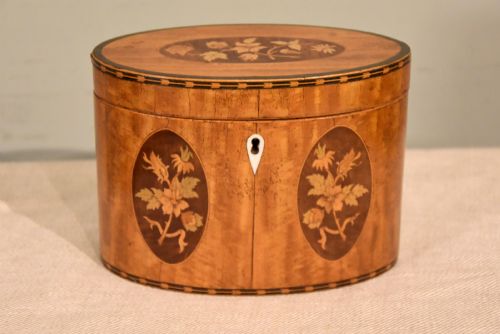
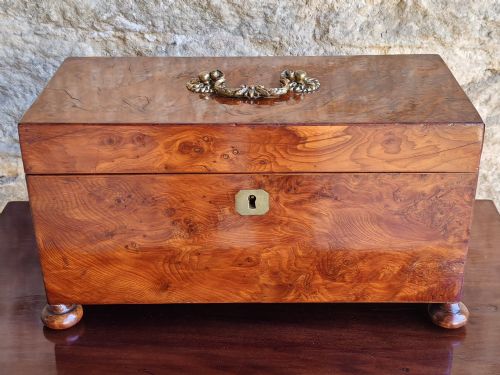
The versions most commonly met on this page reflect the prevailing styles of late Georgian design, featuring classic forms executed in native and exotic woods such as mahogany, oak, and satinwood. Many examples incorporate decorative elements like stringing, butterfly inlays, or brass mounts that typify the aesthetic priorities of the late 1700s.
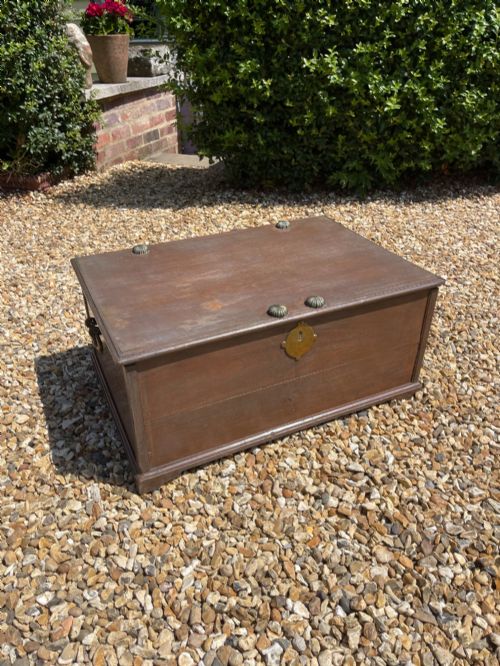
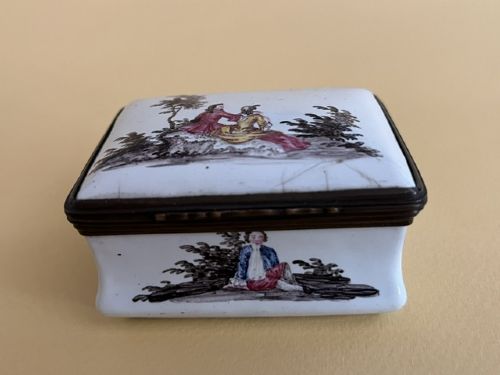
Beyond standard tabletop caddies and desk boxes, the category extends to specialised pieces such as enamel patch boxes, needlework retainers, and robust oak bible or deed boxes. Each form demonstrates how eighteenth-century makers combined utility with refined ornamentation to suit the domestic habits of the period.
Materials and construction methods
Cabinetmakers of this era relied heavily on dense timbers like mahogany, oak, and walnut, often accentuating surfaces with lighter contrasting veneers such as satinwood, boxwood, and harewood. These woods were selected for their stability and grain pattern, allowing craftsmen to create smooth geometric or bow-fronted profiles that withstand warping over centuries.
Construction techniques involved precise joinery, including dovetail corners for boxes and chests to ensure structural longevity under daily use. Metal components such as brass hinges, escutcheons, and bound corners were integrated directly into the design, providing both functional reinforcement and visual contrast to the polished timber surfaces.
Listings feature oak, mahogany, and satinwood alongside specialised materials like enamel and bone.
Factors that separate quality tiers
Quality in these items is determined by the precision of the joinery and the selection of timber figures, where tightly figured grains and symmetrical veneer layouts distinguish superior examples from plain utility pieces. The integration of decorative details, such as finely executed shell or butterfly inlays and well-cast brass mounts, indicates a higher tier of workshop production.
Condition and originality also dictate standing within the range, particularly the survival of original interior partitions, working locks, and historical surface patination. Pieces retaining their fitted compartments, early enamel work, or untouched polished finishes represent the upper level of surviving examples.
Pietro Bracci·Gillows
The Late 18th Century Box Glossary
- Tea caddy
- A small lidded box designed specifically for storing loose tea leaves securely. These containers often featured internal compartments and lockable lids to protect expensive tea.
- Satinwood
- A durable, lustrous exotic timber with a yellowish sheen utilised extensively for veneering and decorative inlays in late eighteenth-century furniture. It provided a bright contrast against darker woods like mahogany.
- Patina
- The surface sheen and coloration developed by wood or metal over decades through handling, waxing, and ageing. A good surface texture enhances the visual depth of antique timber.
- Mule chest
- A traditional storage chest featuring one or more drawers at the base beneath a hinged lid compartment. This form bridges the gap between a standard blanket chest and a chest of drawers.
- Intaglio
- A design engraved into a material such as stone or glass so that the impression sinks below the surface. Grand Tour examples often featured collections of classical motifs cast in plaster.
Late 18th Century Box: Frequently Asked Questions
What were tea caddies used for?
Tea caddies served to store precious tea leaves safely away from moisture and prying hands in the late eighteenth century. Because tea was an expensive commodity, these containers were frequently fitted with small locks and internal lids.
Many examples included multiple compartments to separate different varieties of tea leaves. The key remained with the head of the household to control access.
How do I care for antique wood?
Antique wooden boxes require stable indoor humidity levels and protection from direct sunlight to prevent timber shrinkage or fading. Applying a traditional beeswax polish periodically helps maintain the natural sheen of the surface.
Avoid using modern liquid cleaning sprays or silicone-based polishes on historic finishes. Gentle dusting with a dry, soft cloth is sufficient for routine maintenance.
Are original locks and keys common?
Original locks frequently survive in these pieces, though matching working keys are less common due to centuries of displacement. Many period boxes retained their iron or brass box locks let into the wood.
Finding a piece with its original key adds significant interest for collectors. However, the absence of a key does not detract from the cabinetwork quality.
How can I tell the period?
Dating relies on examining construction techniques, such as hand-cut dovetails, timber choices, and prevailing decorative styles like Neoclassical inlays or brass bound edges. Georgian pieces generally display proportions and hardware characteristic of the late 1700s.
Interior fittings and secondary woods inside the box also offer clues to the manufacturing era. Comparing these structural details with dated examples helps confirm the timeframe.