


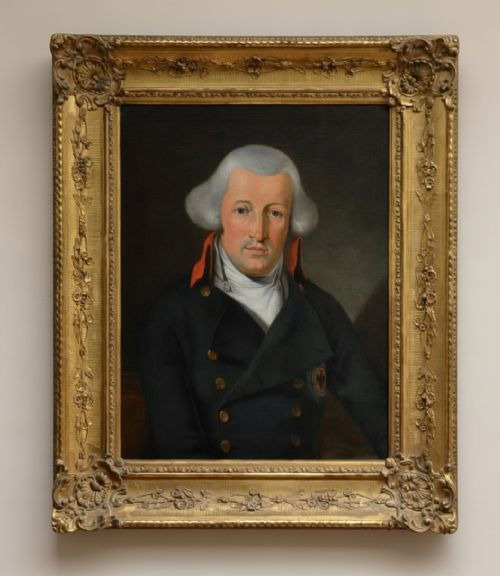
Late 18th Century Artwork
Late 18th century artwork captures the refined portraiture, picturesque landscapes, and religious subjects of the Georgian era, offering collectors authentic period charm.
Late 18th Century Artwork
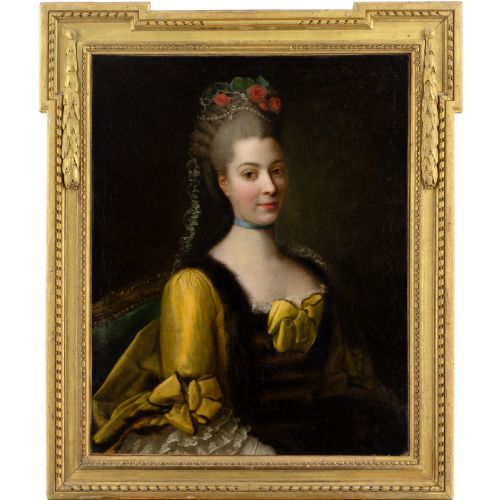
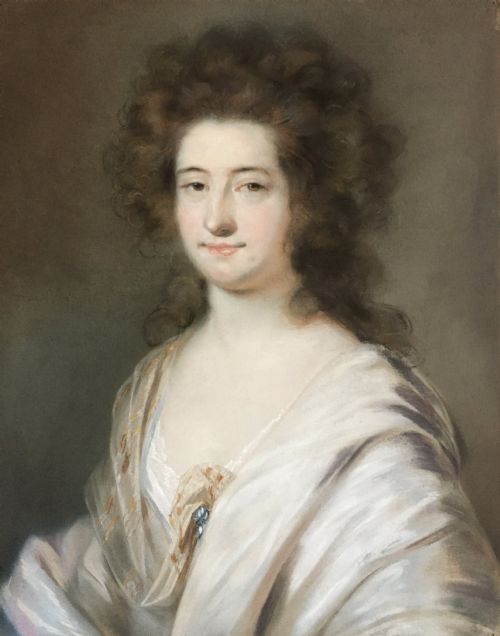
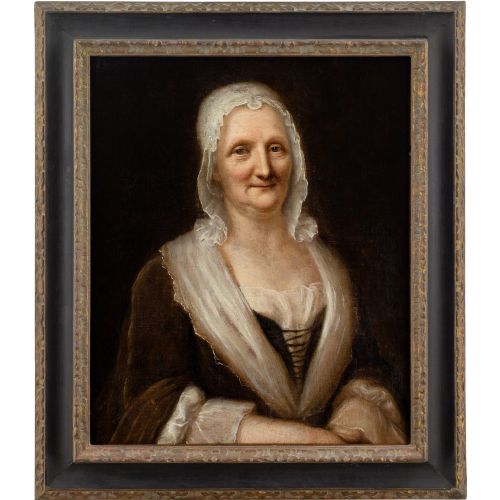
Late 18th century artwork comprises oil paintings, watercolours, pastel portraits, and engravings created during the Georgian period and associated transitional years. Buyers searching for late 18th century artwork encounter diverse regional schools, including French, Dutch, Norwich, and Scottish works that reflect distinct local artistic traditions.
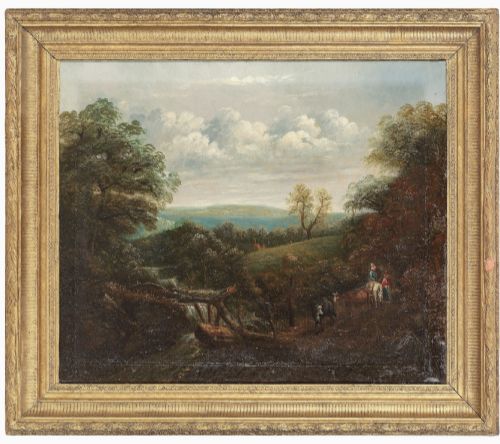
Portraits of elegant women, ladies, and military officers dominate the selection, alongside pastoral landscapes, floral still lifes, and religious scenes. These pieces capture the prevailing aesthetic interests of the era through framed canvases, wood panels, glass pictures, and delicate sketches on paper.
Regional variations span British schools like the Norwich painters, continental Dutch floral compositions, and French school portraiture. Most items bridge the late 1700s and early 1800s, maintaining the distinct stylistic marks of neoclassical and Georgian output.
How they were made
Painters applied oil to canvas, wood panels, or copper plates, utilising ground pigments suspended in drying oils to achieve rich colour depth and lasting durability. Sketch artists and portraitists employed ink, gouache, pastel, and watercolour on prepared paper or silk surfaces, securing fine detail with specialist brushes and nibs.
Engravers and printmakers produced stipple engravings and reverse glass pictures by incising designs onto metal plates or applying pigments directly to glass panels for reflective clarity. Skilled artisans housed these works in giltwood, scroll-mounted, or timber frames designed to complement the visual weight of each composition.
Cattle drinking peacefully in rural idylls share wall space with stern military officers and holy families.
What varies in quality
Hand execution and anatomical proportion distinguish accomplished portraiture from rudimentary workshop production, particularly in the rendering of facial expressions, fabrics, and hands. Master guidance or direct attribution to established followers elevates the artistic merit of landscapes and figurative pieces above standard decorative output.
The preservation of original media - such as the intact surface of an oil painting on canvas or the crisp preservation of a stipple engraving on silk - dictates overall desirability. Frame integration also matters, as period-correct giltwood and scroll-mounted surrounds enhance the integrity of the piece.
John Russell·Edward Dayes·John Inigo Richards·Francesco Piranesi·Richard Cosway·Bartholomeus van Burgindis·Lemuel Francis Abbott
The Late 18th Century Artwork Glossary
- Stipple engraving
- A printmaking technique where artists create images using a dense pattern of dots rather than continuous lines. This method allows for subtle tonal gradations, frequently seen in portraiture and illustrative plates.
- Reverse glass picture
- An artwork painted or transferred onto the reverse side of a glass sheet so the final image is viewed through the transparent pane. The technique yields a glossy surface finish.
- Pastel portrait
- A likeness rendered using powdered pigment sticks bound with gum on tinted or textured paper. These works require careful protection under glass to prevent pigment displacement.
- Italianate landscape
- A pictorial scene depicting Italian topography, architecture, or light qualities, often populated by classical figures and ruins. British and European artists frequently painted these to evoke classical antiquity.
- Giltwood
- Timber carved and coated with a thin layer of gold leaf or metallic powder to create a lustrous decorative finish. It is commonly found on period picture frames.
Late 18th Century Artwork: Frequently Asked Questions
How do I identify late 18th century paintings?
Examine the materials, stretcher frames, and canvas types, as period pieces typically utilise hand-woven linens and older fastening methods. Stylistic cues such as neoclassical clothing, powdered hairstyles, and muted earth palettes also help confirm the era.
Look closely at the reverse of the panel or stretcher for handwritten inscriptions, maker stamps, or old gallery labels. These documentary clues often provide specific dates or artist attributions.
Where should I hang antique artwork?
Position oil paintings and works on paper away from direct sunlight, high humidity sources, and fluctuating heat vents to protect delicate pigments and organic binders. Stable indoor conditions prevent canvas warping and paper degradation.
Ensure the hanging wall is structurally sound to support heavy giltwood frames. Use appropriate hardware rated for the combined weight of the artwork and its period housing.
What is a reverse glass picture?
A reverse glass picture is an artwork where the design is painted directly onto the back of a glass sheet, meaning the final composition is viewed through the front pane. This technique protects the pigment layer from atmospheric dust and damage.
Artists had to paint details in reverse, starting with highlights before applying background layers. These items gained popularity in British and European interiors during the Georgian period.