
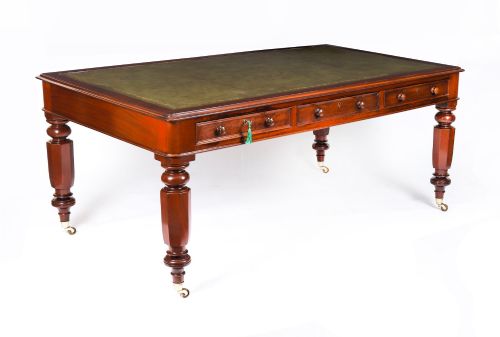
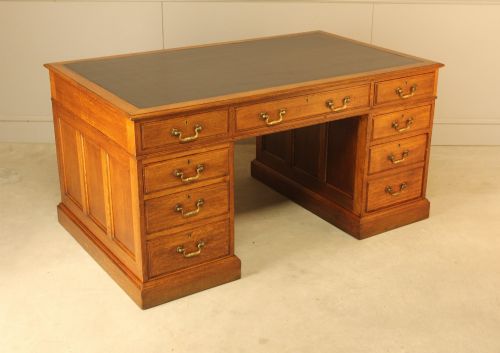
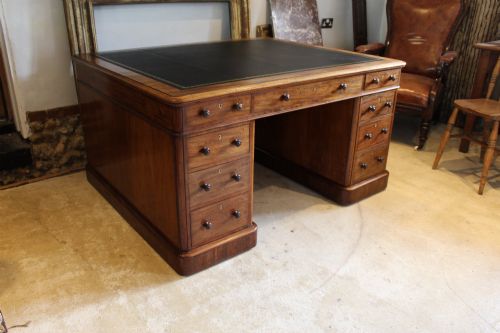
Large Writing Table
A large writing table provides generous surface area and substantial presence, serving as the architectural anchor of a study or library.
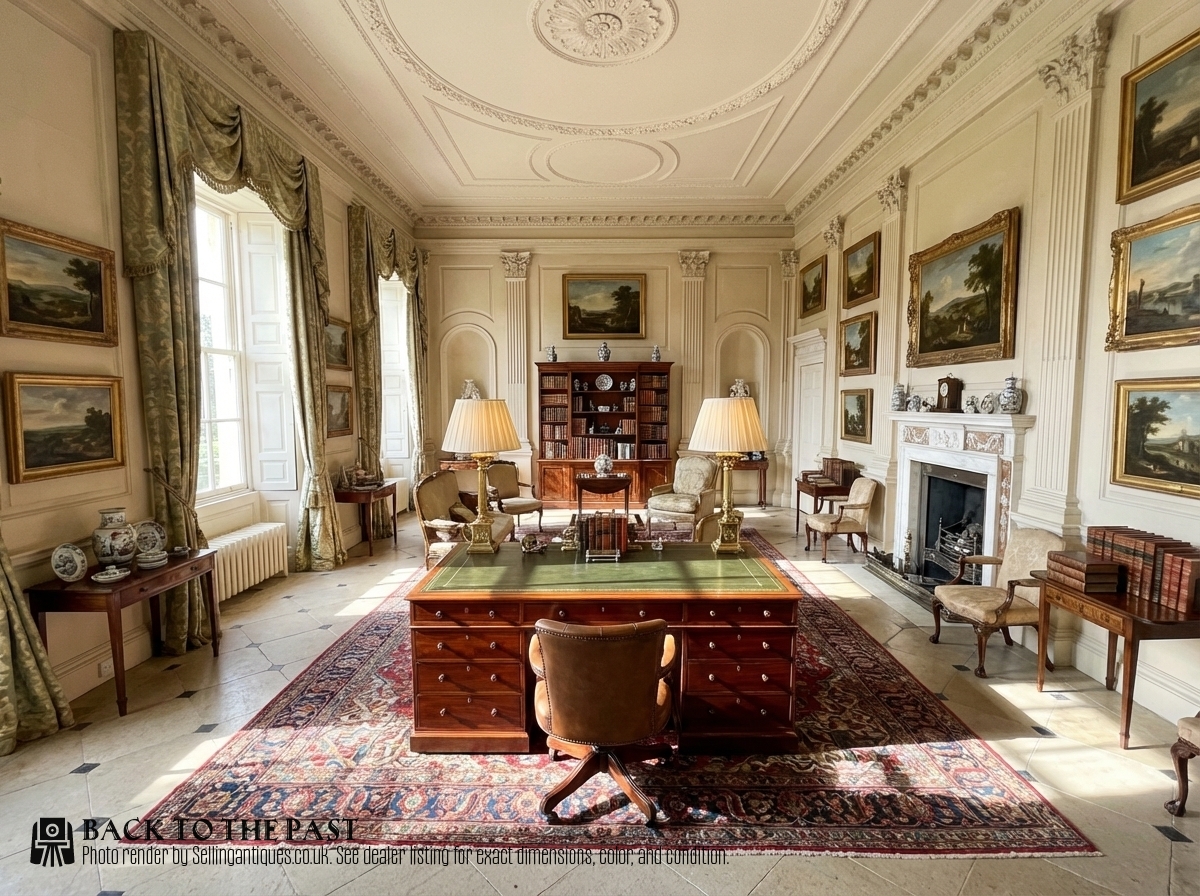
Large Writing Table
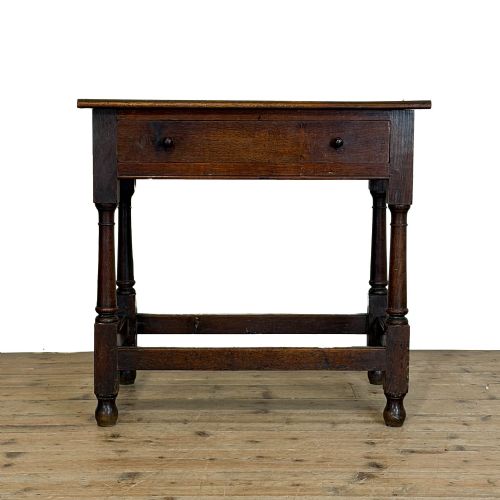
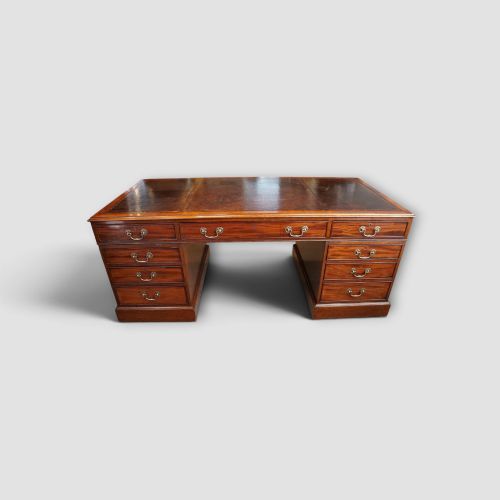
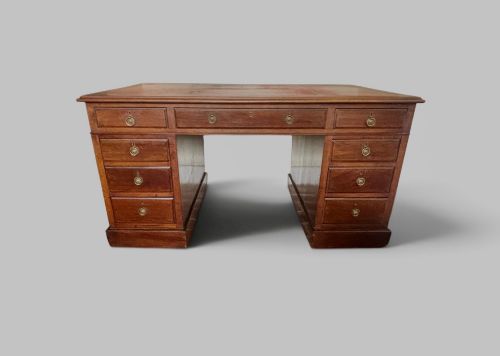
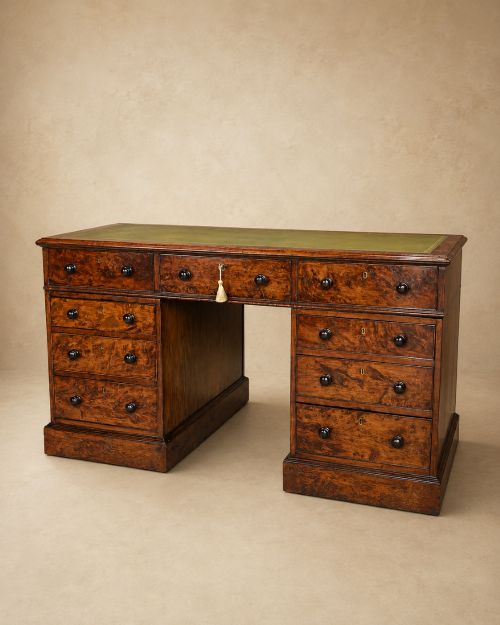
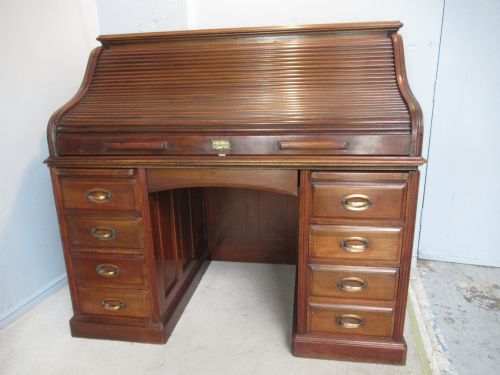
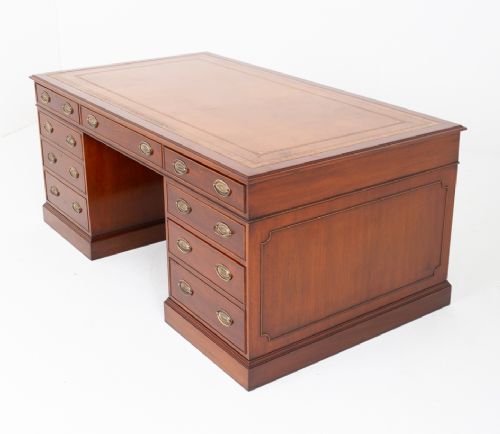
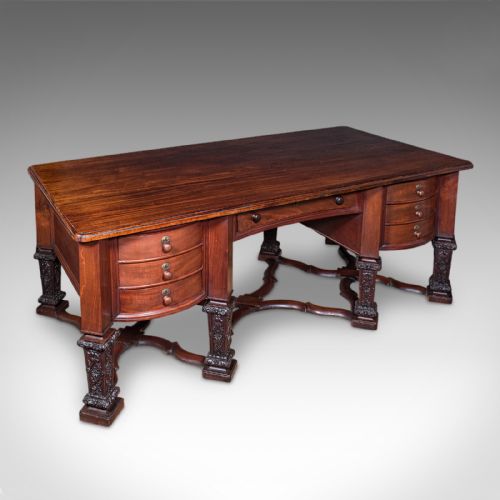
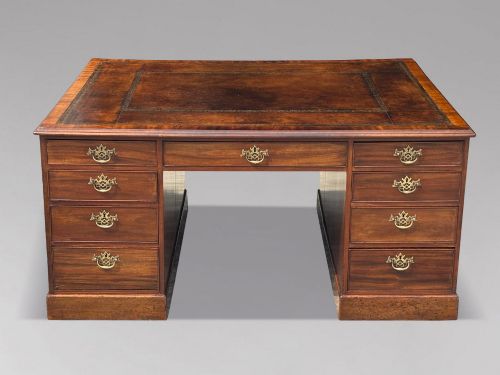
A large writing table encompasses substantial freestanding desks and library tables designed for grand rooms and institutional use. You will frequently encounter Victorian and Edwardian examples in mahogany, oak, and walnut, often configured as partners desks with drawers to both sides.
The form spans formal George III periods through to early twentieth-century oak and pine examples. Many pieces retain original leather writing surfaces inset into the timber tops.
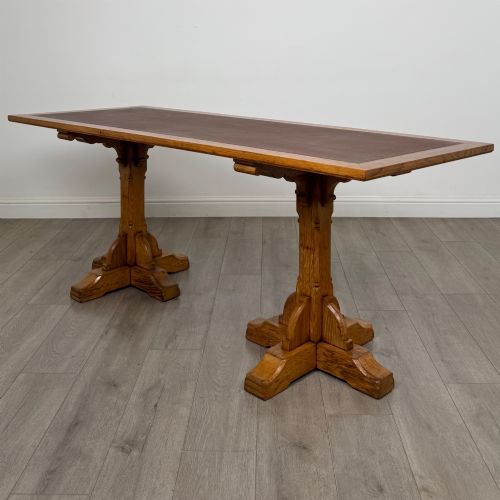
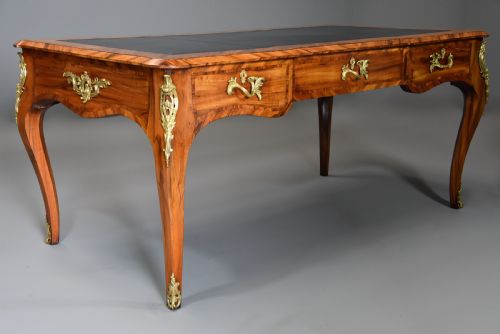
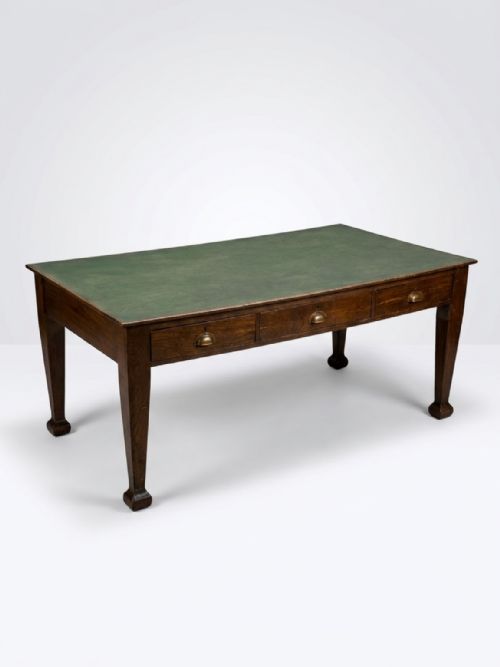
Library tables and bureau plats also appear within this category, offering wide central spans supported by pedestals or turned legs.
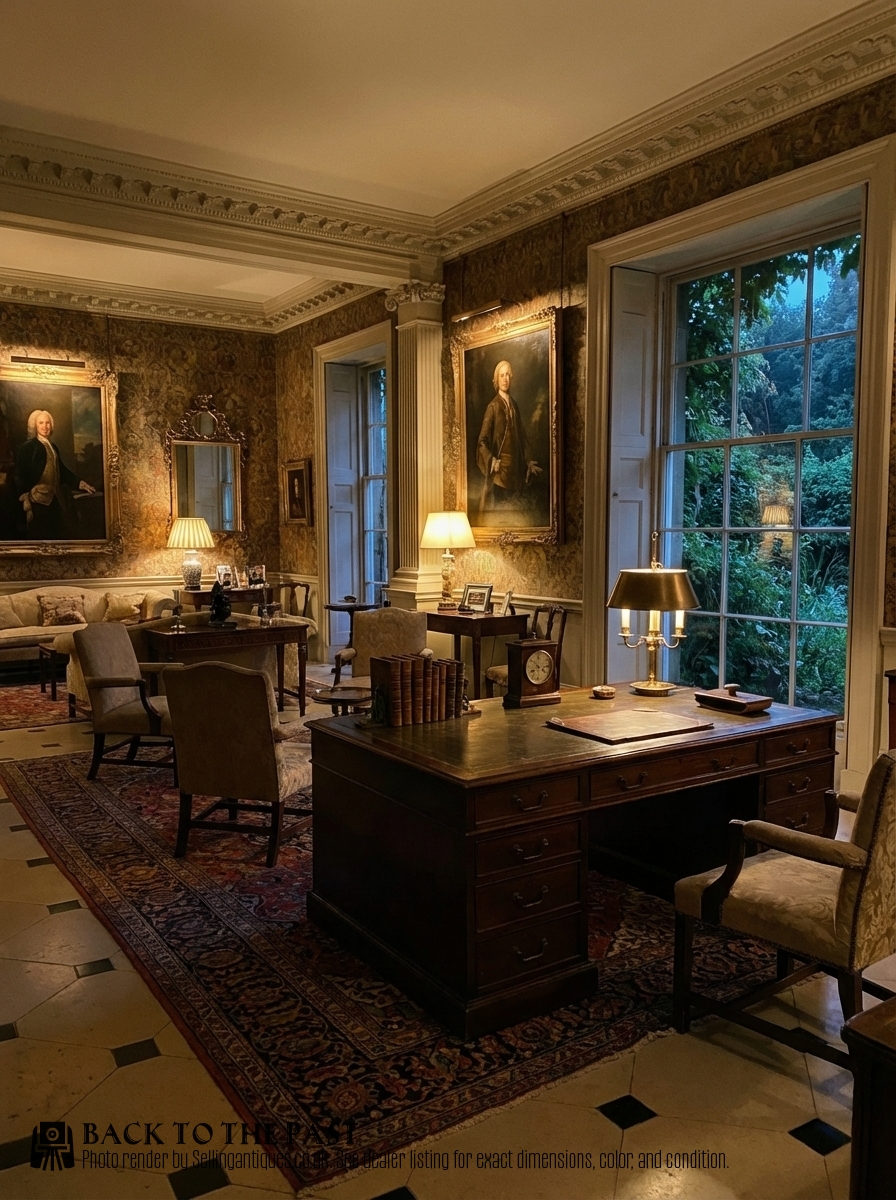
How they were made
Cabinet makers utilised dense hardwoods such as mahogany, oak, and walnut, frequently selecting figured veneers like flame mahogany and burr walnut for primary visual impact. Solid pine and oak served for internal drawer construction and secondary framing.
Writing surfaces incorporated inset leather panels, often tooled with gilt borders, bedded directly into the timber chassis. Brass handles, key escutcheons, and casters completed the heavy functional assemblies.
Large Writing Table Retail Price Guide 2026
Typical asking prices for large writing table among the pieces listed under this phrase on Sellingantiques today, from the lower quarter to the upper quarter. They describe what is for sale here now, not the wider market.
The inventory records pieces from the Georgian, Regency, William IV, Victorian, Edwardian, and Arts and Crafts periods.
What varies in quality
Quality rests in the selection of timber veneers and the crispness of carved details such as cockbeading around drawers and pedestals. Superior pieces display matched grain patterns across expansive surfaces and well-proportioned kneeholes.
Internal joinery standards distinguish standard production from workshop commissions, evident in dovetailed drawer boxes and substantial secondary framing.
Charles Andrea Nosotti·Cookes of Finsbury London·JAS Shoolbred
The Large Writing Table Glossary
- Partners desk
- A double-sided desk with opposing banks of drawers or cupboards, designed for two people to work opposite one another.
- Bureau plat
- A freestanding French writing table featuring a wide writing surface above one or more frieze drawers.
- Pedestal desk
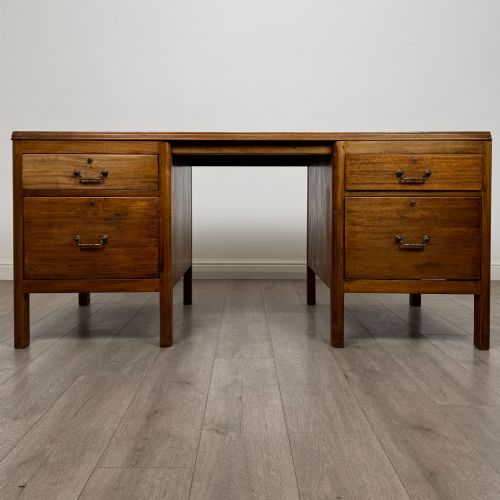
- A heavy desk comprising a large top resting on two separate drawer pedestals or banks of drawers.
- Library table
- A large freestanding table utilised in large rooms for books and papers rather than dedicated intensive writing.
- Frieze drawer
- A drawer integrated directly into the horizontal band beneath the main top of a table or desk.
Large Writing Table: Frequently Asked Questions
What is a partners desk?
A partners desk is a large double-sided writing table featuring drawers and cupboards on both faces. This configuration allowed two individuals to sit opposite each other and work simultaneously.
These pieces were traditionally built for institutional libraries, legal offices, and wealthy households requiring shared workspace.
How do I care for leather desk tops?
Leather writing surfaces require regular dusting and occasional treatment with appropriate conservation balms to prevent drying and cracking. Avoid using harsh chemical cleaners on the gilt tooling.
Using blotters and pads helps protect the historic leather from ink stains and deep scratches during daily use.
Were these tables used in libraries?
Large library tables served as central room fixtures for reading folios, sorting papers, and storing reference volumes. Their expansive proportions accommodated multiple users and heavy books.
Institutional examples often lack pedestal drawers to allow maximum legroom for seated readers.
How do I identify Georgian style from original Georgian?
Original Georgian pieces date from the eighteenth century and display period construction methods, timber ageing, and hand-cut joinery. Georgian style items generally date from later revival periods like the nineteenth or early twentieth century.
Revival pieces adopt earlier aesthetic vocabulary while utilising contemporary nineteenth-century or twentieth-century workshop techniques.