


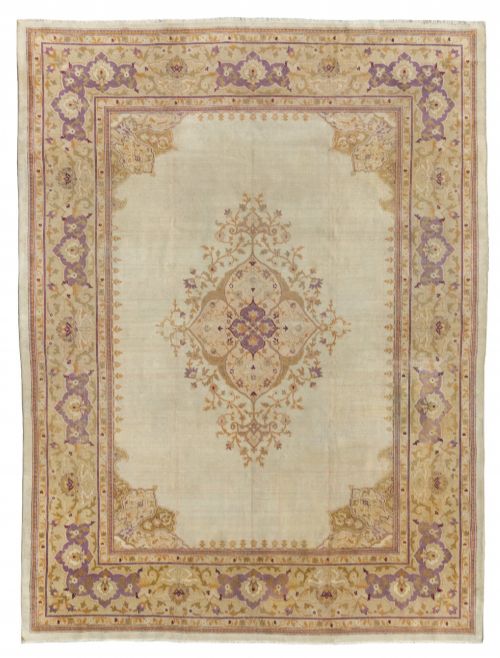
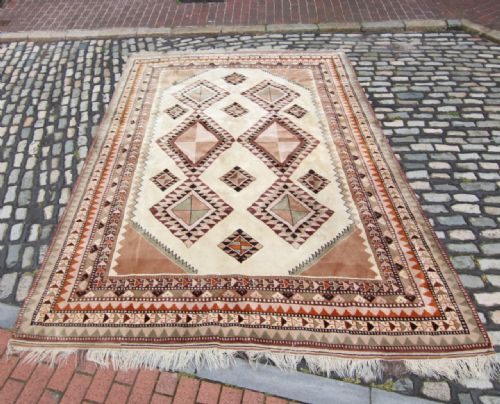
Large Woven Area Rug
A large woven area rug anchors a room with historic craft, bringing room-scale warmth through traditional patterns.
Large Woven Area Rug
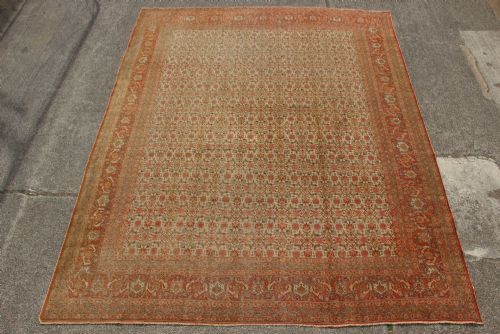
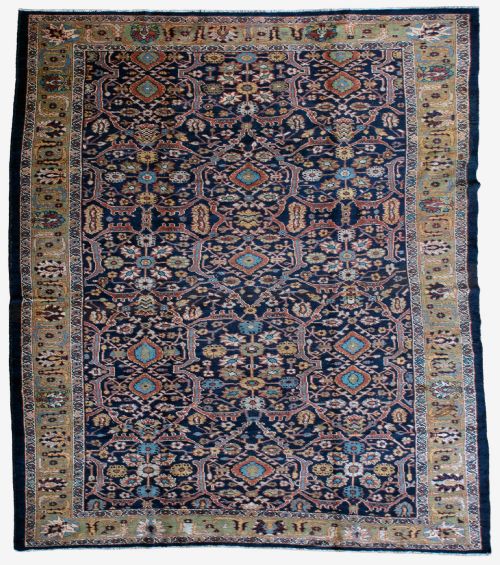
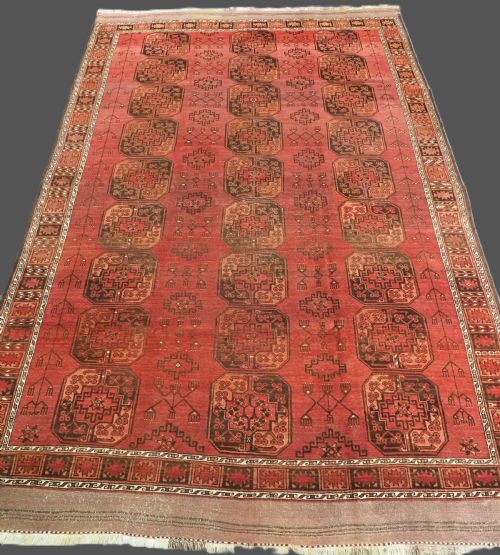
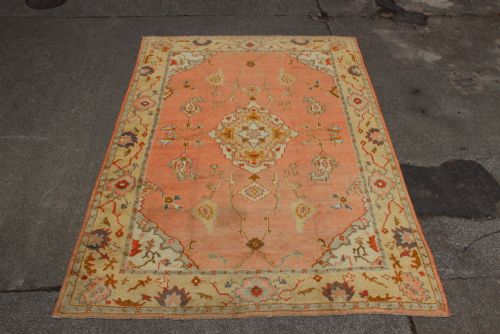
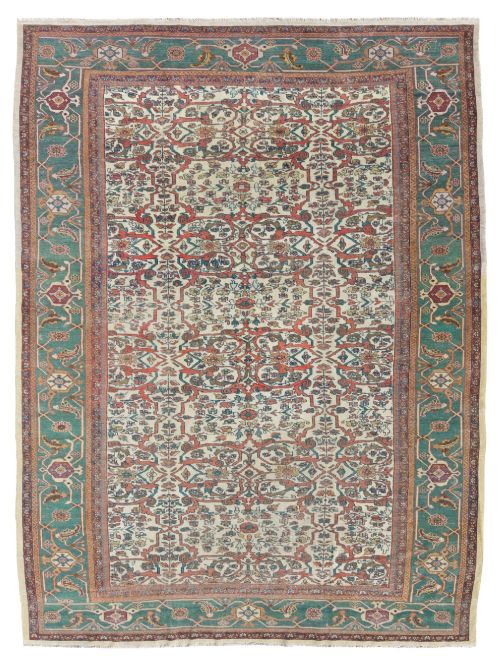
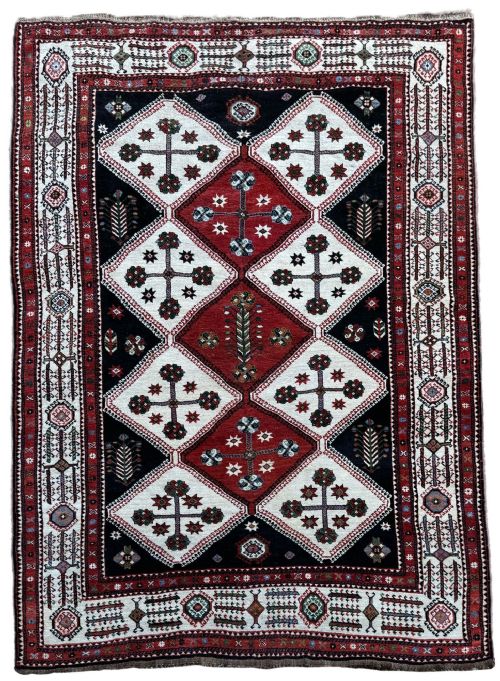
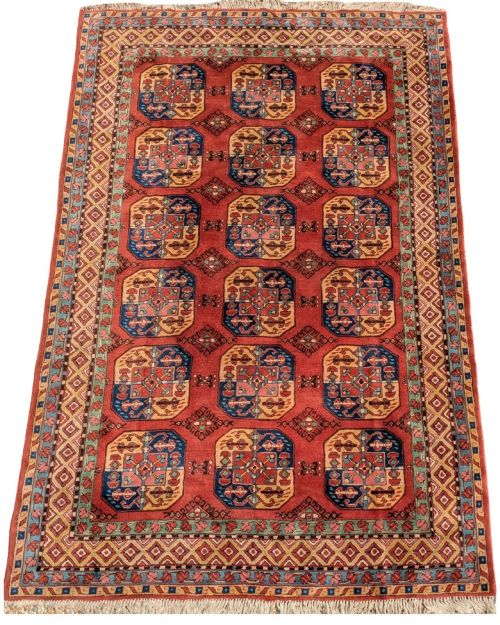
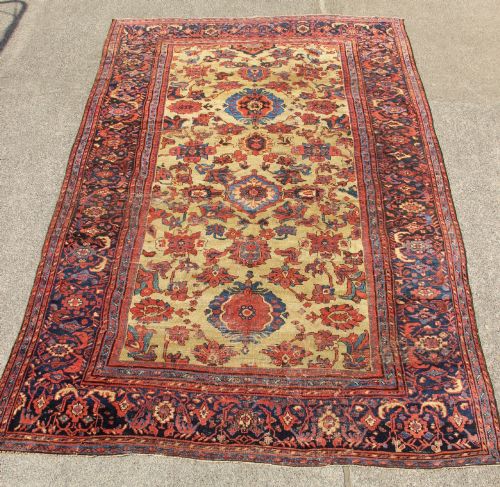
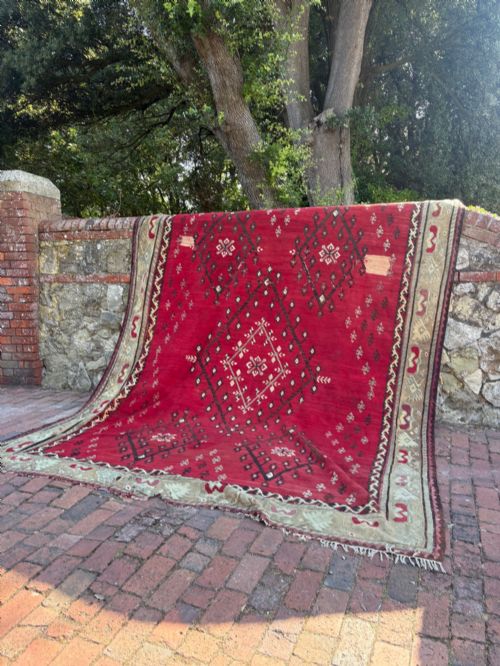
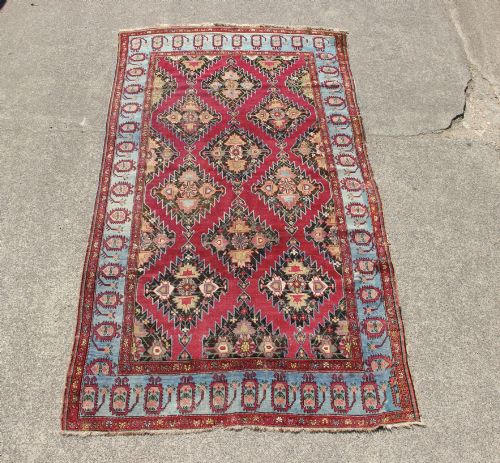
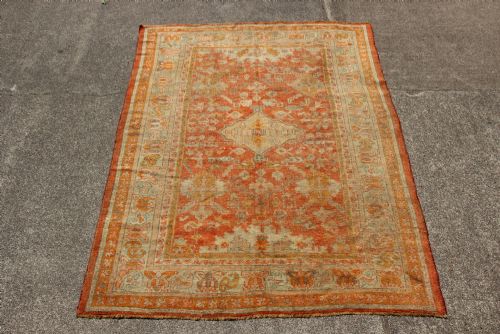
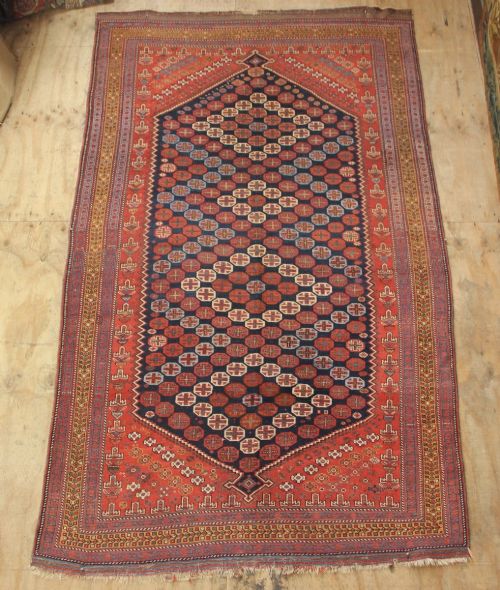
A large woven area rug covers significant floor space with traditional pile and flatweave construction from the nineteenth and early twentieth centuries. When searching for a large woven area rug, buyers encounter substantial carpets originating from Persian, Turkmen, and Ottoman workshops. These floor coverings arrive in generous dimensions suitable for grounding principal rooms.
The selection centres on named regional styles including Heriz, Oushak, Sultanabad, and Ersari carpets. Pieces span production dates from the mid-nineteenth century through the nineteen-forties, recording diverse tribal and city weaving traditions. Buyers meet both room-size palace carpets and heavy village formats.
How They Were Made
These textiles utilise natural wool and cotton fibres spun by hand for pile and foundation structures. Weavers knotted or flatwove the materials on vertical looms, building dense surfaces designed for longevity.
Dyers employed traditional natural and early aniline colourants to achieve deep red, blue, and neutral tones across the ground and border designs.
Listings feature wool and cotton materials across pieces dated from eighteen-fifty to nineteen-forty.
What Varies in Quality
Knot density and structural integrity separate fine city carpets from robust tribal floor coverings. Tighter knotting allows for sharper delineation of intricate medallion and floral motifs.
The choice of wool quality and the precision of the dye work determine how well the pile retains its visual depth and handling over generations.
Benlian
The Large Woven Area Rug Glossary
- Pile
- The upright yarn loops or cut ends that form the soft surface of a carpet. This layer bears the direct weight of foot traffic.
- Flatweave
- A textile constructed without pile by interlacing warp and weft threads together. These items offer a lower profile than knotted carpets.
- Medallion
- A large central ornamental design motif placed in the middle of the carpet field. It often dictates the symmetrical layout of the surrounding pattern.
- Warp
- The stationary vertical threads stretched onto a loom before weaving begins. Foundation yarns provide the structural backbone for the entire textile.
- Weft
- The horizontal threads passed alternately over and under the warp yarns to lock knots in place. This material secures the rows of pile.
Large Woven Area Rug: Frequently Asked Questions
How are large woven area rugs cleaned?
Traditional wool carpets require specialist dusting and gentle surface washing rather than immersion. Professional textile conservators handle historic pieces to protect fragile natural fibres.
Regular careful vacuuming without a rotating power head removes surface grit. Keeping rugs away from direct sunlight prevents uneven fading across the wool pile.
Where should a large rug go?
These generous floor coverings suit principal reception spaces, dining rooms, and wide hallways where furniture can sit partially or fully upon the wool surface. Room proportions dictate whether the carpet floats centrally or leaves a uniform timber border exposed.
Placing a breathable underlay beneath the textile prevents slipping and cushions the historic foundation against hard floors. This extra layer reduces friction between the wool and the floorboards.
What is a tribal carpet?
Tribal rugs originate from nomadic or village communities rather than urban workshops. Weavers relied on memory and local motifs rather than drawn cartoon templates.
These pieces display geometric patterns, bold field colours, and expressive tribal symbols. Their construction tends toward robust wools designed for practical floor use.
How do I identify rug periods?
Dating relies on wool characteristics, structural hallmarks, and design vocabulary associated with specific production decades. Natural dye palettes and specific knotting styles point toward nineteenth or early twentieth-century origins.
Comparing border layouts and field proportions against documented regional examples clarifies the era. Subtle variations in materials separate older village weaving from later commercial production.