



Large Wooden Writing Table
A large wooden writing table anchors a study with presence, offering generous workspace in solid mahogany, oak, or walnut.
Large Wooden Writing Table
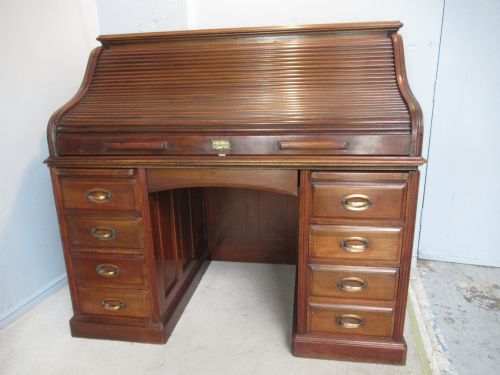
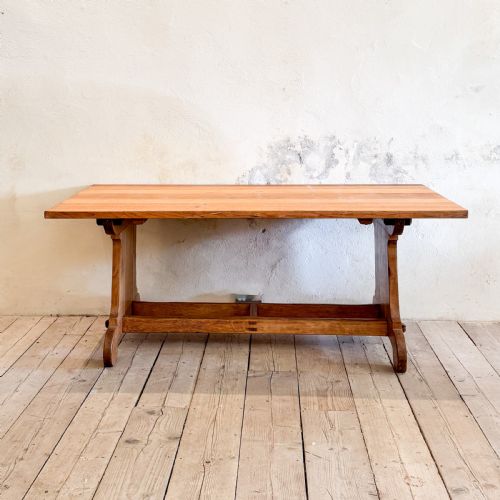
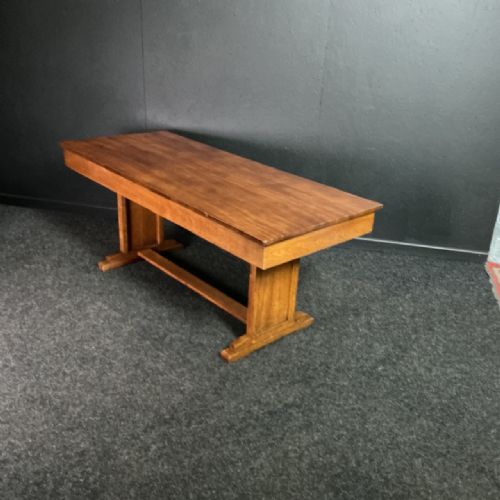
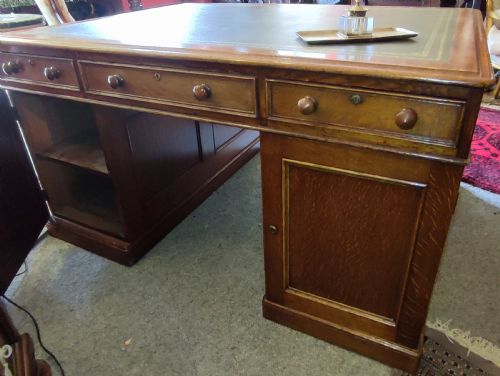
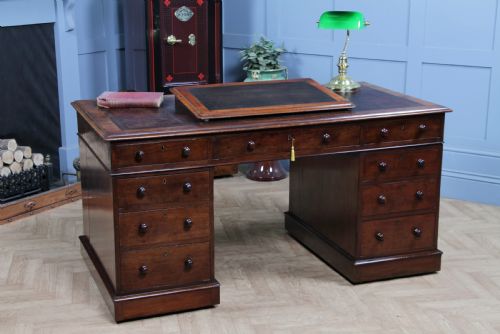
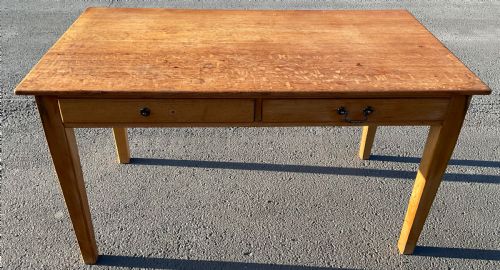
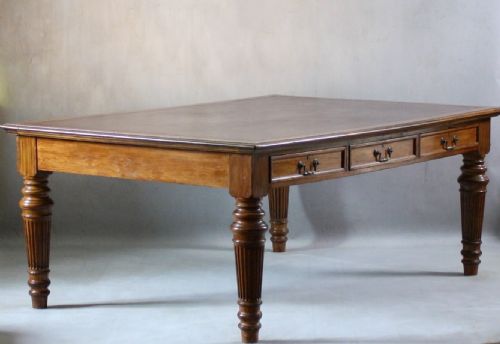
A large wooden writing table appears in several distinct forms across these listings, spanning partners desks, pedestal desks, and library tables. Buyers seeking a large wooden writing table typically encounter pieces designed for communal work or substantial administrative tasks, featuring multiple drawers and expansive surfaces.
The selection here encompasses Victorian, Edwardian, and earlier periods, with styles ranging from robust oak library tables to refined flame mahogany partners desks. Walnut and burr walnut examples also feature prominently, often showcasing rich grain patterns developed over centuries.
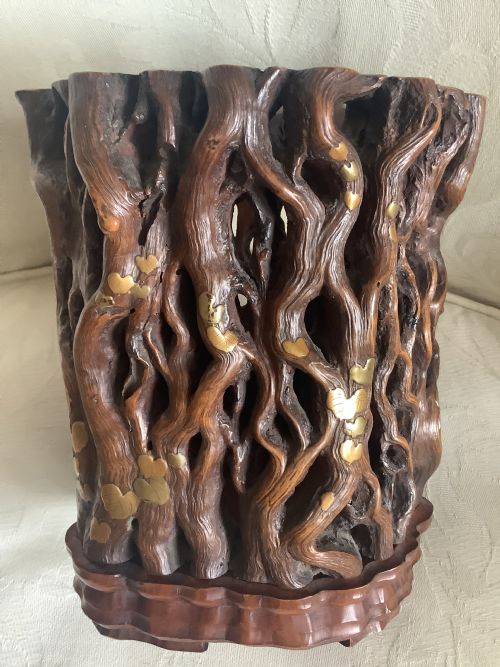
Most entries belong to the nineteenth and early twentieth centuries, though vernacular forms and specific regional interpretations like Chinese scholars studio pieces or Italian walnut desks add variety. These tables served administrative, scholarly, and professional roles, making them durable focal points for modern interiors.
Construction and materials
Timber selection defines these pieces, with solid mahogany, oak, walnut, and specialised veneers such as flame mahogany and burr walnut forming the primary structures. Workshops utilised these dense hardwoods to withstand daily writing and administrative duties without warping.
Secondary materials like inset leather writing surfaces and brass hardware provide functional contrast and period detail. Joinery techniques varied from heavy pegged oak construction in institutional library tables to finely dovetailed mahogany drawers in partners desks.
Form variations include partners desks, pedestal desks, library tables, side tables, and brush pots.
Assessing craftsmanship and finish
Quality reveals itself in the depth of timber figure, particularly where flame mahogany or burr walnut veneers are matched across expansive drawer fronts and table tops. Superior examples maintain crisp mouldings and properly fitted drawers that run smoothly despite seasonal humidity shifts.
The integrity of original brass handles, functional locks, and period leather inserts separates standard utilitarian desks from exceptional bespoke commissions. Structural balance across multiple pedestals or heavy legs ensures the table remains stable under load.
Whytock and Reid
The Large Wooden Writing Table Glossary
- Partners desk
- A double-sided pedestal desk designed for two people to work opposite one another, featuring matching banks of drawers or cupboards on both sides.
- Pedestal desk
- A heavy writing desk supported by two vertical columns of drawers, usually connected by a central modesty panel or recessed stretcher.
- Flame mahogany
- A veneer cut from the fork of the mahogany tree where the branch meets the trunk, producing a distinctive rippled, flame-like grain pattern.
- Library table
- A large freestanding table utilised for reading and reference work, often finished on all four sides so it can sit centrally within a room.
Large Wooden Writing Table: Frequently Asked Questions
Where should I place a large partners desk?
These double-sided desks work best positioned centrally within a spacious study or library rather than pushed against a wall. This allows access to drawers from both sides and highlights the finished timber on all flanks.
Ensure adequate clearance around the perimeter for chairs and movement, as the substantial footprint requires room to breathe.
How do I care for leather desk inserts?
Keep leather writing surfaces away from direct sunlight and excessive heat sources to prevent the material from drying out or cracking over time. Regular dusting with a soft cloth maintains the finish.
Apply a specialist leather conditioner periodically if the surface begins to lose its suppleness, avoiding harsh chemical cleaners.
How do I identify Victorian oak from Edwardian oak?
Victorian pieces often display heavier proportions, darker patination, and robust construction intended for institutional or grand domestic use. Edwardian furniture frequently incorporates lighter golden oak tones and slightly more restrained decorative vocabularies. Nail construction, drawer linings, and secondary woods help confirm the manufacturing era when styles overlap.