
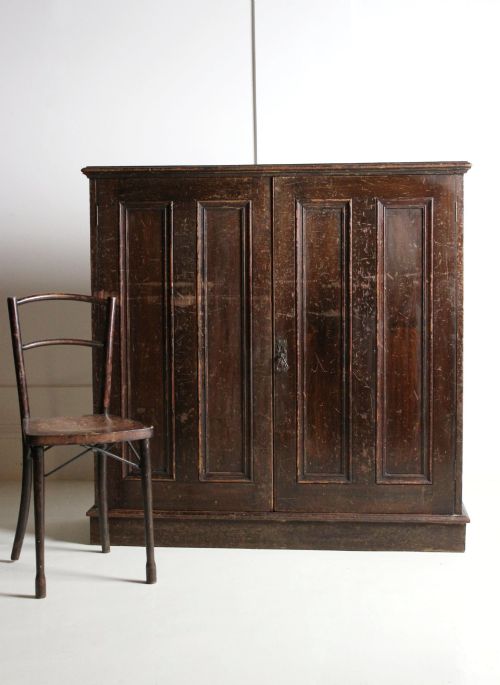
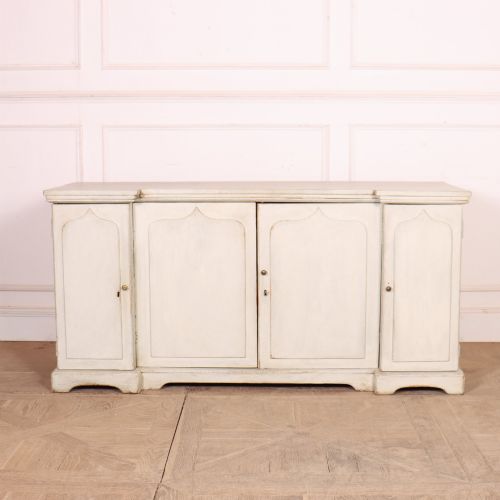
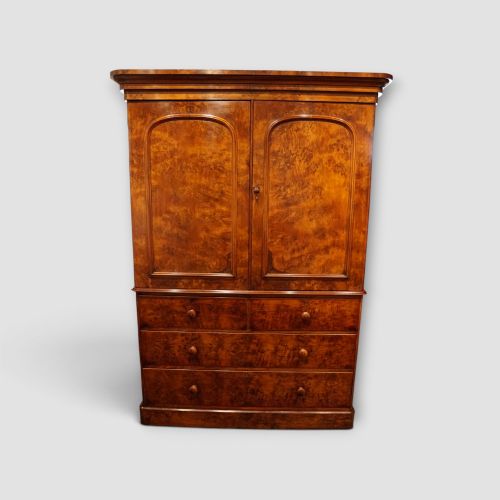
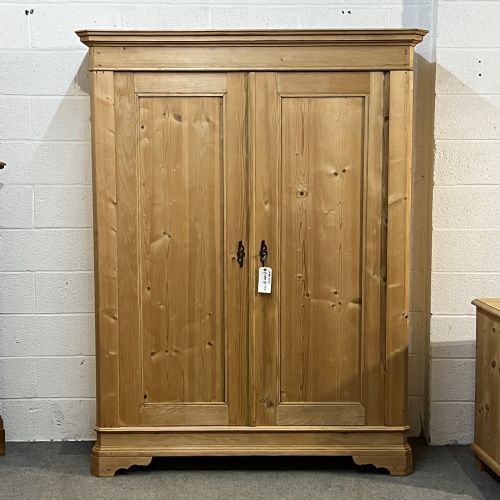
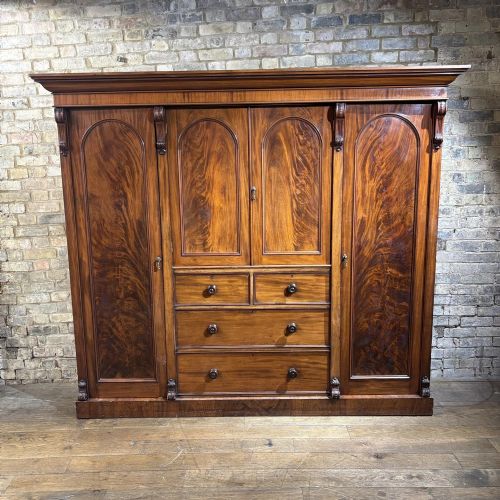
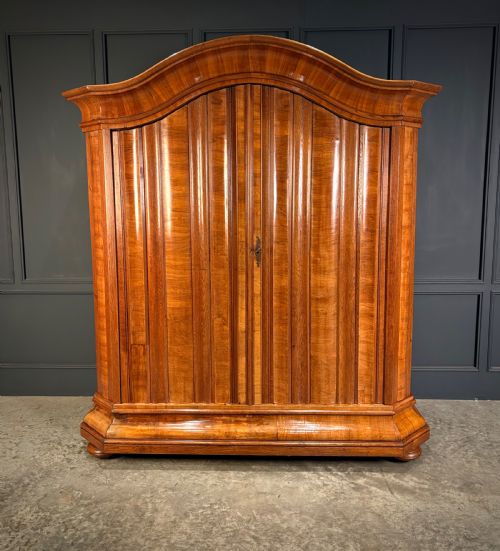
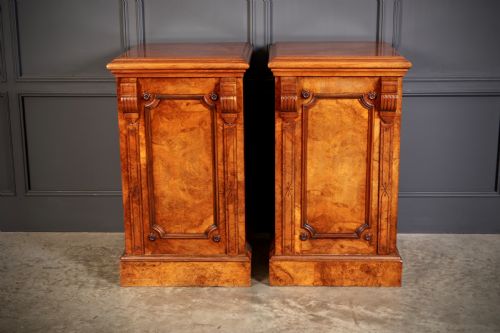
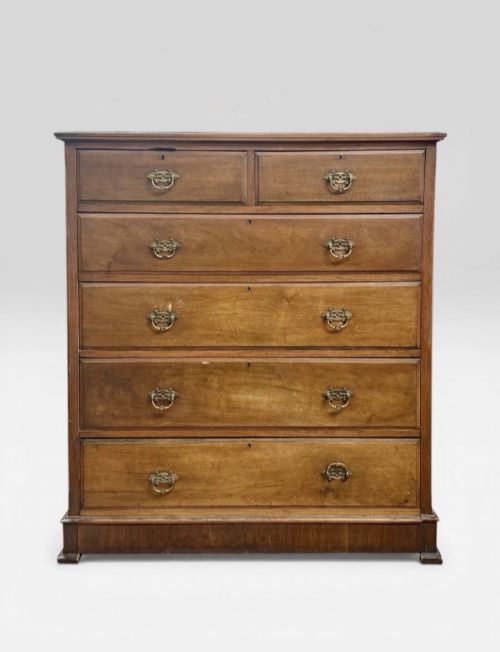
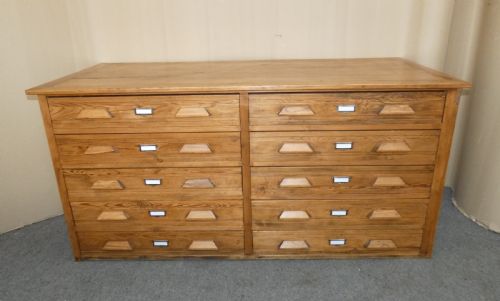


Large Wooden Storage Cabinet
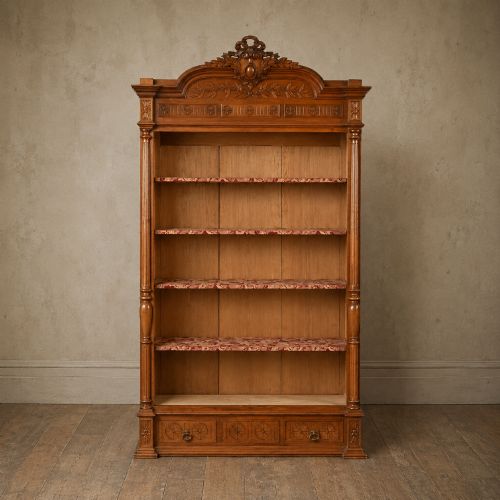
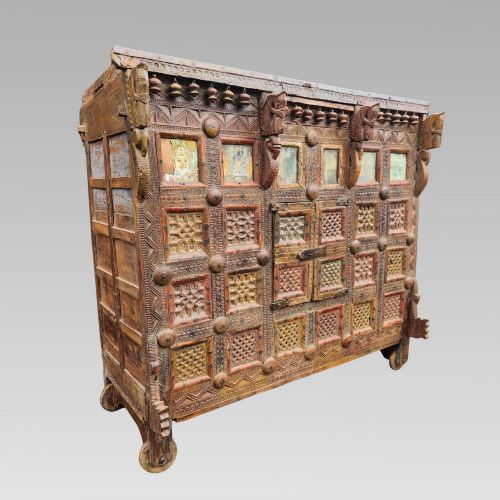
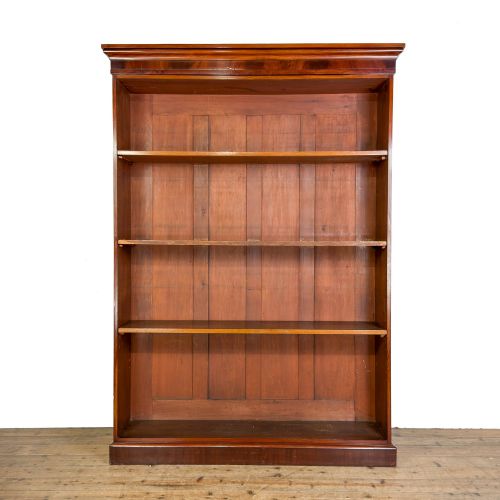
A large wooden storage cabinet brings scale and utility to a room, offering substantial timber presence and practical capacity for domestic keeping.
Large Wooden Storage Cabinet
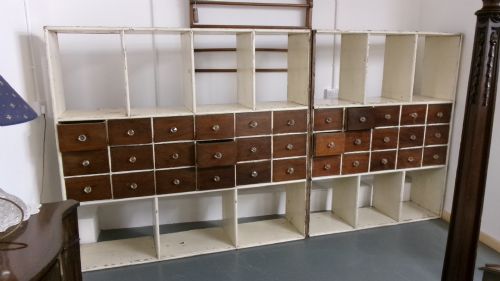
A large wooden storage cabinet encompasses diverse utility furniture, appearing as linen presses, bookcases, armoires, and multi-drawer banks across this selection. Buyers frequently encounter pine, oak, and mahogany pieces spanning the eighteenth, nineteenth, and early twentieth centuries.
Regional diversity shapes these listings, ranging from English country pine and Victorian mahogany to French provincial and continental walnut examples. These pieces served domestic, scholarly, and commercial interiors before entering the antiques market.
Functional forms divide into enclosed cupboards, shelf-fitted bookcases, and compartmentalised drawer units designed for heavy storage. The surviving works demonstrate how earlier households managed textiles, literature, and dry goods.
Materials and Technique
Solid timbers including mahogany, oak, pine, and walnut provide the structural integrity for these large storage pieces. Craftsmen utilised traditional joinery alongside hand-carved detailing and applied veneers to finish the surfaces.
Secondary metals such as brass and iron appear in handles, hinges, and structural brackets that secure heavy doors and deep drawers. Wax, varnish, and polished finishes protect the timber while highlighting natural grain patterns.
Several cabinets retain the faint scent of old paper and cedar from decades spent holding school supplies and merchant ledgers.
Assessing Quality
Construction methods and timber selection distinguish superior examples from standard utility pieces. Fine grain figures in walnut or mahogany and robust dovetail joinery indicate higher workshop standards.
Original hardware, balanced proportions, and intact interior fittings elevate a piece above altered or heavily restored equivalents. The integrity of the timber movement and the smooth operation of drawers and doors reveal initial craftsmanship.
The Large Wooden Storage Cabinet Glossary
- Linen press
- A tall storage cabinet featuring upper sliding trays or shelves enclosed by doors, positioned above a base of practical drawers. These pieces traditionally stored household linens and folded garments.
- Bank of drawers
- A multi-drawer cabinetry unit designed for workshops, shops, or offices to sort small items. They utilise numerous shallow drawers arranged in horizontal tiers.
- Armoire
- A large wardrobe or cupboard featuring heavy panelled doors enclosing hanging space or shelving. Continental workshops frequently produced these deep timber storage units.
- Dresser base
- A low wooden sideboard cabinet incorporating cupboards or drawers beneath a solid top surface. English country houses utilised these for serving and storage.
- Tallboy
- A tall chest of drawers standing upon a matching lower chest base, creating an elevated vertical tower of storage. Walnut and mahogany versions gained popularity during the eighteenth and nineteenth centuries.
Large Wooden Storage Cabinet: Frequently Asked Questions
How do I choose the right size cabinet?
Measure your available floor space and ceiling height carefully, noting the clearance needed for opening heavy doors and drawers. Large wooden cabinets demand substantial clearance to function properly in a domestic room.
Consider the weight of the timber and ensure pathways through doorways and stairwells allow safe delivery. Floor strength should also be verified when placing dense hardwood furniture on upper levels.
What is the difference between an armoire and a linen press?
An armoire is primarily a tall wardrobe designed for hanging garments behind full-length doors. They offer deep interior cavities enclosed by single or double timber panels.
A linen press combines upper shelving or sliding trays with lower drawers specifically configured for folded textiles. Their interior layout reflects traditional domestic laundering and storage routines.
How do I care for antique wooden storage furniture?
Keep timber cabinets away from direct sunlight and steady heat sources to prevent the wood from drying out and splitting. Maintain consistent indoor humidity levels to protect historic joinery and veneers.
Dust regularly with a dry cloth and apply a natural beeswax polish sparingly when the wood appears dry. Avoid silicone-based sprays that can penetrate porous antique finishes.
Are these cabinets suitable for modern clothing storage?
Many historic cabinets adapt well to contemporary clothing storage, provided the internal shelf spacing or hanging depth suits modern garments. Shelved cupboards and drawer units accommodate folded items effectively.
Older wardrobes may feature shallower hanging depths than current standards, so measuring garment widths beforehand is recommended. Deeper nineteenth-century models generally accept standard hangers without difficulty.