

Large Wooden Press
A large wooden press provides substantial storage and practical utility, bringing historic character and solid timber construction to domestic interiors.
Large Wooden Press
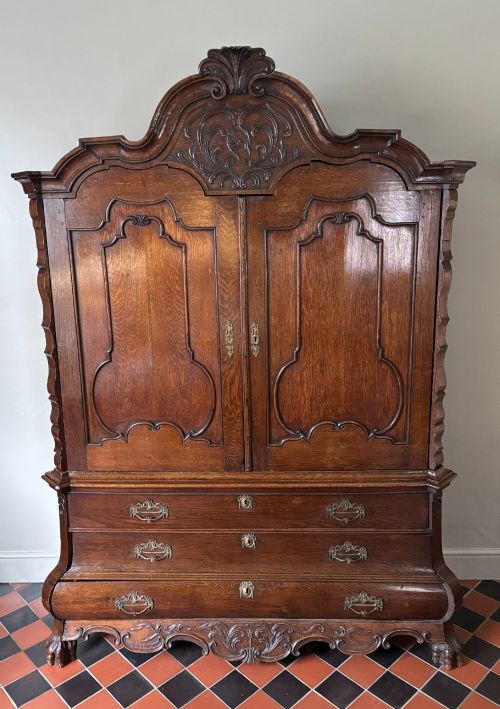
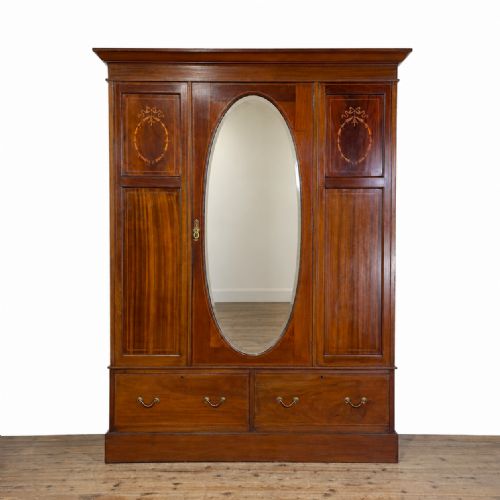
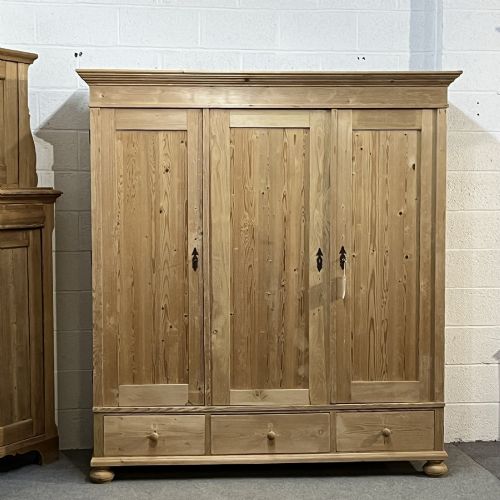
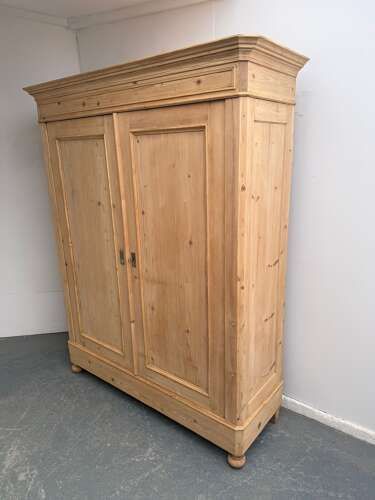
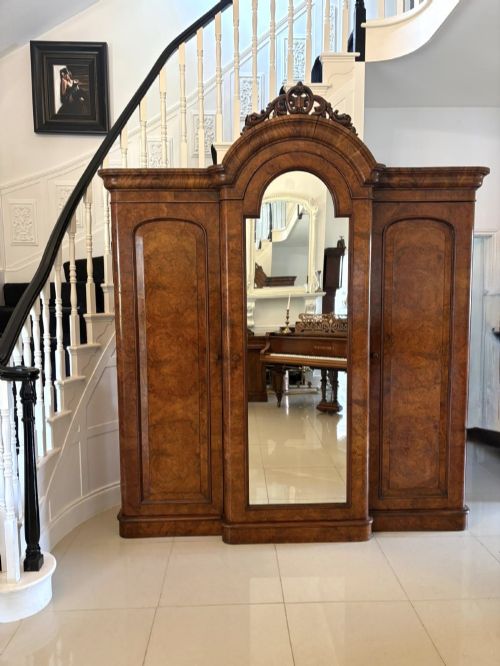
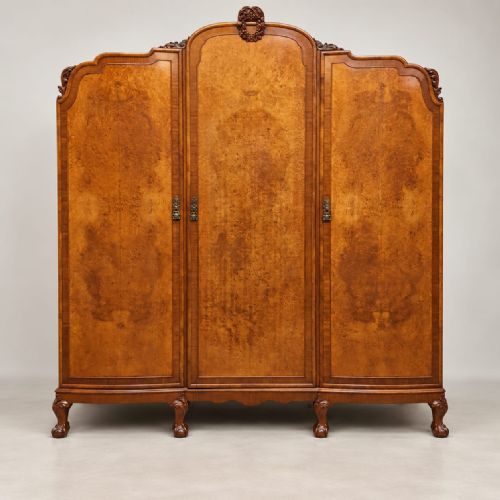
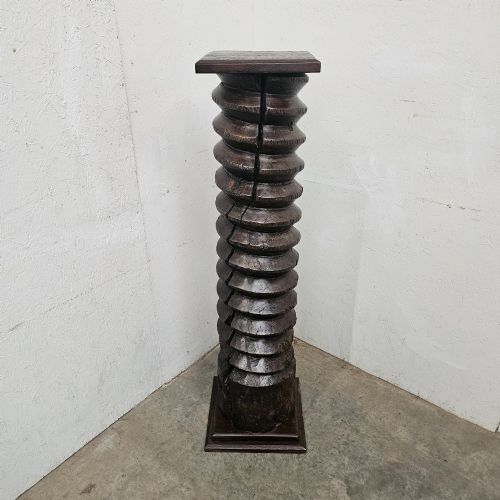
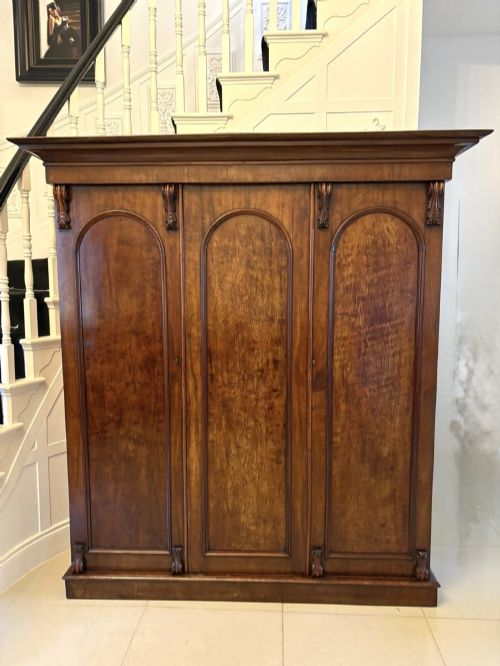
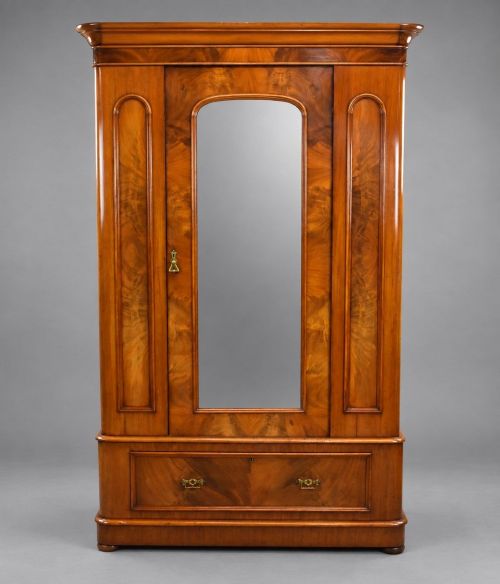
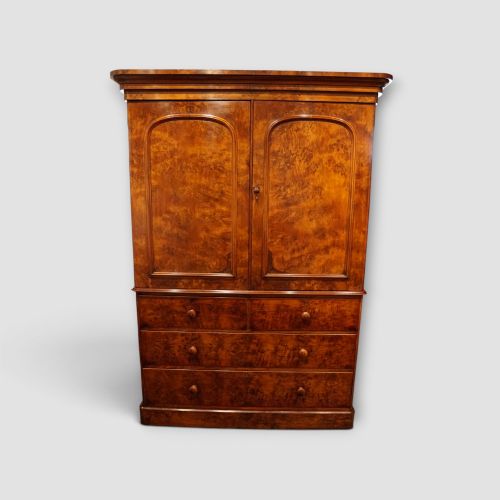
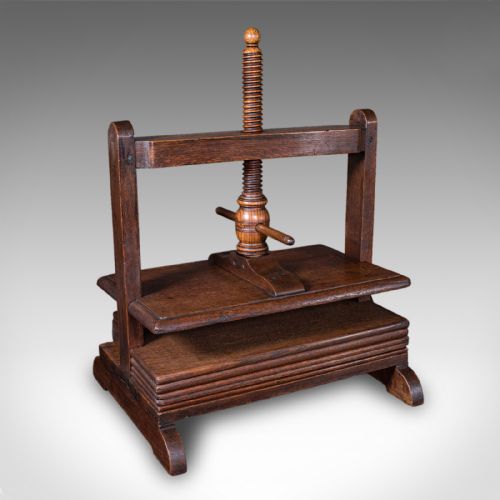
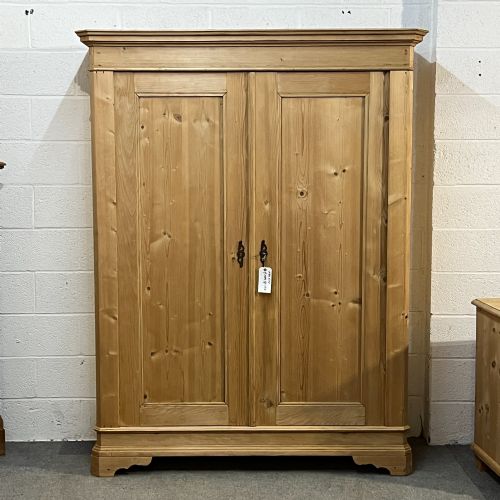
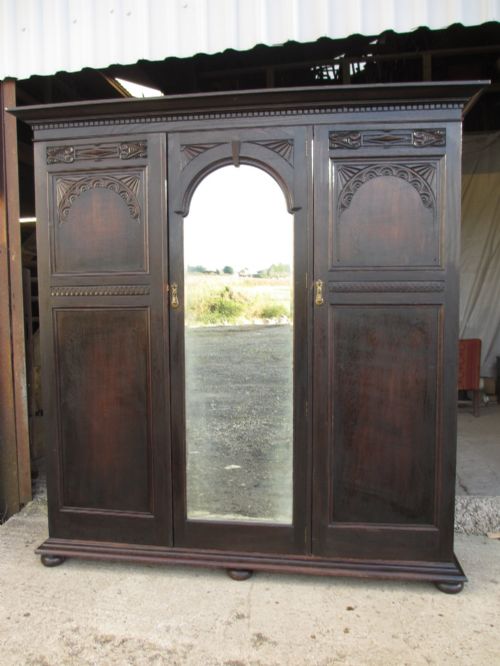
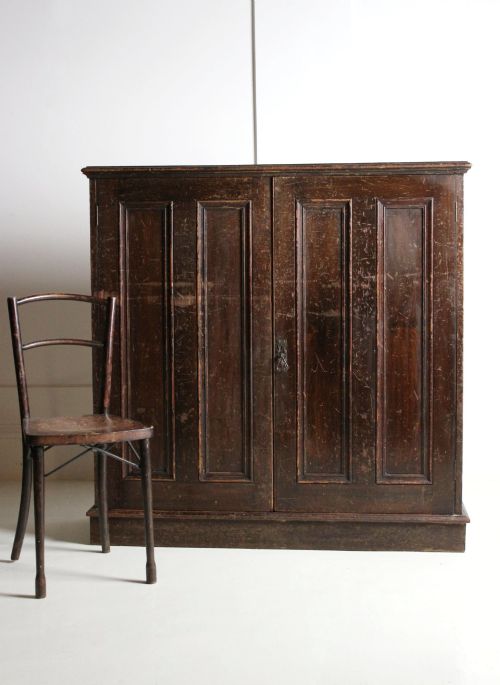
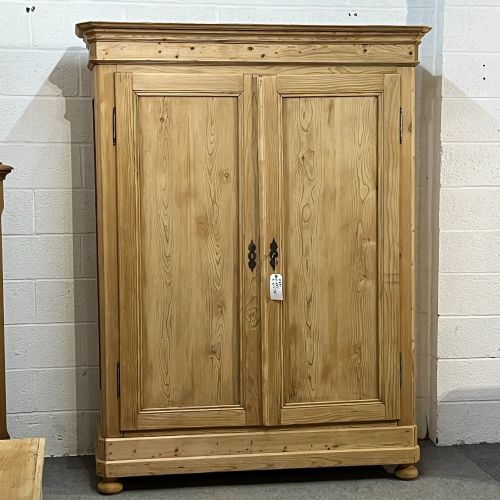
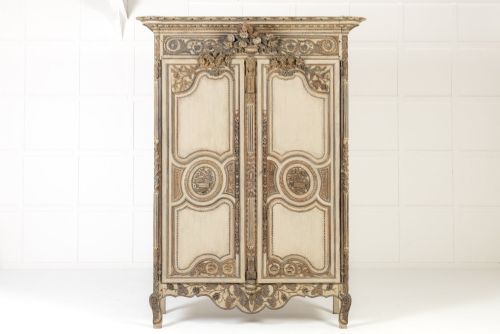
A large wooden press encompasses architectural wardrobes, linen presses, armoires, and specialist screw presses spanning the Georgian, Victorian, and Edwardian eras. Buyers searching for a large wooden press typically encounter substantial multi-door mahogany or pine wardrobes and deep linen cupboards designed for voluminous storage.
Internal configurations vary considerably between pieces, housing sliding trays, hanging spaces, and deep drawers beneath linen storage sections. These large storage items serve as functional focal points in contemporary bedrooms and hallways.
Materials and construction
Cabinet makers utilised dense hardwoods such as mahogany and oak for structural integrity, often pairing solid carcases with decorative flame mahogany or burr walnut veneers on principal surfaces. Pine and pitch pine served extensively for country house cupboards, housekeeper presses, and regional armoires intended for heavy domestic service.
Joinery methods combined pegged mortise and tenon frames with hand-cut dovetails for drawer construction, ensuring durability across large door spans. Many Georgian and Victorian examples utilised knockdown or flat-pack designs with timber pins and bolts to facilitate transport through domestic stairwells.
Brass hardware, iron screw threads, and glass panel mirrors complement the heavy timber frames, while hand-carved details and inlaid satinwood accent specific Edwardian and French provincial pieces.
Large Wooden Press Retail Price Guide 2026
Typical asking prices for large wooden press among the pieces listed under this phrase on Sellingantiques today, from the lower quarter to the upper quarter. They describe what is for sale here now, not the wider market.
The inventory records structural timbers including mahogany, oak, and pine alongside decorative veneers of burr walnut and satinwood.
Assessing quality
Quality rests upon the selection of timber and the preservation of original surface finishes, where figured veneers or deeply waxed pine distinguish superior workshop output. Original brass fittings, working locks with keys, and intact internal linen slides elevate a piece above standard utility furniture.
Proportion and scale dictate the visual success of these large items, with well-balanced cornice mouldings and crisply executed hand carvings separating ambitious cabinet work from plain vernacular production. Clean structural integrity within the heavy frame ensures the doors hang true and close evenly.
The Large Wooden Press Glossary
- Linen press
- A tall cupboard featuring upper sliding trays or shelves for folded textiles above a chest of base drawers. This form evolved to protect household linen from dust and damp before modern wardrobes became standard.
- Armoire
- A large freestanding cupboard or wardrobe of continental European origin, fitted with doors enclosing shelving or hanging space. French and Dutch examples frequently display deep cornices and fielded panels.
- Compactum
- A multi-compartment wardrobe combining hanging space, linen drawers, and shelves within a single integrated unit. These pieces emerged in the late nineteenth century to maximise storage efficiency in domestic bedrooms.
- Flat pack
- An early knockdown construction method utilising removable wooden pegs and bolts to dismantle large wardrobes for transport. This technique allowed massive furniture pieces to travel between properties without structural damage.
- Burr walnut
- A highly figured timber veneer sliced from the grotesque growths on walnut trees, prized for its swirling grain patterns. Cabinet makers applied these decorative veneers to the principal facades of high-status Victorian cabinets.
Large Wooden Press: Frequently Asked Questions
How do I dismantle a large wooden press?
Most antique presses employing knockdown construction use internal wooden pegs, bolts, or metal brackets to secure the cornice, base, and sides together.
Mark each component clearly during disassembly to ensure the panels reassemble in their exact original positions without forcing the joints.
What is the difference between a wardrobe and a linen press?
A wardrobe is primarily designed for hanging garments on rails or hooks within a tall cabinet enclosure.
A linen press incorporates horizontal sliding trays or shelves in the upper section for stacking folded textiles, sitting above a chest of drawers.
How do I clean and feed antique pine?
Historic pine surfaces finished in wax benefit from gentle cleaning with a soft brush followed by a traditional beeswax application.
Avoid modern silicone polishes, which penetrate porous timber and create a sticky residue that attracts dust over time.
Can these large presses fit modern spaces?
These substantial pieces require careful measurement of ceiling heights and stairway clearances before purchase, particularly models with deep cornices.
Many period examples utilise modular knockdown frames specifically engineered to navigate tight domestic architectural spaces during installation.