
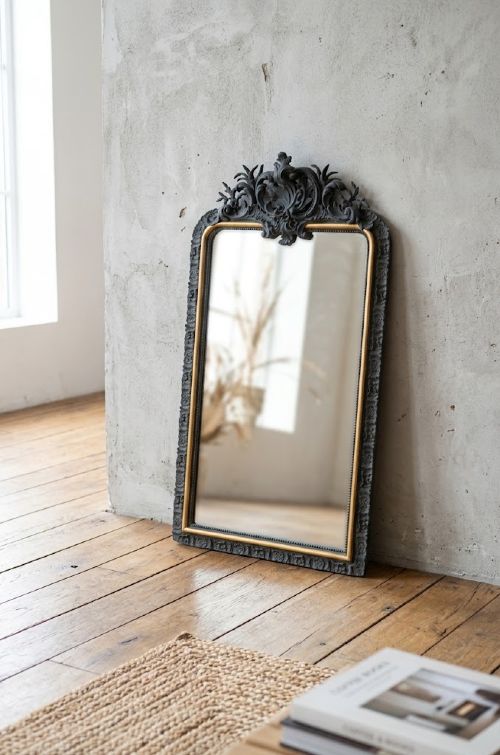

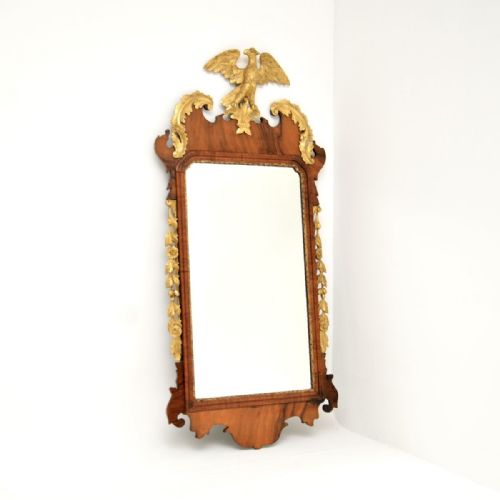
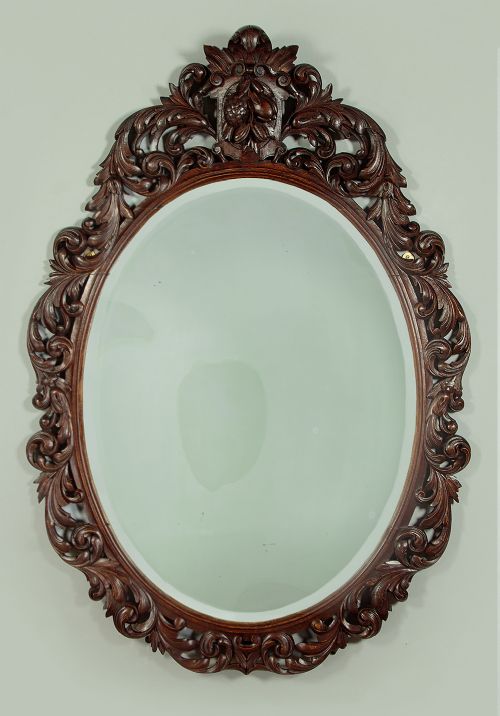
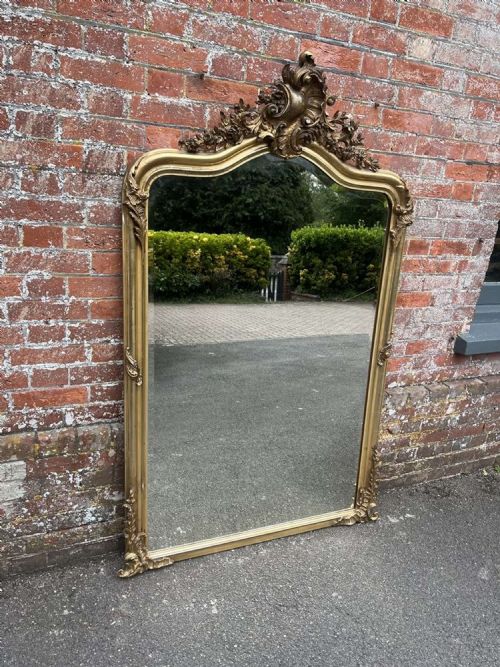
Large Vintage Wall Glass
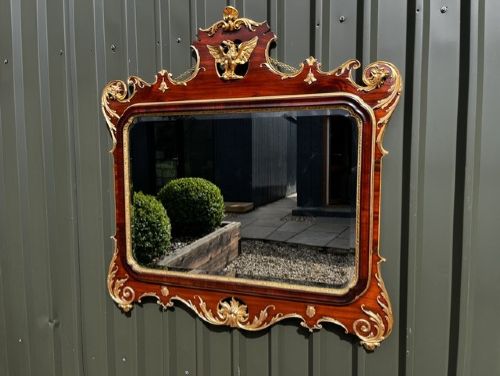
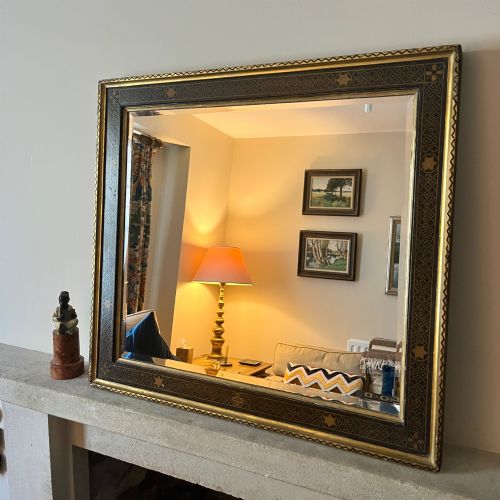
Large vintage wall glass brings together substantial nineteenth-century frames and reflective plates designed to expand rooms and catch the light.
Large Vintage Wall Glass
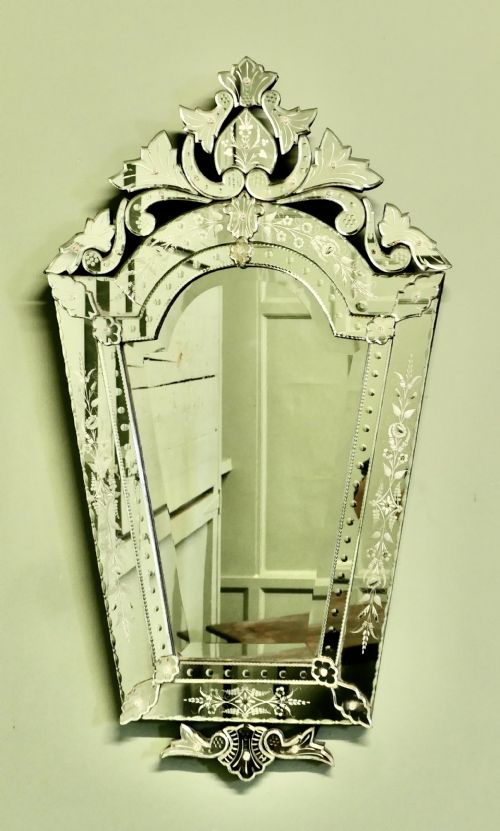
When you search for large vintage wall glass, you encounter architectural overmantels, pier mirrors, and shaped-top frames designed for principal reception rooms. The selection spans nineteenth-century Victorian and Edwardian periods alongside earlier Georgian influences, French chateau pieces, and Venetian glass.
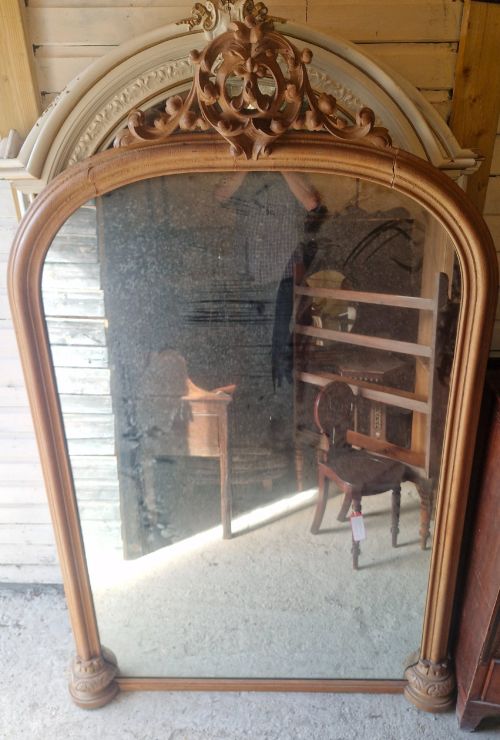
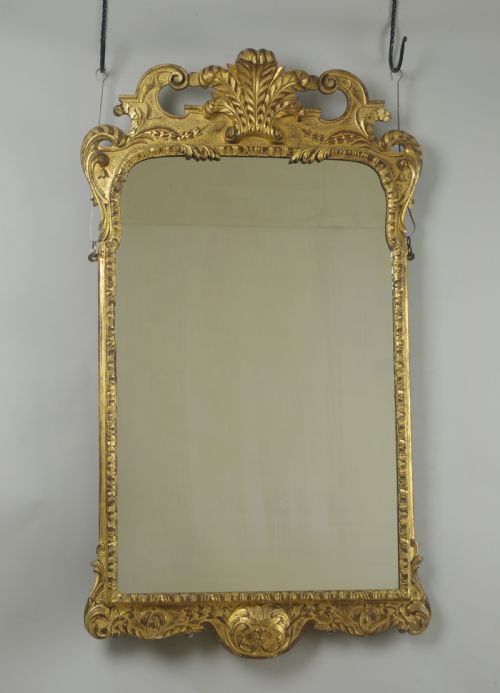
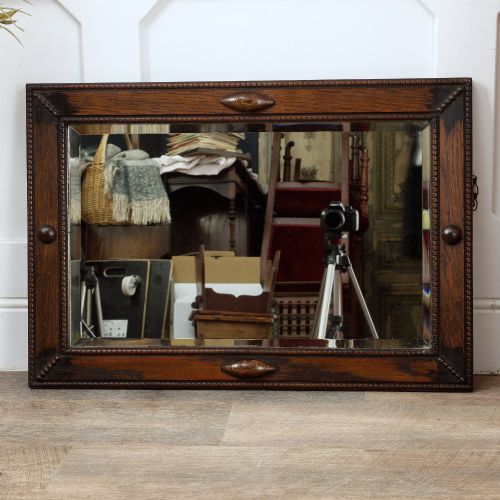
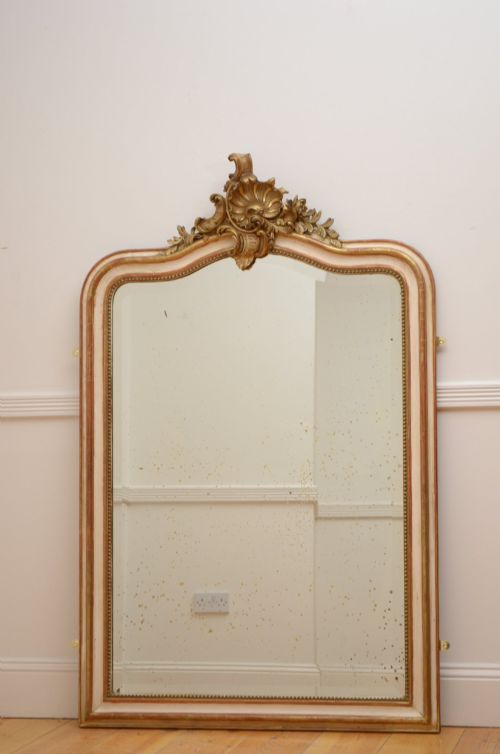
Most examples function as wall mirrors or overmantels, framed in carved wood, gesso, and giltwood. Pieces range from cushion-moulded Venetian plates to heavy oak frames and painted trumeau panels meant to hang above fireplaces or between windows.
Materials and construction
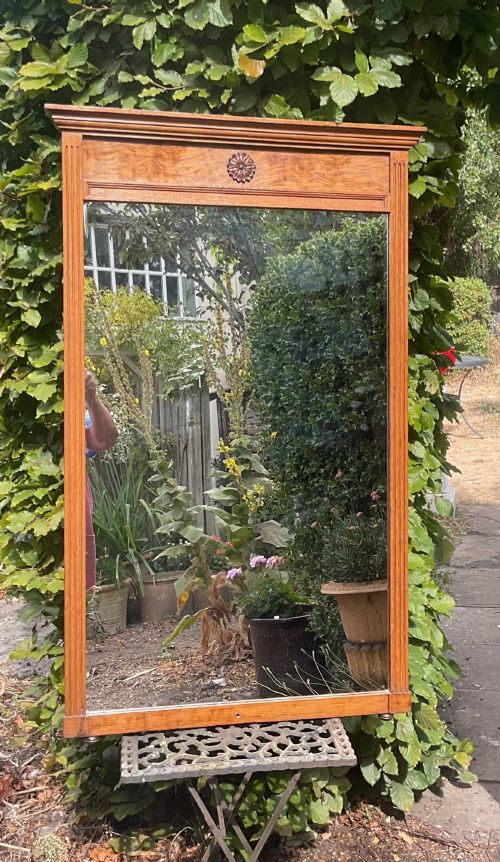
Carved wood and gesso provide the structural relief for nineteenth-century gilt frames, built up over timber foundations and coated in gold leaf, silver leaf, or paint. Heavier examples utilise oak, mahogany, or walnut, sometimes parcel-gilt or left in the natural blonde grain.
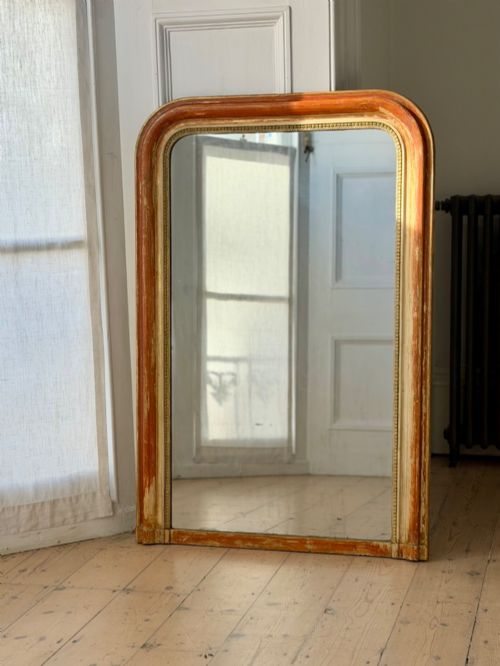
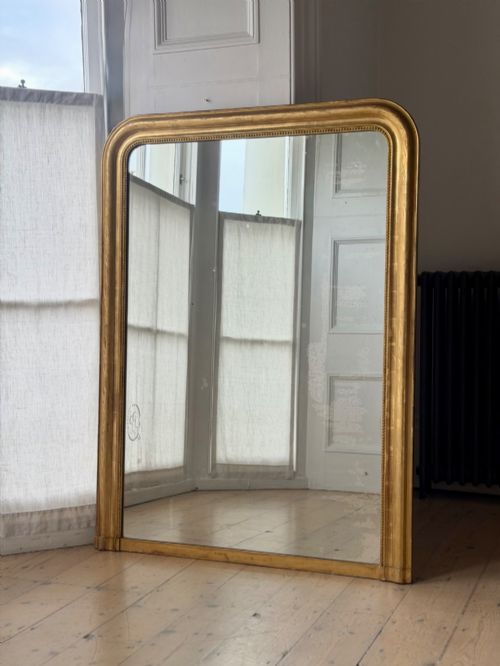
Reflective surfaces include mercury glass plates showing foxing alongside later bevelled and clear silvered plates. Frames often incorporate applied floral details, arched tops, and shaped mouldings fixed securely to heavy wooden backs.
The listings span the seventeenth century through the 1950s, utilising materials including giltwood, gesso, oak, mahogany, and both silver and gold leaf.
Standards of craftsmanship
Quality rests in the depth and crispness of the hand-carved gesso work upon the wooden substrate. Finer pieces display sharply defined scrollwork, intact gilding layers, and substantial timber joinery that supports heavy glass plates without torsion.
The character of the glass plate itself distinguishes the work, from aged mercury surfaces with natural oxidation to heavy cushion-moulded Venetian construction. The integration of original backboards and balanced proportions within the frame determines the integrity of the piece.
The Large Vintage Wall Glass Glossary
- Overmantel mirror
- A wide mirror specifically proportioned to hang on the wall above a fireplace mantelpiece. These often feature low profiles and decorative crestings.
- Gesso
- A plaster-like mixture applied to wooden frame bases and carved into relief ornaments before gilding or painting. It allows for intricate decorative mouldings.
- Foxing
- The speckled dark spots and oxidation appearing within older mirror plates as the backing deteriorates over time. This indicates age on nineteenth-century glass.
- Pier mirror
- A tall vertical glass designed to hang on the narrow pier of wall space between two windows. They reflect additional light into darker architectural spaces.
- Trumeau
- A decorative wall mirror incorporating a painted panel or oil painting within the upper section of the frame. Originating in French interiors, they combine art and reflection.
Large Vintage Wall Glass: Frequently Asked Questions
Where should I hang a large overmantel mirror?
These pieces sit traditionally on the chimney breast directly above the fireplace mantel. Their width balances the hearth below and reflects light across the room.
Ensure the wall fixings engage securely with structural studs or brickwork to support the considerable weight of the wooden frame and glass plate.
How do I identify a nineteenth-century giltwood frame?
Examine the corners and high points of the ornament where the underlying gesso and red bole clay show through worn gold leaf. Nineteenth-century frames use heavy timber carcasses beneath hand-modelled plaster reliefs.
Look for pegged wooden joinery at the reverse and traditional hand-cut screws or old fixings holding the backboards in place.
What is foxed glass?
Foxed glass refers to mirror plates that have developed cloudy patches, dark spots, and silvering loss due to chemical changes over decades of exposure. This occurs frequently on nineteenth-century mercury plates.
Collectors prize genuine foxing as an indicator of authenticity and age, distinguishing original antique glass from modern replacements.
Can these heavy mirrors be hung on drywall?
Standard plasterboard walls lack the structural capacity to support heavy nineteenth-century timber and gesso frames. Wall glass of this scale requires professional fixings anchored directly into masonry or heavy wooden studs.
Weight distribution matters greatly, so use substantial mirror brackets attached to the frame's main structural members rather than decorative crestings.