
Large Tribal Rug
When seeking a large tribal rug, you are looking for substantial floor coverings carrying centuries of nomadic design tradition.
Large Tribal Rug
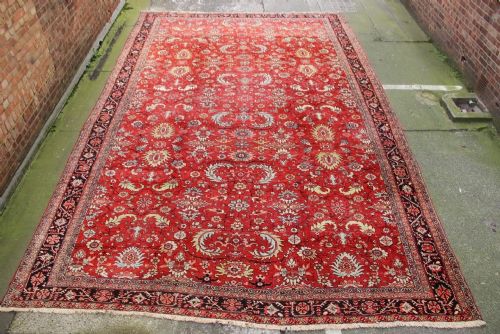
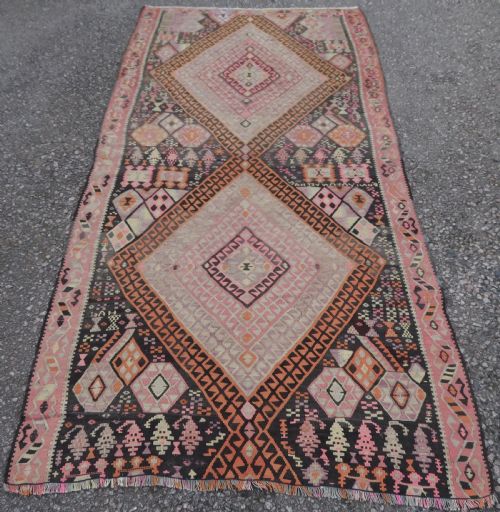
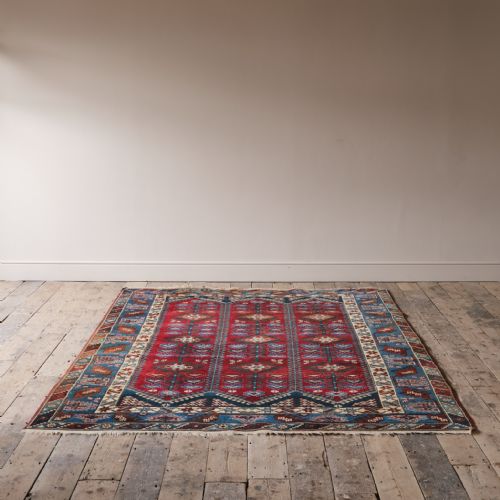
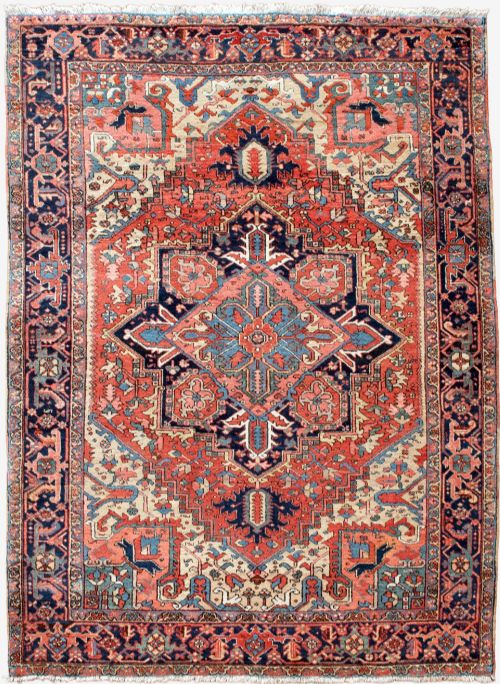
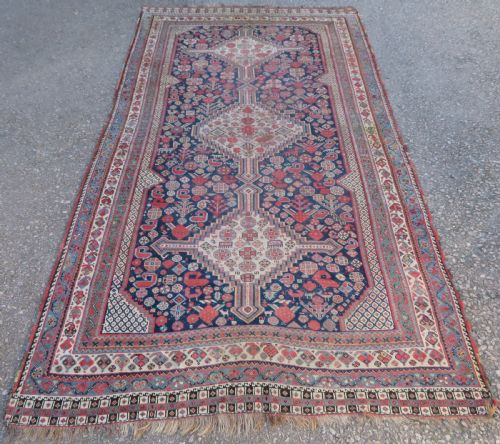
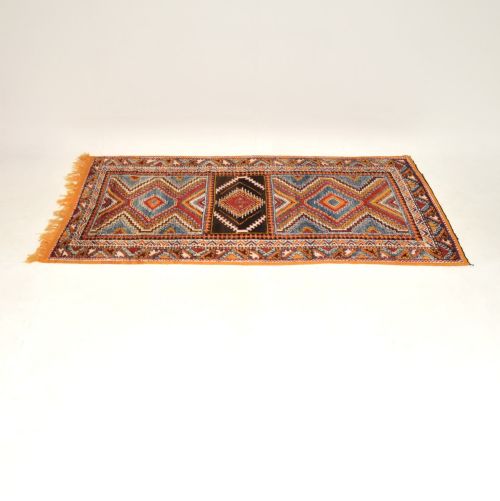
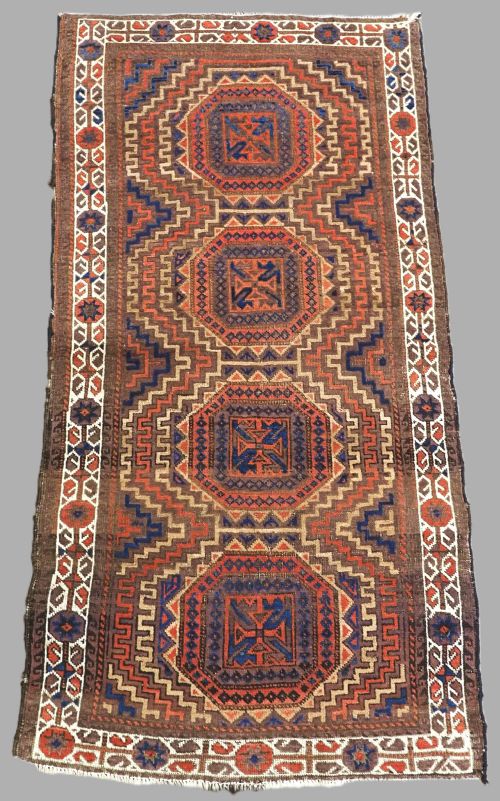
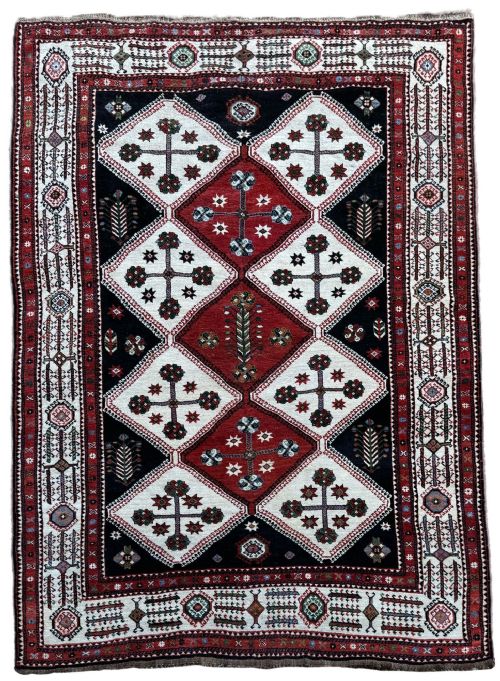
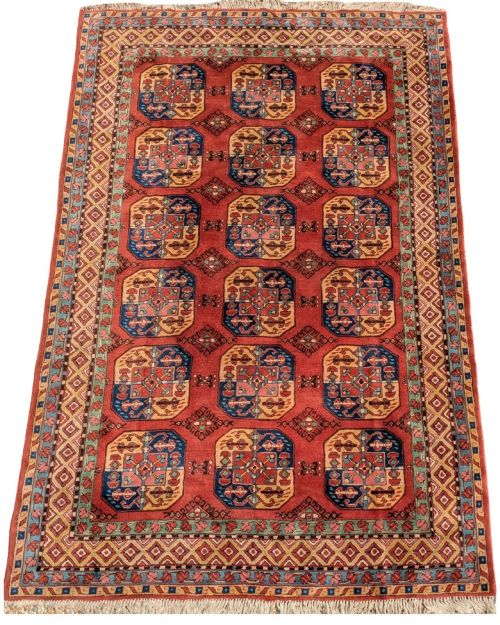
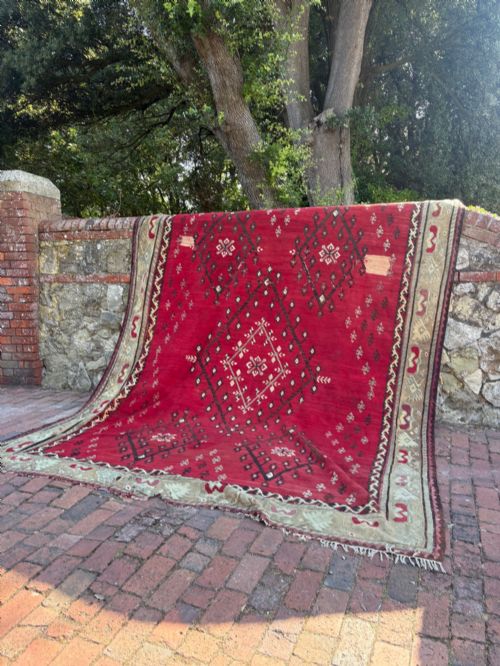
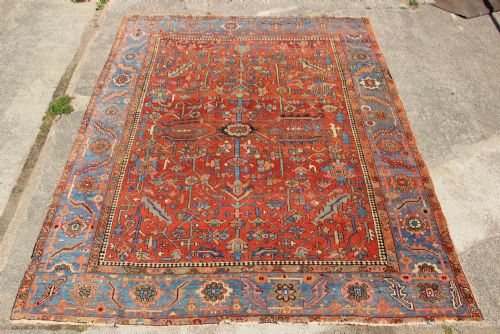
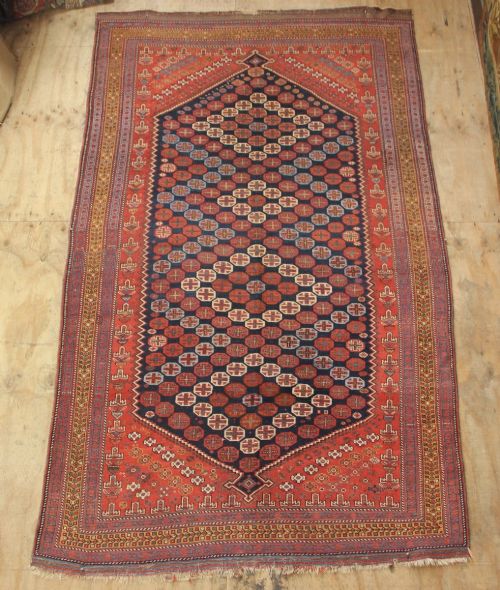
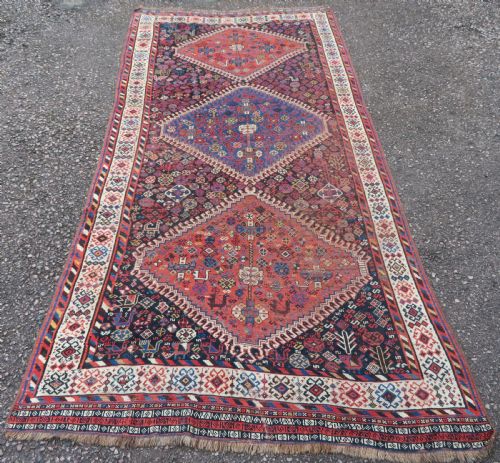
A large tribal rug encompasses room-sized carpets, long runners, and flatweave kilims originating from nomadic and village workshops across Persia, the Caucasus, and Central Asia. The pieces seen here span from the mid-nineteenth century through the early twentieth century, reflecting traditional weaving centres.
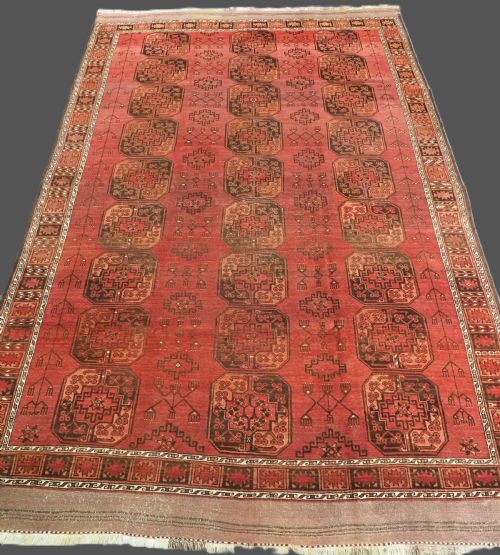
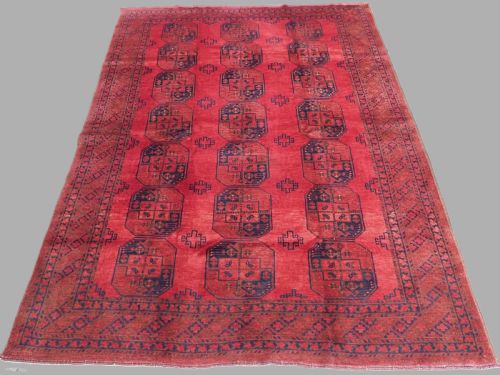
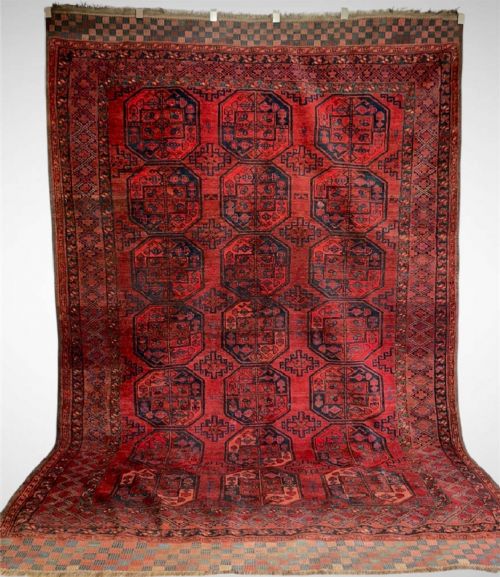
The most common formats on this page are substantial room-size carpets and village rugs featuring geometric guls, medallions, and bold border systems. These textiles served practical and decorative roles within tribal communities before entering the antique market.
Quality and Execution
Knot density and structural tightness dictate the resilience of the weave, distinguishing everyday utility carpets from finer tribal commissions. The precision of the geometric layout and the saturation of natural dyes provide clear indicators of workshop skill.
The condition of the wool pile and the integrity of the original selvedges and ends influence the overall standing of each textile. Examples retaining their full borders and uncompromised structural foundations sit firmly at the upper end of the scale.
Object forms represented in the inventory include area rugs, hallway runners, flatweave kilims, and large storage bagfaces.
The Large Tribal Rug Glossary
- Gul
- A repeating octagonal or medallion motif commonly found in Turkmen and Afghan tribal weaving. These primary design elements identify specific tribal lineages.
- Kilim
- A flatweave carpet produced without a pile by tightly interweaving warp and weft strands. These textiles function as floor coverings or utilitarian storage items.
- Kelleh
- A large rectangular format carpet traditionally used in Persian domestic interiors. This format offers extended proportions distinct from square room-size rugs.
- Selvedge
- The reinforced outer edge of a rug formed by binding the warp threads together. Proper selvedge construction prevents the pile from unravelling.
- Warp
- The vertical threads stretched taut on the loom before weaving begins. The weft strands are passed across these foundational threads to secure the knots.
Large Tribal Rug: Frequently Asked Questions
Where were these rugs made?
These textiles originate from nomadic and village weaving communities across Persia, the Caucasus, and Central Asia. Specific regions include Heriz, Shiraz, and various Turkmen tribal lands.
Production methods and wool sources reflect the local environment and traditional nomadic lifestyles of each distinct group.
How do I care for an antique rug?
Vacuum gently using suction only, avoiding rotating brush attachments that can pull at hand-spun wool fibres. Professional antique rug cleaning is recommended periodically to preserve the natural dyes.
Keep the textile out of direct, prolonged sunlight to prevent the red and blue wool tones from fading unevenly over time.
What is a tribal main carpet?
A main carpet refers to a large floor covering woven for principal domestic use within a nomadic tent or village home. These pieces typically display large-scale gul motifs and extended border systems.
They require significant labour and multiple weavers to complete, setting them apart from smaller bags or runner formats.
How can I tell the age of a rug?
Age is determined by analysing the wool quality, the chemical composition of the natural dyes, and the structural style of the weave. Mid-nineteenth to early twentieth-century pieces display specific regional palettes and hand-spinning irregularities.
Comparing structural motifs against documented tribal archives helps narrow down the probable decade of production.