

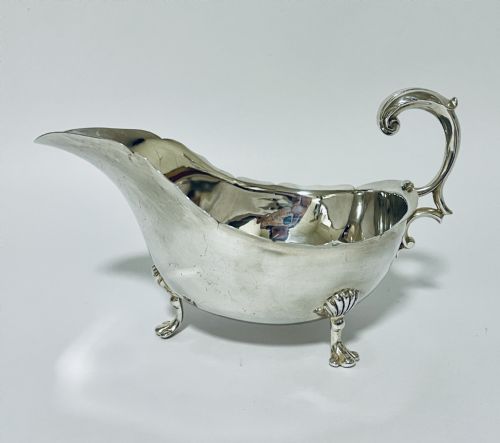


Large Silver Jug
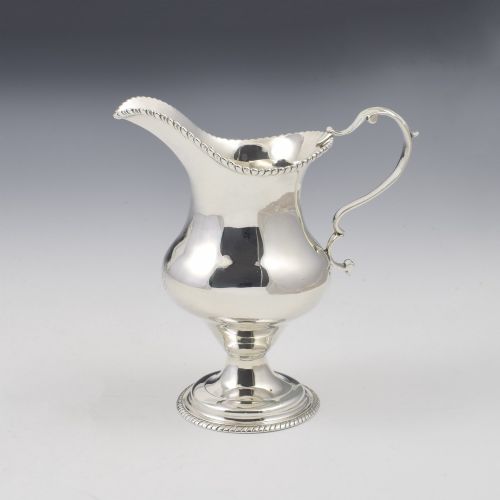
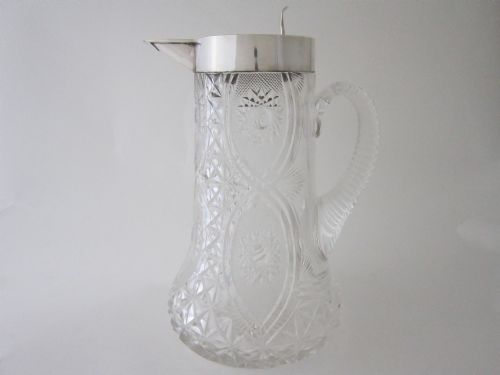
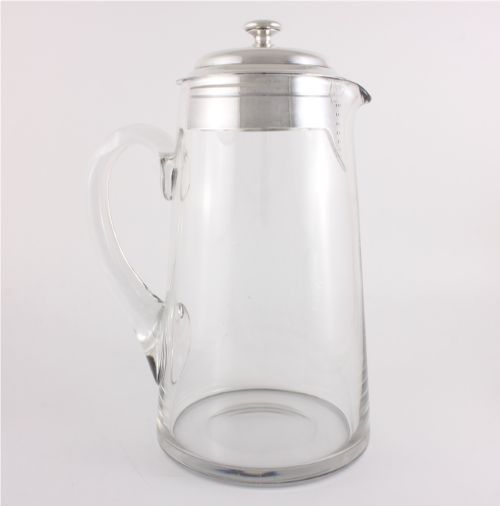
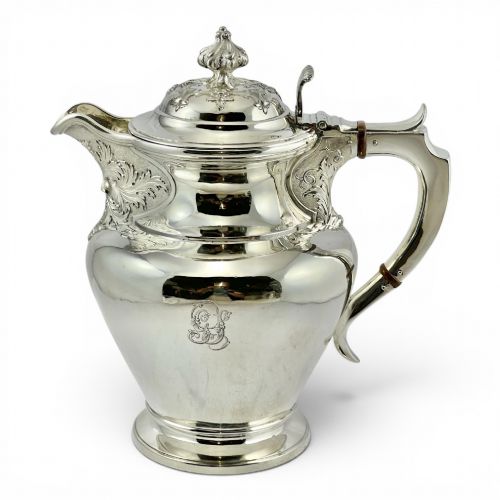
A large silver jug commands the table with substantial metal and glass, offering a focal point for pouring water, wine or cream.
Large Silver Jug
Buyers seeking a large silver jug encounter substantial vessels intended for water, wine, coffee or milk, spanning periods from the eighteenth century through to the mid-twentieth century. The selection encompasses sterling silver, silver plate, Old Sheffield plate, and combinations featuring cut glass, cranberry glass, stoneware and wood.
Forms vary significantly, including water jugs, decanters, claret jugs, harvest cups, coffee pots and sauce boats, associated with Georgian, Victorian, Edwardian, William IV and French mid-century styles. Pieces emerge from notable origins such as Edinburgh, London and Newcastle, reflecting diverse regional manufacturing traditions.
Materials and construction
Silversmiths utilised sterling silver, silver plate and Old Sheffield plate, often combining solid metal with heavy cut glass, cranberry glass or stoneware bodies. Handles frequently integrate wood or insulated mounts to manage temperature during use.
Manufacturing techniques combine traditional metal shaping, rim mounting, and glass cutting, alongside early plating methods where silver is fused to a base metal core. Makers applied hallmarks and early stamps to certify metal standard and origin.
Large Silver Jug Retail Price Guide 2026
Typical asking prices for large silver jug among the pieces listed under this phrase on Sellingantiques today, from the lower quarter to the upper quarter. They describe what is for sale here now, not the wider market.
An eighteenth-century pewter ale jug holds a full gallon, ensuring nobody stayed thirsty during a harvest supper.
Assessing quality and craftsmanship
Quality separates through the weight and thickness of the metal, the clarity and depth of glass cutting, and the crispness of applied mounts or cast handles. Superior examples maintain structural integrity in hinges, joints and mounts without excessive solder or distortion.
The distinction between solid sterling silver and plated wares alters long-term durability, while the presence of clear hallmarks or maker marks enhances historical attribution. Finer vessels exhibit balanced proportions and harmonious integration between glass bodies and silver rims or handles.
William Comyns·Stalker & Mitchison·Christofle
The Large Silver Jug Glossary
- Sterling silver
- A silver alloy containing 92.5 percent pure silver by weight, standard in British silver manufacturing.
- Old Sheffield plate
- An early fused plating technique where a layer of silver is fusion-bonded to a copper base, visible by a thin copper edge line.
- Claret jug
- A large pouring vessel specifically designed for serving claret or red wine, often featuring a glass body with a hinged silver mount.
- Harvest cup
- A large drinking vessel or jug typically fashioned from stoneware or glass with a silver rim, used during harvest celebrations.
- Whisky noggin
- A small spirit jug or decanter, though occasionally applied to larger serving formats within Edwardian designs.
Large Silver Jug: Frequently Asked Questions
What were large silver jugs used for historically?
These vessels served various domestic and hospitality functions, ranging from pouring water and wine at the dining table to holding coffee, beer or milk.
Larger capacity pieces functioned as harvest cups or communal drinking vessels during social gatherings and seasonal feasts.
How do I distinguish between sterling silver and silver plate?
Sterling silver pieces typically bear official hallmarks denoting the metal standard, city of assay and date letter.
Silver plate and Old Sheffield plate lack these standard sterling marks and may show underlying copper beneath worn areas.
How should I clean and care for silver jugs with glass bodies?
Clean the metal components using appropriate silver polish while avoiding abrasive materials that can scratch the polished surface.
Wash glass bodies separately in warm soapy water, ensuring mounts and hinged lids remain dry to protect internal pins and wood insulation.
How can I tell the period of a jug?
Dating relies upon stylistic markers such as Georgian neoclassical lines, Victorian ornate decoration, or Edwardian cut glass combinations.
Maker marks, hallmarks and regional assay stamps provide precise chronological indicators for authenticated pieces.