

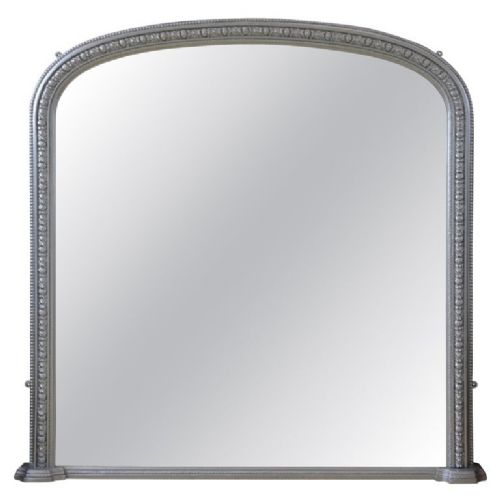

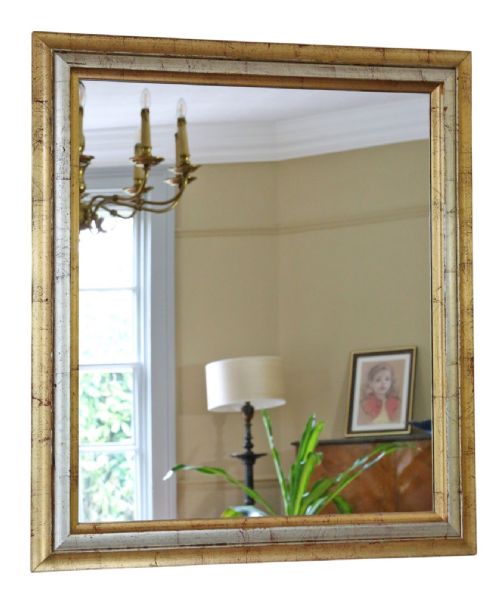
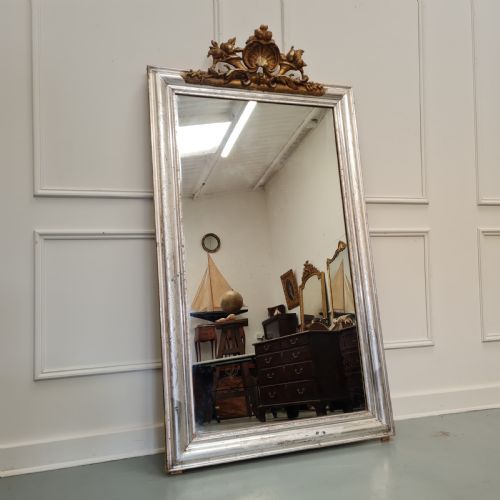


Large Silver Gilt Mirror
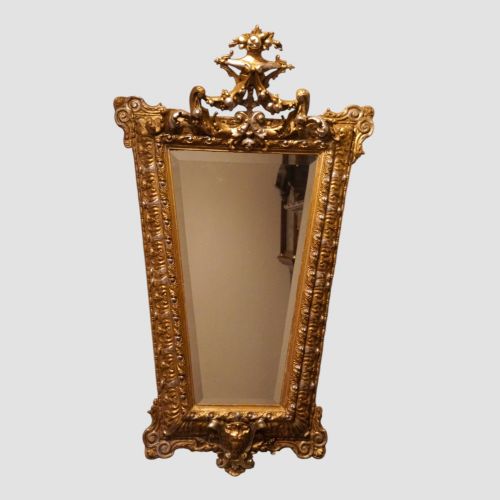
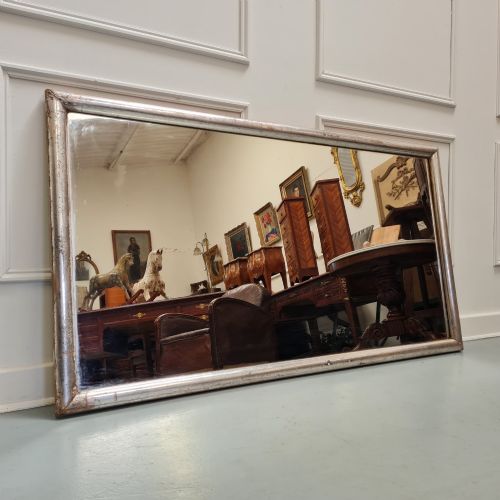
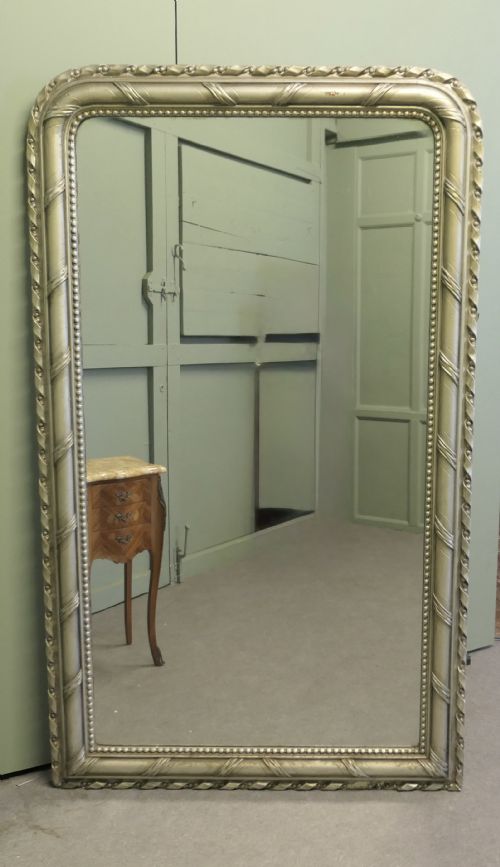
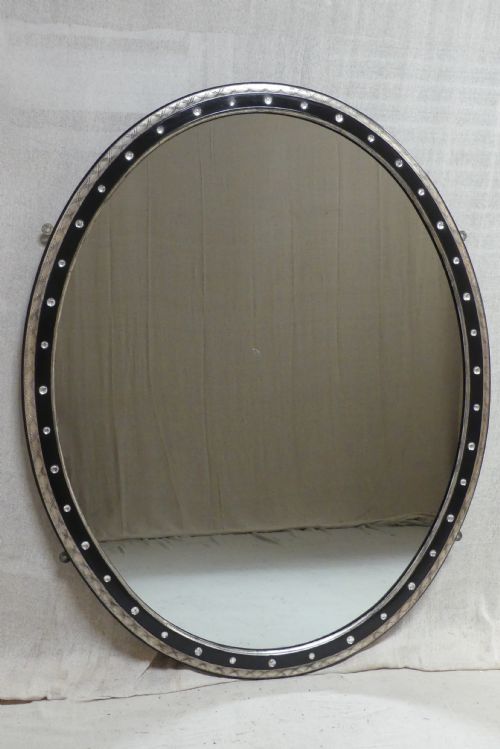
A large silver gilt mirror commands a room through scale and reflective brilliance, bringing period grandeur and historic light to domestic spaces.
Large Silver Gilt Mirror
A large silver gilt mirror brings dramatic scale and historic light to an interior, functioning as a primary decorative anchor for a room. When searching this phrase, buyers encounter substantial wall-hanging glasses and overmantel plates designed to sit above a fireplace.
The most frequent examples on this page hail from nineteenth-century France and England, showcasing stately proportions alongside ornate or restrained framing. French models often feature arched or shaped tops with intricate carved decoration, while English equivalents frequently take the form of heavy overmantels.
Origins span from seventeenth-century productions through to mid-twentieth-century interpretations, touching upon Louis Philippe, Baroque Revival, and Victorian aesthetic traditions. These objects served both practical reflective purposes and grand architectural functions in historic drawing rooms and parlours.
How they were made
Construction typically begins with a robust wooden framework of carved wood or oak, providing the structural integrity required for heavy glass plates. Artisans then applied layers of gesso to the timber substrate, smoothing the surface to receive fine metallic leaf.
Gilders laid down silver leaf, gold leaf, or silvered compositions by hand, often burnishing the metal to achieve a brilliant reflective sheen or applying toning to create a softer, aged appearance. Many historic frames incorporate ebonised sections alongside the metallic leaf for stark visual contrast.
Mirror plates themselves were set within these layered frames, utilising early float glass, bevelled edges, or etched designs depending on the period of manufacture.
Some nineteenth-century mirrors spent their youth reflecting Parisian wine drinkers before retiring to quiet British hallways.
What varies in quality
The sophistication of the carved wood and gesso ornamentation dictates much of the visual hierarchy, separating mass-produced nineteenth-century items from deeply hand-carved bespoke commissions. Crispness of detail in moulded foliage or scrolls indicates skilled handwork by period artisans.
The integrity of the original silver leaf or silvered surface relative to modern restoration alters the historic authenticity and depth of the piece. Surviving plates with original bevelling and undisturbed metallic application command higher regard among collectors seeking uncompromised provenance.
The Large Silver Gilt Mirror Glossary
- Silver Gilt
- Silver leaf or metal applied to a prepared surface to simulate solid silver, often warmed with subtle gold leaf accents. This finish provides a bright, reflective metallic tone distinct from standard yellow gold.
- Gesso
- A plaster-like mixture applied to carved wood frames to create a smooth base for gilding. It allows craftsmen to model intricate relief decoration before applying metallic leaf.
- Overmantel Mirror
- A wide mirror specifically proportioned to hang on the wall directly above a fireplace mantelpiece. These pieces frequently incorporate horizontal framing to match domestic hearth dimensions.
- Louis Philippe
- A mid-nineteenth-century French style characterised by simple, elegant curves and restrained neoclassical lines. Such pieces favour gentle arched tops over excessive ornamentation.
- Ebonised
- Wood treated with a chemical stain or black finish to imitate expensive ebony. This dark treatment was frequently paired with silver gilt highlights on Victorian frames.
Large Silver Gilt Mirror: Frequently Asked Questions
Where should I hang a large mirror?
Large reflective plates perform best opposite windows to maximise natural light distribution across a room. Positioning them above a fireplace mantel creates a traditional focal point.
Ensure wall fixings anchor securely into structural studs or masonry, given the substantial weight of timber and gesso frames.
How do I clean an antique frame?
Dust delicate carved wood and gesso surfaces gently using a soft, dry brush to preserve the underlying metallic leaf. Avoid liquid cleaners or chemical sprays that might strip historic silver leaf or damage fragile gesso.
Glass plates tolerate standard glass cleaner applied sparingly to a cloth rather than sprayed directly, preventing moisture seepage behind the frame.
What defines a French bistro mirror?
Bistro mirrors typically feature narrow wooden frames with simple linear profiles designed for commercial hospitality spaces in nineteenth-century France. They offer generous reflective surfaces without heavy decorative carvings.
These utilitarian pieces bring understated charm to modern residential hallways and dining rooms.
Are these mirror plates original?
Many antique frames retain their original glass plates, which often display characteristic foxing, minor speckling, and gentle distortions. Replacements do occur over centuries of domestic use, though original bevelled glass remains highly prized.
Examining the backing boards and silvering deterioration helps determine the age relationship between glass and frame.