
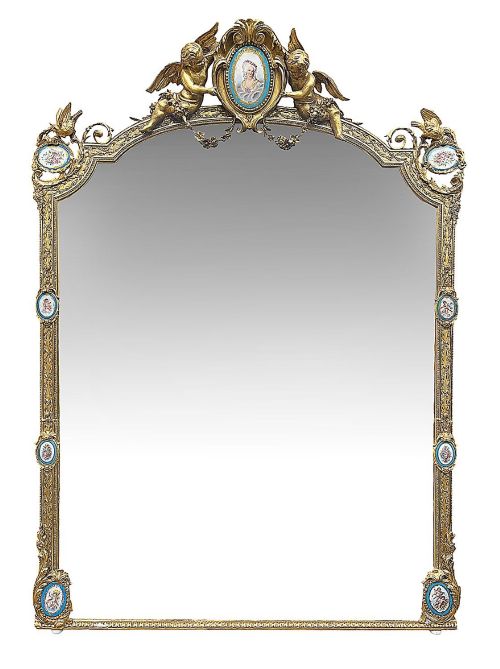
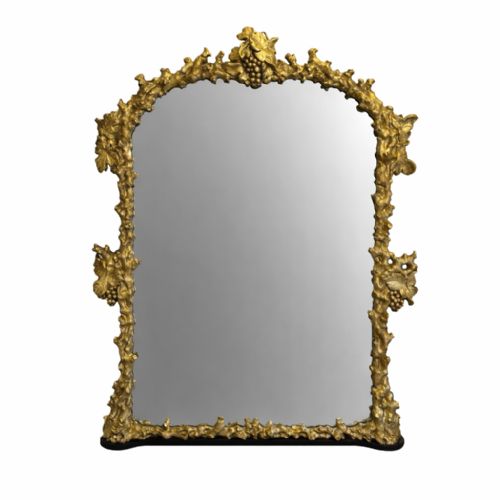
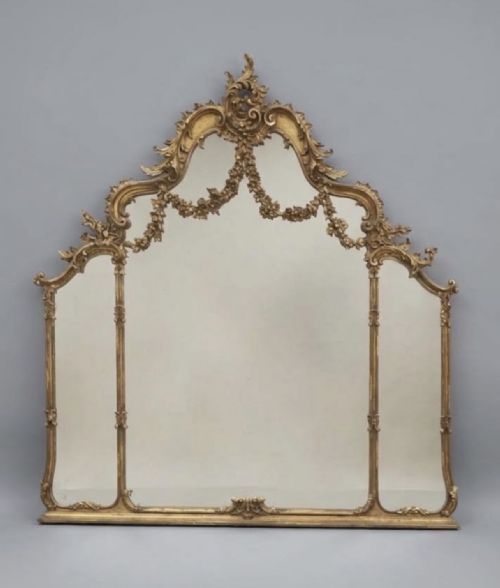
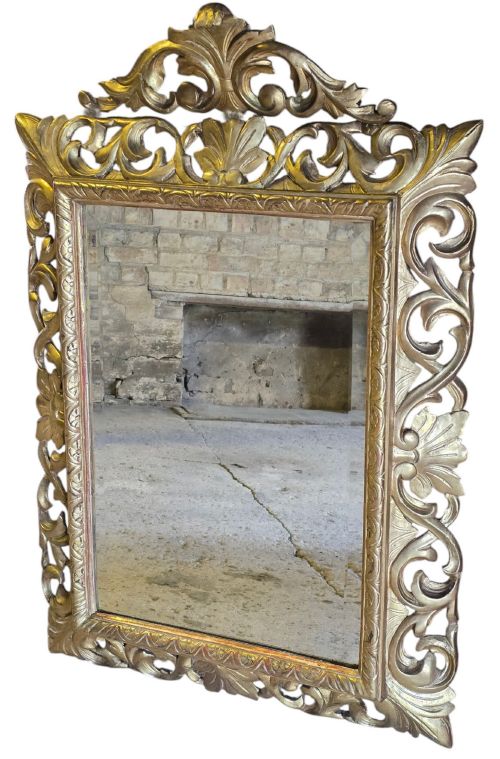
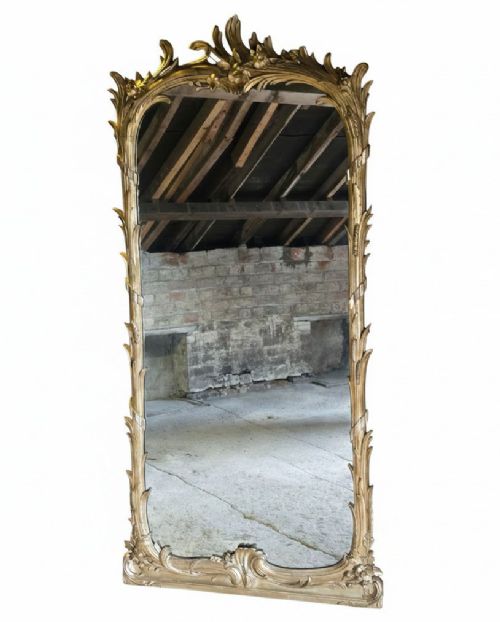


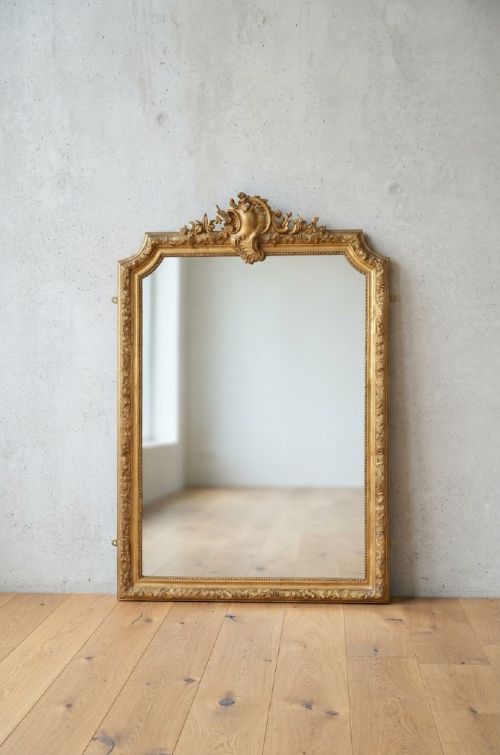
Large Rococo Overmantel Mirror
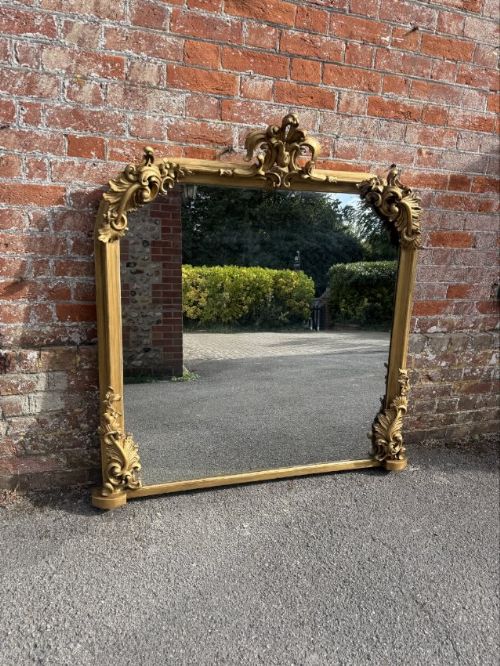
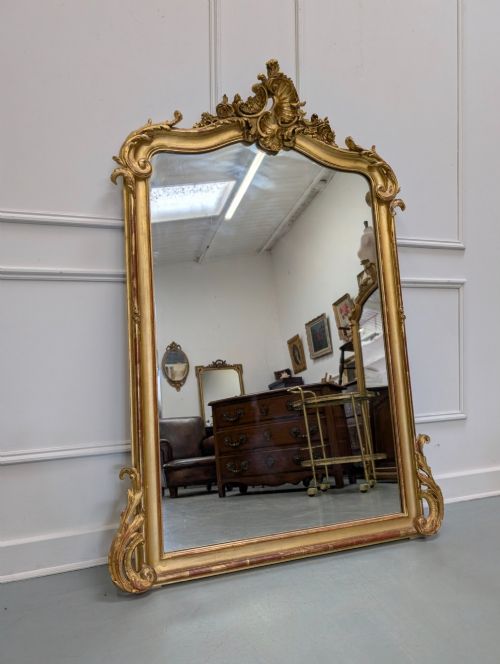
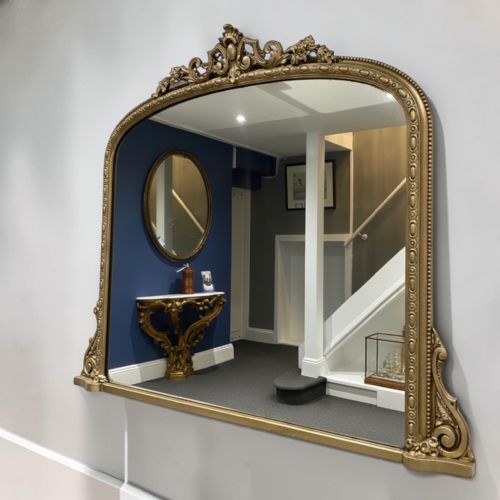
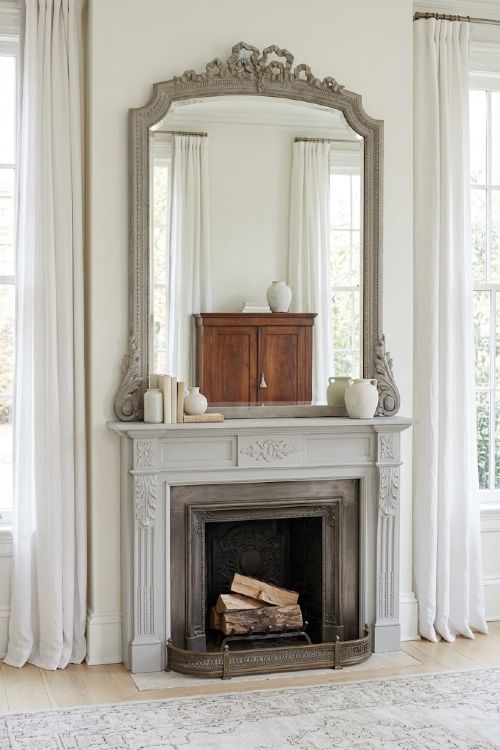
A large rococo overmantel mirror brings sweeping architectural scale and elaborate scrolled ornamentation to a fireplace or main wall.
Large Rococo Overmantel Mirror
When searching for a large rococo overmantel mirror, buyers encounter substantial wall-hanging and leaner pieces designed to sit above mantelpieces or anchor large rooms. These items span the 18th century, 19th century, Victorian era, and early 20th century.
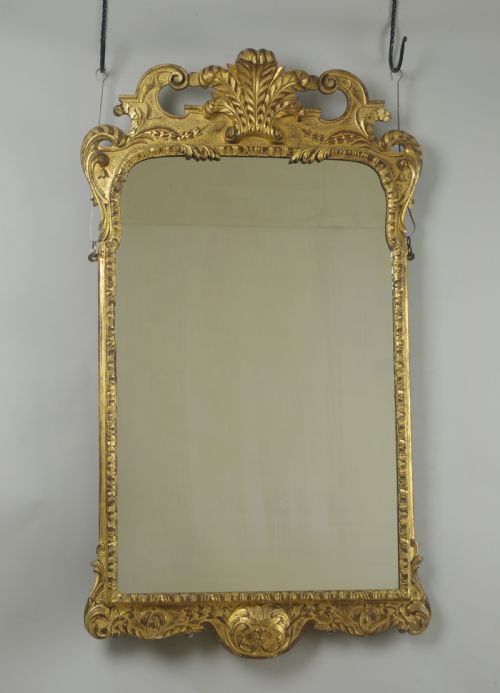
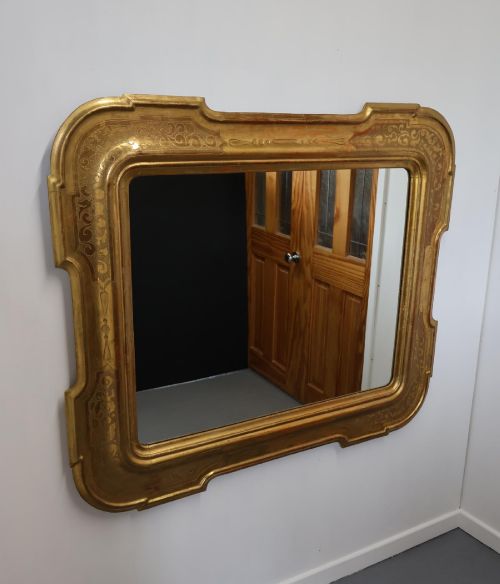
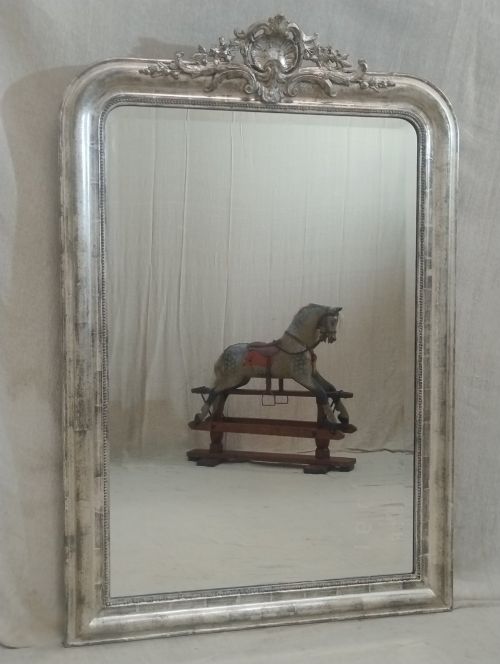
French and English origins dominate the selection, featuring styles such as French Rococo, Victorian, and Chinese Chippendale. The most frequent examples on this page are 19th century giltwood and gesso pieces with carved ornament, shaped tops, and triple plates.
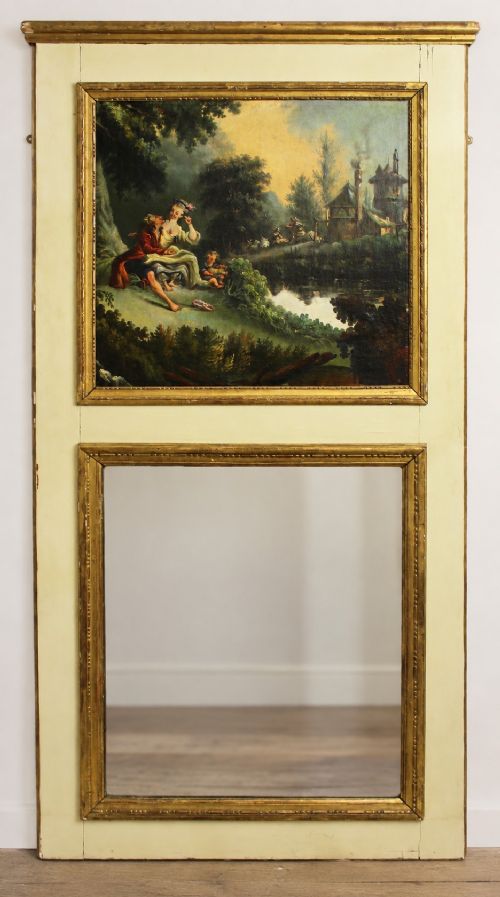
Forms include arched frames, crested designs, and trumeau mirrors incorporating pastoral oil paintings. Many are substantial statement pieces reaching considerable heights and widths.
What varies in quality
The depth and crispness of the hand-carved wooden details separate standard moulded pieces from superior examples. Master carvers produced undercut scrolls and organic foliage with sharp relief that catches the light differently than cast plaster.
Original mercury glass plates with authentic age spots carry distinct visual character compared to later replacement mirror glass. The integrity of the original gold leaf or silver leaf surface, rather than modern repainting, determines the historical standing of the piece.
The object types recorded across these items comprise wall mirrors, overmantel mirrors, and trumeau mirrors with integrated pastoral oil paintings.
The Large Rococo Overmantel Mirror Glossary
- Overmantel mirror
- A large mirror specifically proportioned to hang on the wall directly above a fireplace mantelpiece. These often feature wide horizontal or vertical formats to span the chimney breast.
- Giltwood
- Timber, most commonly pine or softwoods, that has been covered with a thin layer of gold leaf. This technique creates a rich metallic finish characteristic of formal period decoration.
- Gesso
- A paint mixture consisting of a binder mixed with chalk, gypsum, or pigment. Artisans applied this substance to wooden frames to build up smooth surfaces for carving and gilding.
- Mercury glass
- A double-walled glass blown type popular in the 18th and 19th centuries, silvered between the layers with a liquid mercury amalgam. It produces a misty, atmospheric reflection with characteristic dark spots.
- Trumeau mirror
- A decorative wall mirror that incorporates an oil painting or panel within the upper section of the frame. These originated in grand French interiors.
Large Rococo Overmantel Mirror: Frequently Asked Questions
How do I hang a heavy overmantel mirror?
These large pieces require secure fixing directly into wall studs or masonry using substantial brackets rated for considerable weight. Professional installation is standard practice given the heavy wooden frames and large glass plates.
Because many examples were originally designed to rest on mantelpieces while being secured to the wall with anchor straps, modern placements should combine wall hooks with bottom support to distribute the load safely.
What is the difference between rococo and rococo revival?
Original rococo pieces date from the 18th century and embody the lighter, highly ornate French court aesthetic of Louis XV. The carving shows distinct organic asymmetry and shell motifs executed by hand.
rococo revival pieces date from the 19th century, particularly the Victorian period, when cabinetmakers reinterpreted those earlier 18th-century forms with heavier proportions and machine-assisted moulding techniques.
Can these mirrors be used as floor leaners?
Many tall examples function effectively as leaner mirrors placed directly on the floor against a wall. This positioning requires adequate height and a stable base.
Wall anchoring remains essential even when leaning to prevent the heavy wooden frame and glass from tipping forward into the room.
How do I identify mercury glass?
Mercury glass reveals itself through a cloudy, uneven reflection accompanied by dark spots and crystallization known as foxing. This appearance stems from the historical silvering process.
Modern replacement glass appears uniformly bright and clear without the characteristic depth and mottled ageing found in 18th and 19th century plates.