
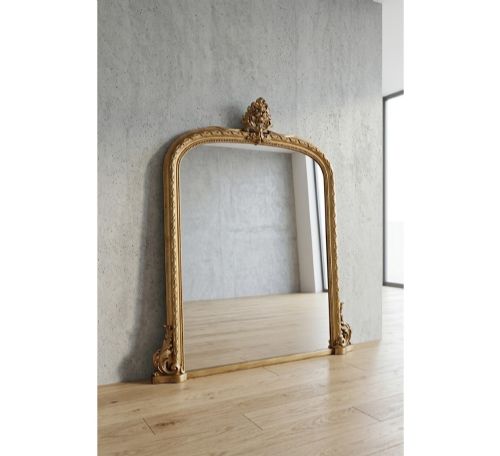
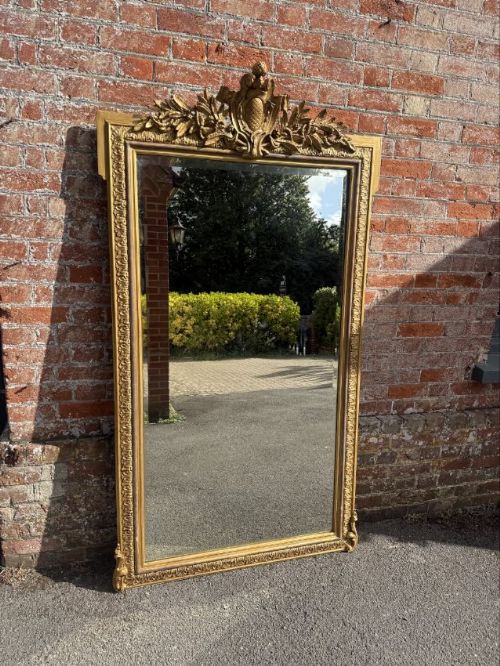
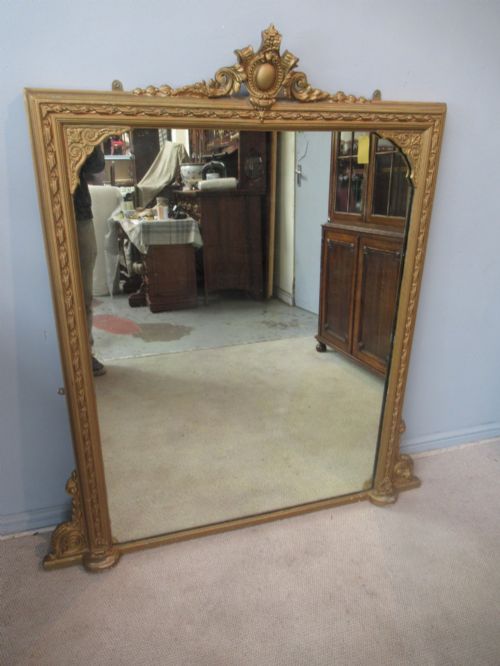
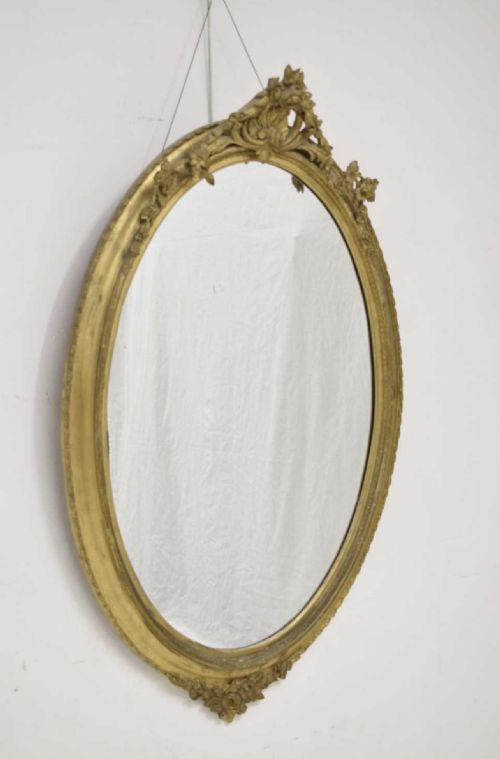
Ornate Gold Crest Mirror
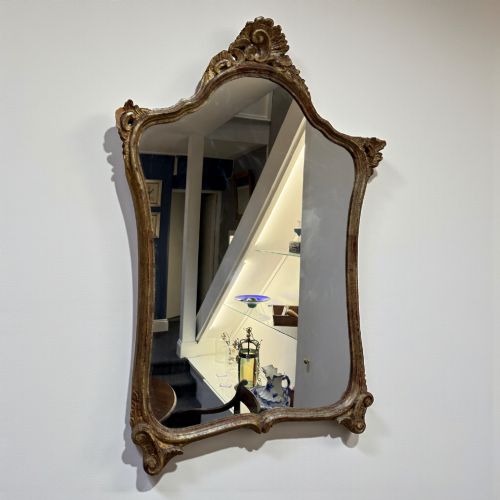
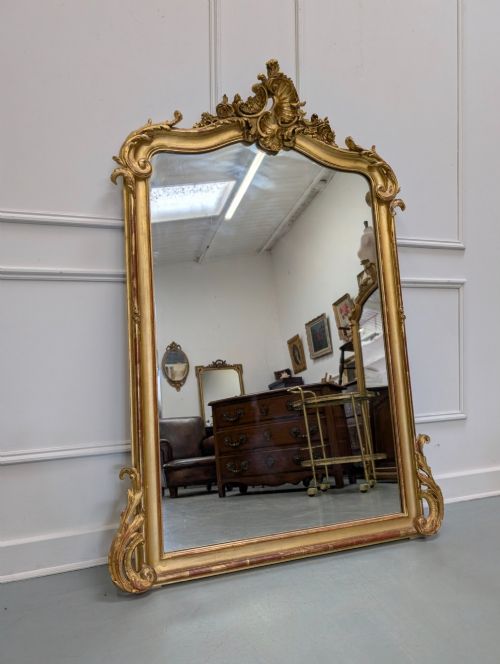
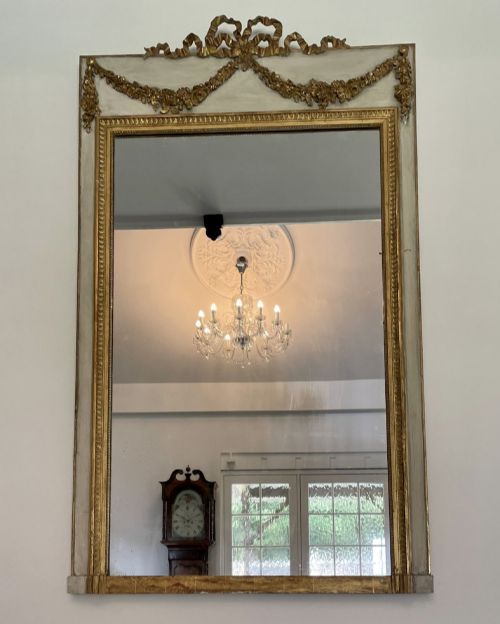
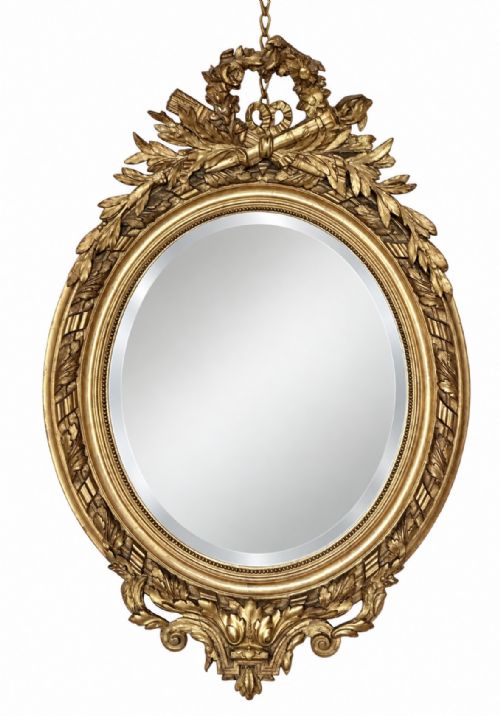
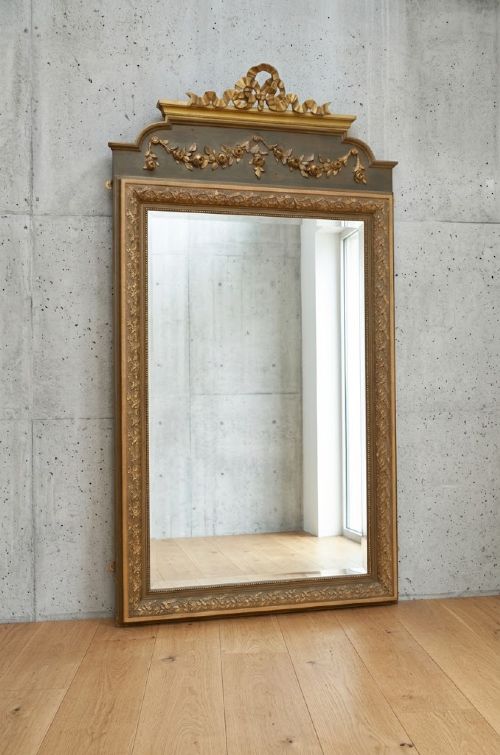
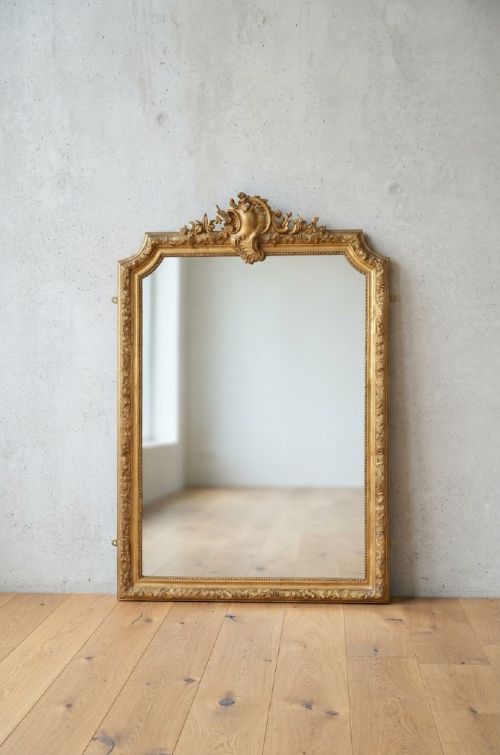
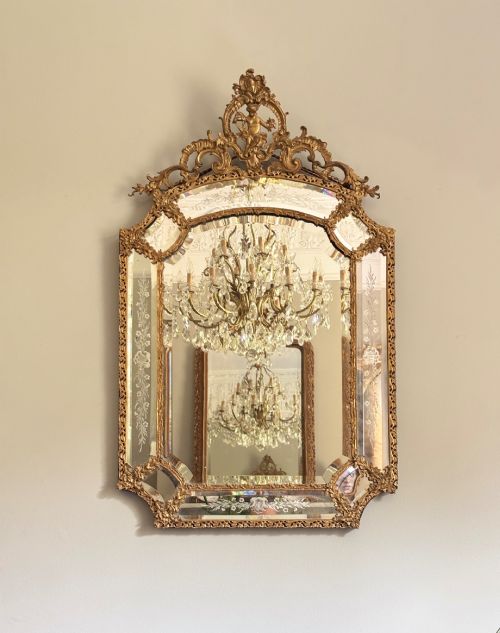
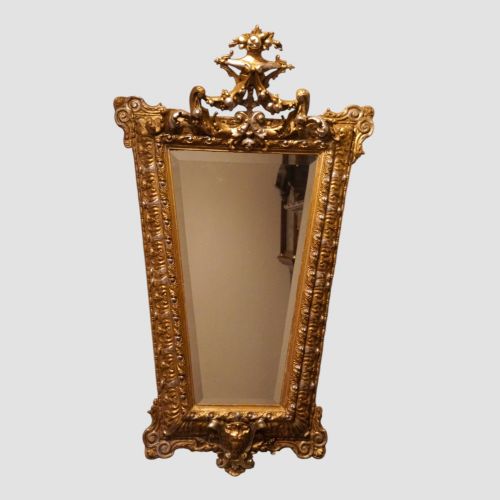
An ornate gold crest mirror brings dramatic period presence to a room, offering grand decorative detail through gilded frames and sculptural top ornaments.
Ornate Gold Crest Mirror
When you search for an ornate gold crest mirror, you encounter significant wall and overmantel pieces designed to command attention in a principal room. The selection spans the nineteenth century alongside Victorian and Edwardian periods, drawing heavily on French and Italian design vocabularies.
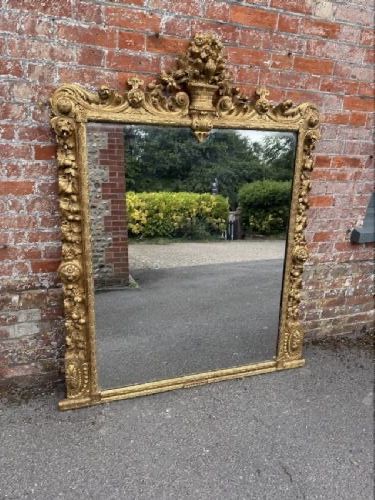
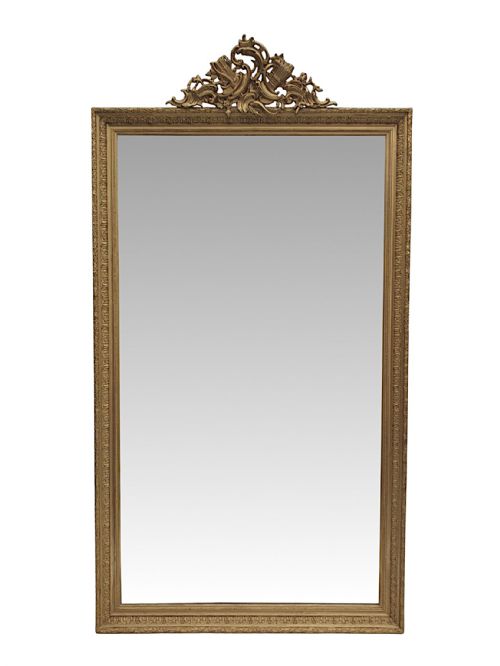
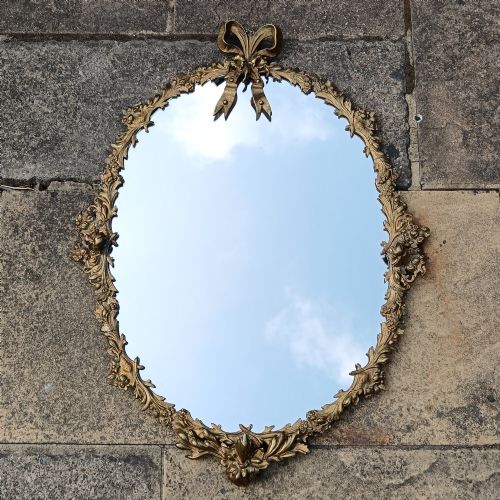
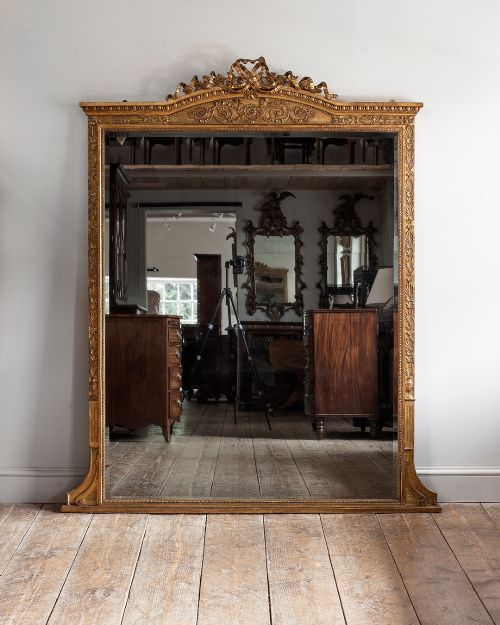
Most examples appear as large wall or overmantel mirrors shaped by Rococo Revival, Louis XV, and Louis XVI styles. These items frequently display prominent crests, ranging from carved ribbon motifs to elaborate floral arrangements and classical cartouches.
Origins stretch across English, French, and Italian workshops, with nineteenth-century productions dominating the available forms. Buyers find both landscape formats meant for chimney pieces and tall vertical shapes suited for piers and halls.
How they were made
Maker's hands shaped these objects using carved wood, gesso, and composition applied over wooden carcasses to build up high-relief ornamentation. Gilding was achieved through gold leaf or metal leaf finishes, sometimes accompanied by areas of silver-gilt or painted accents.
Frames often combine solid timber frames with moulded compa ornaments pinned or glued in place before gilding takes place. Bronze elements appear on specific French pieces, utilising cast metal frames alongside traditional glass plates.
Listings feature items from the nineteenth century alongside Victorian, Edwardian, and Regency periods, utilising giltwood, gesso, and glass.
What varies in quality
The distinction between standard items and superior examples lies in the depth and sharpness of the hand-carved wooden elements versus mass-moulded composition. Crisp undercut carving on the crest distinguishes master craftsmanship from simpler decorative production.
The integrity of the original mercury or mirror plate and the depth of the gold leaf application determine overall visual presence. Genuine period gilding shows subtle tonal variation and wear that differs markedly from later secondary applications.
The Ornate Gold Crest Mirror Glossary
- Giltwood
- Timber that has been coated with a thin layer of gold leaf or metal leaf. This finish defines the characteristic metallic brilliance seen across antique frames.
- Gesso
- A plaster-like mixture applied to wooden frames as a smooth base for gilding. Artisans carved intricate details directly into this layer before applying gold leaf.
- Composition
- A moulded mixture of whiting, resin, glue, and oil pressed into decorative motifs. It allowed makers to produce ornate crests and borders efficiently.
- Overmantel mirror
- A large horizontal mirror designed specifically to hang above a fireplace mantelpiece. These pieces often anchor the decorative scheme of a nineteenth-century room.
- Crest
- The decorative ornament mounted at the very top centre of a mirror frame. It provides the primary sculptural focus for the entire piece.
Ornate Gold Crest Mirror: Frequently Asked Questions
Where should I hang an overmantel mirror?
These large horizontal pieces traditionally sit directly above a fireplace mantelpiece to reflect light and anchor the room's proportions.
Ensure the wall fixings are rated for substantial weight, as nineteenth-century wooden and gesso frames carry considerable heft.
How do I identify a French style mirror?
French examples typically display flowing Rococo curves, asymmetrical cartouches, or restrained Louis XVI neoclassical symmetry. Look for carved ribbon crests, gilt bronze mounts, or characteristic marriage mirror designs.
Origins often show in the specific joinery techniques and the warmth of the underlying gesso layers.
Are these mirrors fitted with original glass?
Many retain their original mirror plates, which frequently exhibit subtle foxing, minor age spots, or mercury silvering irregularities. These optical imperfections confirm period authenticity and contribute to the softer reflection characteristic of antique glass.
How do I care for a giltwood frame?
Dust the carved surfaces gently with a dry, soft brush to protect the delicate gold leaf and gesso layers from damage. Avoid liquid cleaners entirely, as moisture can lift the ancient gilding and composition ornaments.