
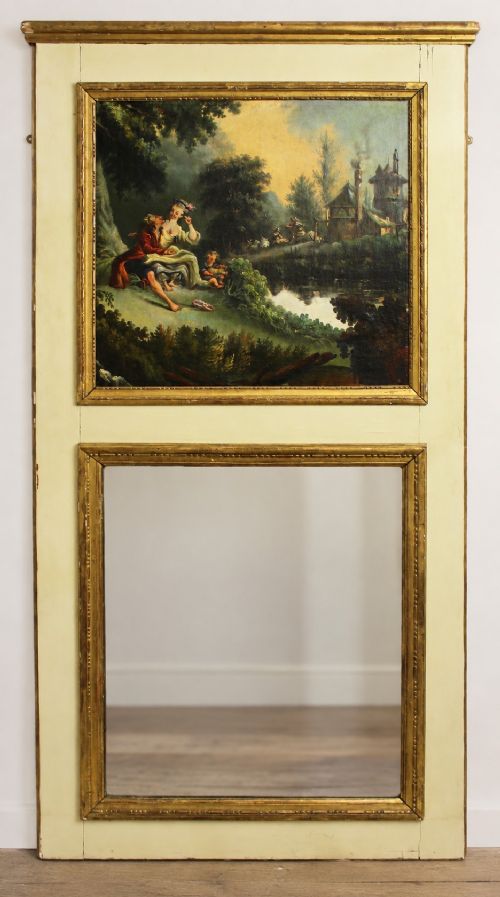
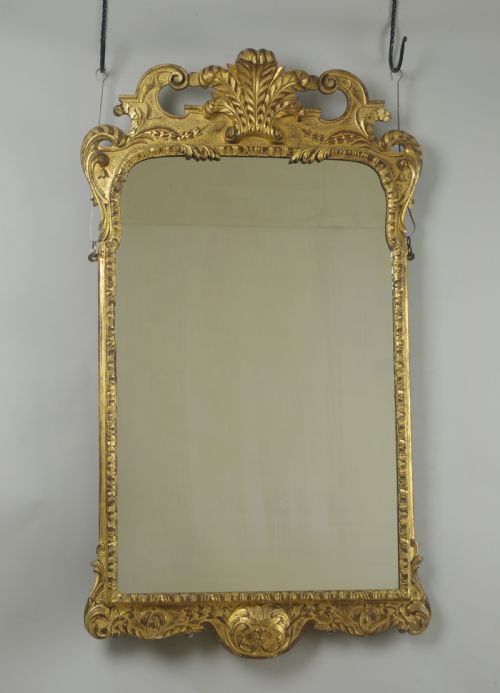
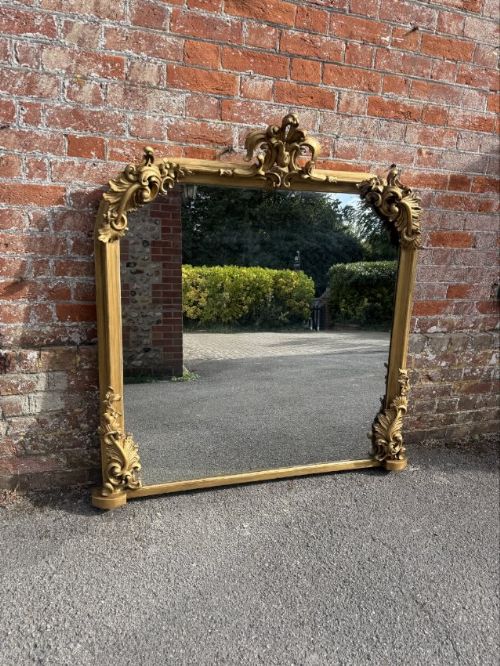
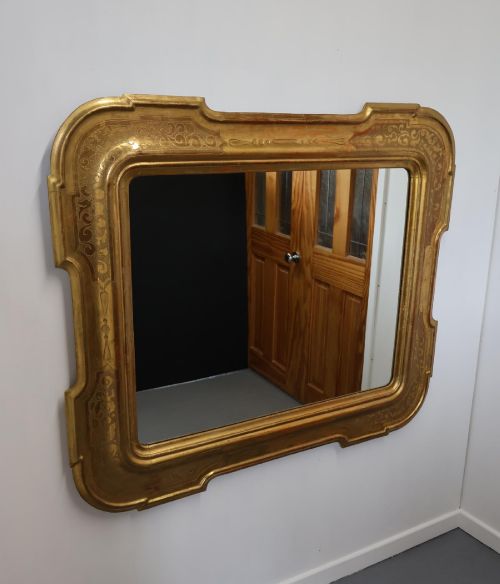
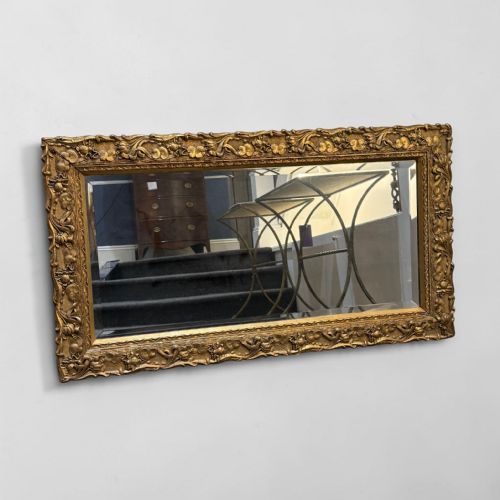
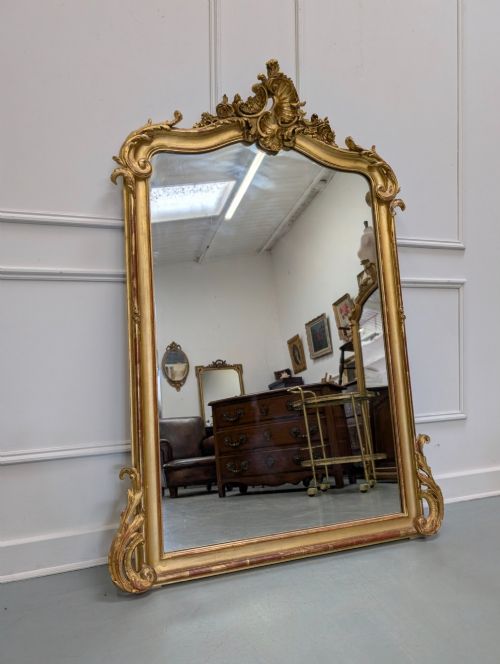
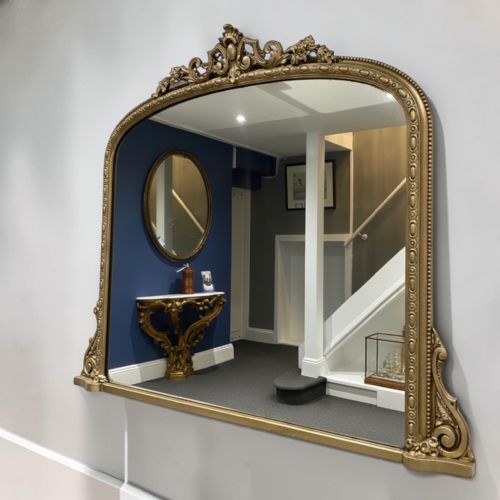
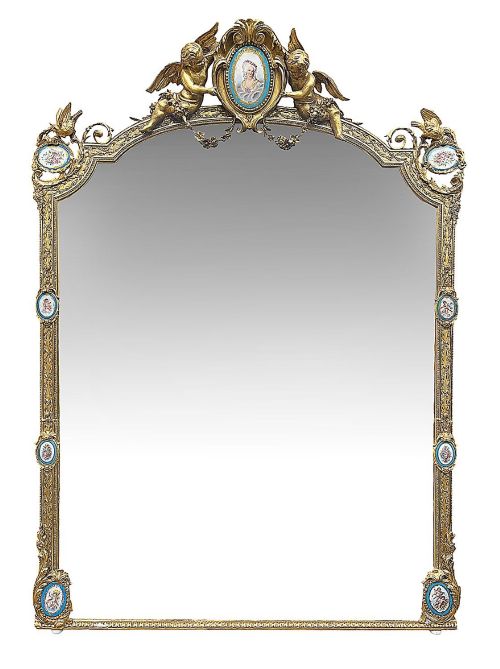

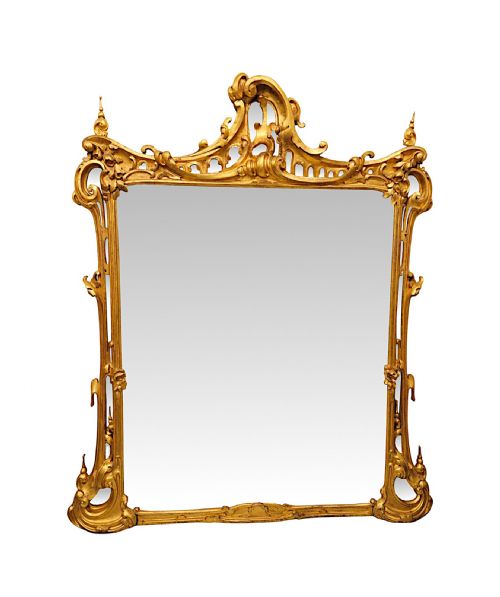
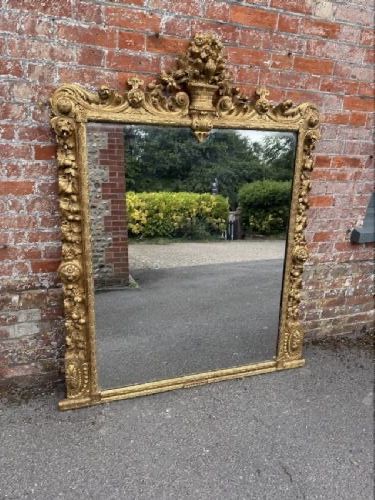
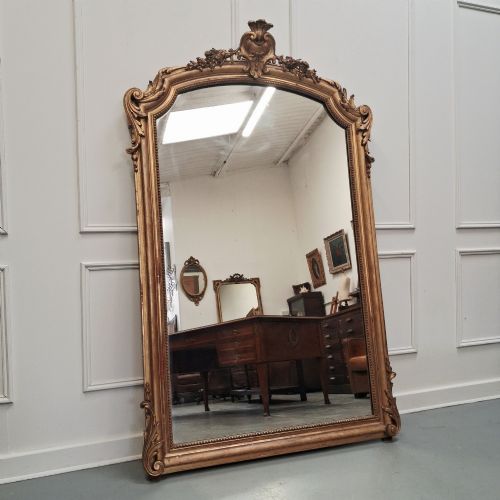
Large Rococo Gilded Mirror
A large rococo gilded mirror brings commanding presence and reflected light to a room, drawing the eye with elaborate, flowing scrolls.
Large Rococo Gilded Mirror
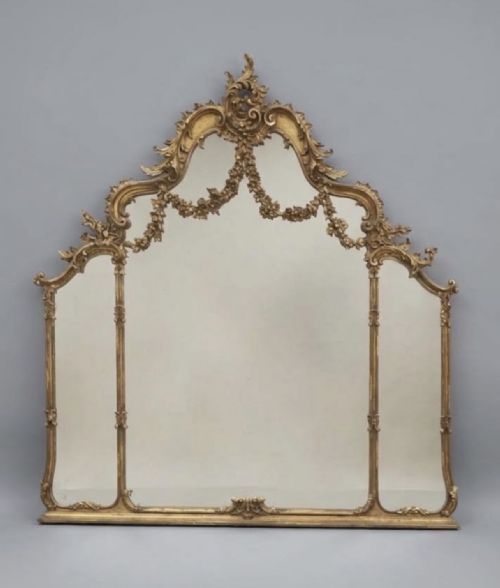
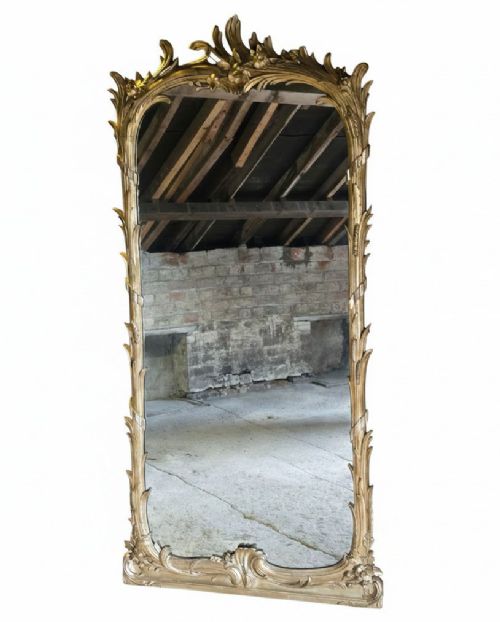
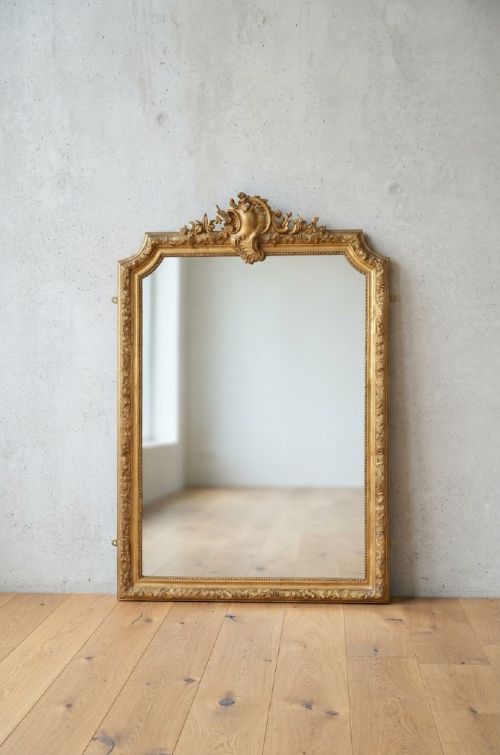
A large rococo gilded mirror principally takes the form of an overmantel mirror, wall mirror, or full-length leaner mirror designed to anchor a principal reception room. Most examples seen here date from the nineteenth century, including specific decades such as eighteen seventy and eighteen fifty, alongside earlier eighteenth-century pieces.
The aesthetic embraces French chateau and Italian influences, often manifesting as rococo revival, Chinese Chippendale, or Georgian styles. These objects function as architectural statements, frequently spanning well over a metre in height to dominate a fireplace or large wall.
Origin points span French, English, and Italian workshops, incorporating distinct local interpretations of rococo scrolls and asymmetrical motifs. Buyers encounter substantial wood frames built to hang above mantelpieces or rest directly upon the floor.
Materials and Construction
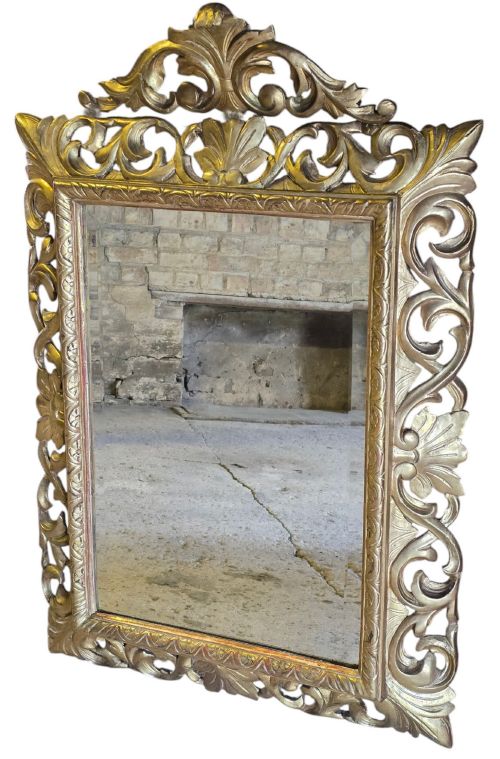
Construction relies upon carved wood or plaster foundations built up with gesso layers before receiving application of gold leaf, silver-gilt, or standard gilding. Carvers shaped timber and applied moulded composition ornament to create high-relief scrolls, acanthus leaves, and floral crestings.
Mirrors utilise traditional glass, including historic mercury glass and foxed plates that display characteristic age spots and depth. Frames combine structural pine or hardwood with delicate gesso surface modeling to support heavy glass panels.
Listings feature eighteenth and nineteenth-century periods, utilising giltwood, gesso, glass, and gold leaf across wall, overmantel, and leaner mirror forms.
Craftsmanship and Preservation
Quality separates along the depth and crispness of the hand-carved woodwork compared to simpler moulded composition. Superior examples display undercut scrolling, retained original gold leaf, and intact structural joinery without heavy re-gilding.
The integrity of the mirror glass influences value, where surviving original mercury plates or lightly foxed historic glass retain authentic character. Frames showing minimal restoration to the gesso ornamentation represent the upper tier of preservation.
The Large Rococo Gilded Mirror Glossary
- Giltwood
- Wood that has been coated with gold leaf or a metallic substitute. This material forms the primary structural and decorative base for the frames.
- Gesso
- A plaster-like mixture applied to wood frames to create a smooth surface for gilding. Artisans model intricate relief ornament directly into this layer.
- Overmantel Mirror
- A large horizontal or vertical mirror specifically proportioned to hang above a fireplace mantel. These pieces often anchor the decorative scheme of a formal room.
- Mercury Glass
- A type of mirror glass produced by coating the rear surface with a mercury and tin amalgam. This technique creates a deep, warm reflection distinct from modern silvered glass.
- Trumeau Mirror
- A decorative wall mirror incorporating an oil painting or panel within the upper section of the frame. These originate predominantly from French interiors.
Large Rococo Gilded Mirror: Frequently Asked Questions
Where should I hang a large mirror?
Position these heavy frames securely above a drawing room fireplace or anchor them safely to a principal wall as a leaner. Ensure proper wall fixings support the substantial combined weight of the wood and glass.
Allow the piece to reflect natural light from windows to brighten darker corners of the interior space.
How do I clean an antique mirror?
Dust the gilded wooden frame gently with a dry, soft brush to protect fragile gesso and gold leaf surfaces. Avoid commercial liquid cleaners that might seep behind old glass plates.
Clean the mirror glass sparingly using a soft cloth dampened slightly with distilled water.
What is foxed glass?
Foxed glass refers to mirror plates that have developed dark spots or mottled oxidation within the reflective backing over time. This ageing process creates a characteristic speckled appearance valued for historic authenticity.
Original foxed plates distinguish antique mirrors from modern replacements.
How do I identify the rococo style?
Look for asymmetrical C-scrolls, shell motifs, flowing foliage, and naturalistic plant forms carved into the frame. This decorative vocabulary emerged during the eighteenth century and experienced a major revival during the nineteenth century.
The ornamentation avoids straight lines in favour of organic, undulating curves.