
Large Regency Gilded Mirror
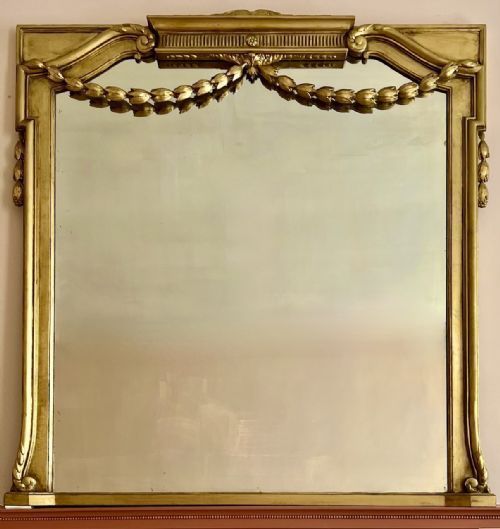
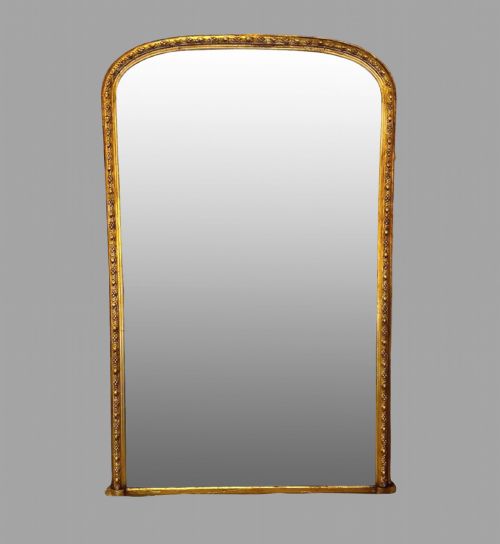
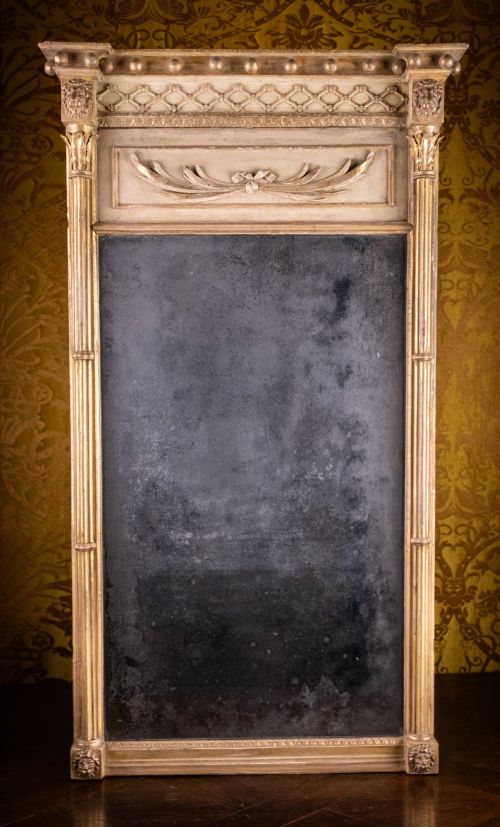
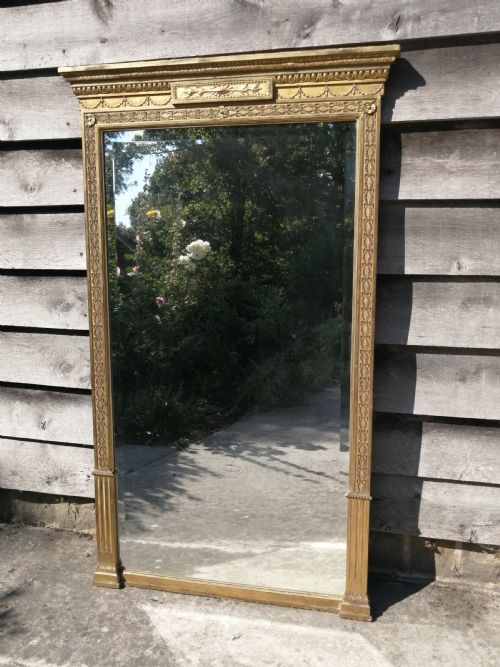
A large regency gilded mirror brings architectural presence and reflecting light into a room, defined by rich carved surfaces and classic proportions.
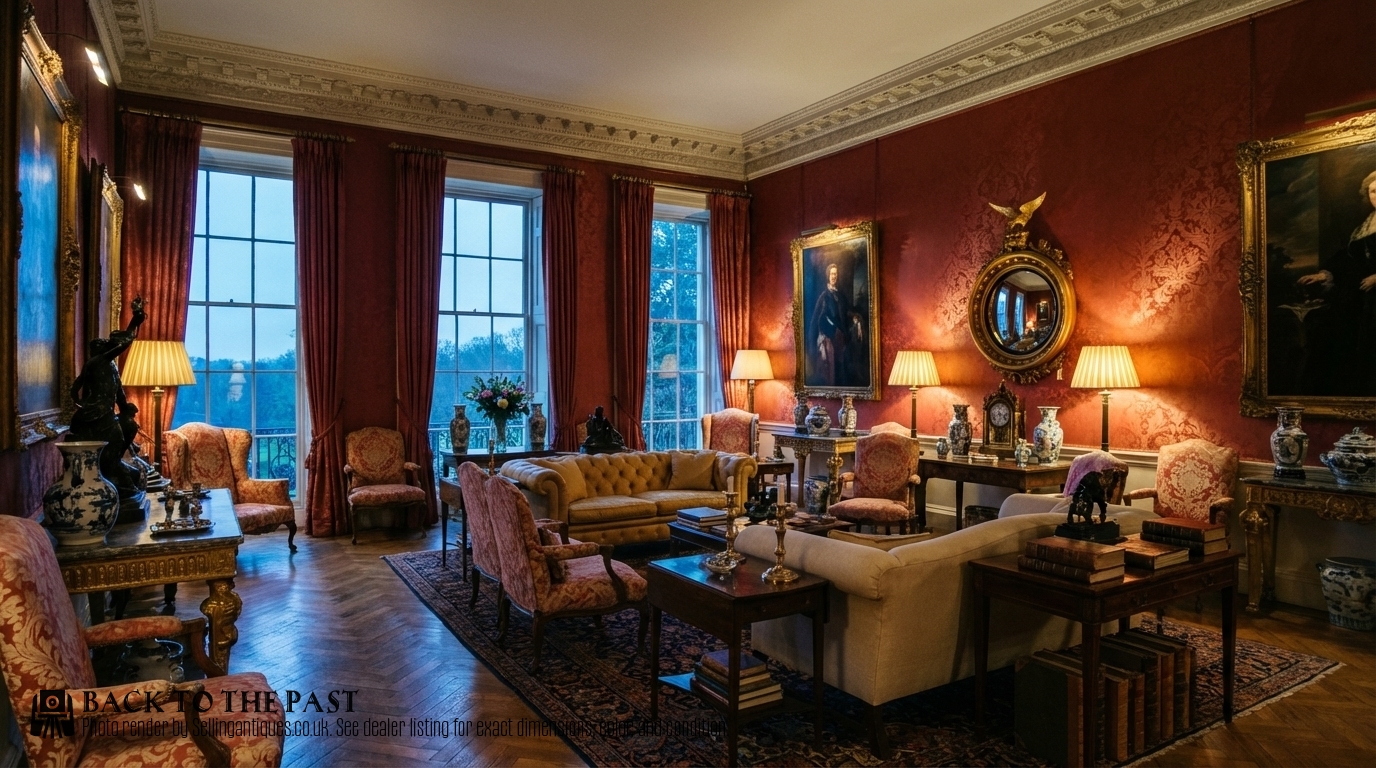
Large Regency Gilded Mirror
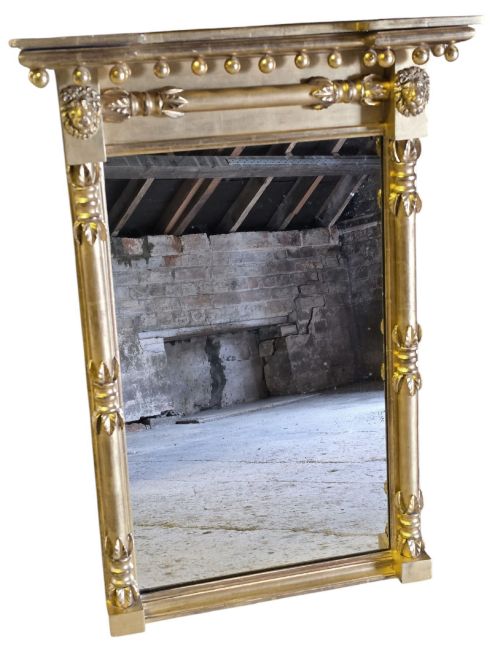
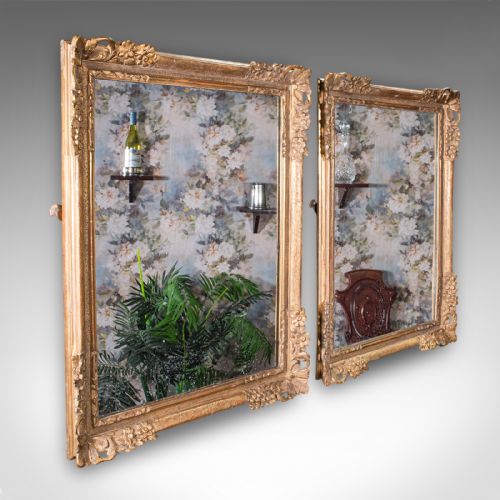
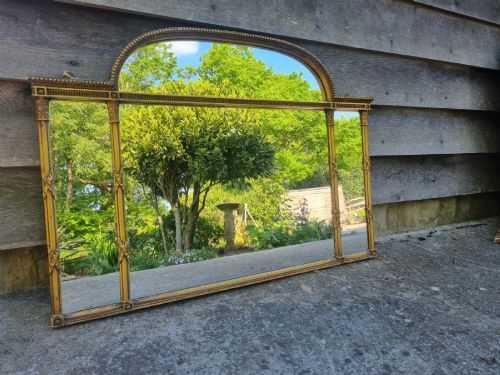
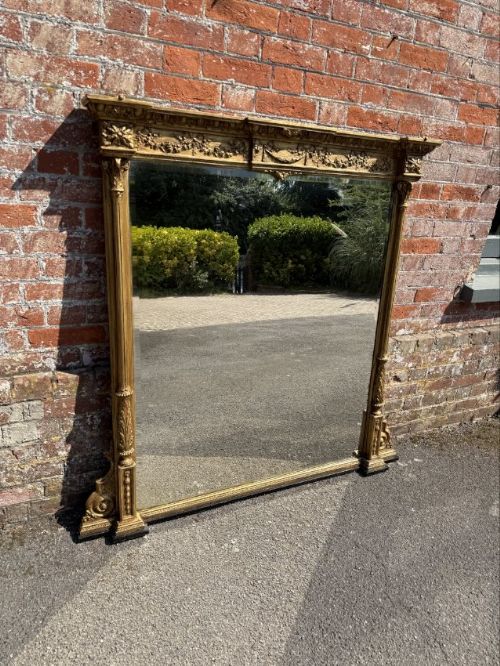
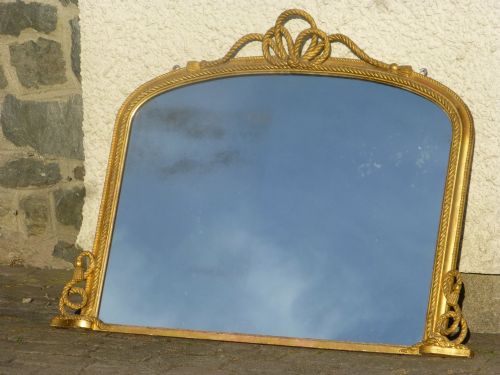
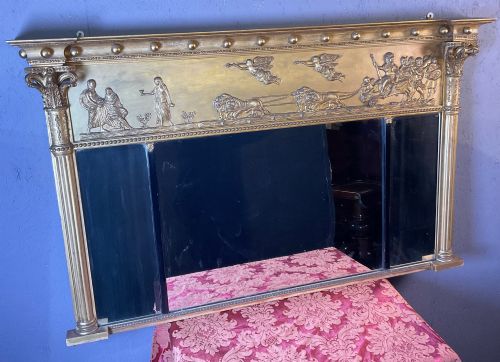
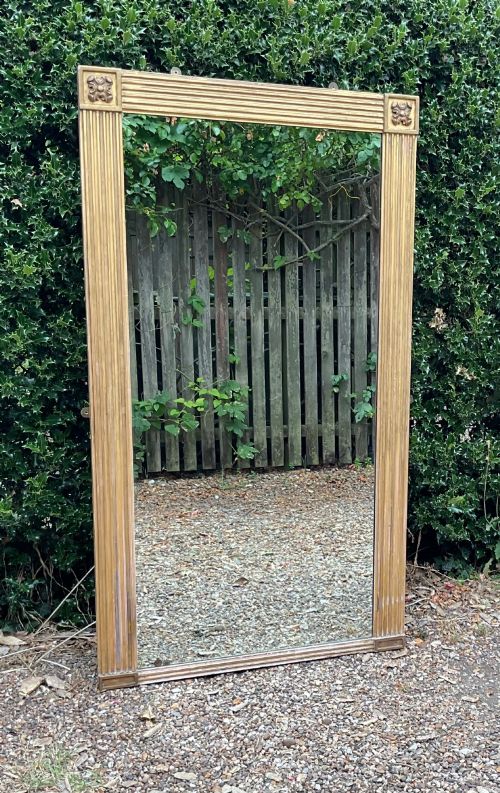
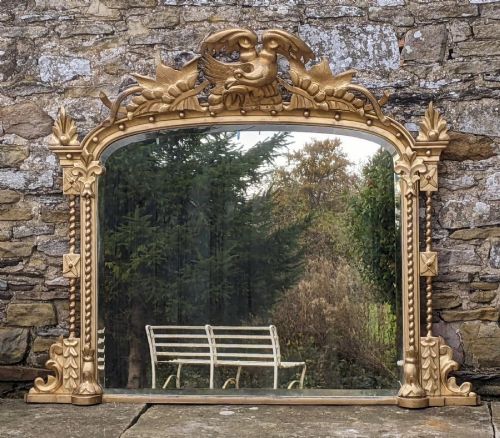
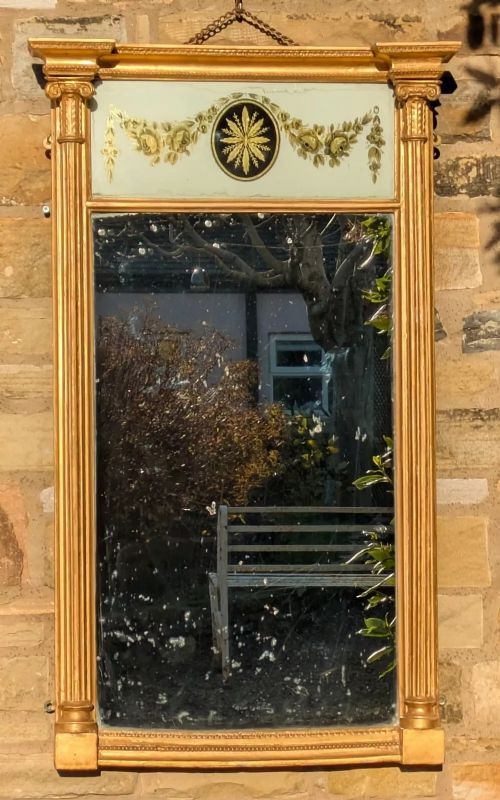
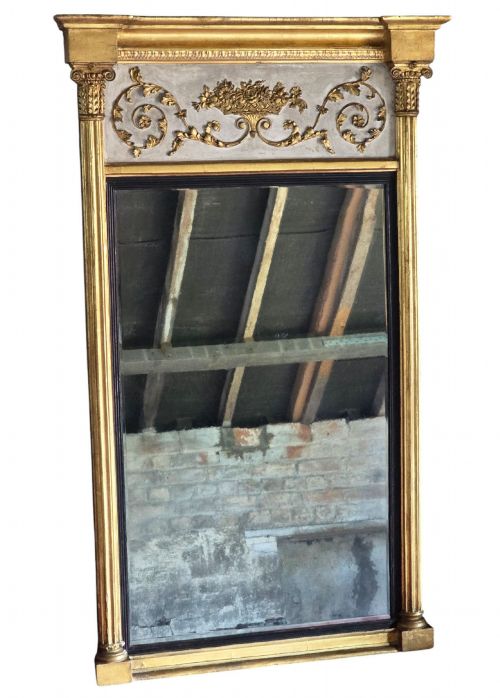
A large regency gilded mirror represents a major decorative statement, taking the form of overmantel mirrors, pier mirrors, and convex wall mirrors designed for principal reception rooms. Most examples encountered here belong to the nineteenth century, spanning the Regency period alongside later Victorian revivals and Georgian survivals.
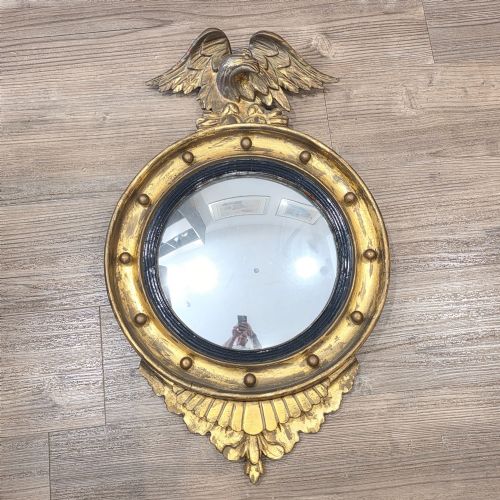
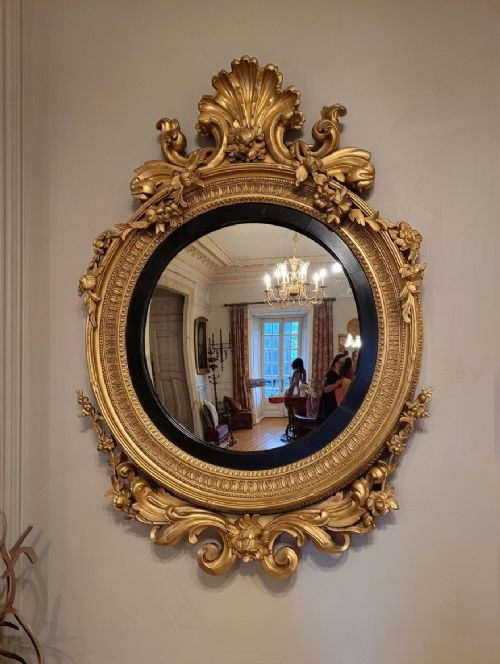
These pieces function primarily to bounce daylight around interiors while anchoring a chimney breast or pier wall. The forms range from heavy rectangular frames with columns and lion masks to circular convex glasses surmounted by carved eagles.
How They Were Made
Makers constructed the timber frames using carved wood and applied gesso, building up intricate neoclassical ornaments, rope twists, and classical motifs before laying down gold leaf or pigment. Composition material often formed the detailed moulded enrichments applied to the wooden carcase.
The glazing relies on original mirror plates, sometimes featuring verre eglomise panels or showing a lightly foxed patina from age. Ebonised wood slips frequently frame the inner edges of convex glasses to create depth.
Convex mirrors often watch over the room with a perched eagle on top, keeping a watchful eye on everyone below.
What Varies in Quality
The standard of carving and the crispness of the gesso mouldings dictate the distinction between ordinary and exceptional framing. Hand-carved wooden details exhibit sharper definition than mass-produced composition ornament.
The preservation of the original gilt surface and mirror plate heavily influences the character of the piece. Surfaces retaining their first gilding alongside untouched glass carry greater historical integrity than heavily restored or re-gilded examples.
The Large Regency Gilded Mirror Glossary
- Giltwood
- Timber coated with gold leaf over a prepared gesso ground. This traditional finish yields a warm, reflective metallic sheen that ages with a soft patina.
- Gesso
- A plaster mixture applied to wooden frame foundations and carved or moulded into relief decorations. It provides a smooth base for subsequent gilding.
- Pier Mirror
- A tall vertical glass designed specifically to hang on the narrow wall space between windows. These often coordinate with console tables placed below.
- Overmantel Mirror
- A wide horizontal looking glass created to sit directly above a fireplace mantelpiece. They frequently incorporate classical columns, pilasters, or architectural pediments.
- Verre Eglomise
- A technique involving cold painting and gilding on the reverse side of glass panels. It produces decorative borders or pictorial scenes within the mirror frame.
- Convex Mirror
- A circular looking glass with a bulging curved surface that reflects a wide panoramic view of the interior. They often feature ebonised slips and crestings of carved birds.
Large Regency Gilded Mirror: Frequently Asked Questions
Where should I hang a large overmantel mirror?
These pieces traditionally anchor the space directly above a fireplace mantelpiece, where their horizontal proportions balance the hearth below. Securing them firmly to structural wall studs remains essential due to their substantial weight.
Positioning them opposite a window also maximises the diffusion of natural light across the room.
How do I identify a genuine period mirror?
Examine the construction of the wooden backboards, frame joinery, and the composition of the gesso layer underneath the gold leaf. Hand-cut timbers and old fixings generally indicate original nineteenth-century manufacture.
Mirror plates should show subtle imperfections, distortion, or light foxing consistent with historic silvering techniques.
What is the difference between a pier mirror and an overmantel mirror?
Pier mirrors feature tall, vertical proportions built to occupy narrow wall spaces between architectural openings or windows. Overmantel mirrors possess wide, horizontal dimensions tailored for placement above fireplace surrounds.
Both forms utilise gilded wood and gesso frames but serve distinct architectural functions within a period interior.
How should I clean antique gilded frames?
Dust the carved surfaces gently with a soft, dry brush to prevent accumulation without disturbing the delicate gold leaf layer. Avoid using water, chemical sprays, or abrasive cloths that can strip the historic gesso and gilding.
Glass plates can be wiped sparingly with a damp cloth while ensuring moisture does not seep behind the frame edges.