



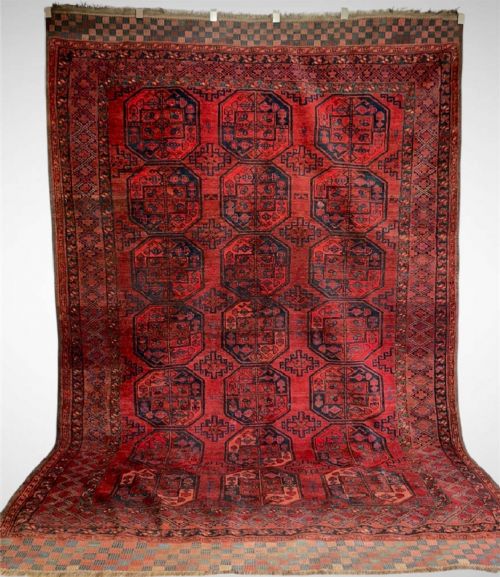
Large Red Oriental Carpet
A large red oriental carpet brings warmth and deep heritage to a room, spanning tribal village weavings and grand Persian room sizes.
Large Red Oriental Carpet
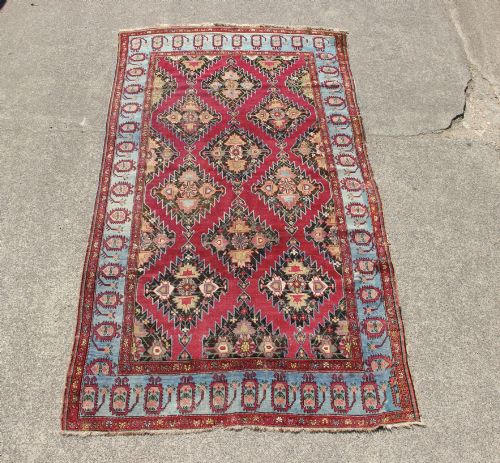
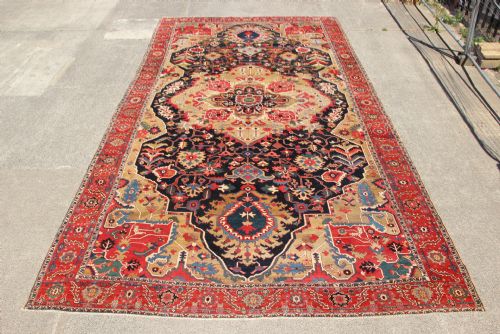
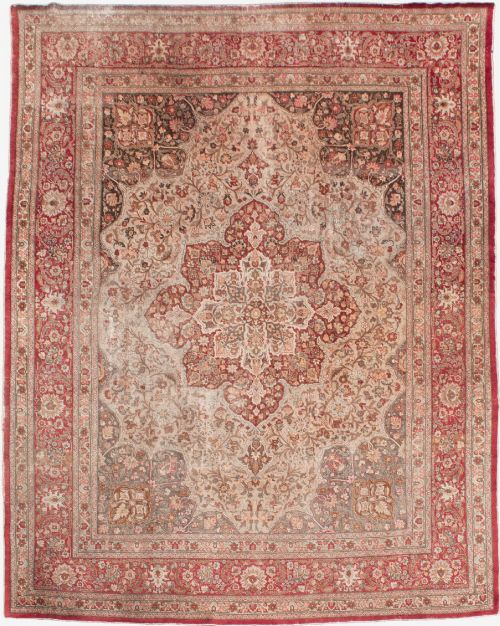
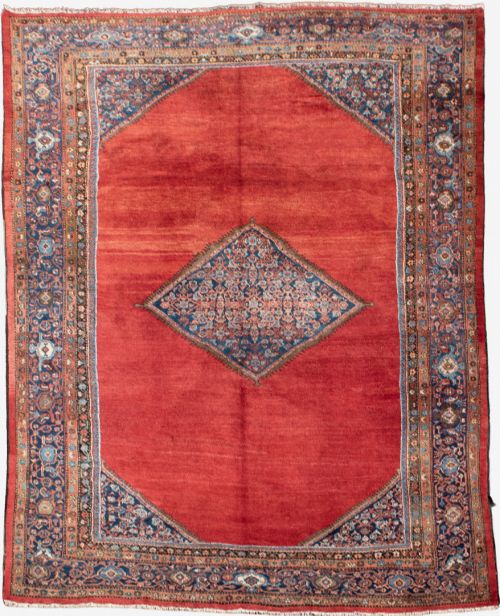
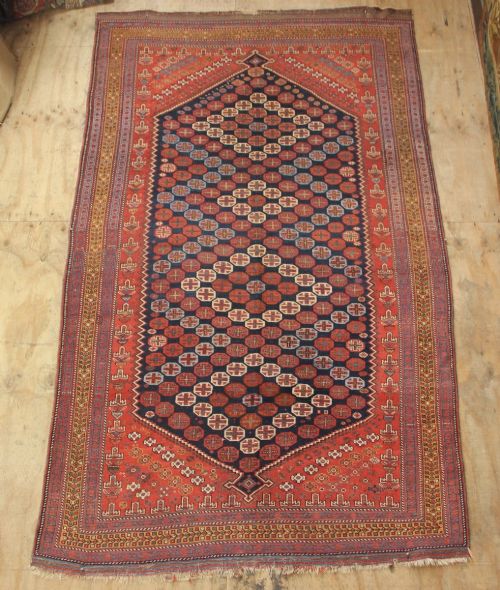
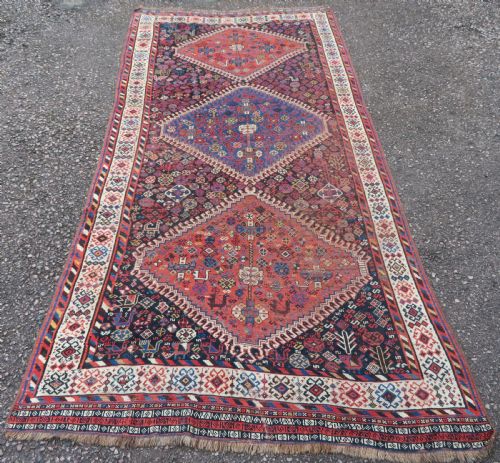
A large red oriental carpet encompasses room-sized floor coverings originating from Persia, Anatolia, and surrounding regions, spanning the nineteenth and twentieth centuries. These pieces arrive in various formats, including expansive room-sized carpets, long hallway runners, and distinct village or tribal weavings.
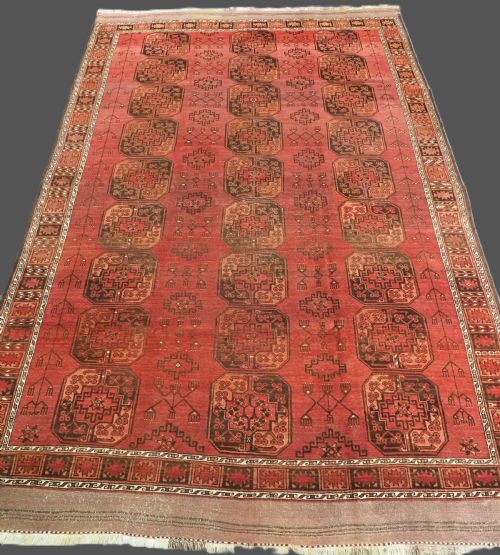
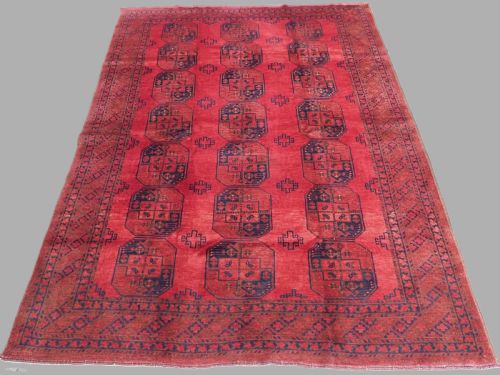
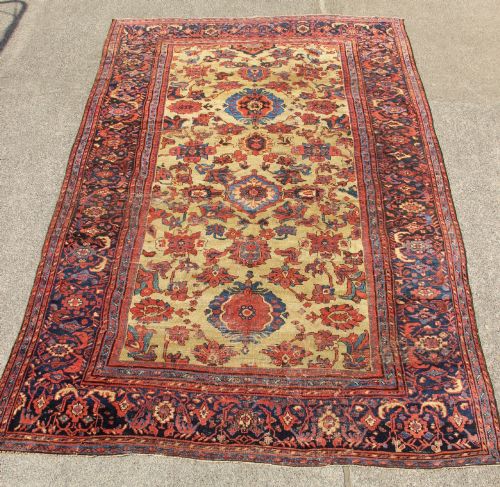
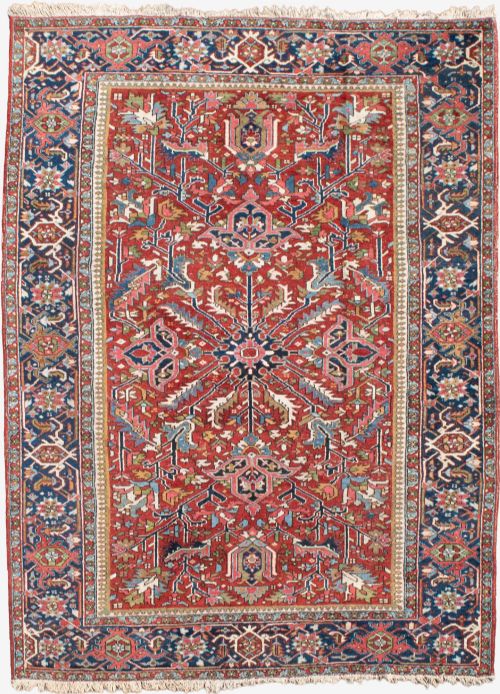
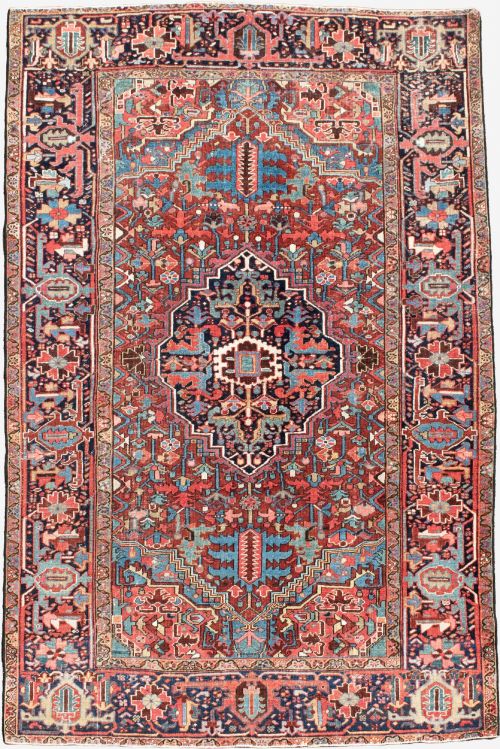
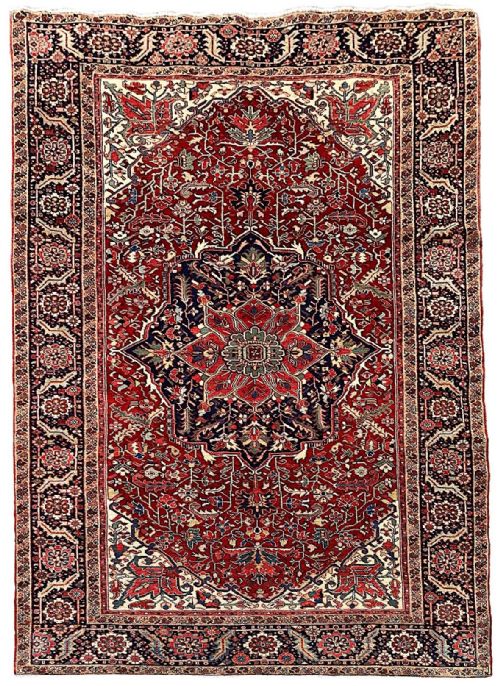
Heriz and Serapi weaves dominate the selection, alongside Fereghan, Tabriz, and various Turkmen tribal rugs. Buyers find traditional geometric medallions, all-over designs, and characteristic warm red colour palettes across these historical pieces.
How they were made
Weavers constructed these carpets using natural wool on robust cotton foundations, hand-knotting the pile to ensure durability over generations of daily use. Vegetable and natural dyes provided the rich reds, deep indigos, and earthy tones seen across the styles.
Nomadic and village workshops utilised upright wooden looms, employing distinct regional knotting techniques and characteristic tribal motifs passed down through families.
Certain antique village runners bear the delightful irregular geometry of weavers working from memory rather than strict paper cartoons.
What varies in quality
Knot density and precision of the geometric or floral layout separate standard village pieces from exceptionally fine town workshops. Finer wool selection and greater complexity in the natural dye palette indicate superior production.
Structural integrity of the cotton foundation and evenness of the hand-knotted pile determine the longevity and overall preservation of the carpet.
The Large Red Oriental Carpet Glossary
- Heriz
- A style of Persian carpet known for bold geometric medallions and robust construction originating from north-west Persia. These pieces often feature prominent corner spandrels and sturdy wool.
- Ersari
- A Turkmen tribal weaving tradition characterised by rich red colour fields and traditional guls or octagonal motifs. These carpets stem from nomadic and village groups in Central Asia.
- Kelleh
- A traditional Persian format describing a carpet that is longer and narrower than standard room sizes. This shape suits long halls and specific room layouts.
- Gul
- An octagonal medallion or botanical motif repeated across Turkmen and tribal carpets. Each tribal group utilises distinct variations of this design.
- Serapi
- An older, highly prized classification of Heriz carpet featuring spacious, refined geometric designs and subtle colour gradations. These pieces date predominantly to the nineteenth century.
Large Red Oriental Carpet: Frequently Asked Questions
How do I clean an antique carpet?
Gentle surface vacuuming without the beater bar removes loose dirt and protects the wool pile.
Professional specialist washing remains essential for deep cleaning to preserve the natural dyes.
Where were these carpets made?
These floor coverings originate from workshops and nomadic encampments across Persia, Anatolia, and Central Asia.
Towns such as Heriz, Tabriz, and Kirman established distinct regional weaving traditions.
Are these carpets suitable for heavy foot traffic?
Hand-knotted wool on robust cotton foundations provides high durability for everyday residential use.
Placing an appropriate rug underlay beneath the carpet prevents slippage and reduces pile wear.
How do I determine the age of a carpet?
Structural analysis of the wool, cotton foundations, and dye palette helps establish the period of manufacture.
Stylistic elements like knot structure and regional design motifs offer further dating clues.