




Large Pottery Pitcher
A large pottery pitcher brings substantial weight and tactile history to a room, serving water, displaying stems, or standing alone as a sculptural vessel.
Large Pottery Pitcher
A large pottery pitcher encompasses utilitarian vessels, decorative ewers, and commemorative jugs spanning multiple centuries.
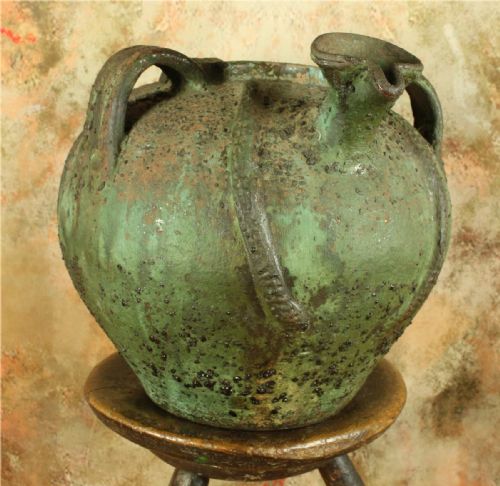
Buyers meet forms ranging from rugged seventeenth-century slipware and salt-glazed flagons to refined Georgian transfer-printed water jugs and vibrant Victorian majolica.
Origins stretch across English potteries in Staffordshire and Sunderland, alongside French olive jars and Austrian art pottery.
Materials and construction methods
Potters shaped these vessels from earthenware, stoneware, terracotta, and creamware, applying lead, metallic, enamel, or salt glazes to seal the porous clay.
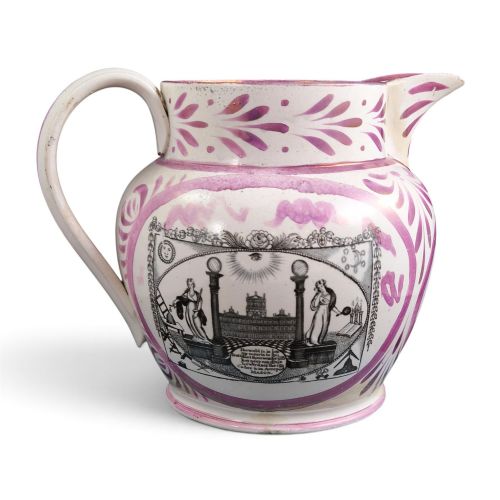
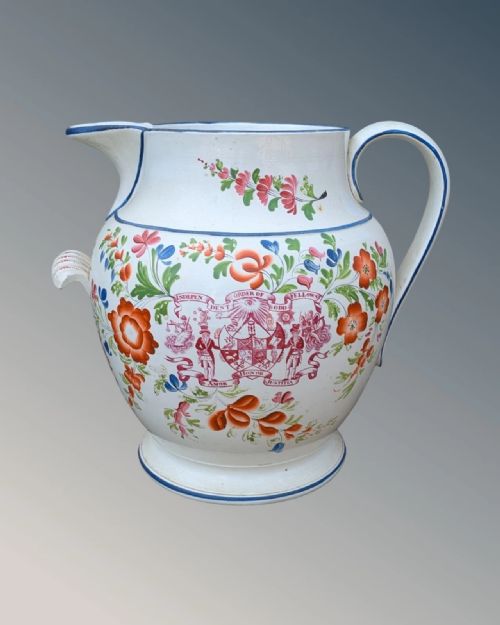
Decoration involved slip trailing, copper and pink lustre treatments, hand-painting, and moulded reliefs such as masks, maritime scenes, and commemorative motifs.
Large Pottery Pitcher Retail Price Guide 2026
Typical asking prices for large pottery pitcher among the pieces listed under this phrase on Sellingantiques today, from the lower quarter to the upper quarter. They describe what is for sale here now, not the wider market.
Sailors trusted Sunderland pink lustre jugs to bring maritime themes and verse safely home across rough seas.
Distinctions in quality
Historical significance, distinct regional glazes, and legible commemorative inscriptions separate standard production wares from exceptional collector pieces.
Doulton Lambeth·Minton·Spode·Mountford
The Large Pottery Pitcher Glossary
- Slipware
- Pottery decorated with slip, a liquid clay mixture applied before firing to create surface patterns or complete coatings.
- Lustreware
- Earthenware featuring a metallic glaze that produces an iridescent sheen, often associated with nineteenth-century Sunderland production.
- Majolica
- Pottery covered with an opaque tin glaze and painted with vibrant metal oxide colours, popular during the Victorian era.
- Stoneware
- Dense, vitreous pottery fired at high temperatures, naturally impervious to liquids even without a glaze.
- Ewer
- A large pitcher with a wide spout and ornate handle, traditionally used for pouring water rather than serving drinks.
Large Pottery Pitcher: Frequently Asked Questions
What were large pottery pitchers originally used for?
These large vessels served practical functions such as carrying water, storing oil, or holding milk and tavern ale for household or commercial use.
Many also functioned as commemorative pieces, marked for weddings, Masonic gatherings, or maritime celebrations.
How do I care for an antique pottery pitcher?
Keep earthenware and slipware away from constant moisture to protect porous bodies and delicate historical glazes from deterioration.
Display them on stable, level surfaces where their substantial weight and size remain secure.
Can I use an antique pitcher to hold fresh flowers?
Stoneware and salt-glazed vessels generally hold water safely, but porous earthenware and old slipware can seep moisture through hairline cracks.
Place a small glass liner inside delicate or unglazed antique pitchers if you intend to use them for floral displays.
How are seventeenth-century jugs told apart from nineteenth-century pieces?
Early seventeenth-century examples rely on heavy earthen bodies, simple slip trails, and salt glazes typical of early tavern and utility wares.
Later nineteenth-century pieces introduce transfer printing, metallic lustres, bright majolica glazes, and distinct Victorian moulding styles.