


Large Polychrome Serving Platter
A large polychrome serving platter brings generous colour and presence to the table, anchored in the robust earthenware and porcelain traditions of the eighteenth and nineteenth centuries.
Large Polychrome Serving Platter
When you search for a large polychrome serving platter, you are looking for substantial serving vessels decorated in multiple colours, spanning periods from the eighteenth century through the Victorian era. These pieces encompass everything from English ironstone meat dishes to Chinese export porcelain and Dutch delft charger plates.
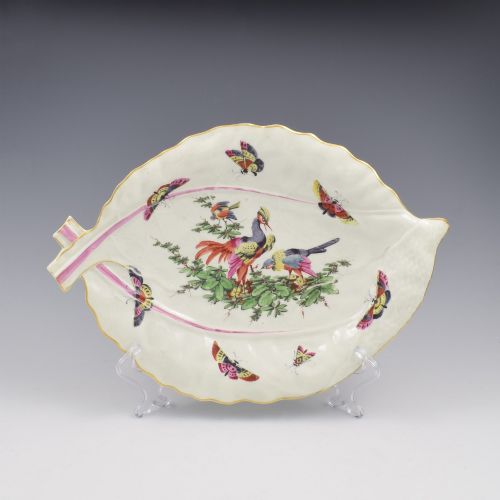
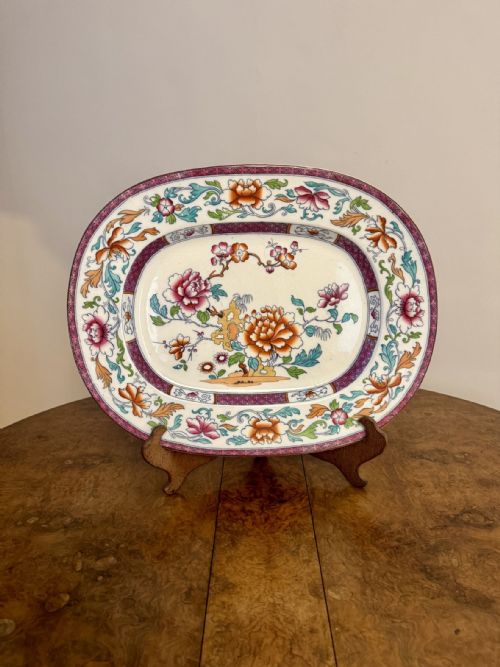
The version you are most likely to meet on this page is a nineteenth-century ironstone or ceramic meat platter, often bearing rich transfer-printed and hand-painted details. They range from country house platters designed for heavy hospitality to fine decorative plates featuring birds and floral motifs.
The origins of these platters stretch across English potteries like Mason's and Minton, alongside continental delftware and Asian export wares. Each piece reflects the functional dining demands of its period alongside the decorative tastes of Georgian and Victorian drawing rooms.
Materials and Techniques
The body of a large polychrome serving platter is typically formed from dense ironstone, earthenware, or soft-paste porcelain, providing a heavy and durable foundation for daily service or display. Potters shaped these large surfaces to withstand the rigours of large meals while maintaining a smooth ground for decoration.
Decoration relied on vibrant enamel colours, glaze, and occasionally gold leaf applied over or under the glaze. Artisans utilised hand-painted techniques alongside multi-fired processes such as Grand Feu manganese work to achieve rich, lasting colour across the surface.
The selection includes pieces spanning the eighteenth and nineteenth centuries, utilising ironstone, earthenware, porcelain, and soft-paste porcelain bodies.
Assessing Quality and Execution
The distinction between standard utility wares and the finest examples lies in the crispness of the moulding and the complexity of the hand-painted enamels. Superior platters display precise brushwork, balanced polychrome palettes, and well-preserved gilt accents that retain their original brilliance.
The weight, density of the ceramic body, and stability of the glaze also define the tier of the piece. Earlier soft-paste porcelain and Dutch delft chargers demand careful firing control, and successful execution at scale marks the work of premier factories.
Dr Wall Worcester·Mason s Ironstone·Minton
The Large Polychrome Serving Platter Glossary
- Polychrome
- Decorated in multiple colours. This term describes ceramics and porcelain that utilise a varied palette of enamels rather than a single monochrome tone.
- Ironstone
- A heavy, durable type of earthenware patented in the nineteenth century. It was widely used for large meat platters and serving dishes due to its strength.
- Grand Feu
- A high-temperature ceramic firing technique. It allows metallic oxides like manganese to fuse deeply into the glaze.
- Soft-Paste Porcelain
- An artificial porcelain composition fired at lower temperatures than hard-paste. It was favoured by eighteenth-century English factories like Worcester for its warm texture.
- Imari
- A Japanese style of porcelain decoration featuring deep blues, iron red, and gold. It heavily influenced European ceramics during the nineteenth century.
Large Polychrome Serving Platter: Frequently Asked Questions
How were large polychrome serving platters used?
These large vessels were primarily used in dining rooms for presenting joints of meat, poultry, or substantial courses during formal meals. Their generous surface area accommodated large portions for household and guest service.
Beyond the dining table, many of the more decorative charger plates and platters were displayed on sideboards or hung on walls to showcase their vibrant enamel patterns.
How do I care for antique ceramic platters?
Antique ceramics and ironstone require gentle hand washing in warm water with mild soap. Avoid abrasive sponges or harsh detergents that can wear away historic enamel and gold leaf.
Due to their size and weight, store them flat or securely supported on edge in plate stands to prevent tipping and rim damage.
How do I distinguish eighteenth-century pieces from Victorian ones?
Eighteenth-century examples often utilise soft-paste porcelain or tin-glazed earthenware like Dutch delft, showing softer body pastes and hand-painted artistry. Worcester and continental pieces from this era frequently feature delicate bird or floral motifs.
Victorian platters lean heavily toward robust ironstone and heavier earthenware bodies, often combining transfer printing with hand-applied polychrome enamels for mass dining utility.
What does Chinoiserie mean in antique ceramics?
Chinoiserie describes European artistic interpretations of Chinese and East Asian decorative motifs. On these platters, it manifests as stylized landscapes, exotic birds, and figures in garden settings.
This style was particularly popular during the Georgian and Victorian periods, blending Asian aesthetic influences with European ceramic shapes.