
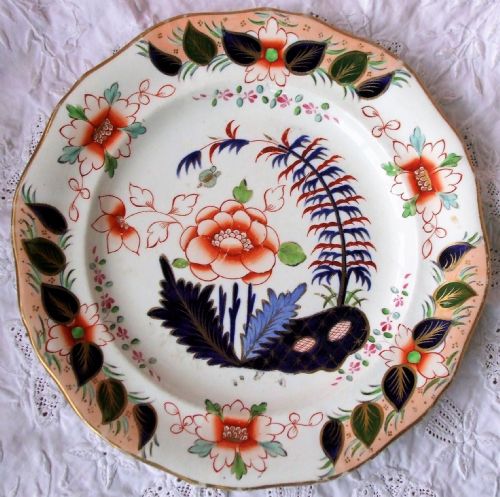


Antique English Ironstone Platter
An antique english ironstone platter is a durable ceramic serving piece designed for the table, offering robust utility and bold nineteenth-century decoration.
Antique English Ironstone Platter
An antique english ironstone platter represents a sturdy ceramic form designed for heavy dining use across the nineteenth century, including Victorian, Regency, and Edwardian eras. These serving vessels appear in various patterns such as Chinoiserie, Imari, and Oriental-style motifs, alongside specialised pieces like well and tree platters and drainers.
Buyers encounter forms ranging from large meat serving platters to decorative chargers and footed cheese dishes. The examples span the 19th century up to the early twentieth century, showing sustained popularity for robust ceramic serveware in British households.
What Varies in Quality
Quality rests in the crispness of the transfer-printed or hand-painted decoration, where complex multi-coloured motifs like Imari palettes or exotic bird scenes demand superior skill. The depth and clarity of the glaze also separate standard utilitarian wares from richly ornamented chargers and serving dishes.
Structural complexity influences distinction, as demonstrated by specialised forms like well and tree platters, footed cheese dishes, and fitted drainers. Finer examples retain intact gilding, rich orange grounds, and sharp relief mouldings inherent to the original pottery manufacture.
Grasshoppers and exotic birds populate the nineteenth-century tableware, bringing cheerful wildlife to the dining table.
John Davenport of Longport·John Ridgway·Mason’s Ironstone China
The Antique English Ironstone Platter Glossary
- Ironstone
- A heavy, durable type of ceramic patented in the nineteenth century to provide a strong alternative to porcelain. It forms the robust body of most nineteenth-century meat platters and dinnerware.
- Charger
- A large decorative plate or platter used primarily for display or ceremonial serving rather than everyday dining. These items often feature elaborate oriental or bird patterns.
- Well and tree platter
- A serving platter featuring a channel around the edge and a recessed well connected by grooves to collect meat juices during carving. This practical design was essential for Victorian dining.
- Platter drainer
- A ceramic insert placed inside a serving platter to keep meat elevated above its juices. They frequently display pierced patterns to allow liquid to pass through.
- Imari
- A decorative style inspired by Japanese export porcelain, characterised by iron red, cobalt blue, and gold leaf. It appears across various nineteenth-century ceramic pieces.
Antique English Ironstone Platter: Frequently Asked Questions
What is ironstone?
Ironstone is a dense, durable ceramic body patented in the nineteenth century to combine the strength of stoneware with the refined appearance of porcelain.
It provided British households with robust tableware that resisted chipping during heavy daily use.
How were platters used?
These large ceramic vessels served joints of meat, poultry, and game at the nineteenth-century dining table.
Specialised versions included well and tree designs to catch juices and drainers to keep meat elevated.
How do I date a platter?
Dating relies on maker marks, pattern names, and stylistic shifts spanning the Regency, Victorian, and Edwardian periods.
Changes in glaze texture and decorative motifs like Chinoiserie also help establish the decade of manufacture.
Can I use them daily?
The dense ironstone body makes these historic platters remarkably tough and suitable for modern serving.
Hand washing helps preserve delicate enamel colours and any applied gold leaf.