



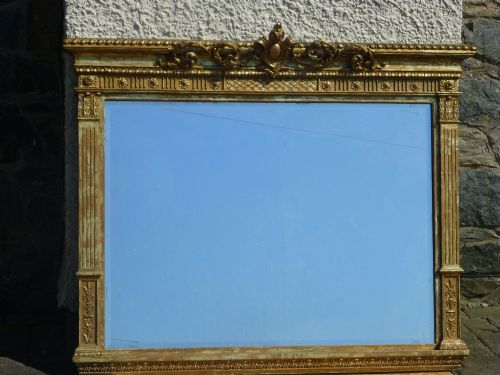
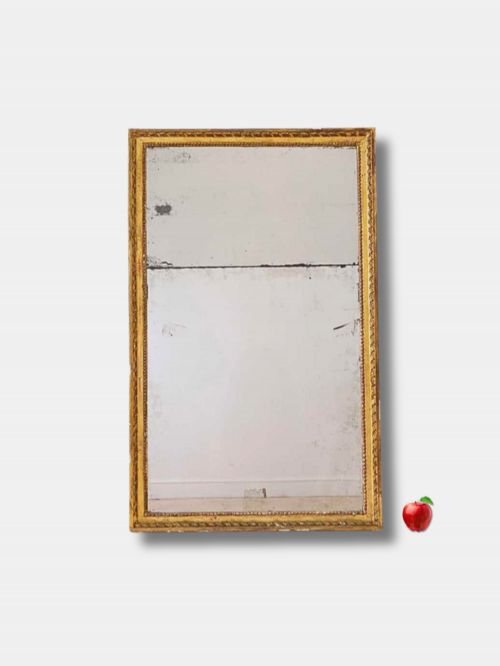
Large Neoclassical Mirror
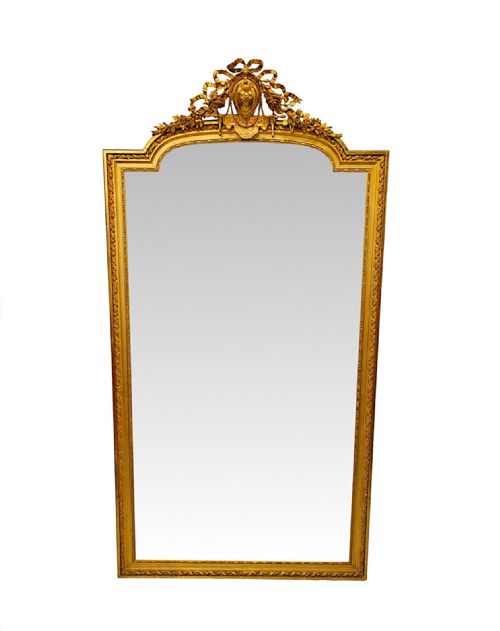
A large neoclassical mirror commands a room through disciplined symmetry, crisp architectural proportion and classic gilded ornament.
Large Neoclassical Mirror
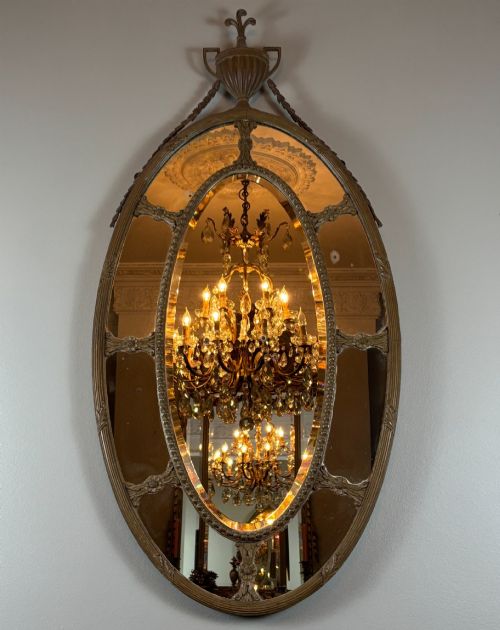
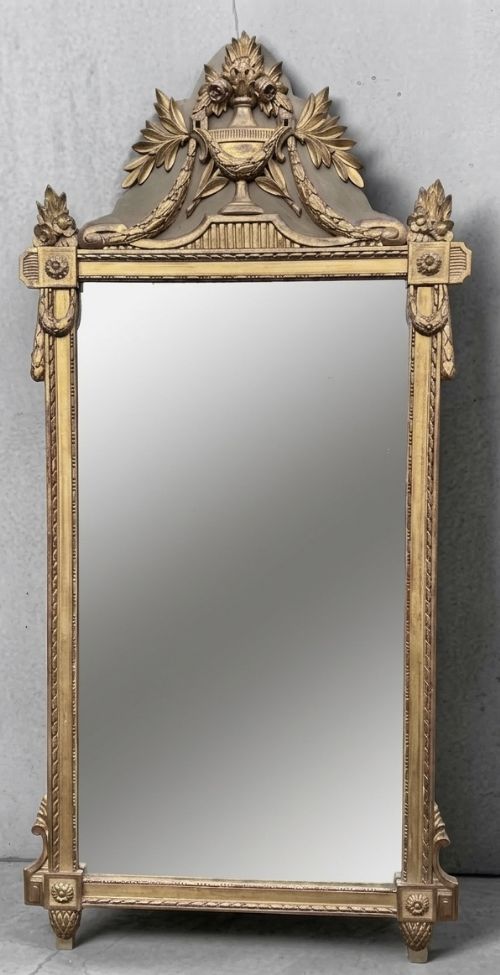
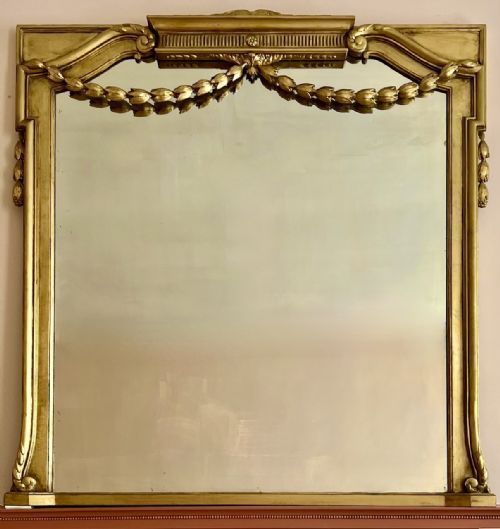
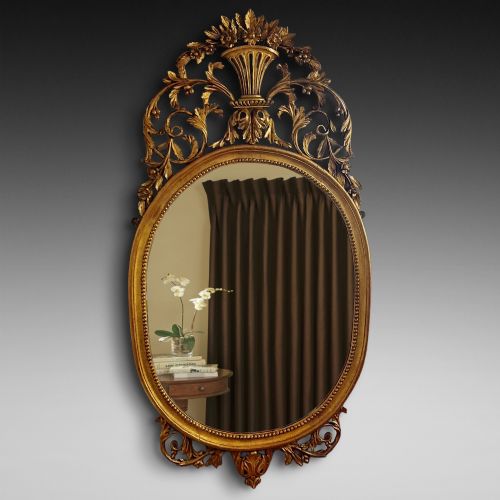
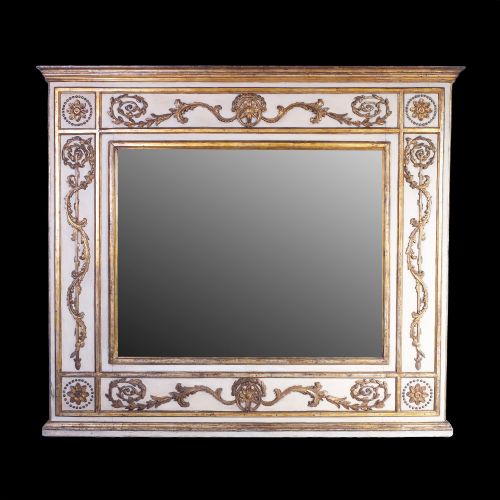
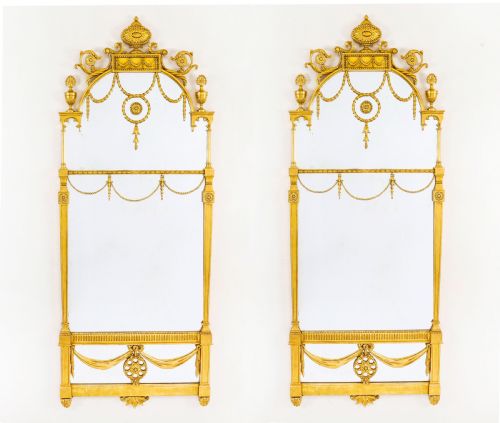
A large neoclassical mirror brings strict geometric order, urn motifs, swags and classical symmetry to an interior. These architectural looking glasses served primarily as overmantels, pier mirrors or grand wall hangings in reception rooms.
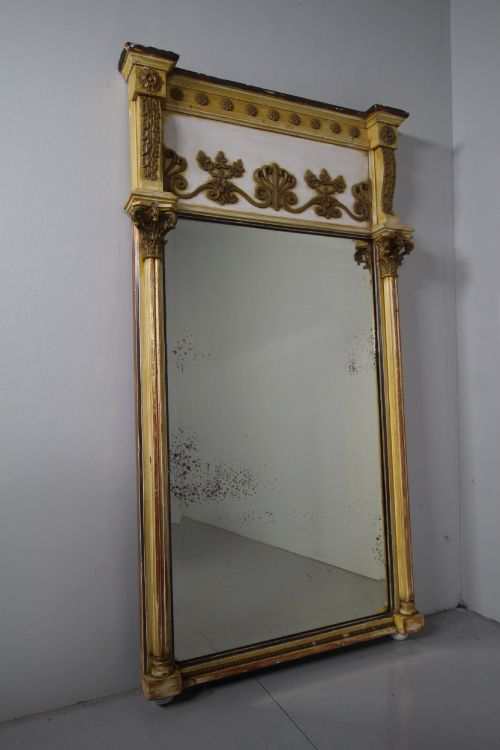
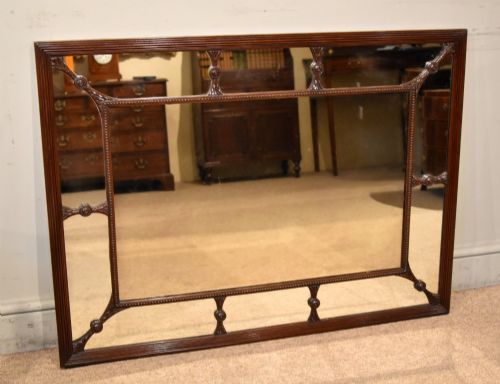
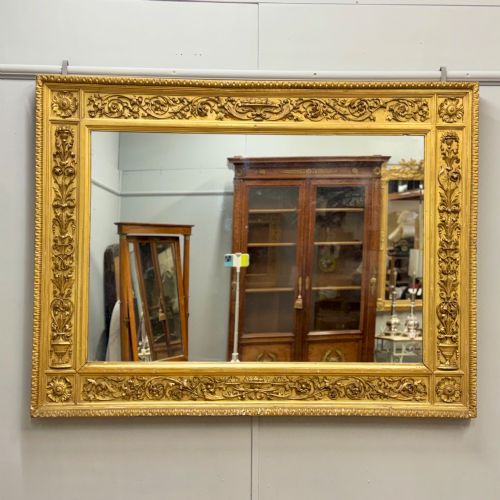
The version most commonly encountered on this page is the nineteenth-century giltwood overmantel or wall mirror, frequently drawing on Louis XVI, Regency or Adam revival designs. They range from tall portrait formats to wide landscape shapes meant to sit above a fireplace.
Origins stretch from English workshops to French chateaux and Swedish manors, spanning the eighteenth century through the Victorian era. Each piece employs classical vocabularies such as fluted columns, beaded borders and carved ribbons.
How they were made
Makers constructed the foundational framework from timber such as pine or hardwood, then applied layers of gesso to build up crisp relief detail for carving. Artisans laid gold leaf or paint over this preparation to achieve a rich metallic or parcel-gilt surface.
Glazing involved silvering flat glass plates, with earlier examples utilising mercury silvering techniques that created a characteristic mottled depth. Composition ornament moulded from a paste of whiting, resin and glue often supplemented hand-carved wooden enrichment.
Large Neoclassical Mirror Retail Price Guide 2026
Typical asking prices for large neoclassical mirror among the pieces listed under this phrase on Sellingantiques today, from the lower quarter to the upper quarter. They describe what is for sale here now, not the wider market.
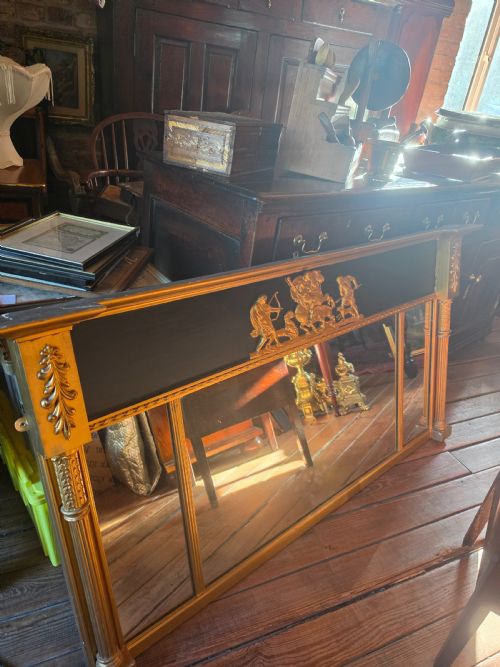
One cheerful nineteenth-century overmantel mirror depicts Anania and her chariot carved right into the frame.
What varies in quality
The refinement of the carved ornament determines the distinction between ordinary and exceptional pieces, particularly in the crispness of swags, urns and floral husks. Deep relief carving executed entirely by hand carries a different visual weight than moulded composition pressed into simple frames.
The integrity of the original mercury or bevelled mirror plate and the preservation of the early gilding surface anchor the value. Subtle details such as pegged mortise and tenon frame joints and untouched backboards separate disciplined workshops from lesser provincial joinery.
The Large Neoclassical Mirror Glossary
- Giltwood
- Timber coated with gold leaf over a prepared gesso ground. This technique creates a luminous warm surface that catches natural light across a room.
- Overmantel mirror
- A wide horizontal looking glass designed specifically to hang above a fireplace mantelpiece. These pieces often anchor the central axis of a formal reception room.
- Pier mirror
- A tall narrow looking glass made to hang on the wall space between two windows. They reflect additional light into darker architectural corners.
- Trumeau mirror
- A decorative wall mirror incorporating a painted panel or carved artwork set directly above the glass plate. Originating in French interiors, they function as permanent architectural fixtures.
- Mercury glass
- A silvered mirror plate produced using a tin and mercury amalgam before twentieth-century chemical processes took over. It yields a distinctive dark, mottled reflection full of character.
Large Neoclassical Mirror: Frequently Asked Questions
Where should a large neoclassical mirror hang?
These mirrors work best anchored securely above a drawing room fireplace or mounted centrally on a principal salon wall. Their generous scale demands a solid architectural backdrop to balance their visual weight.
Positioning them opposite a window maximises natural light distribution throughout the space. Ensure the wall construction can support the substantial weight of timber, gesso and thick glass.
How do I identify a Regency period mirror?
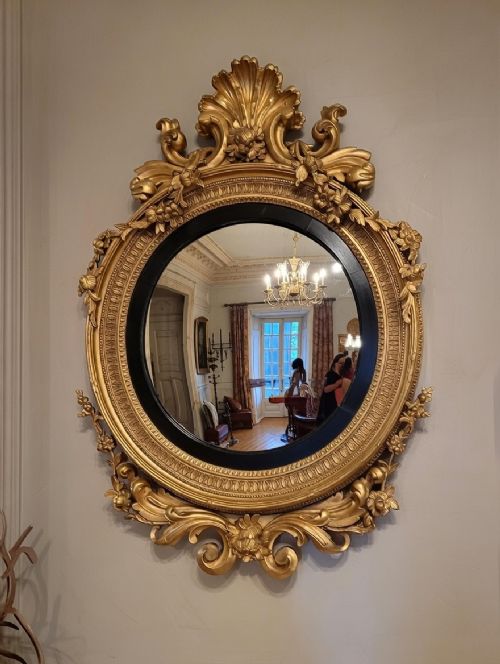
Regency mirrors often display bold classical motifs, ebonised details, reeded pilasters and convex or triptych glass configurations. The frames tend to emphasise architectural clarity and disciplined restraint.
Looking at the construction methods on the reverse reveals period timber usage and hand-cut fixings. Makers of this era favoured strong symmetry derived from classical Greek and Roman precedent.
What is an Adam revival mirror?
Adam revival mirrors draw inspiration from the neoclassical designs of the eighteenth-century architect Robert Adam. They feature delicate symmetrical ornamentation including urns, pendant husks, ribbons and oval medallions.
These pieces appeared across multiple nineteenth-century revivals when craftsmen recreated Georgian lightness and refinement. The frames rely on crisp composition mouldings and fine gesso work to achieve delicate neoclassical detail.